
Hear from Our Customers
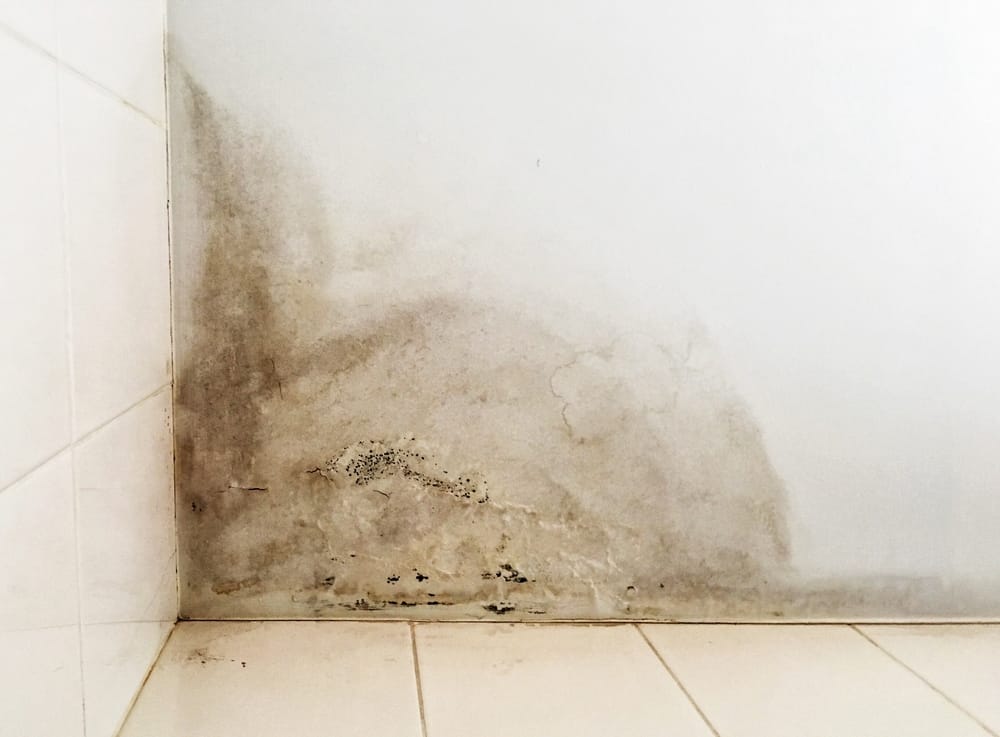
Most people don’t call about mold until they smell something, see a spot on the wall, or get a heads-up from a home inspector right before closing. By that point, it’s already been growing — sometimes for months, sometimes longer. In Barnum Island, where the water table sits close to the surface and the bay is never more than a few blocks away, that timeline can move even faster than homeowners expect.
What changes after professional mold removal isn’t just the absence of visible growth. It’s knowing your air quality is clear, your structural wood is sound, and you have a lab report to back it up — not just someone’s word. That documentation matters here. With median property values at $680,500 and rising, a clean bill of health from a certified mold inspection isn’t a luxury. It’s what protects your investment when it’s time to sell, refinance, or simply stop worrying every time it rains.
For Barnum Island homeowners who lived through Sandy — or bought after it — the concern isn’t just cosmetic. Two to eight feet of water and sewage moved through this island in 2012. Research conducted in the aftermath found that virtually every flood-damaged home examined had mold growing inside the structural wood once the wallboard came down. If your home was touched by that storm and hasn’t had a thorough inspection since, there may be growth you haven’t seen yet. The data shows this is where the risk lies.
We’re based in West Babylon and have been serving Nassau and Suffolk County homeowners for over three decades. That includes communities up and down the South Shore — waterfront neighborhoods like Barnum Island, bay-adjacent homes, older Colonial housing stock — the kind of properties that show up in Island Park and along Shell Creek every block you walk.
Every technician who comes to your home is IICRC-certified. Not just the owner. Not just the senior staff. Everyone. New York State requires mold contractors to be licensed, and we meet that bar — but the IICRC certification goes further, holding every technician to the industry’s recognized standard for safe, effective remediation.
Barnum Island is a named service area on our Nassau County page because we’ve been doing this work in communities like yours for a long time. When you call, you’re reaching someone who knows what South Shore homes deal with, not someone routing your call from three states away.
It starts with a 5-point inspection. One of our certified technicians comes out, takes air samples and surface swabs, uses a borescope to look inside wall cavities without tearing anything open, and measures moisture levels throughout the affected area. That last step — finding where the moisture is actually coming from — matters more than most homeowners realize. In a community like Barnum Island, where crawl spaces sit close to the water table and bay humidity pushes into attic spaces during summer months, the source of the moisture isn’t always obvious. Treating the mold without addressing the source is how it comes back.
Samples go to an independent lab. Results come back in two to three business days with chain-of-custody documentation — the kind that holds up for insurance claims, real estate disclosures, and legal proceedings if it ever comes to that. Once the scope is clear, remediation begins. Containment goes up, affected materials are removed properly, and structural surfaces are treated. Because we also handle water damage restoration, the moisture source gets addressed in the same process — not handed off to a second company weeks later.
After the work is done, post-remediation clearance testing confirms the mold is gone. You get a written report. Not a verbal sign-off. Not “it looks good.” A documented result you can hold onto. In Nassau County, where flood insurance is nearly universal and insurance adjusters expect proper documentation, that paper trail is worth having.
Ready to get started?
Mold doesn’t pick one spot and stay there. In Barnum Island’s older waterfront Colonials — many built before modern vapor barrier and ventilation codes existed — it tends to show up in the places you check least often. Crawl spaces are the most common starting point, especially in homes that sit close to Shell Creek or Shell Harbor. Attics follow, particularly in homes where winter heating and poor ventilation create condensation that builds up quietly until spring. Basements, bathrooms, and wall cavities behind plumbing fixtures round out the list.
We handle all of it: basement mold removal, crawl space mold removal, attic mold removal, bathroom mold removal, and black mold and toxic mold cleanup when the situation calls for it. For commercial properties along Austin Boulevard or near the E.F. Barrett Power Station, we also offer commercial mold removal and mold mitigation services. The scope of the job determines the approach — nothing is templated, and nothing gets skipped because it’s inconvenient to access.
One thing worth knowing: under New York State law, the same licensed company cannot perform both the mold assessment and the mold remediation on the same property. It’s a consumer protection rule that most homeowners have never heard of. We’re transparent about how that works and will walk you through it before anything starts. And if your deductible is a concern, we offer up to $500 toward your out-of-pocket cost — something no competitor identified in this market currently matches.
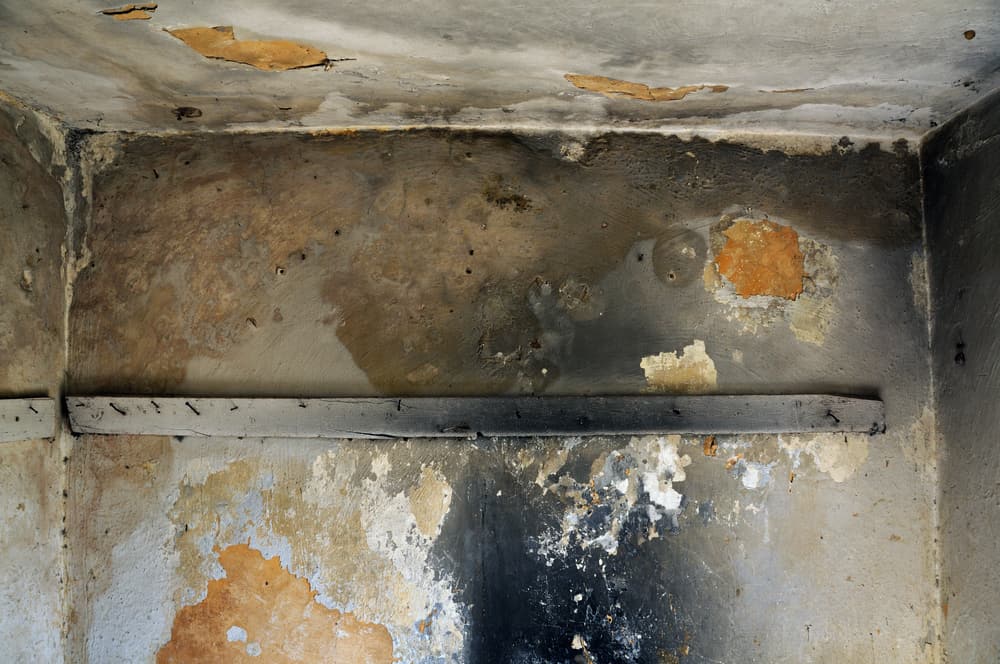
It’s more common here than in most inland Nassau County communities, and the reason comes down to geography. Barnum Island is a physical island — surrounded by the Western Bays, with Shell Creek and Shell Harbor running along its edges. The water table is close to the surface, bay humidity pushes into homes during summer months, and the housing stock is largely older waterfront Colonials that predate modern vapor barrier and ventilation requirements. That combination creates conditions where mold doesn’t just appear after a major flood event — it can develop slowly in crawl spaces, attics, and wall cavities with no dramatic trigger at all.
When mold keeps coming back after treatment, it’s almost always because the moisture source wasn’t addressed. Treating visible mold without fixing the underlying water intrusion point is like mopping the floor while the faucet’s still running. A proper inspection identifies where moisture is entering the home — not just where the mold is visible — and remediation that includes addressing that source is the only way to stop the cycle.
The honest answer is that it depends on the scope, and any company that gives you a firm number before seeing the job is guessing. Nationally, professional mold remediation averages around $2,300, with a typical range of $373 to $7,000 depending on how much area is affected and where the mold is located. Crawl space and attic jobs — the most common scenarios in Barnum Island’s older housing stock — tend to run $15 to $30 per square foot because of access difficulty and the moisture conditions we typically find in waterfront properties.
What affects cost most is how far the mold has spread and whether structural materials need to be removed and replaced. A bathroom surface job is a very different scope than mold inside wall framing after a flood event. The inspection is where that gets determined — and having lab-confirmed results means you’re paying for what’s actually there, not an estimate based on a visual walkthrough. If you’re filing an insurance claim, proper documentation from the inspection phase is what supports the claim and helps avoid disputes with your adjuster.
Yes, and here’s why. Research conducted in the aftermath of Hurricane Sandy found that virtually every flood-damaged home examined had substantial mold growth in the structural wood — studs, sills, framing — once the wet wallboard was removed. The flooding that moved through Barnum Island in 2012 was two to eight feet of water mixed with sewage. Sewage-contaminated floodwater introduces organic material that accelerates mold growth significantly, and it tends to penetrate deeper into structural components than clean water does.
If your home was remediated after Sandy but hasn’t been inspected since, that doesn’t mean it’s clear. Mold can survive in treated structural wood if the original remediation was incomplete, and it can re-establish in areas where moisture continues to enter the home. Some Barnum Island homeowners have also discovered that post-Sandy work was done superficially — painted over or encapsulated rather than properly removed. A borescopic inspection, which allows a technician to look inside wall cavities without opening them up, is the only way to know for certain what’s happening behind your walls.
It depends on the policy and the cause of the mold. In most cases, if the mold resulted directly from a covered water damage event — like storm surge or a sudden pipe failure — your insurance is likely to cover at least part of the remediation cost. Flood insurance, which is essentially universal in Barnum Island given the community’s FEMA flood zone designation, typically covers damage caused by flooding, and mold that develops as a direct result of that flooding is often included.
Where claims get complicated is when mold developed over time due to ongoing moisture issues that weren’t reported or addressed — insurers tend to classify that as a maintenance issue rather than a covered loss. The documentation from a professional mold inspection — air samples, surface swabs, chain-of-custody lab results — is what makes the difference when an adjuster reviews your claim. We have 31 years of experience working alongside insurance adjusters on Long Island and know how to document damage in a way that supports your case rather than leaving gaps for a denial.
For a contained area — a single bathroom, one section of a basement — remediation can often be completed in one to two days. Larger jobs involving crawl spaces, attic framing, or multiple rooms can run three to five days or longer, depending on how much material needs to be removed and how extensive the structural drying process is. Post-remediation clearance testing adds another two to three business days for lab results to come back, but that’s time the home can typically be occupied in unaffected areas.
In Barnum Island specifically, waterfront homes with crawl spaces that sit close to the water table often require additional drying time because ambient moisture levels are higher than in inland homes. If the job involves a crawl space that hasn’t had a vapor barrier installed, that’s usually addressed as part of the process to prevent recurrence. The goal isn’t to finish fast — it’s to finish completely, so you’re not back at square one after the next storm comes through.
Mold testing — also called mold assessment — is the inspection phase: taking air and surface samples, identifying what’s present, and determining the scope of the problem. Mold remediation is the actual removal and cleanup work. In New York State, a licensed contractor and its employees are legally prohibited from performing both on the same property. It’s a consumer protection law designed to prevent a conflict of interest — a company that profits from remediation shouldn’t be the one deciding how much remediation you need.
Most homeowners in Barnum Island have never heard of this law, which means they don’t always know to ask about it. A company that handles both without disclosing this — or that structures the work in a way that sidesteps it — is operating outside what the law allows. We’re upfront about how this works before any job begins, so you understand exactly who is doing what and why. It’s a straightforward process when handled correctly, and knowing about it ahead of time means you’re not caught off guard mid-project.
Useful Links
Other Services we provide in Barnum Island