
Hear from Our Customers
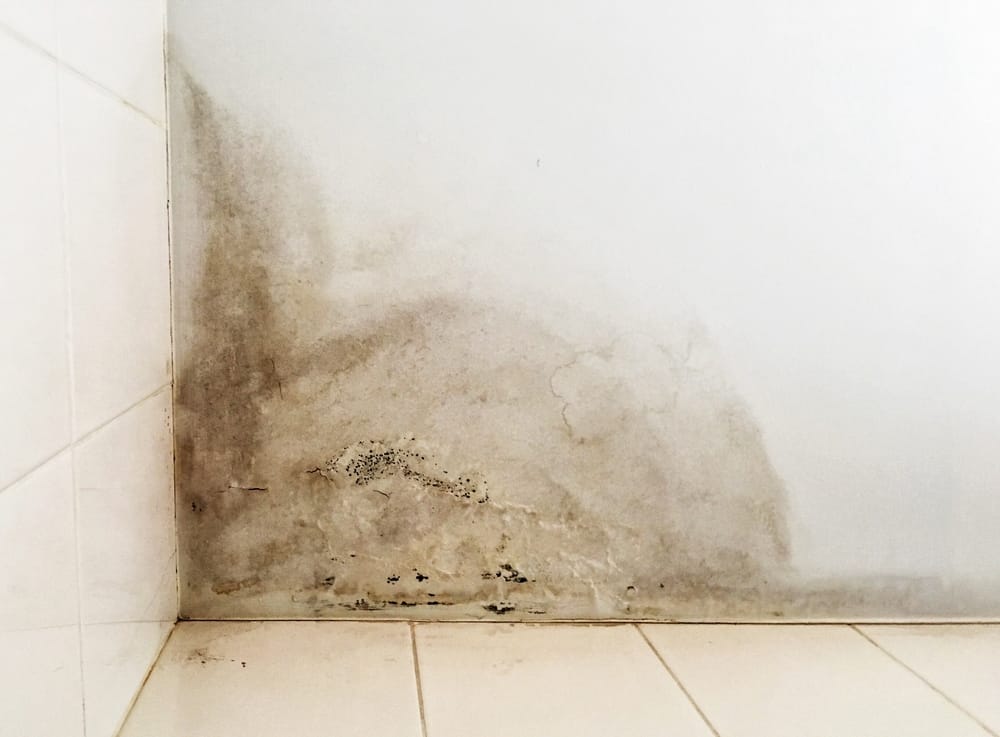
When mold takes hold in a Bay Park home, the damage isn’t just visual. It’s in the air your family breathes, inside wall cavities you can’t see, and underneath floors that look perfectly fine from above. The real cost isn’t the remediation — it’s what happens if you wait. Mold spreads fast in humid, canal-adjacent environments, and Bay Park’s housing stock — much of it post-war Cape Cods and split-levels with crawl spaces sitting close to the water table — gives it every condition it needs to grow unchecked.
What you get on the other side of proper mold removal isn’t just a cleaner home. It’s documented proof that the air quality meets safety standards, that the moisture source has been identified and addressed, and that you’re not going to be back in this same situation six months from now after the next nor’easter pushes water up through your crawl space drain. For a community that’s watched the Grand Canal flood West Boulevard more than once, that kind of certainty matters.
Homes with untreated mold can lose 20–37% of their resale value, and half of interested buyers walk away the moment mold shows up in an inspection report. If you’re planning to stay in Bay Park, you deserve to breathe clean air. If you’re planning to sell, you need the lab report that proves it’s gone.
We’ve been serving Nassau and Suffolk Counties for over three decades — which means we were here after Hurricane Sandy hit Bay Park’s Sewage Treatment Plant with a nine-foot tidal surge and left homes throughout the surrounding community dealing with contaminated water intrusion and the mold problems that followed. This isn’t a national franchise learning your neighborhood from a zip code map. We’re a Long Island company, based on the South Shore, that understands what saltwater intrusion, canal flooding, and Category 3 contamination do to older homes built before modern flood-resistance standards existed.
Every technician who enters your home holds IICRC certification — not just the owner, not just senior staff, but every single person on the job. We also carry the NYS Department of Labor licenses required for both mold inspection and remediation, and operate in full compliance with New York State law. When you call, you’re getting a certified team with real local history, not a crew dispatched from three counties away.
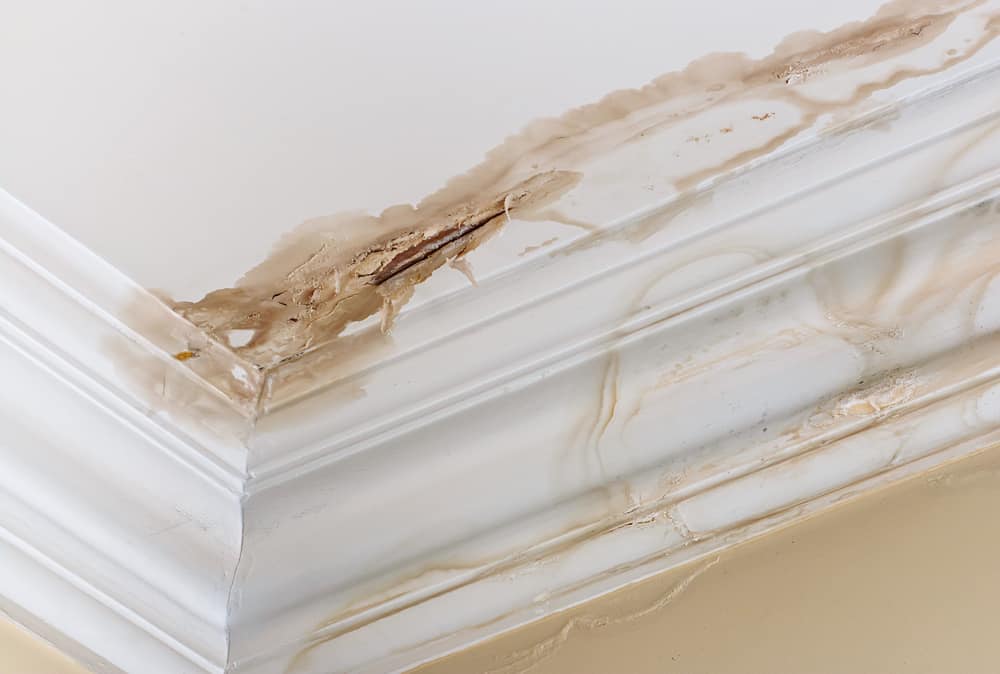
It starts with a thorough inspection — and not just a visual walkthrough. Our process includes boroscopic wall cavity examination to find mold growing inside walls without tearing them open, air sampling, surface swab sampling, non-invasive moisture measurement, and identification of exactly where water is getting in. In Bay Park, that last step is critical. Treating mold without finding the entry point is like mopping up a leak without turning off the faucet. Canal-adjacent homes, properties near the Grand Canal, and any house with a crawl space sitting close to the water table need that source identified before remediation begins — otherwise the mold comes back.
Once the inspection is complete, you’ll know exactly what you’re dealing with. Under New York State law, the company performing your mold testing cannot be the same company performing your remediation — it’s a consumer protection law most homeowners aren’t aware of. We’re fully licensed on both sides and will walk you through how that process works so nothing falls through the cracks.
Remediation itself includes containment, HEPA filtration, removal of affected materials, and treatment of impacted surfaces. After the work is done, post-remediation clearance testing goes to an independent lab with chain-of-custody documentation. Results come back in 2–3 business days. You get a written lab report — not a verbal assurance — confirming your home meets clean air quality standards. That document matters for insurance claims, real estate transactions, and your own peace of mind.
Ready to get started?
Most mold companies remove what they can see and hand you a bill. The problem in Bay Park is that the most damaging mold is usually what you can’t see — growing inside wall cavities in post-war Cape Cods, under the floor joists of crawl spaces that flooded during Sandy, or in attic sheathing where warm interior air meets cold roof decking every winter. We handle the full scope: water extraction, structural drying, dehumidification, mold remediation, and post-remediation clearance testing. One company, one process, no gap between the water damage work and the mold removal work.
For Nassau County homeowners in FEMA flood zones — which covers a significant portion of Bay Park — mold remediation that involves structural repairs like drywall removal or framing replacement may require permits through the Town of Hempstead or Nassau County Building Department. We’re familiar with those requirements and can help you navigate what’s needed based on the scope of the job.
If you’re filing a claim through homeowners insurance, flood insurance, or NFIP coverage, the chain-of-custody lab documentation from your inspection and post-remediation clearance testing is exactly what adjusters need to process the claim. We also offer a deductible coverage program of up to $500 for clients dealing with water, fire, or mold-related disasters — a direct offset on your out-of-pocket costs that no other mold remediation company serving Bay Park currently offers.
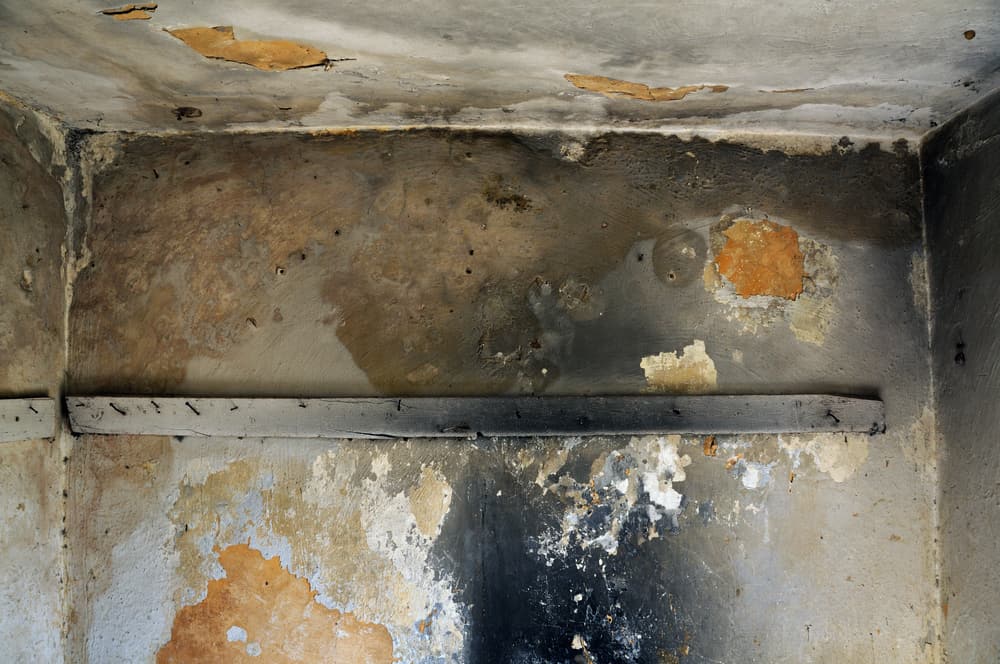
Mold can begin growing within 24 to 48 hours of water intrusion — and in Bay Park, where crawl spaces sit close to the water table and canal flooding can push water in faster than a sump pump can keep up, that window closes quickly. The combination of organic building materials, trapped moisture, and the elevated ambient humidity that comes with living in a canal-adjacent coastal community creates near-ideal conditions for mold to establish itself before you’ve even finished cleaning up the standing water.
This is why emergency response time matters so much in this community specifically. Getting water extracted and structural drying started within the first 24 hours dramatically reduces the likelihood of mold growth and the scope of what remediation will cost. If flooding has already occurred and more than 48 hours have passed, assume mold may be present and get an inspection scheduled rather than waiting to see visible signs — by the time you can see it, it’s already been growing for a while.
In New York State, the same licensed company is legally prohibited from performing both mold testing and mold remediation on the same property. This is a consumer protection law designed to prevent conflicts of interest — if the company testing your home is also the one getting paid to remove the mold, there’s an obvious incentive to find more than actually exists. Most homeowners in Bay Park and across Nassau County don’t know this law exists, which means some contractors exploit that gap.
What this means practically is that you’ll work with one licensed entity for your inspection and a separate licensed entity for the remediation. We hold the NYS Department of Labor licenses required for remediation and operate in full compliance with this law. We’ll explain the process clearly upfront so you understand who does what and why — no surprises, no pressure, no upselling on the back of a test result we controlled.
It depends on the location and extent of the mold, and the honest answer is that it varies job to job. For smaller, contained areas — a bathroom, a section of basement wall — staying in the home is often possible as long as the affected area is properly sealed off and negative air pressure containment is in place to prevent spores from spreading to other parts of the house. For larger remediation jobs involving multiple rooms, crawl spaces, or HVAC systems, temporary relocation is usually the safer and more practical option.
In Bay Park specifically, older post-war homes with open floor plans and crawl spaces that connect to interior living areas can make containment more complex than in a newer build. If the mold is related to sewage intrusion — which is a documented scenario in homes near the Bay Park Sewage Treatment Plant following storm events — the biohazard classification of the contamination may make temporary relocation the right call regardless of scope. Your inspection results and the remediation plan will give you a clear picture of what’s appropriate for your specific situation.
It depends on what caused the mold, and this is where documentation becomes everything. Standard homeowners insurance typically covers mold that results from a sudden, accidental event — a burst pipe, an appliance failure, a roof leak from storm damage. It generally does not cover mold that developed from long-term moisture problems or lack of maintenance. Flood insurance through the National Flood Insurance Program (NFIP) covers direct flood damage, but mold coverage under NFIP policies can be limited and is tied specifically to the flood event itself.
For Bay Park homeowners who experience mold following a storm surge or canal flooding event, the key is having proper documentation from the start: photos of the water intrusion, a professional inspection report with chain-of-custody lab results, and a clear remediation scope. Our inspection process generates exactly that documentation — the kind adjusters need to process claims efficiently. The deductible coverage program of up to $500 is also available to help offset your out-of-pocket costs if you’re navigating an insurance claim.
Mold removal cost varies significantly based on the size of the affected area, the type of mold present, and how far into the structure it has spread. For a small, contained area like a bathroom or a section of basement wall, you might be looking at $1,000 to $3,000. For larger jobs involving crawl spaces, wall cavity removal, or structural materials that need to come out — which is common in Bay Park’s older Cape Cod and split-level housing stock after significant water intrusion — costs can range from $5,000 to $15,000 or more.
The single biggest cost driver is how long the moisture has been present before remediation starts. A mold problem caught within the first week of water intrusion is a fundamentally different job than one discovered six months later during a home sale inspection. Getting an inspection scheduled quickly after any flooding event is the most effective way to keep the scope — and the cost — manageable. We provide a clear assessment of what’s involved before any work begins, so you know what you’re looking at before you commit.
The first 24 to 48 hours after flooding are the most important window you have. Start by removing standing water as quickly as possible — a wet/dry vac for smaller amounts, or a professional extraction service for anything significant. Open windows and doors if outdoor humidity is lower than indoor humidity, and run fans and dehumidifiers to begin moving moisture out of the structure. Remove soaked rugs, furniture, and porous materials that can’t be thoroughly dried — these become mold food fast.
What you should not do is assume the structure is dry just because the visible water is gone. In Bay Park’s older homes, moisture wicks into crawl space framing, subfloor materials, and wall cavities faster than surface drying can address. Canal flooding also carries sediment and organic matter that accelerates mold growth beyond what clean water intrusion would cause. Getting a professional moisture assessment done within the first day or two — even before mold is visible — is the most effective thing you can do to prevent a manageable water damage situation from becoming a full remediation job.
Useful Links
Other Services we provide in Bay Park