
Mold Removal in Hewlett, NY
South Shore Homes Hide Mold Where You Can't See It
Hear from Our Customers
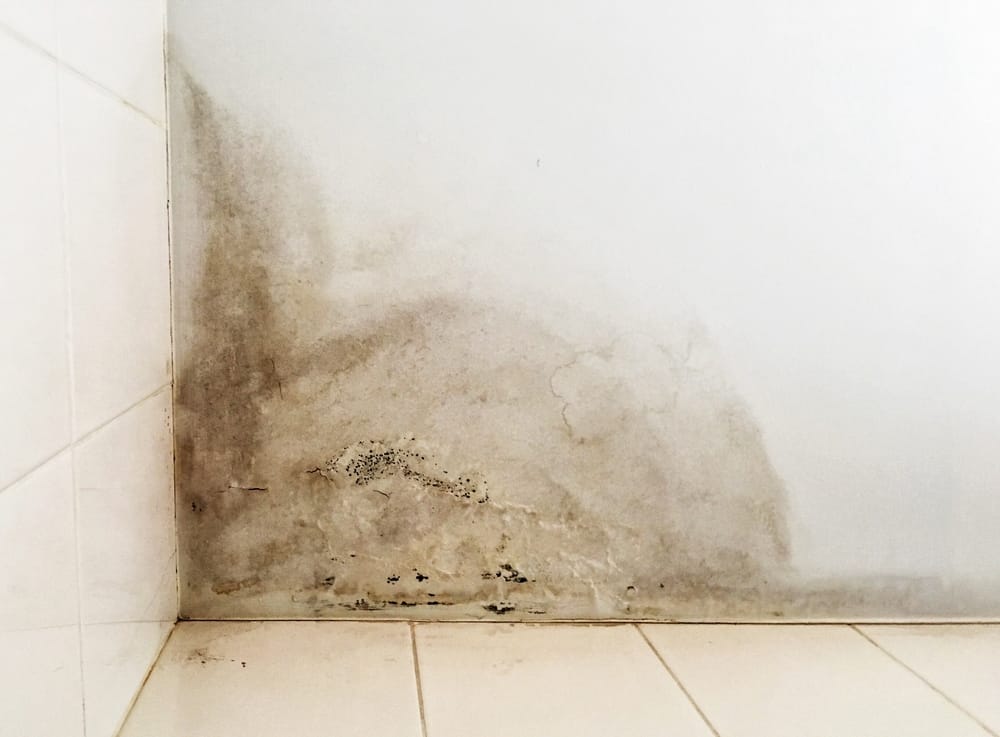
Basement Mold Removal in Nassau County
Most Hewlett homeowners don’t find mold because something went obviously wrong. They find it during a bathroom renovation, a basement finishing project, or a home inspection before a sale and suddenly what looked like a minor issue turns into a conversation about remediation costs, delayed closings, and health concerns they didn’t know they had. That’s the reality of living in a home built in the 1940s or 1950s on the South Shore of Nassau County, where the water table is naturally high, basements are chronically damp, and decades-old plumbing doesn’t always announce a slow leak before the damage is done.
When mold is fully removed and the moisture source is corrected, the difference is measurable. The musty smell that you’d gotten used to is gone. Your HVAC system isn’t circulating spores through the house. Your kids aren’t dealing with respiratory symptoms that nobody could explain. And if you’re thinking about selling, you’re not staring down a 20% to 37% drop in resale value a real number in a market where Hewlett homes routinely list at or above $778,000.
The other thing that changes is certainty. You have lab-confirmed clearance documentation not a verbal assurance, not a handshake that tells you the job was done right. That matters to insurance adjusters, real estate attorneys, and buyers’ inspectors. It also just matters to you, because you live here.
Mold Removal Companies in Hewlett, NY
We’ve been working in Nassau and Suffolk County homes for over three decades. That means we were here before Sandy hit Hewlett and the Five Towns in 2012, and we’ve been in the homes along Hewlett Harbor and throughout the Hewlett-Woodmere area ever since dealing with the specific conditions that South Shore properties face, not conditions we read about somewhere.
Every technician who comes to your home is IICRC-certified. Not just the lead. Not just the owner. Every person on the crew because anything less isn’t a standard we’re willing to work under. We’re also fully licensed by New York State for both mold inspection and mold remediation, which matters more than most homeowners realize when they’re vetting companies.
We operate 24 hours a day, seven days a week, and we handle water damage restoration alongside mold remediation because in most Hewlett homes, one caused the other. Fixing the mold without fixing the moisture source just means you’ll be making this call again.
Professional Mold Removal Services in Hewlett
It starts with a thorough inspection and thorough means more than a visual walkthrough. Our 5-point inspection protocol includes boroscopic wall cavity examination, non-invasive moisture level measurement, and air and surface sampling. In Hewlett’s older housing stock, where original plumbing, aging insulation, and pre-modern ventilation are the norm, the mold you can see is rarely the whole picture. We look inside the walls before we make any recommendations.
Samples go to the lab under chain-of-custody documentation the same standard used for insurance claims and legal proceedings. Results come back in two to three business days. From there, you get a clear scope of work with no pressure and no vague estimates. One thing worth knowing: New York State law prohibits the same company from performing both the mold assessment and the remediation on the same property. We’ll walk you through how that works and what it means for your job, because most homeowners have never heard of this requirement and some companies quietly ignore it.
Once remediation begins, we contain the affected area, remove the mold, treat surfaces with antifungal agents, and address any water damage or moisture intrusion that created the problem in the first place. After the work is done, post-remediation clearance testing confirms the results. You get documented proof not just our word for it.
Ready to get started?
Residential and Commercial Mold Remediation in Hewlett
Hewlett isn’t a generic mold market. The combination of South Shore coastal humidity, a shallow water table, post-Sandy moisture intrusion in homes that weren’t fully remediated, and a housing stock where most of the inventory is 60 to 80 years old creates a mold risk profile that’s specific to this area. Our services reflect that from attic mold removal driven by inadequate ventilation in older rooflines, to basement mold removal in homes where groundwater pushes through original concrete block foundations, to crawl space mold remediation in properties that have never had a modern vapor barrier installed.
We handle toxic and black mold cleanup, bathroom mold removal, and full mold mitigation services for both residential and commercial properties throughout Hewlett and the broader Five Towns area. If your property along Broadway or in Hewlett Harbor took on water during Sandy or any nor’easter since, and it was never cleared by a certified professional, there’s a real possibility that hidden mold is still present in wall cavities or under flooring. Our inspection process is specifically designed to find it.
We also offer up to $500 toward your insurance deductible something we’re aware no other mold remediation company in Nassau County currently offers. It’s a straightforward way to reduce your out-of-pocket cost when you’re already navigating an insurance claim.
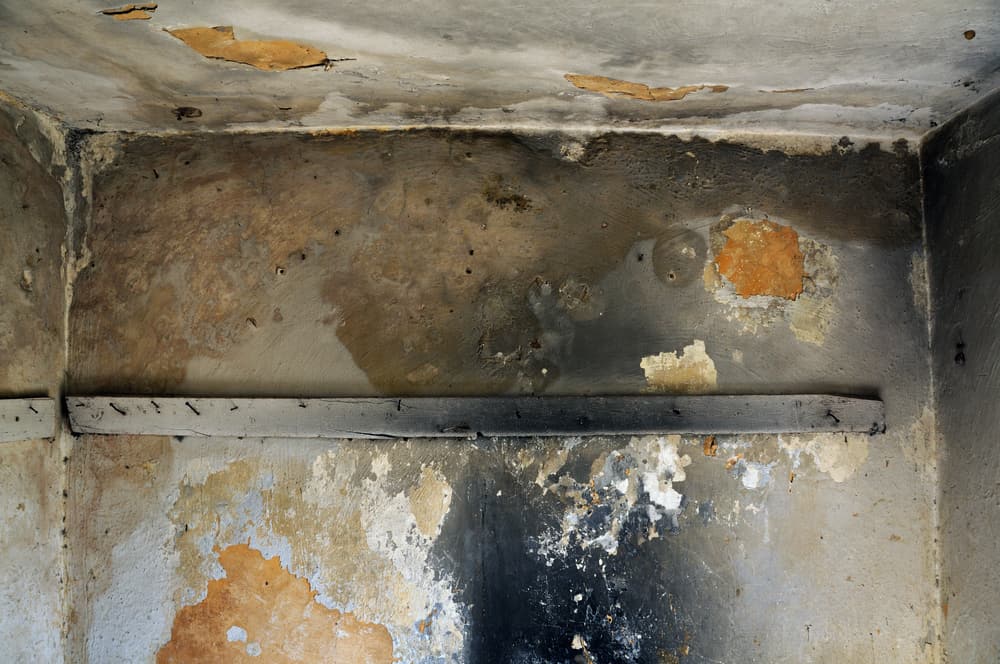
Why do so many Hewlett homes have mold problems in the basement?
Hewlett sits on the South Shore of Nassau County, where the water table is naturally shallow and sensitive to tidal and storm influences. That means basement moisture in Hewlett isn’t just a rainy-season problem it’s a baseline condition that exists year-round, regardless of whether there’s been a major weather event. Groundwater can push through original concrete block or poured concrete foundations even during dry stretches, especially in homes built before modern waterproofing membranes were standard.
Add to that the fact that most of Hewlett’s residential housing was built between the 1940s and 1960s an era when vapor barriers, proper drainage systems, and basement ventilation weren’t part of the construction conversation and you have a consistent set of conditions that make basement mold removal one of the most common services we perform in this area. If your basement has a musty smell, visible discoloration on walls, or a history of any water intrusion at all, it’s worth having it inspected before the problem gets larger and more expensive to address.
How much does mold removal cost in Hewlett, NY?
The honest answer is that cost depends heavily on the size of the affected area, where the mold is located, and whether water damage remediation is also needed. Nationally, mold remediation averages around $2,300 but in a Nassau County market like Hewlett, where labor costs and property complexity are above average, jobs frequently run higher depending on scope. A small bathroom mold removal is a very different job than a full basement remediation or an attic mold removal in a home with decades of inadequate ventilation.
What we can tell you is that every job starts with a proper inspection and a written scope of work, so you know exactly what you’re paying for before anything begins. We also offer up to $500 toward your insurance deductible, which can meaningfully reduce your out-of-pocket cost if the mold is tied to a covered event like storm damage or a burst pipe. The bigger cost to think about is what unaddressed mold does to a Hewlett home’s resale value a documented mold problem can reduce a home’s value by 20% to 37%, which in this market represents a significant financial loss.
Can the same company do both the mold inspection and the mold removal in New York?
No and this is something a lot of Hewlett homeowners don’t know until they’re already in the middle of hiring someone. New York State law specifically prohibits a single licensed company from performing both the mold assessment and the mold remediation on the same property. This is a consumer protection provision designed to prevent conflicts of interest, and it applies to any mold job involving 10 square feet or more of affected area.
What this means practically is that if a company offers to handle your inspection and your remediation in one package without explaining how they’re legally separating those functions, they may be operating outside of state licensing requirements. When you’re vetting mold removal companies in Hewlett or anywhere in Nassau County, ask directly about their NY State Department of Labor mold license both for assessment and remediation and ask how they handle the required separation between those two functions. We’ll walk you through this clearly when you call, because it affects how your job gets structured from the start.
My Hewlett home flooded during Sandy should I be worried about mold over ten years later?
Yes, and it’s a legitimate concern that we still encounter regularly in Five Towns homes. Hurricane Sandy caused widespread flooding throughout Hewlett and the surrounding area in October 2012, and not every home that took on water was fully and professionally remediated afterward. Mold that wasn’t completely eliminated can persist for years sometimes more than a decade inside wall cavities, beneath original flooring, and within insulation that absorbed moisture and was never properly dried or replaced.
The reason it often goes undetected for so long is that it’s hidden. Surface mold is visible. Mold inside a wall cavity or under a subfloor isn’t until a renovation, a home inspection, or a health symptom finally prompts someone to look more closely. If your Hewlett home experienced any flooding during Sandy and was not cleared by a certified professional with post-remediation lab testing, an inspection is worth doing. Our boroscopic wall cavity examination and air sampling protocol is specifically designed to detect mold that a visual walkthrough would miss entirely.
What causes attic mold in older Hewlett homes, and is it common?
Attic mold is extremely common in Hewlett’s older housing stock, and the cause is almost always the same: inadequate ventilation. Homes built in the 1940s through 1960s which describes most of Hewlett’s residential inventory were constructed before modern attic ventilation standards existed. During the winter months, warm air from the heated living space rises and meets the cold roof sheathing, creating condensation. Over time, that repeated moisture cycle creates ideal conditions for mold growth on the underside of the roof deck and along the rafters.
The tricky part is that attic mold is often discovered only when something else prompts someone to look an ice dam, a roof repair, or an energy audit. By that point, it’s frequently been developing for years. Safe mold removal in an attic requires proper containment, HEPA filtration, antifungal treatment, and a clear plan to address the ventilation issue that caused it otherwise the mold returns within a season or two. This is one of the more common jobs we handle in Hewlett, and it’s one where the inspection matters as much as the remediation itself.
Does homeowners insurance cover mold removal in Hewlett, NY?
It depends on what caused the mold, and the answer varies by policy. Most standard homeowners insurance policies in New York will cover mold remediation if the mold resulted directly from a covered peril a burst pipe, storm-driven water intrusion, or an appliance leak, for example. If the mold developed from long-term neglect, gradual seepage, or a maintenance issue you were aware of, coverage is typically denied. The distinction matters, and it’s worth reviewing your policy language carefully before assuming either way.
For Hewlett homeowners, this question comes up often in the context of storm damage nor’easters, coastal flooding, and residual Sandy-related issues have generated a significant number of insurance claims in this area over the years. Our inspection documentation is produced under chain-of-custody standards that meet insurance claim requirements, which means the paperwork we generate can support your claim directly. We also offer up to $500 toward your deductible as part of our standard service, which helps offset the out-of-pocket portion even when your policy does cover the job. If you’re unsure about your coverage, we can help you understand what documentation your adjuster will need.
Useful Links
Other Services we provide in Hewlett