
Hear from Our Customers
The air feels different. Not in a vague way — in the way where you stop noticing a smell you’d gotten used to, or your kid stops waking up with a stuffy nose every morning. That’s what proper mold remediation actually delivers, and it’s not dramatic. It’s just your home working the way it should.
In Sea Cliff, that outcome takes more work than it does in a newer suburb. The pre-1940 homes throughout this village — rubble stone foundations, original plaster walls, complex Victorian rooflines — were not built with moisture control in mind. They were built to breathe, which means moisture gets in, sits, and feeds mold colonies inside wall cavities and under flooring where no one thinks to look. Getting to a clean result here means going deeper than a surface wipe-down.
It also means addressing what caused the problem. If water is getting into your basement through a foundation wall — which is extremely common in Sea Cliff’s older housing stock — removing visible mold without fixing the moisture source just resets the clock. The right outcome isn’t just “mold removed.” It’s mold removed, moisture source identified, and your home documented as clear by an independent lab. That’s what actually protects the value of what you own here.
We’ve been handling mold, water damage, and restoration work across Nassau and Suffolk Counties for over three decades. That’s not a number we throw out to sound impressive — it means we’ve worked inside the kind of homes that define Sea Cliff. Old foundations. Original plaster. Tight wall cavities. Attics with geometry that makes no sense until you’ve been in a few hundred of them.
We’re IICRC-certified across every technician — not just management, not just on paper. We’re also NYS licensed for both mold inspection and mold remediation, which matters because New York State requires those to be separate. We keep them separate. We document everything with chain-of-custody lab reports that hold up to insurance adjusters, real estate attorneys, and anyone else who needs to see proof.
If you’re in Sea Cliff, Glen Head, Glenwood Landing, or anywhere along the North Shore, you’re in our service area. We answer at (516) 541-0500, and we’re available around the clock — because mold doesn’t wait for business hours, and neither do we.
It starts with a thorough inspection. We use a 5-point protocol that goes well beyond walking around with a flashlight. That includes boroscopic wall cavity examination — a camera that looks inside your walls without tearing them open. In a Sea Cliff Victorian with original plaster and horsehair insulation, that’s not optional. That’s how we find mold that a visual inspection would miss entirely.
From there, we collect air samples and surface swabs and send them to an independent lab. Results come back within 2 to 3 business days with full documentation. If mold is confirmed, we build a remediation scope around what the lab found — not a generic package. New York State law prohibits the same licensed company from performing both the assessment and the remediation on the same property, so we’re transparent about how that works and how we stay compliant.
Remediation itself is contained, documented, and thorough. We address the mold and the moisture source — water damage, drying, dehumidification — because one without the other doesn’t solve the problem. When the work is done, we conduct post-remediation clearance testing. An independent lab confirms the results. You get a written report. That’s how the job closes.
Ready to get started?
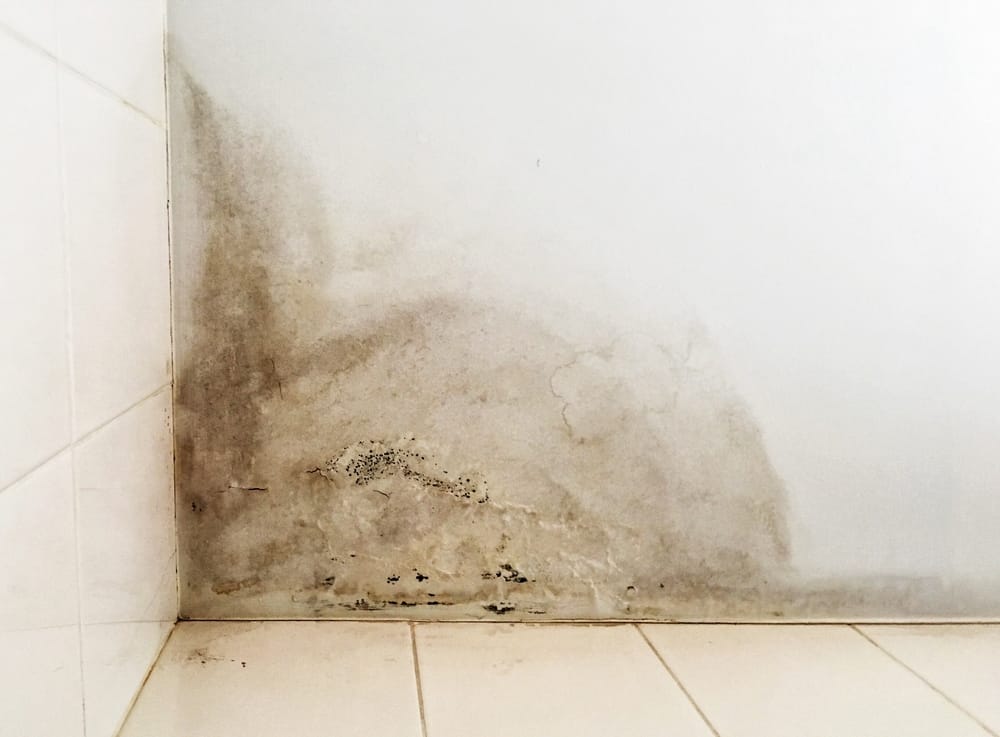
Mold removal in Sea Cliff isn’t one-size-fits-all, and we don’t treat it that way. The services we provide cover the full range of where mold actually lives in these homes: basements and crawl spaces with chronic moisture coming through pre-war foundations, attics with poor ventilation behind complex Victorian rooflines, bathrooms with aging tile and original plumbing, and wall cavities that haven’t seen daylight since the house was built. We handle toxic and black mold cleanup, attic mold removal, basement mold removal, crawl space mold remediation, and bathroom mold treatment — along with the water removal, structural drying, and dehumidification that stops the problem from coming back.
Because we’re a full-service restoration company, we don’t hand you off to a separate contractor for the water damage side. That’s one of the more practical differences between us and mold-only providers in the Nassau County market — you’re not coordinating two companies, two schedules, and two sets of paperwork.
We also offer up to $500 toward your insurance deductible on qualifying mold and water damage claims. If Shore Road flooding or a nor’easter pushed water into your home and you’re navigating an insurance claim, that program exists to reduce your out-of-pocket burden while we handle the documentation.
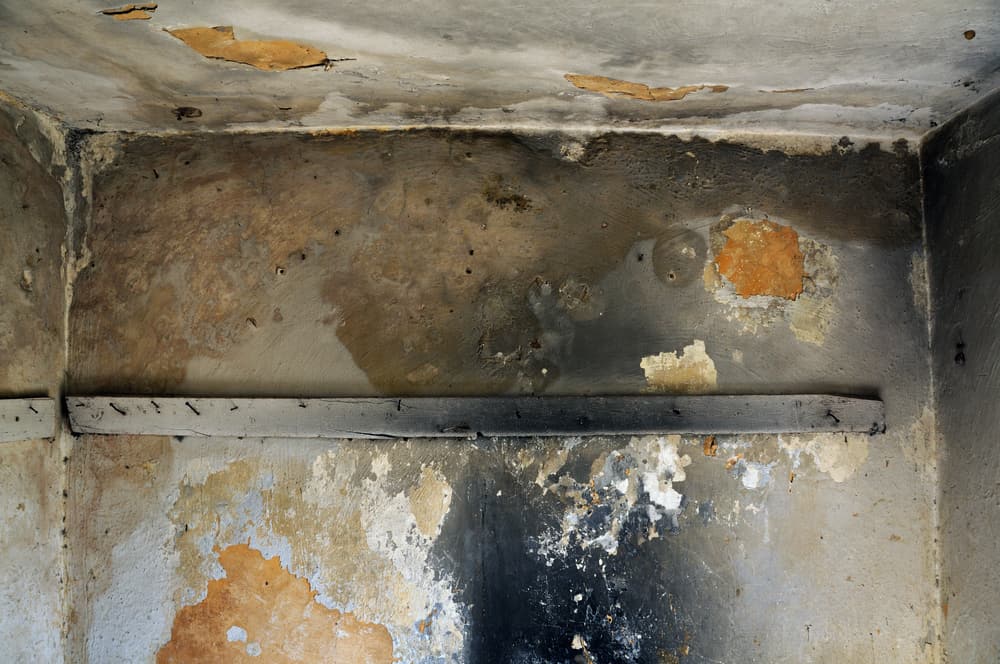
It affects it significantly. The majority of homes in Sea Cliff were built before 1940, and those homes were constructed with materials and methods that predate modern moisture barriers entirely. Rubble stone and early poured concrete foundations are porous by design — they were built to allow minor seepage rather than resist moisture. Original plaster walls, horsehair insulation, and complex Victorian framing create dozens of hidden cavities where mold can grow undetected for years. That means a standard visual inspection is genuinely not enough here.
The process in a Sea Cliff home typically requires boroscopic wall examination to look inside cavities without destructive access, air sampling to capture airborne spore counts, and surface swabs in areas of suspected growth. The remediation scope also tends to be more involved than in a newer home, because getting clean results in a pre-war structure means being thorough about containment, removal, and post-remediation verification. If your home has original construction, expect the inspection to take more time — and expect the findings to be more detailed.
The honest answer is that it depends on scope, and scope in Sea Cliff can vary widely given the age and complexity of the housing stock here. Nationally, the average mold remediation cost runs around $2,300, with a typical range of $373 to $7,000. Per square foot, professional mold removal generally runs $10 to $25 — and in attics, basements, and crawl spaces, that rises to $15 to $30 per square foot because of the access difficulty and containment requirements.
In Sea Cliff specifically, the pre-war construction and chronic moisture conditions in many homes mean the scope is often on the higher end of that range, particularly when the moisture source also needs to be addressed. What you want to avoid is paying for mold removal without fixing what caused it — that just means paying again in six months. We provide a written scope of work before anything starts, and we document everything for insurance purposes. If you have a qualifying claim, our deductible coverage program can offset up to $500 of your out-of-pocket costs.
Yes — and in Sea Cliff’s Victorian homes, that’s one of the more common scenarios we encounter. Mold doesn’t need to be visible to be present. It needs moisture, an organic surface to feed on, and a temperature range it can tolerate. Inside wall cavities with original wood framing, behind original plaster, and under flooring in older basements, all three of those conditions exist without anything being visible from the surface. The smell is often the first sign, but even that isn’t reliable — some mold species produce minimal odor while still affecting air quality.
This is exactly why a boroscopic wall cavity examination is part of our standard inspection protocol for Sea Cliff properties. We can insert a camera into a wall cavity without opening the wall, and see what’s actually there. Combined with air sampling — which captures airborne spore counts regardless of whether mold is visible — you get a complete picture of what’s in your home. If the lab results come back clean, you know. If they don’t, you know that too, and you have documentation to act on.
It depends on the cause and how your policy is written, but flooding-related mold is one of the more common insurance scenarios we work through with homeowners in this area. Shore Road through Sea Cliff has a well-documented history of major flooding, and nor’easter-driven surge into Hempstead Harbor affects properties in the lower sections of the village regularly. When water intrusion is tied to a covered event — like storm damage — mold remediation is often part of the claim.
The key is documentation. Insurance adjusters need chain-of-custody lab reports, photographic evidence, and a clear written scope of work to process a mold claim. We provide all of that as a standard part of our process, and our documentation meets legal evidence standards — which matters if a claim gets disputed. We also offer up to $500 toward your deductible on qualifying claims, which reduces your out-of-pocket exposure while we handle the remediation and paperwork. If you’re unsure whether your situation qualifies, call us and we’ll walk through it with you before you commit to anything.
For most residential mold remediation jobs, the active work takes anywhere from one to five days depending on the size of the affected area and the complexity of the remediation scope. In Sea Cliff, the timeline can run longer than in a newer home because of the construction type — working carefully inside a Victorian with original plaster and historic materials takes more time than cutting through modern drywall. If the Village’s Landmarks Preservation Commission has jurisdiction over any exterior or structural elements of your property, that’s also a factor worth discussing upfront.
After the active remediation is complete, post-remediation clearance testing adds another two to three business days for lab results to come back. We don’t call the job done until the lab confirms it — so the total timeline from inspection to clearance report typically runs one to two weeks for most projects. We’ll give you a realistic timeline before work starts so you can plan accordingly, including whether you need to be out of the home during any phase of the process.
It depends on where the mold is and how extensive the remediation needs to be. For smaller, contained jobs — bathroom mold removal or a limited section of a basement, for example — many homeowners stay in the home with certain precautions in place. For larger jobs involving significant mold growth in wall cavities, attic spaces, or crawl spaces, temporary relocation during the active remediation phase is often the safer and more practical choice, particularly for households with young children, elderly residents, or anyone with asthma or respiratory sensitivities.
In Sea Cliff, the link between older homes and indoor air quality is real. Homes built before 1940 with chronic moisture conditions can have elevated spore counts throughout the living space — not just in the area where visible mold was found. We assess this during the inspection phase and give you a straightforward recommendation based on what the air sampling shows. If relocation is advisable, we’ll tell you that clearly before work begins, not after. The goal is to make sure your home is genuinely safe when you’re back in it — and the post-remediation clearance report is how we confirm that for you.
Useful Links
Other Services we provide in Sea Cliff