
Hear from Our Customers
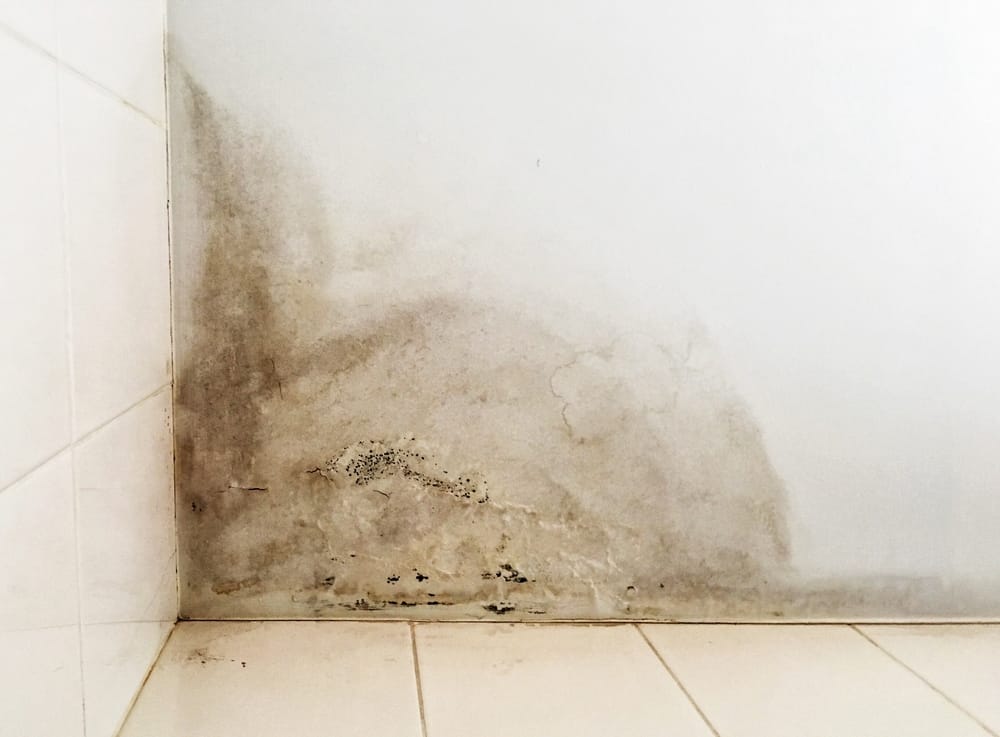
Most mold problems in Stewart Manor don’t start with a flood. They start with a slow leak behind a bathroom wall that went unnoticed for six months, or an attic space that never had proper ventilation when the house was built in the 1930s. By the time you smell it, it’s already been growing. The good news is that a thorough remediation — done right the first time — doesn’t just remove what’s visible. It addresses the moisture source, clears the air, and gives you lab-confirmed documentation that the problem is actually gone.
That matters more in Stewart Manor than people realize. With median home values in the village approaching $800,000 to over $1,000,000, a mold problem that goes unresolved — or gets treated on the surface without fixing the root cause — can cost you far more than the remediation itself. Research consistently shows that known mold issues can reduce a home’s resale value by 20 to 37 percent, and roughly half of interested buyers walk away the moment they find out. That’s not a small risk in a market where homes regularly sell above $900,000.
Long Island’s coastal humidity also works against you faster than most homeowners expect. In a drier inland climate, mold might take 48 to 72 hours to take hold after water intrusion. Here in Nassau County, that window can compress to 36 hours or less. Every day you wait is more surface area, more spores, and a bigger job. Getting ahead of it — with a company that handles both the mold and the underlying water damage — is the only approach that actually holds.
We’ve been handling mold removal and water damage restoration across Long Island since the early 1990s. That’s three decades of working inside the exact type of pre-war Colonials, Cape Cods, and Tudor-style homes that line the streets off Covert Avenue in Stewart Manor — homes with original plaster walls, older foundation systems, and attic spaces that were never designed with modern moisture control in mind.
Every technician who enters your home is IICRC-certified — not just the crew lead, not just the estimator, but everyone doing the actual work. We’re fully licensed under New York State’s Article 32 mold program and hold the Nassau County Environmental Hazard Remediation Provider license — both of which are legal requirements for mold contractors operating in this county. A lot of companies skip one or both. We don’t.
And because water damage is almost always what causes mold in the first place, we handle both sides of the problem under one call. You don’t need to coordinate two separate contractors or wonder if the remediation company actually fixed what caused it.
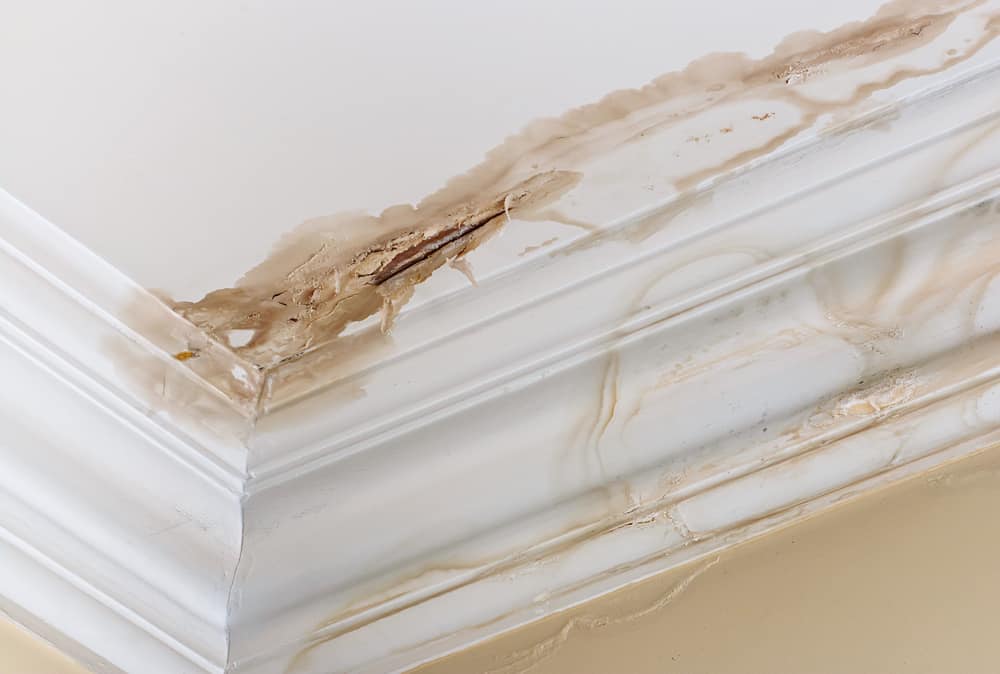
It starts with a thorough mold inspection — not a quick walkthrough, but a five-point process that includes boroscopic examination of wall cavities, air sampling, surface swab sampling, moisture measurement, and identification of the water intrusion point that’s feeding the problem. In older Stewart Manor homes, that source is often hidden: a slow pipe leak inside a wall, inadequate attic ventilation above a Cape Cod roofline, or a basement foundation that’s been seeping quietly for years. Every sample collected goes to an independent lab with a chain-of-custody document, and you receive your results within two to three business days.
From there, remediation is scoped based on what the lab actually confirms — not what someone eyeballed from across the room. Containment is set up to prevent cross-contamination during the removal process, affected materials are treated or removed depending on the extent of the damage, and the moisture source is addressed so the mold doesn’t come back in six months. Under New York State’s Article 32 law, the same company that does the remediation cannot legally perform the post-remediation assessment — so a separately licensed assessor handles clearance testing after the work is complete.
That clearance test is not optional, and it’s not a formality. It’s a lab-confirmed document that tells you — and anyone else who needs to know, including an insurance adjuster or a future buyer — that your home has been properly remediated. That’s the standard we hold ourselves to on every job in Stewart Manor, NY.
Ready to get started?
Mold removal in Stewart Manor, NY covers more ground than most homeowners expect going in. The inspection alone involves five distinct evaluation points — wall cavity examination, air quality sampling, surface swabs, moisture readings, and water source identification. Because Stewart Manor’s housing stock dates almost entirely to the 1920s and 1930s, the inspection process accounts for the specific vulnerabilities of that era: original plumbing systems prone to slow leaks, attic spaces in Cape Cod-style homes where exhaust fans were historically vented into the attic rather than outside, and basement foundations built without the moisture barriers required by modern code.
Remediation covers all affected areas — attic mold removal, basement mold removal, crawl space mold removal, bathroom mold removal, and any other area where the lab results confirm active growth. Containment protocols are followed throughout to keep spores from spreading to unaffected parts of your home during the process. Where water damage is the underlying cause, we handle the drying, dehumidification, and restoration work as well — which is how you avoid the cycle of treating mold that keeps coming back because the moisture source was never fixed.
For jobs that involve a homeowner’s insurance claim, we also offer up to $500 toward your out-of-pocket deductible — something no other mold removal company identified in the Stewart Manor market currently offers. The chain-of-custody lab documentation included with every inspection meets legal evidence standards, which matters for insurance claims, real estate disclosures, and peace of mind.
Yes — and in Nassau County, that means two separate licenses, not one. New York State’s Article 32 law, which has been in effect since January 1, 2016, requires that all mold assessment and remediation work be performed by contractors licensed through the NYS Department of Labor. But Nassau County goes a step further: any company performing mold remediation here must also hold an Environmental Hazard Remediation Provider license issued at the county level. That’s a dual licensing requirement that’s specific to Nassau County and goes above what the state alone mandates.
There’s also an important consumer protection built into Article 32 that most homeowners don’t know about: the company that performs your mold assessment cannot legally be the same company that performs your remediation. The two must be done by separate licensed entities. This separation exists specifically to prevent contractors from inflating the scope of a problem to generate more remediation work. Any company in Stewart Manor offering to handle both the testing and the removal under one contract is operating outside state law.
Mold removal costs vary based on the size of the affected area, where the mold is located, and how far it’s spread by the time it’s discovered. Industry averages run roughly $10 to $25 per square foot for standard remediation, with attic, crawl space, and basement work often landing between $15 and $30 per square foot given the access and containment requirements. The average remediation job comes in around $2,300, though more involved cases — particularly in older Stewart Manor homes where moisture has been present for a long time — can reach $7,000 or more.
For Stewart Manor homeowners, the more relevant number is usually the cost of not acting. With home values in the village regularly exceeding $900,000, a mold issue that surfaces during a real estate transaction — or that gets treated superficially and returns — can cost far more than the remediation itself. We also offer up to $500 toward your insurance deductible on covered claims, which helps offset out-of-pocket costs when the damage qualifies. Getting an accurate scope from a licensed inspector is always the right first step before any cost conversation.
Faster than most people expect. The standard window often cited is 24 to 48 hours for mold to begin colonizing after water intrusion — but that assumes average humidity conditions. On Long Island, particularly during summer months, the coastal humidity between the Sound and the Atlantic can compress that timeline to 36 hours or less. A wet basement in a Stewart Manor home in July is not a problem you have a week to think about.
The other factor is what’s already in the walls. Older homes with original wood framing, plaster walls, and aging insulation provide an ideal substrate for mold growth once moisture finds its way in. If your basement has flooded before — even partially — there’s a reasonable chance mold has already established itself in places you can’t see from the surface. That’s why air sampling and wall cavity inspection matter as much as what’s visible. Surface treatment without knowing what’s behind the walls is how mold comes back three months later.
It comes down to two things: ventilation and exhaust routing. Cape Cod and Colonial-style homes — the dominant architectural types in Stewart Manor — were built in an era before modern attic ventilation standards existed. When warm, moist air from the living space rises and contacts the cold underside of the roof sheathing in winter, condensation forms. If the attic doesn’t have adequate airflow to move that moisture out, it accumulates on the wood and mold follows.
The second issue is exhaust fan routing. In many homes built in the 1920s and 1930s, bathroom and kitchen exhaust fans were vented directly into the attic space rather than through the roof to the exterior. That’s a code violation under modern construction standards, but it was common practice when these Stewart Manor homes were built. The result is a concentrated, recurring moisture source in an enclosed space — exactly the conditions mold needs. Attic mold in Stewart Manor often goes undetected for years because no one goes up there regularly. By the time it’s discovered, it’s usually a significant remediation project, not a minor spot treatment.
In most cases, yes — but it depends on where the mold is, how extensive it is, and how sensitive your household is to air quality disruption. When remediation is contained to a single area like an attic, crawl space, or a section of basement, proper containment barriers and negative air pressure systems can isolate the work zone well enough that the rest of the home remains livable throughout the process.
Where it gets more complicated is when the mold is in a central area of the home, when the volume of affected material is large, or when someone in the household has a respiratory condition, asthma, or a compromised immune system. In those situations, temporarily relocating during the active remediation phase is worth considering. This is something we’ll walk through with you during the inspection phase, based on what the actual scope looks like — not a blanket answer either way. The goal is always to minimize disruption while making sure the work is done safely and completely.
Stachybotrys chartarum — what most people call black mold — does appear in older Long Island homes, though it’s not the only mold type that warrants professional attention. It typically requires a sustained moisture source over a longer period to establish itself, which is why it tends to show up in areas with chronic water issues: basements with recurring seepage, bathroom walls with long-term plumbing leaks, or attic spaces where condensation has been building up season after season without anyone noticing.
In Stewart Manor specifically, the age of the housing stock creates the right conditions. Homes approaching 90 to 100 years old have had decades of potential moisture exposure — original plumbing that may have developed slow leaks, foundation systems without modern waterproofing, and attic spaces that predate current ventilation codes. Whether the mold in your home is black mold or another species, the remediation process is similar — but the health implications and the documentation requirements are serious either way. Lab analysis through a certified third-party laboratory is the only way to know exactly what you’re dealing with, which is why we include air and surface sampling as part of every inspection, not as an optional add-on.
Useful Links
Other Services we provide in Stewart Manor