
Mold Removal in Dix Hills, NY
When Your Million-Dollar Home Has a Hidden Mold Problem
Hear from Our Customers
Residential Mold Removal in Dix Hills
You stop second-guessing the air in your own home. No more wondering if that musty smell in the basement is something serious, or whether the dark spot behind the drywall is spreading while you’re at work. When mold removal is done right, you get your house backand you get peace of mind that doesn’t require you to keep checking.
For Dix Hills homeowners specifically, that matters more than it might in other communities. The rolling terrain, dense tree canopy, and aging housing stock here all work together to create moisture problems that are genuinely different from what you’d see in a flat South Shore neighborhood. Getting ahead of mold protects more than your health. With median home values in Dix Hills exceeding $1 million, a thorough, documented remediation also protects what you’ve built financially. Buyers’ attorneys and inspectors don’t miss mold. A clean clearance report does.
Mold Removal Companies in Dix Hills, NY
First Response Restoration and Cleaning Inc. has been working in Suffolk County for over three decades. That’s not a number we throw around to sound impressiveit’s the reason we understand how Long Island homes age, how they fail, and what it actually takes to fix them correctly the first time.
We’re based in West Babylon, right on the southern border of Dix Hills. We know these neighborhoodsfrom the hillside streets near Buttonwood and Wagonwheel to the larger estates in Strathmore. We’ve worked in homes throughout the Half Hollow Hills area, and we understand the specific moisture challenges that come with this terrain and this housing stock.
We’re IICRC-certified and fully licensed under New York State Article 32the state law that’s required all mold remediation contractors to be licensed since 2016. We’re also bonded, insured, and available around the clock. When something goes wrong at 11 p.m. on a Sunday, we answer.
Professional Mold Removal Services in Dix Hills
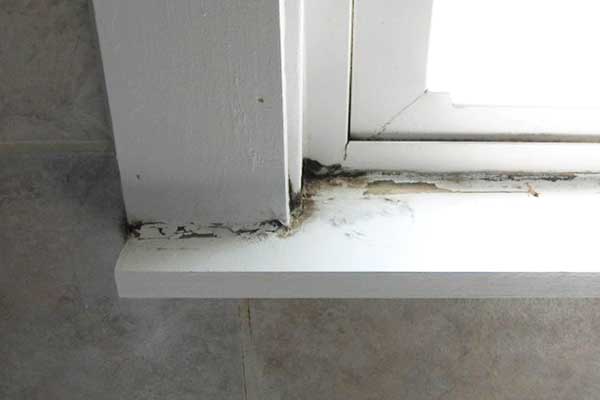
It starts with a thorough inspection. Before anything is touched, we identify where the mold is, where the moisture is coming from, and how far it’s spread. In Dix Hills homesespecially the larger colonials and estates with finished basements, expansive attics, and crawl spacesthis step matters more than most homeowners expect. Mold doesn’t always show itself. We use moisture mapping and air quality testing to find what isn’t visible.
Once we know the full scope, we contain the affected area. This is non-negotiable. Proper containment with negative air pressure and physical barriers keeps spores from traveling to clean areas of your home while work is underway. Then comes the physical removalnot a spray-and-walk-away treatment, but actual removal of affected materials, HEPA vacuuming of airborne spores, and treatment of the underlying surface.
Because New York State Article 32 requires that the same contractor cannot perform both the mold assessment and the remediation on the same project, we work within that frameworkcoordinating with a licensed assessor when needed so you stay fully compliant. After the work is done, post-remediation clearance testing confirms the job is complete. You get documentation you can hand to a buyer’s inspector, an insurance adjuster, or anyone else who needs to see proof.
Ready to get started?
Basement and Attic Mold Removal in Dix Hills
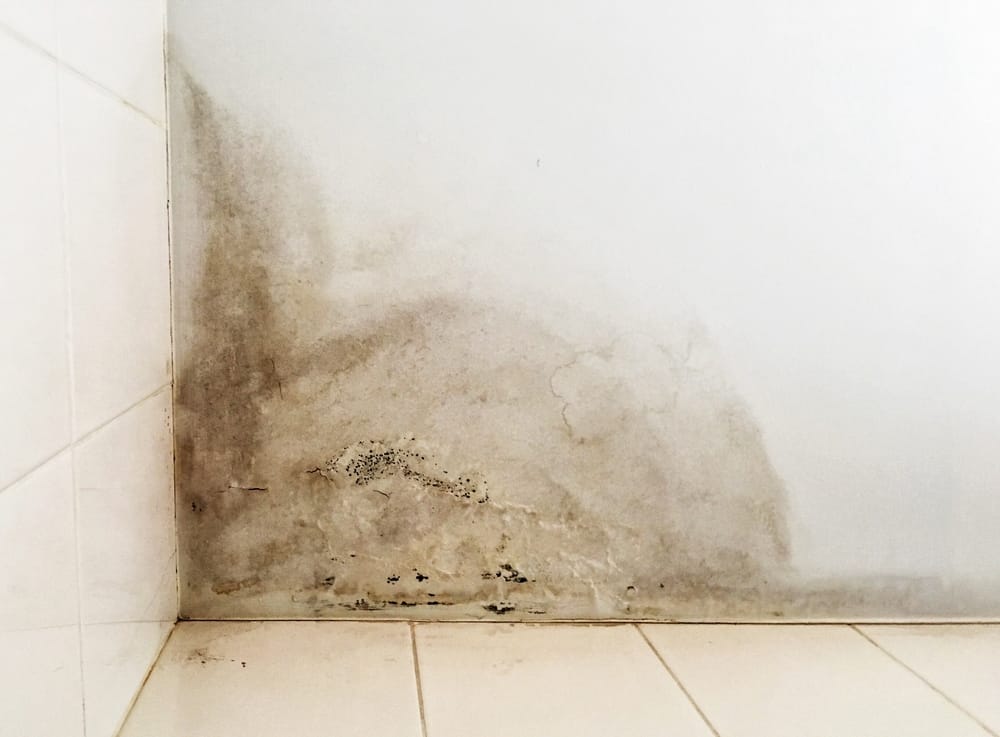
Basement mold removal in Dix Hills tends to look different than it does in flatter communities. The hillside topography and clay-heavy soils common throughout northeast and north central Dix Hills create hydrostatic pressure against foundation wallswater pushes in, moisture builds up, and mold follows. We address the source, not just the surface.
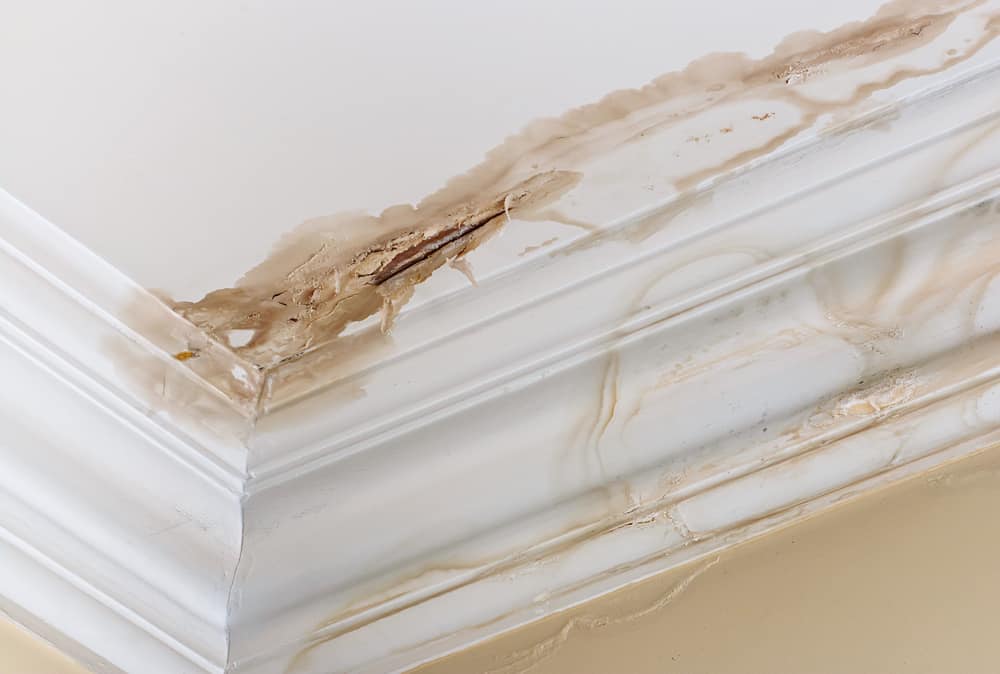
Attic mold removal in Dix Hills is its own category. The mature tree canopy that makes this hamlet so appealing also means gutters fill with debris season after season. Water backs up, gets under shingles, and reaches roof sheathingwhere mold can take hold within 72 hours. In a home with 2,000 or more square feet of attic space, a small leak becomes a large remediation project fast. We’ve seen it play out this way in homes throughout the Half Hollow Hills area, and we know how to handle it.
Beyond basements and attics, we handle crawl space mold removal, bathroom mold removal, and full-structure remediation when water damage has affected multiple areas at once. Because we’re a full-service restoration companynot just a mold-only specialistwe can manage water extraction, structural drying, dehumidification, and final cleaning under one roof. You’re not coordinating three different contractors. You’re making one call.
How much does mold removal cost in Dix Hills, NY?
The honest answer is that it depends on the size of the affected area and where the mold is located. For most residential jobs, mold remediation costs fall somewhere between $1,200 and $3,800. Larger projectslike attic remediation in a 4,000-plus square foot home, or a finished basement that’s had recurring moisture intrusioncan run higher, sometimes into the $5,000 to $15,000 range depending on the scope.
In Dix Hills specifically, the size and complexity of the homes here means that jobs tend to involve more square footage than in smaller communities nearby. A large colonial near Rolling Hills or an estate in Strathmore simply has more basement, attic, and crawl space to inspect and remediate than a smaller cape in another town. That said, the cost of doing nothing is always higher. A mold problem that’s caught early is significantly cheaper to address than one that’s been spreading behind finished walls for two years. We provide written estimates upfront, and what we quote is what you payno surprises at the end of the job.
Does homeowners insurance cover mold removal in New York?
It depends on how the mold got there. Most homeowners insurance policies in New York will cover mold remediation when it results directly from a covered eventa burst pipe, a roof leak after a storm, a sudden water intrusion. What they typically won’t cover is mold that developed slowly over time due to ongoing moisture issues or deferred maintenance.
For Dix Hills homeowners, this distinction matters because many mold events here follow water damage from nor’easters, spring flooding, or freeze-thaw pipe failuresall of which can qualify as covered events under a standard policy. The key is proper documentation from the start. We work directly with insurance carriers and provide the damage documentation that adjusters need to approve a claim. We’ve been doing this for over 30 years, and we understand what insurers require. If there’s coverage available, we’ll help you get it.
What's causing mold in my Dix Hills basement even without visible flooding?
This is one of the most common questions we hear from homeowners in Dix Hills, and the answer usually comes down to hydrostatic pressure. Dix Hills sits on rolling, clay-heavy terrainespecially in the hillier sections north of the Long Island Expressway, like Buttonwood and Wagonwheel. Clay soils don’t drain the way sandy South Shore soils do. Instead, water accumulates against your foundation wall and slowly pushes throughnot as a visible flood, but as consistent, low-level moisture that keeps your basement perpetually damp.
Over time, that moisture is enough to support mold growth on concrete block walls, wood framing, insulation, and stored materials. You may never see standing water, but the conditions are there. The fix isn’t just remediationit’s understanding the source. We identify where the moisture is entering and what’s driving it, so the remediation holds rather than needing to be repeated every few years.
Is attic mold common in Dix Hills, NY homes?
More common than most homeowners expect. Dix Hills is one of the more heavily wooded communities on Long Island, and that tree canopy creates a specific problem: gutters fill with leaf debris quickly, especially in fall, and when they overflow, water backs up toward the roofline. In homes with complex rooflineswhich describes a large portion of the housing stock here, particularly the larger colonials and custom-built estatesthere are more valleys, penetrations, and vulnerable points where water can find its way under shingles and into the attic space.
Once moisture reaches your roof sheathing, mold can begin growing within 72 hours. The problem is that attic mold often goes undetected for months or years because most homeowners don’t inspect their attic regularly. By the time a ceiling stain appears on the floor below, the mold colony is usually well established. If your home was built before 1980 and you haven’t had an attic inspection recently, it’s worth having oneespecially if your gutters have been overflowing or you’ve had any roofing work done in the past few years.
How do I know if I need mold testing before or after remediation in New York?
Under New York State Article 32the law that’s governed mold remediation licensing since 2016the contractor performing the assessment cannot be the same contractor performing the remediation. This is a conflict-of-interest rule built into state law, and it applies to every job in Suffolk County, including Dix Hills.
What that means practically is that if you’re starting with a mold inspection, that inspection needs to be conducted by a licensed assessor. We can help coordinate that process. Post-remediation clearance testingwhich confirms the job is complete and air quality has returned to acceptable levelsis something we strongly recommend regardless of whether it’s required for your specific situation. If you’re selling your home, refinancing, or simply want documented proof that the mold is gone, that clearance report is the document that matters. It’s what a buyer’s attorney will ask for, and it’s what makes the difference between a clean sale and a complicated one.
How long does mold removal take in a large Dix Hills home?
For a contained areaa single bathroom, a small section of basement wallremediation can often be completed in one to two days. For the larger jobs that are more common in Dix Hills, where homes frequently run 3,000 to 6,000 square feet with finished basements, large attics, and multiple affected zones, the timeline is typically three to five days, sometimes longer if structural materials need to be removed and the space needs time to dry before clearance testing can be conducted.
The honest answer is that rushing this process creates more problems than it solves. Mold remediation done correctly requires proper containment, physical removal, HEPA filtration, drying time, and verificationand each of those steps has to be completed in sequence. Cutting corners on drying time or skipping clearance testing is how mold comes back six months later. We give you a realistic timeline at the start of the job, we communicate if anything changes, and we don’t close the project until the clearance testing confirms it’s actually done.
Useful Links
Other Services we provide in Dix Hills