
Hear from Our Customers
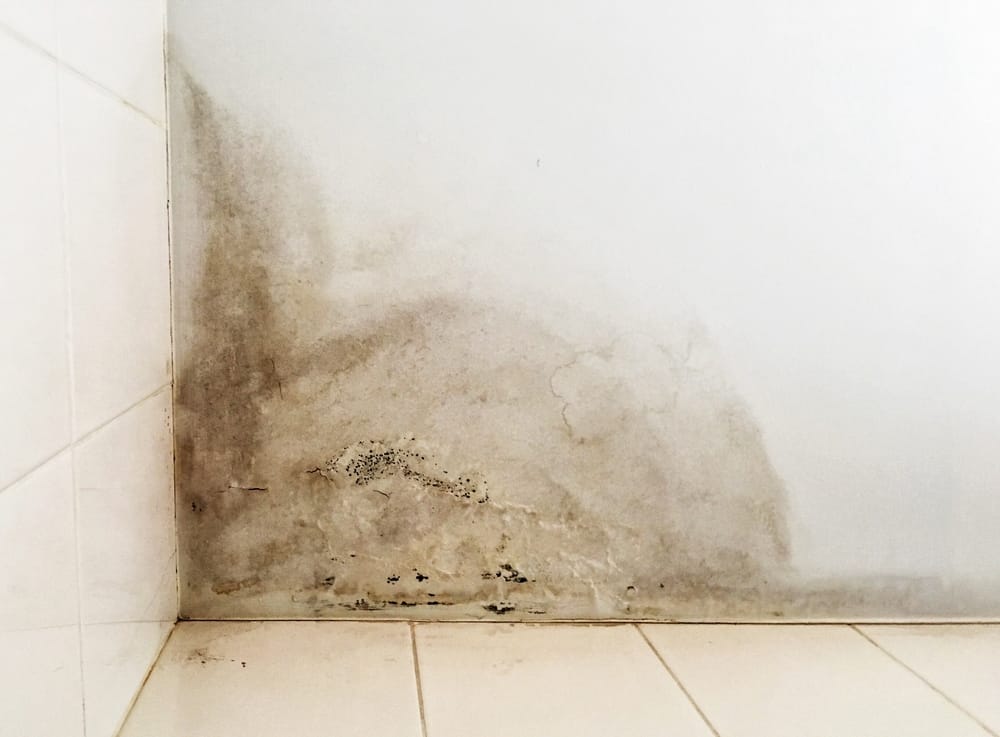
The air in your home feels different when mold isn’t living in it. No more musty smell creeping up from the basement after a rainstorm. No more wondering if the cough your kid can’t shake is connected to something in the walls. When mold is properly removed — not painted over, not surface-sprayed — you stop managing a problem and start living in a clean house again.
For East Farmingdale homeowners, that matters more than most people realize. Over 40% of the homes here were built before 1960, which means original plaster walls, aging insulation, and basement construction that was never designed to handle the kind of moisture that nor’easters and South Shore groundwater push through. When water gets in — and in these homes, it eventually does — mold follows within 72 hours. The damage isn’t always visible, but it’s there.
The other thing that changes? Your home’s value holds. With median sale prices in East Farmingdale recently hitting $820,000, a mold problem discovered during a buyer’s inspection can stop a sale cold. Getting ahead of it — with documentation, clearance testing, and a licensed remediation on record — protects the investment you’ve been building for years.
We’re based in West Babylon, which puts us directly in the Town of Babylon — the same municipality that governs East Farmingdale. We’ve been doing this work here for over 31 years, through every major storm season, every wave of aging infrastructure, and every panicked call from a homeowner who just found black mold behind a finished basement wall.
We’re IICRC-certified and fully licensed under New York State Article 32 — the law that’s required mold remediation contractors to be licensed since 2016. That’s not a credential we mention to fill space. It’s the legal standard that separates companies doing this right from those doing it cheap. We’re also bonded, insured, and available 24 hours a day, 7 days a week, because mold emergencies don’t schedule themselves around business hours.
What our customers tell us — consistently — is that the price we quote is the price they pay. No scope inflation, no upsell at the door. Just honest work from a team that’s been part of this community long enough to care about its reputation.
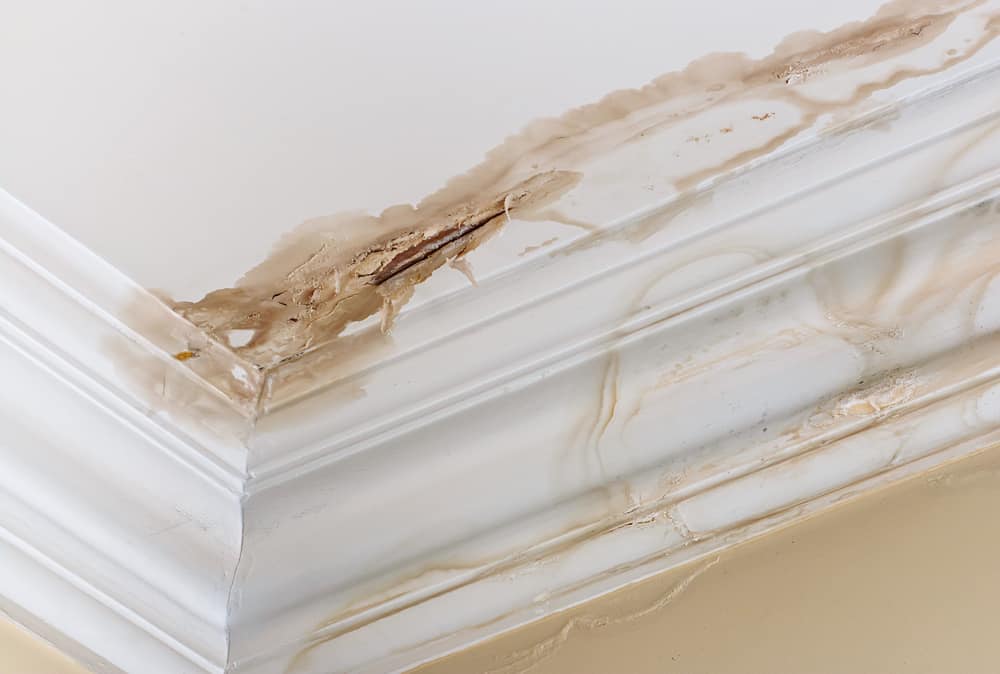
It starts with an assessment. Before anything gets removed, we identify where the mold is, what’s feeding it, and how far it’s spread — including areas you can’t see. In East Farmingdale’s older Cape Cod and split-level homes, that often means checking inside knee wall cavities, behind original plaster, under flooring, and inside ductwork that hasn’t been inspected in decades. Moisture sensors and particle counters tell us what the naked eye can’t.
Once we know what we’re dealing with, we contain it. Negative air machines and physical barriers go up before any material is disturbed, so spores don’t travel into rooms that aren’t affected. Then the physical remediation begins — removing mold-contaminated drywall, insulation, framing, or other materials that can’t be cleaned, and treating what remains with EPA-registered antimicrobials. This is the step that bleach and surface sprays skip entirely, which is why DIY attempts rarely hold.
New York State law requires that post-remediation clearance testing be performed by an independent licensed mold assessor — not the same company that did the work. That’s a conflict-of-interest rule built into Article 32, and it’s one you should expect any legitimate contractor to follow. When we’re done, you get documented proof that the air in your home meets clearance standards — not just our word for it.
Ready to get started?
Mold removal in East Farmingdale, NY isn’t one-size-fits-all, because the conditions driving it are different depending on where in the house it’s growing and what caused it. Attic mold in a Cape Cod on the north side of the railroad — in the Half Hollow Hills school district — often comes from thermal bridging and poor ridge ventilation. Basement mold in a home south of the tracks near the Farmingdale district is more likely tied to groundwater seepage or a sump pump that lost power during a storm. The source matters as much as the mold itself.
We handle the full range: attic mold removal, basement mold removal, crawl space mold removal, bathroom mold removal, and commercial mold removal for businesses along the Route 110 corridor and at facilities near Republic Airport. For residential jobs, that means assessment, containment, physical remediation, antimicrobial treatment, structural drying with industrial dehumidifiers, and coordination with your insurance carrier if the damage stems from a covered event. For commercial properties — warehouses, office parks, lab spaces at the Broad Hollow Bioscience Park — we add the documentation and compliance reporting that commercial clients require.
We provide toxic black mold cleanup, mold mitigation after water damage, and full mold removal with complete cost transparency. If your insurer is involved, we document everything from day one so the claim process doesn’t fall on you to manage alone.
It depends on what caused the mold — and the cause is everything when it comes to insurance. If mold developed because of a covered water damage event — a burst pipe, a storm-related roof leak, an appliance that failed suddenly — most standard homeowners policies will cover the resulting mold remediation. If the mold grew from a slow leak or long-term moisture problem that went unaddressed, insurers typically classify that as a maintenance issue and deny the claim.
In East Farmingdale, where a significant portion of homes have aging plumbing systems and basements that weren’t waterproofed to modern standards, the line between “sudden event” and “long-term seepage” can get complicated. That’s why documentation from the moment water damage occurs is critical. We work directly with insurance carriers, photograph and log damage on arrival, and help you build a claim that reflects what actually happened — so you’re not leaving money on the table or fighting a denial alone.
The short answer is that you can’t tell by looking at it. Black mold — the type most people are thinking of when they use that term, Stachybotrys chartarum — does appear dark greenish-black, but plenty of other mold species look similar and can cause serious health effects too. Color alone doesn’t tell you what you’re dealing with.
What matters more than the specific species is the extent of the growth and where it is. Mold inside an HVAC system, inside wall cavities, or in an attic that’s been growing undetected for years poses a much higher risk than a small surface spot on a bathroom tile. If anyone in your home is experiencing persistent respiratory symptoms, chronic sinus issues, or unexplained fatigue — especially children — that’s a signal to stop waiting and get a proper assessment. A licensed mold assessor can collect air samples and surface samples that identify exactly what’s present. We can help coordinate that step before remediation begins.
Because bleach doesn’t penetrate porous materials — and most of what your home is made of is porous. Drywall, wood framing, insulation, and the original plaster walls common in East Farmingdale’s 1940s and 1950s homes all absorb moisture below the surface. Bleach kills mold on the surface, but the root structure — called hyphae — stays embedded in the material and regrows once conditions are right again.
The other issue is moisture. If the source of the moisture that fed the mold in the first place hasn’t been corrected, the mold will always come back regardless of what you clean it with. In East Farmingdale’s older housing stock, that source is often a slow foundation seep, a failed vapor barrier in a crawl space, or inadequate attic ventilation in a Cape Cod roofline. Professional mold remediation physically removes contaminated materials and addresses the moisture conditions — which is the only approach that actually stops the cycle.
Most residential mold remediation jobs in the New York market fall somewhere between $1,200 and $6,000, depending on where the mold is, how far it’s spread, and what materials need to be removed. Attic mold removal typically runs $1,000 to $4,000. Basement mold removal, which often involves more square footage and more saturated materials, generally ranges from $1,500 to $6,000.
In East Farmingdale specifically, the age of the housing stock tends to push jobs toward the higher end of those ranges — not because remediation is more expensive here, but because older homes often have more hidden growth by the time the problem is discovered. A Cape Cod attic that’s been venting moisture into the roof sheathing for five years requires more work than a newer home with a contained bathroom leak. The only way to get an accurate number for your specific situation is an on-site assessment — and we’ll give you a straight quote based on what we actually find, not an estimate designed to get in the door.
Yes — and this is one of the most important things to verify before you hire anyone. New York State Article 32 of the Labor Law has required mandatory licensing for all mold remediation contractors and mold assessors since January 1, 2016. It’s not optional, and it’s not just a formality. The law also prohibits the same individual or company from performing both the mold assessment and the mold remediation on the same project — that’s a conflict-of-interest rule designed to protect you from inflated scopes and self-serving diagnoses.
Before any mold removal company starts work in your East Farmingdale home, ask to see their NY State mold remediation contractor license. A legitimate company will have it readily available. If a contractor can’t produce it — or tells you it’s not required — that’s a serious red flag. Working with an unlicensed contractor can result in denied insurance claims, no legal recourse if something goes wrong, and no way to verify that the remediation was done correctly.
In many cases, yes — but it depends on where the mold is, how extensive the growth is, and whether anyone in your household has respiratory sensitivities or compromised immune function. For a contained job in an attic or a single basement room, most families can remain in the home as long as the affected area is properly sealed off with containment barriers and negative air pressure is maintained throughout the remediation. The rest of the living space stays clean.
For larger jobs — whole-basement contamination, mold inside an HVAC system that serves the entire house, or widespread growth in multiple areas — temporary relocation is sometimes the safer call, particularly if children or elderly family members are in the home. We’ll be straightforward with you about this during the assessment. If relocation is genuinely necessary, we’ll tell you. If it isn’t, we won’t suggest it. East Farmingdale families dealing with mold already have enough to manage — the last thing you need is unnecessary disruption on top of it.
Useful Links
Other Services we provide in East Farmingdale