
Mold Removal in Gordon Heights, NY
Gordon Heights Homes Hide Mold in Places Bleach Will Never Reach
Hear from Our Customers
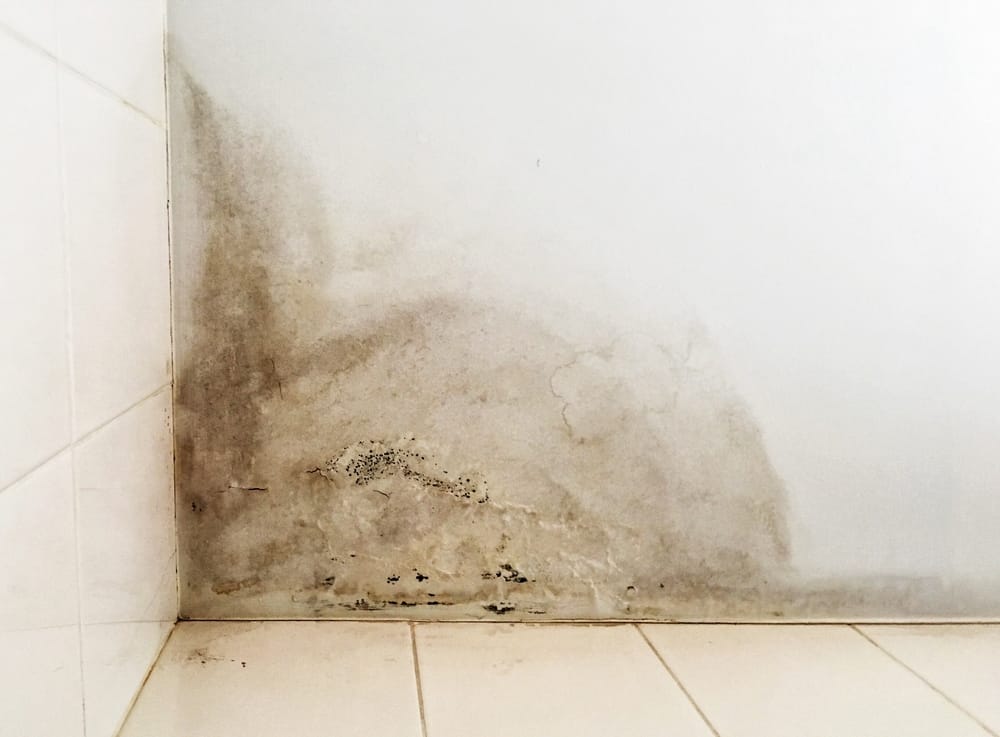
Residential Mold Removal, Gordon Heights NY
Most Gordon Heights homeowners who call us have already tried bleach. It looked like it worked. Then the mold came back usually within a few weeks because bleach doesn’t kill what it can’t reach. Mold roots into porous materials like concrete block, wood framing, and drywall. Surface treatment doesn’t touch any of that. We physically remove the affected material, eliminate the moisture source driving the growth, and use HEPA-filtered air scrubbers to capture what’s already airborne. That’s a fundamentally different outcome than anything you can do with a spray bottle.
For families living in Gordon Heights, this matters in a specific way. The hamlet’s dense tree canopy the same thing that makes the neighborhood feel quiet and green keeps sunlight off foundations, slows evaporation, and packs organic debris into gutters and against exterior walls. That’s a chronic moisture condition that doesn’t go away between seasons. If your home was built in the 1970s or 1980s, which describes a large portion of the housing stock here, it was constructed before modern vapor barriers and ventilation standards became common practice. Crawl spaces, basement walls, and attic decking in these homes accumulate moisture aggressively and mold follows moisture.
When remediation is done correctly, the air in your home is measurably cleaner. Respiratory symptoms that seemed unrelated recurring congestion, morning headaches, kids with persistent coughs often improve. And your home, which has appreciated significantly in value over the past two decades, is protected from the structural damage that untreated mold causes over time.
Mold Removal Companies in Gordon Heights, NY
First Response Restoration and Cleaning Inc. has been serving Suffolk County since before most of today’s competitors opened their doors. That’s over three decades of working inside the exact type of housing stock that makes up Gordon Heights single-family homes built in the 1970s through 1990s, with basements, crawl spaces, and attic spaces that weren’t designed with today’s moisture management standards in mind.
Every technician on our crew is IICRC-certified and trained under the ANSI/IICRC S520 standard for professional mold remediation. We’re fully licensed under New York State Article 32 of the Labor Law, bonded, and insured. That’s not a marketing line it’s a legal requirement in this state, and not every company calling itself a mold remediator can show you that paperwork.
We serve all of central Suffolk County, including Gordon Heights and the surrounding communities of Middle Island, Coram, Medford, and Yaphank. When you call our Suffolk County line, you’re reaching a company that knows this area not a national franchise routing your call to the nearest available crew.
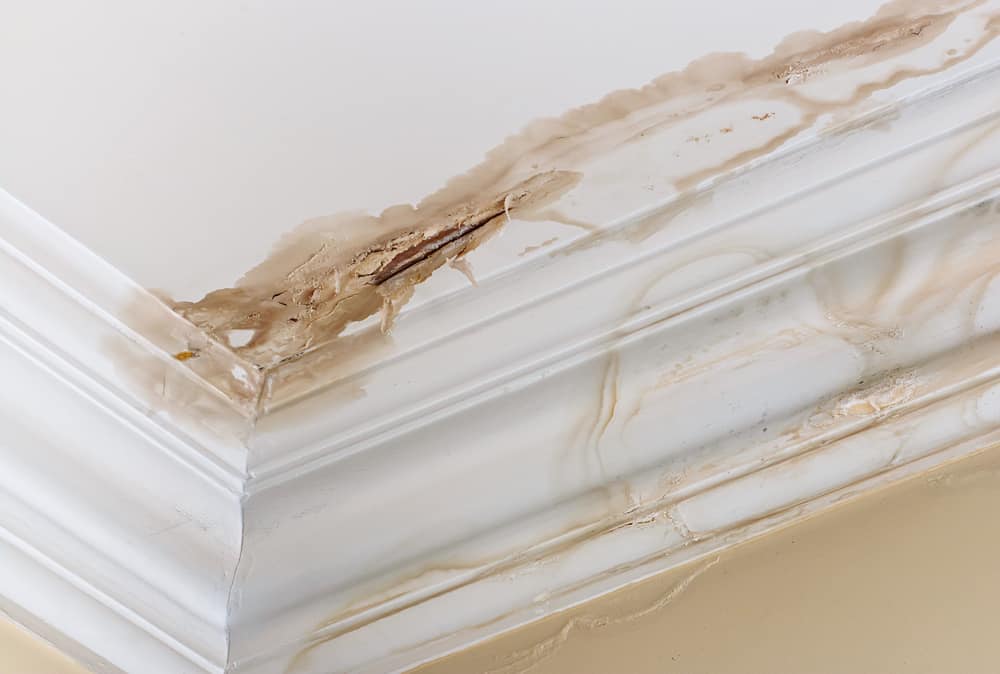
Professional Mold Remediation Services, Gordon Heights NY
It starts with an honest assessment. We use moisture sensors, particle counters, and in some cases thermal imaging to find mold where it’s hiding behind drywall, under flooring, inside wall cavities, and in HVAC systems. In older Gordon Heights homes, visible mold on a basement wall is rarely the whole picture. We look for what you can’t see before we talk about scope or cost.
Once we know what we’re dealing with, we set up containment. Negative air pressure barriers go up around the affected area so that spores can’t migrate to clean parts of the house during the work. This is a step that separates licensed, IICRC-certified remediation from someone with a shop vac and a can of mold spray. From there, affected materials are physically removed not sprayed over and disposed of properly. Air scrubbers run continuously throughout the process.
New York State law under Article 32 requires that the company performing your mold assessment cannot be the same company doing the remediation. That conflict-of-interest protection exists for your benefit, and we operate in full compliance with it. After the work is complete, we verify results. Clearance testing confirms your air quality meets safe standards before we call the job done. You don’t have to take our word for it the numbers tell you.
Ready to get started?
Basement and Attic Mold Removal, Gordon Heights NY
Basement mold removal in Gordon Heights, NY is our most common call, and it makes sense given the housing stock. Unfinished basements in 1970s and 1980s construction were never designed for the humidity levels Long Island summers bring. When warm, moist air meets a cool concrete wall, condensation happens and if there’s any organic material present, mold follows. We address the moisture source, remove affected drywall or framing, treat the underlying structure, and restore containment so the problem doesn’t return with the next humid summer.
Attic mold removal in Gordon Heights, NY is the call people don’t expect. Most homeowners never go up there. But when heated air from your living space rises into a cold attic during fall and winter, it condenses on roof decking and rafters and that’s all mold needs. Left alone, attic mold can compromise structural integrity, void your roofing warranty, and push spores into the living spaces below through gaps in the ceiling. We identify the ventilation deficiency driving the problem and correct it as part of the remediation.
Crawl space mold removal, bathroom mold, and HVAC-related mold are all part of what we handle. If you’re dealing with mold cleanup after a water damage event a burst pipe, a roof leak, a spring flood we also coordinate directly with your insurance carrier to document the damage and work through the claim. One call covers the assessment, the remediation, and the restoration.
Is mold common in Gordon Heights, NY homes, and what causes it?
Yes and the reasons are specific to how Gordon Heights is built and where it sits. The hamlet is surrounded by wooded terrain, which means home foundations stay shaded and damp for much of the year. Organic debris from tree canopy accumulates in gutters and against exterior walls, holding moisture against the structure. Add to that a large share of homes built between 1970 and 1999 before modern vapor barriers and ventilation requirements were standard and you have the conditions mold needs to thrive.
The three most common locations we find mold in Gordon Heights homes are basements, crawl spaces, and attic spaces. Basements accumulate humidity from warm summer air meeting cool concrete. Crawl spaces with deteriorated or absent vapor barriers allow ground moisture to migrate upward into floor joists and subfloor. Attics develop mold when heated interior air condenses on cold roof decking during fall and winter. None of these are rare edge cases they’re the predictable result of Gordon Heights’ climate, tree coverage, and housing age.
How much does mold removal cost in Gordon Heights, NY?
The honest answer is that it depends on where the mold is, how far it’s spread, and what materials are affected. Nationally, professional mold remediation averages between $1,223 and $3,754 for most residential projects. Basement mold removal tends to run $1,500 to $6,000 depending on the extent of the damage, and attic mold removal typically falls between $1,000 and $4,000 or more when structural materials are involved.
What we can tell you upfront is that the estimate you get from us is the price you pay. No scope creep, no upsells after the work starts, no surprise line items on the final invoice. We give you a written estimate before any work begins, and we stick to it. For Gordon Heights homeowners dealing with mold after a water damage event, there may also be insurance coverage available we coordinate directly with your carrier and help document the damage properly so you’re not leaving money on the table. Early remediation is almost always less expensive than delayed action, because mold spreads and the affected area grows.
What's the difference between mold removal and mold remediation?
These terms get used interchangeably, but there’s a meaningful distinction. Mold removal refers to physically taking mold out of a space removing affected drywall, scrubbing surfaces, disposing of contaminated materials. Mold remediation is the broader process: finding the mold, containing it so it doesn’t spread during the work, removing it, treating the underlying structure, correcting the moisture source, and verifying through testing that the air quality is safe when the job is done.
True remediation is what actually solves the problem. Removal alone without addressing the moisture source or verifying air quality afterward is why mold comes back. In Gordon Heights homes, where the moisture conditions driving mold growth are often chronic rather than the result of a single event, getting to the root cause is the only way to get a lasting result. We don’t consider a job finished until clearance testing confirms your home meets safe air quality standards. That’s the difference between a temporary fix and an actual solution.
Does New York State require mold contractors to be licensed before doing work?
Yes, and this is one of the most important things to verify before you let anyone start work on your home. New York State has required licensing for all mold assessment and remediation professionals since January 1, 2016, under Article 32 of the NY Labor Law. This applies to any paid mold work in a residential setting, regardless of project size. There are separate license tiers for mold assessors, remediation contractors, and abatement workers and by law, the company that performs your assessment cannot be the same company doing the remediation. That separation exists specifically to protect homeowners from inflated scopes.
Unlicensed mold work is illegal in New York and can create serious problems including insurance claim denials and liability issues if the work is done improperly. Before any contractor starts work in your Gordon Heights home, ask to see their NY State mold remediation license. A legitimate company will show it without hesitation. We are fully licensed, bonded, and insured, and we operate in complete compliance with Article 32 requirements.
How quickly does mold spread after water damage in a Long Island home?
Mold can begin colonizing new surfaces within 48 to 72 hours of water intrusion and Long Island’s humid climate accelerates that timeline during warmer months. A basement flood from a heavy spring rain, a roof leak during a nor’easter, a burst pipe in January any of these can create the conditions mold needs within a matter of days. By the time you notice visible growth, the mold has typically already spread beyond what you can see.
This is why response time matters so much. The longer water sits, the larger the affected area grows and the larger the remediation scope becomes. We operate 24 hours a day, seven days a week, specifically because mold emergencies don’t follow business hours. If you’re in Gordon Heights and you’ve had any water intrusion event even one that seemed minor it’s worth having us assess the situation before mold has a chance to establish. Catching it early almost always means a smaller job and a lower cost.
Will mold come back after professional remediation in my Gordon Heights home?
If the moisture source driving the mold is identified and corrected, no it shouldn’t come back in the same location. The reason mold returns after DIY treatment is almost always that the root cause was never addressed. Bleach kills surface mold on non-porous materials, but it doesn’t penetrate the porous concrete, wood framing, and drywall where mold roots grow. More importantly, it does nothing about the humidity, ventilation deficiency, or water intrusion that allowed mold to grow there in the first place.
In Gordon Heights, the most common recurring mold situations we see involve attic spaces with inadequate ventilation and crawl spaces without proper vapor barriers both of which are structural conditions, not one-time events. When we complete remediation, we identify the underlying condition and address it as part of the scope. We also verify results through clearance testing before we leave, so you have documented confirmation that the air quality in your home is safe not just our word for it. If the moisture source is corrected and the remediation is done properly, the mold doesn’t come back.
Useful Links
Other Services we provide in Gordon Heights