
Mold Removal in Great River, NY
When the Bay Comes In, Mold Moves Fast
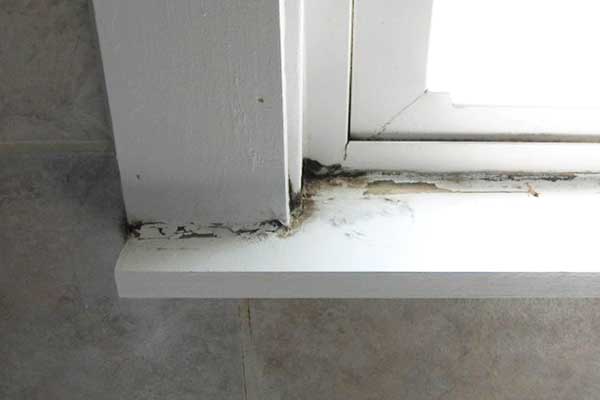
Hear from Our Customers
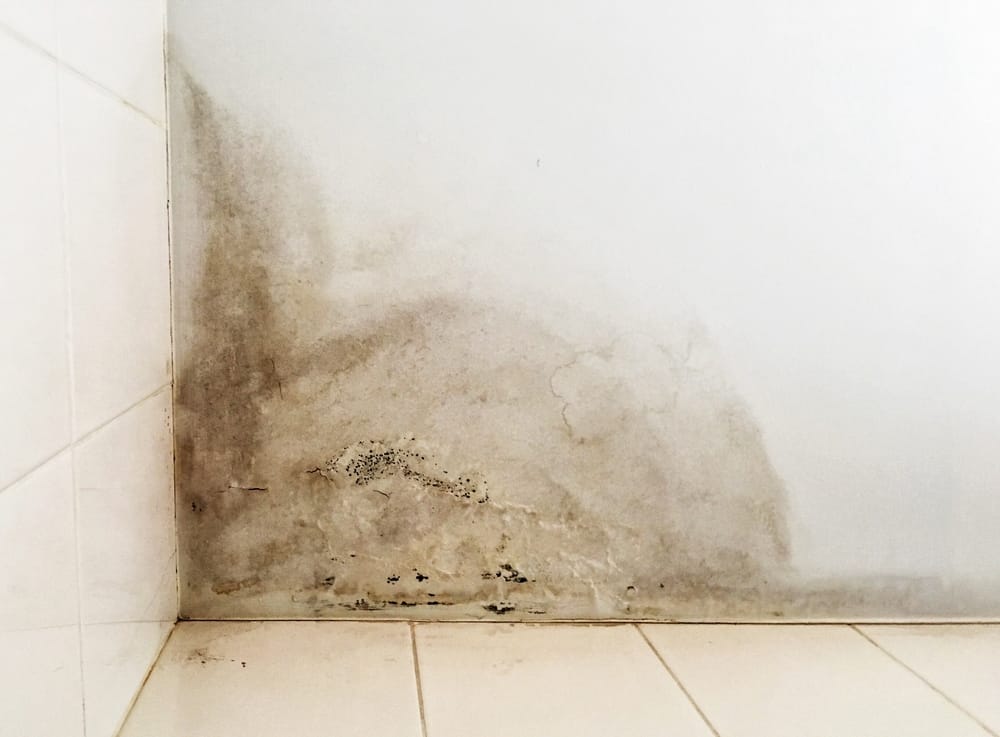
Residential Mold Removal, Great River NY
Great River is hemmed in on three sides by water the Connetquot River to the east, Nicoll Bay to the south, and the Great South Bay beyond that. That’s not a complaint, it’s just geography. But it does mean the ambient humidity here runs higher than most of Long Island, year-round, not just in July. When moisture has nowhere to go, it finds its way into crawl spaces, attic framing, and basement walls especially in homes built around 1970, which describes most of the housing stock in Great River.
The median Great River home is now over 50 years old. Original vapor barriers, if they were installed at all, have long since degraded. Wood framing has had decades to absorb moisture from the soil and the bay air. The good news is that mold, once it’s found and properly remediated, doesn’t have to come back. A thorough job addresses the source, not just the surface.
After professional mold removal, homeowners in Great River notice the difference quickly no more musty odor in the basement, no more discoloration spreading across the attic sheathing, no more wondering what’s behind the drywall near the crawl space access. You also get documentation of the completed work, which matters enormously if you’re ever selling a home valued well above $800,000 in a market where buyers ask questions and inspectors are thorough.
Mold Removal Company in Great River, NY
We’ve been serving Nassau and Suffolk County homeowners since the early 1990s. That’s not a franchise timeline that’s a local company that built its reputation job by job, neighborhood by neighborhood, across the entire South Shore. We’ve worked in homes along the Connetquot River corridor in Great River, in bay-front properties off Nicoll Bay, and in the kind of older, estate-character homes that make this area what it is.
We’re IICRC-certified and fully licensed under New York State’s Article 32 mold remediation law which means every technician who walks into your home has met both the state’s legal requirements and the industry’s highest professional standard. Those aren’t just checkboxes. They’re the difference between a company that knows what it’s doing and one that’s figuring it out on your property.
When you call us, you’re not getting a call center. You’re getting a local team out of West Babylon about 10 minutes from Great River that can be on-site fast and that understands exactly what South Shore moisture does to a home over time.
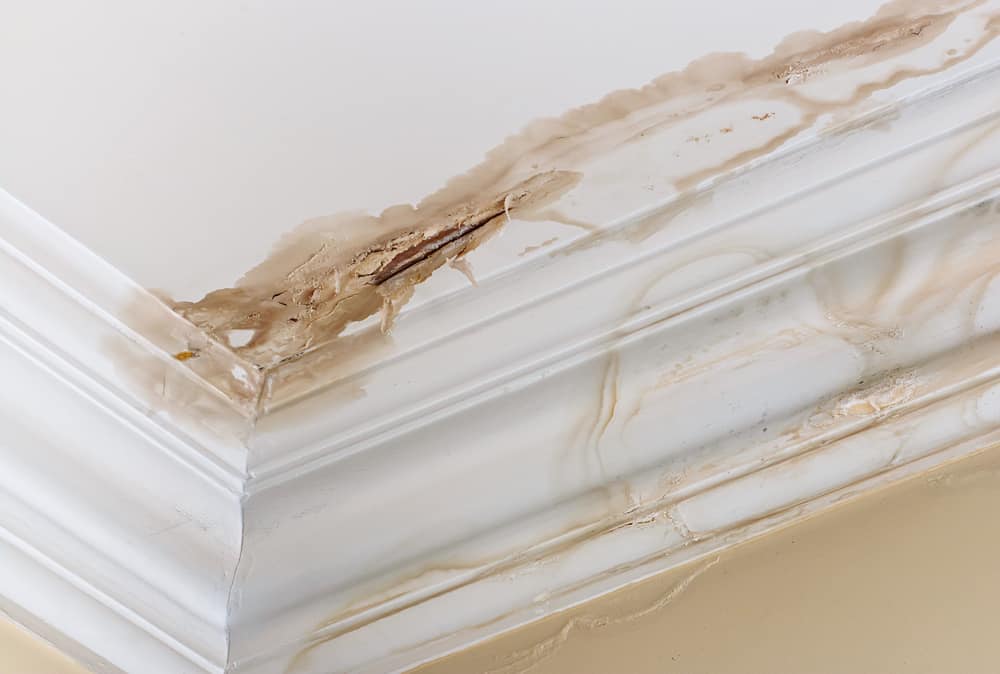
Professional Mold Remediation Process, Great River NY
The first step is finding out what you’re actually dealing with. Mold in a Great River home rarely stays where you can see it. We use moisture sensors and air quality testing to locate hidden growth behind walls, under flooring, and in attic spaces the places where 50-year-old construction tends to hold water without anyone noticing. If your home had any water intrusion during a storm or a slow foundation leak, there’s a good chance the mold is further along than what’s visible.
Once we know the full scope, we set up containment. That means sealing off the affected area with physical barriers and running negative air pressure so that mold spores can’t travel to the rest of your home while we work. HEPA air scrubbers run continuously throughout the job. This is how professional mold remediation is supposed to work under the ANSI/IICRC S520 standard, and it’s what separates a real remediation from someone spraying bleach and calling it done.
Removal comes next affected materials, contaminated insulation, compromised drywall followed by treatment of the underlying structure. After the work is complete, we conduct post-remediation air quality testing to confirm the space is clear. You’ll receive documentation of the entire process, which your insurance carrier and any future home inspector will want to see. Under New York State’s Article 32 law, the assessment and remediation must be handled by separate licensed parties we coordinate that process so you don’t have to navigate it alone.
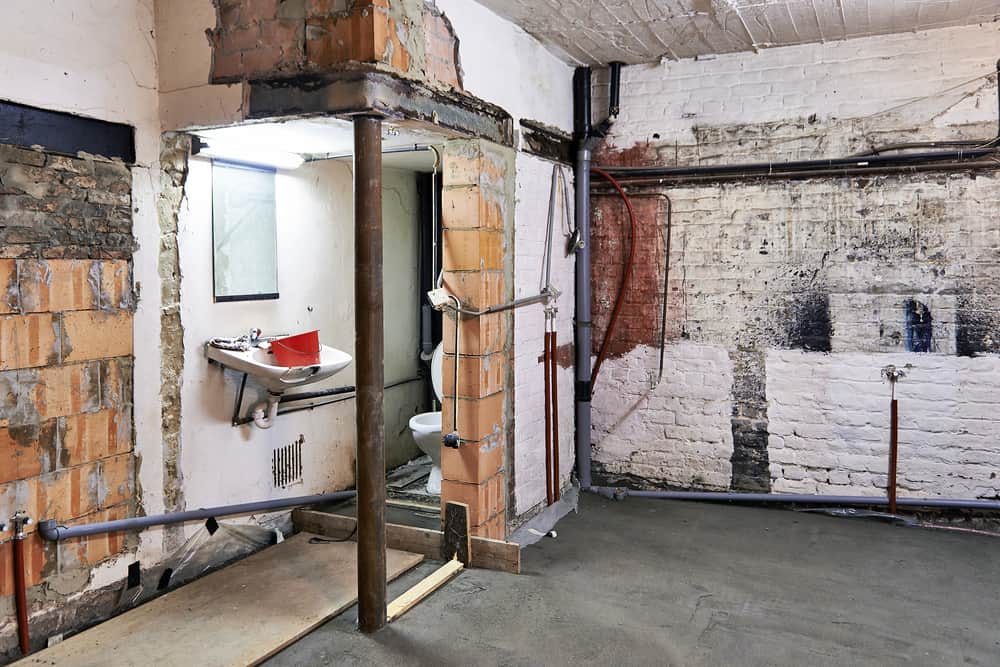
Ready to get started?
Mold Mitigation Services, Great River NY
Mold removal in Great River isn’t a one-size situation. A bay-front home that took on water during a storm surge needs a different approach than an attic with condensation mold from a poorly ventilated roof. We handle both and everything in between. Basement mold removal, crawl space mold removal, attic mold removal, bathroom mold removal each one follows a proper protocol, not a shortcut.
For crawl spaces specifically, which are a common problem in Great River’s older housing stock, we don’t just remove visible mold growth. We address the moisture source, replace compromised vapor barriers, and treat the structural framing so the problem doesn’t return with the next wet season. Attic mold, which typically develops from winter condensation when warm interior air meets cold roof sheathing, gets the same thorough approach removal, structural treatment, and a ventilation assessment so you understand what caused it.
Every job we do in Great River is performed by licensed, insured technicians using professional-grade equipment HEPA air scrubbers, negative air machines, moisture sensors, and particle counters. We work directly with your insurance company to document the damage, submit the necessary paperwork, and help you get the most out of your coverage. Whether your mold issue is the result of Sandy-era water damage that was never fully addressed, a recent plumbing failure, or years of bay-area humidity working its way into your foundation, we’ve seen it before and we know how to handle it.
How do I know if I have black mold in my Great River home?
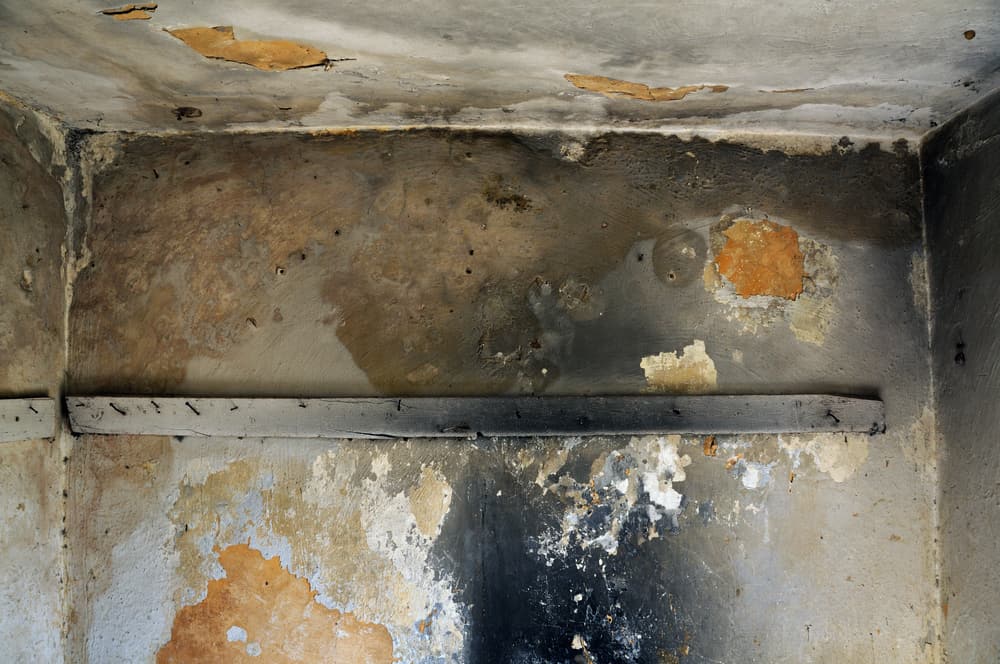
Black mold technically Stachybotrys chartarum is one of several toxic mold species that can grow in chronically damp environments. In Great River, the most common warning signs are a persistent musty odor in the basement or crawl space, visible dark discoloration on walls or ceiling materials, and unexplained respiratory symptoms like chronic congestion or worsening asthma. Given that most homes here were built around 1970 and sit in a high-humidity waterfront environment, the conditions for black mold growth are present in a lot of properties especially those that experienced any flooding or water intrusion over the years.
The only way to know for certain what type of mold you’re dealing with is through professional air quality testing and sampling not a visual inspection alone. Black mold often grows behind walls and under flooring where it’s not visible at all. If something smells off in your basement or you’ve noticed moisture staining near your foundation walls, that’s worth having assessed by a licensed professional before it spreads further.
What does professional mold removal actually cost in Great River, NY?
Mold removal cost in Great River depends on the scope how much area is affected, how deep the growth has penetrated, and whether structural materials need to be removed and replaced. For a contained bathroom or small basement area, you might be looking at $1,200 to $2,500. A larger remediation involving crawl spaces, attic framing, or multiple rooms can run $3,500 to $6,000 or more, particularly in older homes where the mold has had time to work into structural materials.
Great River homeowners should also factor in whether the work is covered under your homeowner’s insurance policy. Mold resulting from a sudden, covered water event like storm surge flooding or a burst pipe is often at least partially covered. Mold from long-term moisture buildup or deferred maintenance typically isn’t. We’ll help you understand what your policy covers and document the damage in a way that gives your claim the best chance of being approved. Given the home values in this area, getting the documentation right matters.
How quickly does mold spread after water damage in a home?
Faster than most people expect. Mold spores can begin colonizing on wet materials within 24 to 48 hours of water exposure, and within 72 hours an active colony can spread to adjacent materials insulation, drywall, subfloor, structural framing. That window is why immediate response to water damage matters so much, especially on the South Shore where storm events can bring significant water into a home in a short amount of time.
For Great River specifically, the risk is elevated because many homes sit close to the water table. After a heavy rain or tidal event, groundwater can rise into crawl spaces and basement slabs quickly. If that moisture isn’t dried out and treated within the critical 72-hour window, mold becomes almost inevitable. The longer it’s left, the more material has to be removed and the more expensive the remediation becomes. If you’ve had any recent water intrusion, even something that seemed minor, it’s worth having a professional assess the moisture levels before mold gets a foothold.
Does New York State require a license for mold removal companies?
Yes and it’s one of the most important questions you can ask before hiring anyone. Under Article 32 of the New York Labor Law, which took effect January 1, 2016, any company performing paid mold remediation work in New York State must hold a state-issued mold remediation license. The law also requires that the mold assessment and the mold remediation be performed by two separate licensed parties the same company cannot legally do both on the same project.
This matters for a few reasons. First, unlicensed mold work puts your family at risk improper containment during removal can spread spores throughout your home rather than eliminating them. Second, your insurance carrier may deny a claim if the remediation was performed by an unlicensed contractor. We are fully licensed under Article 32 and coordinate the assessment and remediation process in compliance with state law. Before any company starts work in your Great River home, ask to see their NY State mold remediation license. If they can’t produce it, that’s your answer.
Why is attic mold so common in Great River homes built in the 1970s?
Attic mold in older South Shore homes almost always comes down to the same two factors: inadequate ventilation and temperature differential. During winter months, heated air from the living space rises into the attic. If the attic isn’t properly ventilated which was common in 1970s construction that warm, moist air hits the cold roof sheathing and condenses. Over time, that repeated condensation creates the wet surface conditions that mold needs to grow. Add in Great River’s heavy tree canopy from the surrounding Heckscher State Park and Bayard Cutting Arboretum, which reduces roof drying time after rain, and you’ve got a particularly mold-friendly attic environment.
The fix isn’t just removing the mold it’s also understanding why the condensation is happening and addressing the ventilation so it doesn’t come back. We assess both during attic mold remediation jobs. Mold removal without correcting the underlying moisture source is a temporary solution. In a home that’s been here for 50-plus years, getting ahead of the ventilation issue is what actually protects your attic long-term.
Can mold in my Great River home affect my family's health?
It can, and the research is clear on this. The World Health Organization links roughly 21% of U.S. asthma cases to indoor dampness and mold. For households with children, older adults, or anyone already managing respiratory conditions, prolonged mold exposure can worsen symptoms significantly chronic sinus congestion, coughing, headaches, and aggravated asthma are the most commonly reported effects. In Great River, where the median resident age is nearly 50 and many households include older adults, that’s not a theoretical concern.
The health impact also tends to be more pronounced when mold is hidden growing behind walls or in crawl spaces where people aren’t aware of it but are still breathing the spores it releases into the air. If anyone in your home has had unexplained respiratory symptoms that seem to improve when they’re away from the house, that’s a pattern worth taking seriously. Professional air quality testing can tell you whether elevated mold spore counts are present in your indoor air and if they are, remediation has been shown to reduce asthma symptoms by 25% to 45% in affected households.
Useful Links
Other Services we provide in Great River