
Hear from Our Customers
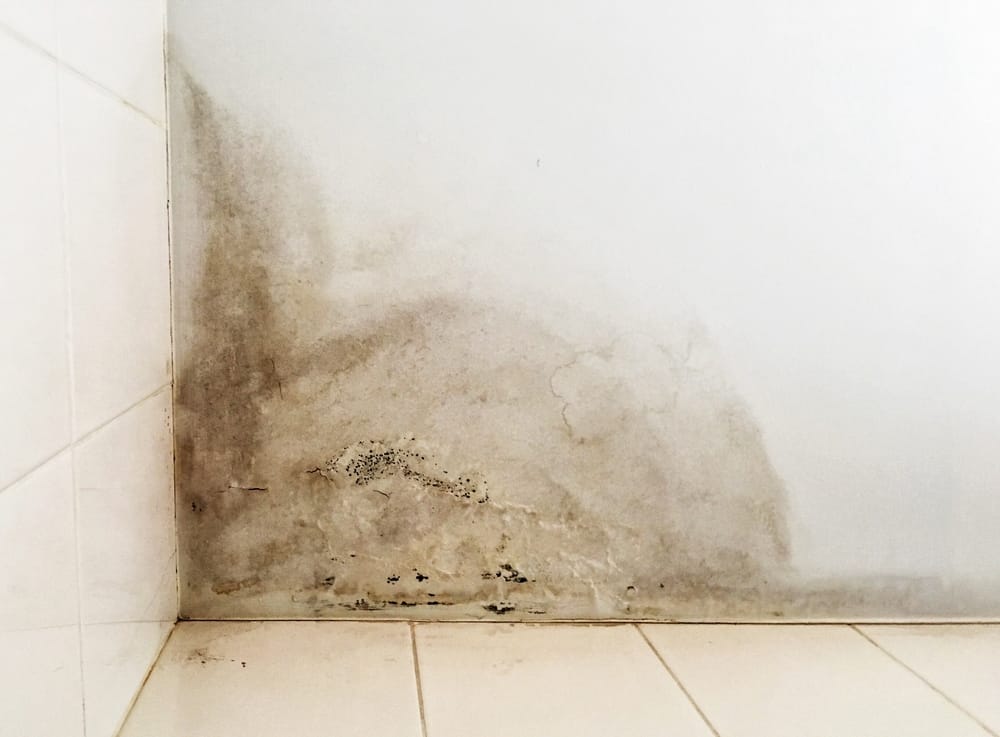
The air in your home feels different when mold is gone — not just cleaner, but lighter. No more musty smell coming up from the basement, no more wondering if the dark spot behind the bathroom wall is growing. When remediation is done right, you’re not just removing a stain. You’re removing the source.
For Hampton Bays homeowners, that source is almost always moisture — and this hamlet has it from every direction. The Great Peconic Bay to the north, Shinnecock Bay and Tiana Bay to the south, the Atlantic beyond Dune Road, and the Shinnecock Canal cutting through the eastern edge. Average humidity here hits around 81% in May and June. That’s not a coastal quirk — that’s a mold incubator sitting around your foundation, your crawl space, and your attic insulation.
Most of the homes in Hampton Bays were built in the 1960s and 1970s, before vapor barriers and proper attic ventilation were standard. That aging construction, combined with the humidity this area carries year-round, means mold doesn’t need a flood to get started. It just needs time. Once we complete professional mold removal, you get that time back — without the health concerns, the guessing, or the smell that keeps coming back every spring.
We’ve been serving Suffolk County for over 31 years. That includes every corner of the East End — from Riverhead down Route 24, across the Shinnecock Canal, and out to the barrier beach communities along Dune Road. Hampton Bays isn’t a market we’re breaking into. It’s one we’ve been working in for decades.
What that experience means for you is straightforward: we know what mold looks like in a 1970s crawl space with no vapor barrier. We know what happens to an unoccupied seasonal home after a wet winter near Tiana Bay. We know how to work with your insurance carrier when storm surge or a slow roof leak is the cause. You get IICRC-certified technicians, full NYS Article 32 licensing, and a company that’s been doing this long enough to have seen every version of this problem.
The estimate you get before we start is the price you pay. No upsells, no scope creep, no surprises.
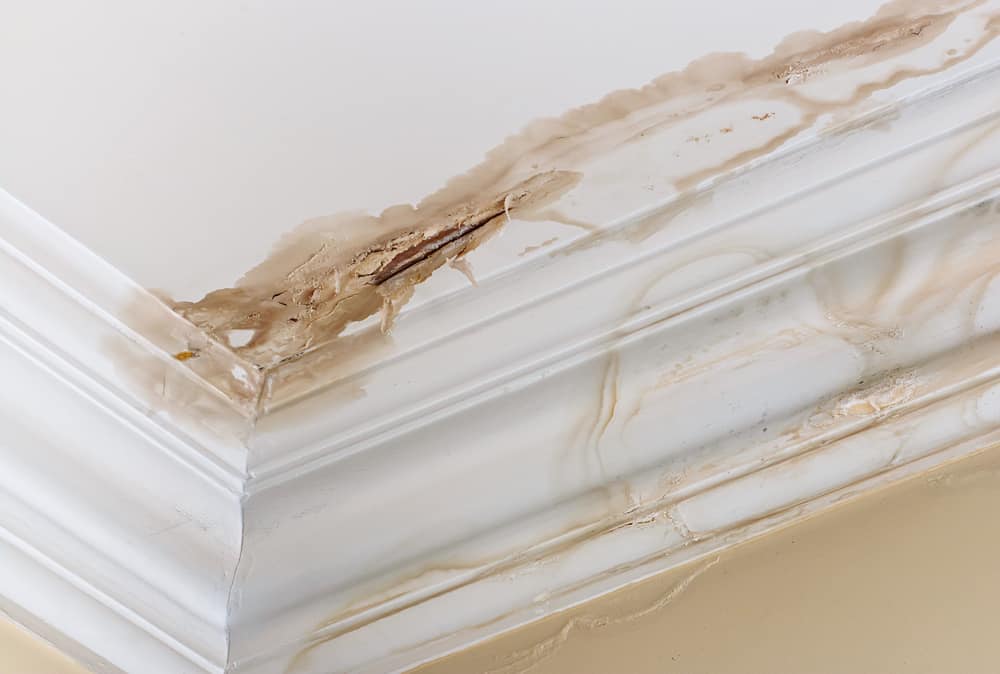
We start with a thorough inspection before anything else. In Hampton Bays, that means checking the obvious spots — basement walls, crawl space floors, bathroom ceilings — but also the less obvious ones: attic sheathing where warm air condenses against the roof deck, wall cavities near exterior walls that face the bay, and any area that took on water during a storm event. We use moisture meters and air sampling equipment to find what you can’t see, because in a coastal home, visible mold is rarely the whole story.
Once we know the full scope, we contain the affected area using negative air pressure and physical barriers so spores don’t migrate to clean parts of your home during the removal process. Then we physically remove mold-affected materials — drywall, insulation, framing if necessary — and treat remaining surfaces with EPA-registered antimicrobial agents. HEPA air scrubbers run throughout the job to capture airborne particles.
After remediation, a licensed mold assessor — a separate entity, as required by New York State’s Article 32 conflict-of-interest rule — performs clearance testing to confirm the space is clean. This isn’t optional in New York, and it’s actually good for you: it means an independent third party is verifying our work before you move back in. We handle the full coordination so that step doesn’t fall on you.
Ready to get started?
Mold removal in Hampton Bays, NY covers more ground than most homeowners expect when they first call. Basement mold removal is the most common request — older homes near the water table along Shinnecock Bay and Tiana Bay frequently show mold along foundation walls and on wood framing. Crawl space mold removal is a close second, especially in homes without vapor barriers where ground moisture rises directly into the floor structure. Attic mold removal comes up most often in the spring, when seasonal homeowners open properties that have been sitting unheated through a wet Long Island winter.
We also handle bathroom mold removal, black mold removal in wall cavities, and full toxic mold cleanup in cases where water damage has been sitting long enough to spread through multiple areas. For vacation rental properties and second homes — a significant part of the Hampton Bays housing market — we work directly with property managers and can document everything for insurance purposes.
Every job includes containment, physical source removal, antimicrobial treatment, and air scrubbing. Post-remediation clearance testing is coordinated through a licensed mold assessor as required by New York State. If structural repairs are needed after remediation — drywall, insulation, framing — we handle that too, so you’re not left managing a second contractor to close out the job.
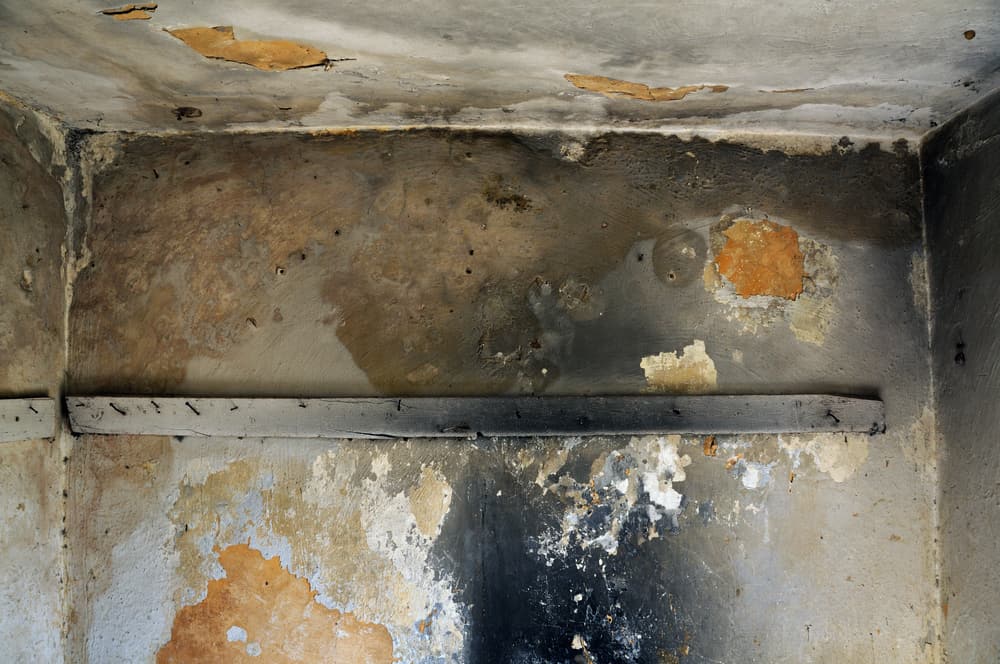
If mold keeps returning in the same spots, it almost always means the moisture source was never addressed — only the surface growth was treated. In Hampton Bays, this is an especially common problem because the ambient humidity here is genuinely high. Sitting between the Great Peconic Bay, Shinnecock Bay, Tiana Bay, and the Atlantic Ocean, this hamlet sees average relative humidity around 81% during late spring — and that moisture doesn’t go away just because summer arrives.
Surface sprays and bleach can kill what’s visible, but they don’t reach mold growing inside wall cavities, beneath flooring, or in attic insulation. And they do nothing to fix a crawl space with no vapor barrier, a slow roof leak, or inadequate attic ventilation — all of which are common in Hampton Bays homes built in the 1960s and 1970s. Professional mold removal identifies and eliminates the moisture source along with the mold itself. That’s the only way to stop the cycle.
Mold removal cost in Hampton Bays, NY varies based on the size of the affected area, where the mold is located, and how long it’s been growing. For most residential jobs — a single basement wall, a crawl space, or an attic section — you’re typically looking at somewhere between $1,500 and $6,000. Larger jobs involving multiple areas, significant structural removal, or extensive water damage history can run higher.
In the Hamptons market, labor costs tend to be on the upper end of the national range, so it’s worth getting a clear, itemized estimate before any work begins. What you want to avoid is a low-number quote that expands once the contractor is already inside your home. The estimate we give you before we start is the number you pay — no additions, no upsells. We also work directly with homeowners insurance carriers, which can significantly reduce your out-of-pocket cost when the mold is tied to a covered water damage event like storm surge or a burst pipe.
It depends on the cause. Most homeowners insurance policies will cover mold removal in Hampton Bays, NY if the mold resulted from a sudden, covered water damage event — like storm surge from a nor’easter, a burst pipe during a cold winter, or a roof failure after a heavy storm. What policies typically don’t cover is mold that developed gradually from a slow leak, poor ventilation, or deferred maintenance.
Hampton Bays has a real storm history — Superstorm Sandy in 2012 caused severe flooding along Dune Road and throughout the waterfront neighborhoods, and the area continues to see significant weather events that push water into homes. If your mold situation traces back to a storm event, there’s a reasonable chance insurance applies. The key is documentation: what caused the water intrusion, when it happened, and what the resulting damage looks like. We work directly with insurance carriers and document everything properly so your claim has the best possible foundation. We’ve been through this process with Suffolk County homeowners for over 30 years — we know how it works.
Yes — and it’s one of the most common mold scenarios we see in Hampton Bays. When a property sits unoccupied from October through April with minimal heat, any moisture that gets in — through a slow roof leak, a drafty crawl space, a plumbing issue, or simply condensation from the coastal air — has months to work without anyone noticing. By the time you open the house in May, what started as a damp corner has become a mold colony behind the drywall, under the flooring, or throughout the attic insulation.
Hampton Bays has a significant seasonal property market. Homes along Tiana Bay, Tiana Shores, and the Ponquogue area are especially vulnerable because of their proximity to open water and the humidity that comes with it. If you’re opening a seasonal property and notice a musty smell, discoloration on walls or ceilings, or visible growth anywhere, don’t wait. Mold spreads fast once conditions are right, and the longer it sits, the more material needs to come out. We work with property managers and absentee owners regularly — you don’t need to be on-site for us to get started.
Black mold — most commonly Stachybotrys chartarum — is a type of mold that grows in areas with sustained, heavy moisture exposure. It’s darker in color and has a slimy texture, and it tends to show up in places that have been wet for a long time: behind walls with slow plumbing leaks, in crawl spaces with no vapor barrier, or in attics where condensation has been building up through multiple winters.
In terms of health risk, black mold produces mycotoxins that can cause respiratory irritation, headaches, fatigue, and more serious symptoms in people with asthma, allergies, or compromised immune systems. Children and elderly residents are more sensitive. In Hampton Bays, where older homes with moisture-prone construction are common and coastal humidity keeps conditions favorable year-round, black mold removal should always be handled by a licensed professional — not a DIY bleach treatment. Proper containment during removal is critical: without it, the remediation process itself can spread spores to unaffected areas of your home. IICRC-certified technicians with the right equipment know how to remove it without making the situation worse.
In New York State, mold remediation is a licensed trade — not something any contractor can legally perform. Since January 1, 2016, New York State Article 32 of the NY Labor Law has required all mold remediation contractors to hold a valid NYS Mold Remediation Contractor license issued by the Department of Labor. Hiring an unlicensed contractor to handle mold removal in Hampton Bays, NY isn’t just a risk to the quality of the work — it can also jeopardize your homeowners insurance claim if the work wasn’t performed by a licensed professional.
New York also has a conflict-of-interest rule that’s worth knowing: the same company cannot legally perform both the mold assessment and the mold remediation on the same project. That means you need a licensed assessor to inspect and create a remediation plan, and a separate licensed contractor — like us — to do the actual removal. After the job is done, a licensed assessor must perform independent clearance testing to confirm the space is clean. This structure exists to protect you, and any contractor who offers to do all of it themselves under one roof is operating outside the law. We’re fully licensed under Article 32, and we coordinate the assessment and clearance steps so the process is handled correctly from start to finish.
Useful Links
Other Services we provide in Hampton Bays