
Mold Removal in Lindenhurst, NY
South Shore Homes Need More Than a Surface Fix
Hear from Our Customers
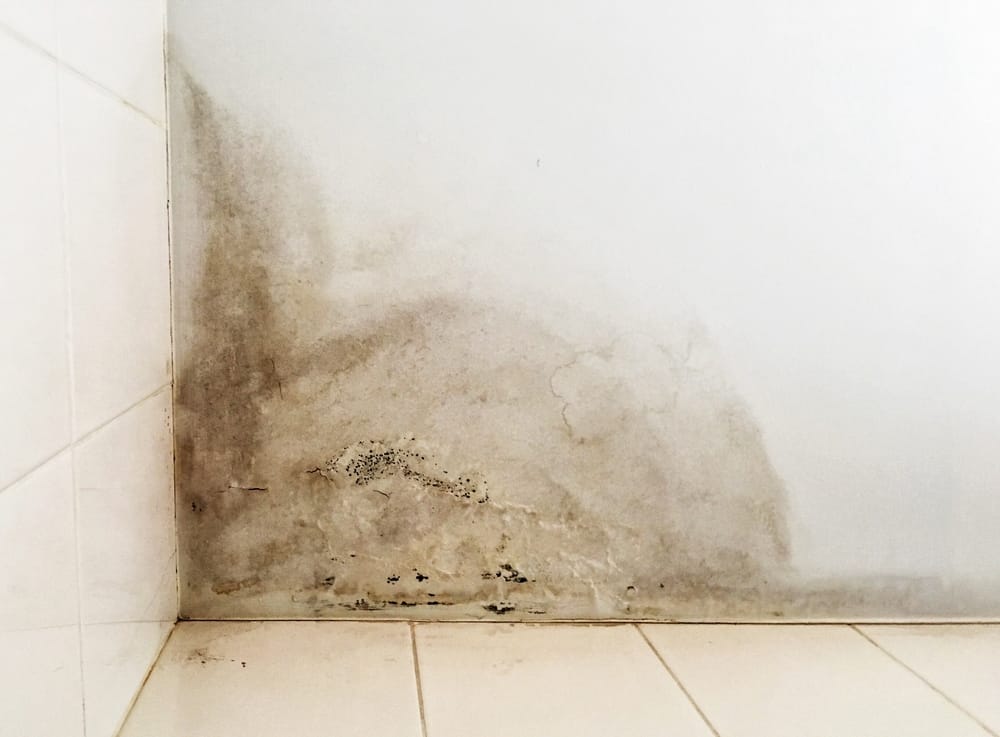
Basement Mold Removal Lindenhurst NY
The air in your home feels different. Not cleaner in a vague, marketing-speak way actually different. No more musty smell coming up from the basement. No more wondering if that dark patch behind the drywall is something you should be worried about. When mold removal is done right, you stop managing the problem and start living without it.
For Lindenhurst homeowners, that matters more than most people realize. The Great South Bay sits practically in your backyard, the water table beneath many homes here is extraordinarily shallow, and if your house was built in the 1950s or early 1960s which statistically, it probably was it was never designed with today’s moisture-control standards in mind. That combination means mold isn’t a fluke. It’s a structural reality of living on the South Shore, and it needs to be addressed at the source, not masked.
The health side is just as real. The WHO links roughly 21% of U.S. asthma cases to dampness and mold exposure. If you have kids, elderly family members, or anyone in the house with respiratory issues, getting this handled isn’t optional it’s overdue. Professional remediation has been shown to reduce asthma-related symptoms by 25% to 45%.
Mold Removal Companies Lindenhurst NY
We’re headquartered in West Babylon less than two miles from Lindenhurst’s village border. This isn’t a national brand routing calls through a 1-800 number. We’re a locally-operated company that has been working in the Town of Babylon for over three decades, responding to the exact flooding events, groundwater issues, and storm damage that South Shore homeowners deal with year after year.
When Hurricane Sandy pushed six feet of water through neighborhoods south of Montauk Highway in October 2012, we were already an established presence in this community. We were here before Sandy, during the aftermath, and have continued responding to the long-tail mold problems that incomplete or rushed post-storm remediation left behind in Lindenhurst homes.
Every technician is IICRC-certified. We hold a valid NY State Mold Remediation Contractor license under Article 32 of the NY Labor Law, are fully licensed, bonded, and insured, and operate 24 hours a day, every day of the year. That’s not a talking point it’s the baseline for doing this work correctly.
Professional Mold Removal Services Lindenhurst NY
It starts with finding the mold you can’t see. In Lindenhurst, where a significant portion of homes predate 1950 and were built without vapor barriers or modern ventilation, visible mold on a wall or ceiling is rarely the full picture. We use moisture sensors, particle counters, and thermal imaging to locate mold inside wall cavities, under subflooring, in attic insulation, and within crawl spaces the places that a visual inspection alone will miss entirely.
Once the scope is confirmed, the remediation zone is properly contained using negative air pressure and physical barriers to prevent spore migration into unaffected areas of your home. This step is non-negotiable under the ANSI/IICRC S520 standard and New York State’s Article 32 licensing requirements, which also mandate that a written remediation plan be in place before any work begins. Lindenhurst homeowners should know that state law prohibits the same company from performing both the assessment and the remediation on the same project so if anyone offers to do both, that’s a red flag worth taking seriously.
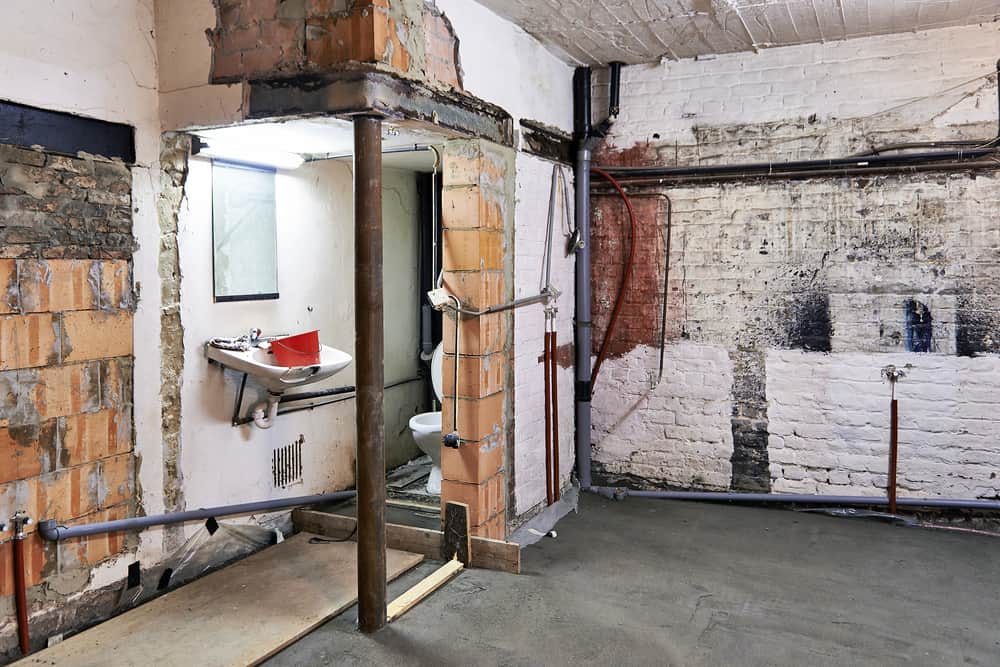
From there, affected materials are physically removed not sprayed over and HEPA filtration equipment runs throughout the process to capture airborne particles. After remediation is complete, an independent licensed assessor performs post-clearance testing to confirm the work is done. We also coordinate directly with your insurance carrier throughout, handling documentation and claims communication so you’re not managing that conversation on top of everything else.
Ready to get started?
Residential Mold Removal Services Lindenhurst NY
Mold removal in Lindenhurst covers a wider range of scenarios than most homeowners expect going in. Basement mold removal is the most common call and given the groundwater pressure that builds against foundations near the Great South Bay, it’s also the most recurring. Attic mold removal is equally prevalent here, especially in older homes where inadequate ventilation and winter ice dams force moisture into the roof decking and framing year after year. Crawl space mold, bathroom mold, and HVAC-related mold in ductwork are all part of the picture too.
We handle the full scope: inspection, containment, physical removal of mold-affected materials, structural drying, dehumidification, HEPA air scrubbing, and post-remediation cleaning. For homes in American Venice or Venetian Shores where canal proximity and bay-adjacent groundwater make moisture intrusion essentially a permanent condition the approach has to account for ongoing environmental factors, not just the immediate visible growth.
For properties where water damage and mold occur together, which is the norm rather than the exception in this area, we handle both under one roof. Water extraction, structural drying, mold remediation, and final restoration coordinated as a single project, not handed off between contractors. If your home is in a FEMA flood zone (and many Lindenhurst properties are), we also work directly with flood insurance carriers alongside standard homeowners insurance to document the damage and navigate the claims process on your behalf.
Does my Lindenhurst home still have mold from Hurricane Sandy flooding?
It’s a fair question, and unfortunately the answer for many homes is yes or at least, possibly. When Sandy pushed water through neighborhoods south of Montauk Highway in 2012, a lot of the remediation that followed was rushed. Contractors were overwhelmed, homeowners were desperate to get back into their homes, and in many cases, wet materials were dried rather than removed. Mold that wasn’t fully addressed back then doesn’t disappear it goes dormant when conditions dry out and reactivates when moisture returns. Given Lindenhurst’s shallow water table and ongoing groundwater pressure from the bay, conditions for reactivation exist year-round in many basements and crawl spaces.
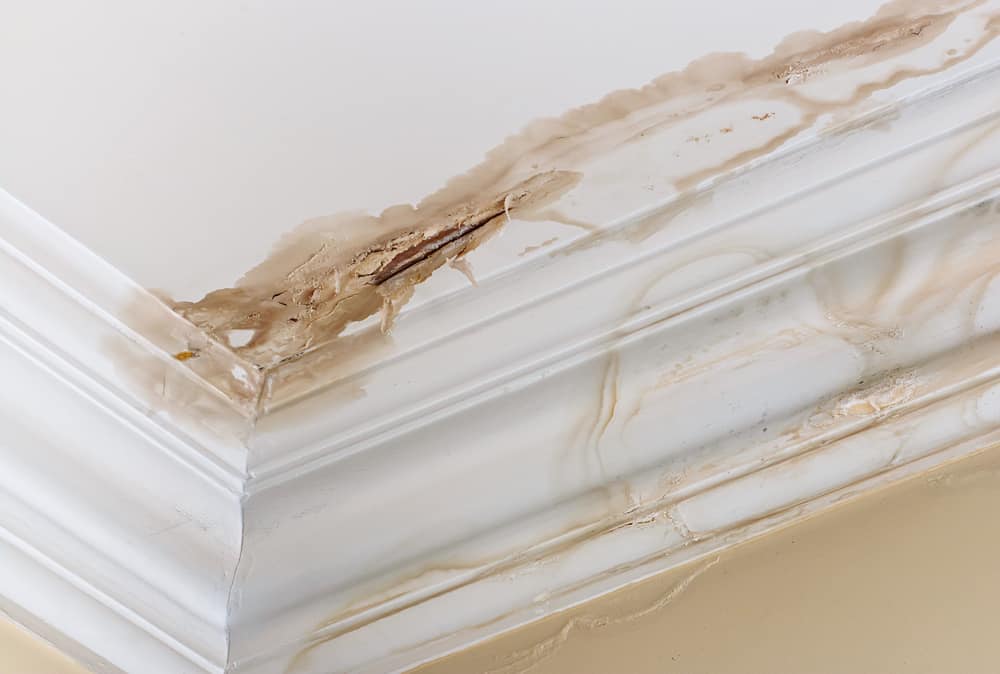
If your home flooded during Sandy and you’ve noticed a musty smell, visible dark spots, or worsening allergy or asthma symptoms in recent years, it’s worth having a licensed assessor take a look. Thermal imaging and moisture sensors can detect residual mold in structural framing and wall cavities that a visual inspection won’t catch. The longer it sits, the more structural material it affects and the more expensive the remediation becomes.
How much does mold removal cost in Lindenhurst, NY?
The honest answer is that it depends on where the mold is, how much of it there is, and whether water damage is involved. For a contained basement mold issue in a typical Lindenhurst home, you’re generally looking at somewhere between $1,500 and $6,000. Attic mold removal tends to run $1,000 to $4,000 depending on the size of the affected area and whether insulation needs to be removed and replaced. Crawl space work ranges from $500 to $5,000. For larger post-flood scenarios the kind that became common after Sandy whole-home remediation can run significantly higher.
What drives cost up in Lindenhurst specifically is the combination of older construction and chronic moisture conditions. Homes built in the 1950s and 1960s often have original plaster walls, no vapor barriers, and structural framing that has absorbed decades of South Shore humidity. That means more material is typically affected than in a newer build, and the remediation has to go deeper. The best way to get an accurate number is a proper inspection not a phone estimate so the scope is fully understood before any work begins.
What's the difference between mold removal and mold remediation?
These terms get used interchangeably, but there is a meaningful distinction. Mold removal, in the literal sense, refers to physically removing mold-affected materials cutting out drywall, pulling up flooring, stripping insulation. Mold remediation is the broader process that includes containment, physical removal, treatment of affected surfaces, HEPA air scrubbing, structural drying, and post-clearance testing to confirm the environment is back to normal. Remediation is the standard you should expect from any licensed contractor.
In New York State, Article 32 of the Labor Law sets the legal framework for how this work must be done. A written remediation plan is required before work begins, containment protocols must be followed, and post-remediation clearance testing must be performed by an independent licensed assessor not the same company that did the remediation. If a contractor skips any of these steps, they’re not just cutting corners they’re operating outside state law. In Lindenhurst, where mold problems are often more complex due to the area’s age and moisture conditions, following the full remediation process isn’t optional. It’s the only way to actually solve the problem.
Is mold covered by homeowners or flood insurance in Lindenhurst?
This is one of the most confusing parts of the process, and it’s especially relevant in Lindenhurst because many properties here carry both homeowners insurance and flood insurance through the NFIP or a private carrier. Whether mold is covered depends largely on the cause. If mold resulted from a sudden, covered event a burst pipe, a storm that forced water into the home your homeowners policy may cover remediation. If it resulted from long-term moisture intrusion or flooding, that’s typically where flood insurance comes in, though mold coverage under NFIP policies has historically been limited.
The intersection of both policies in a post-flood scenario is genuinely complicated, and most homeowners aren’t equipped to navigate it alone during a crisis. We work directly with insurance carriers both homeowners and flood to document the damage, prepare the scope of work, and communicate with adjusters throughout the process. The goal is to maximize what your coverage actually provides so you’re not paying out of pocket for something your policy should handle. If you’re unsure what your policies cover, the best first step is getting a proper inspection with thorough documentation before anything is touched.
How do I know if I have black mold in my Lindenhurst home?
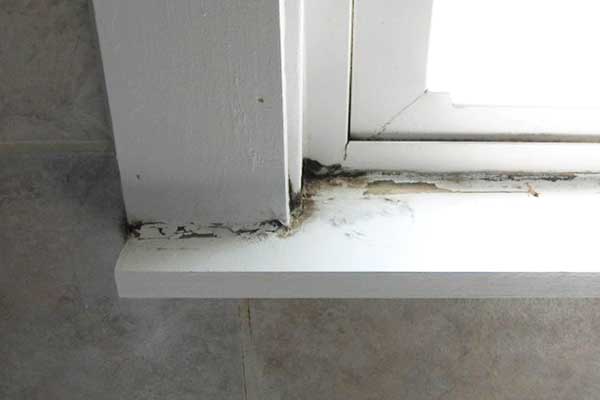
Black mold Stachybotrys chartarum is one of the more serious mold species because of its health implications, but it’s also one of the more misunderstood. Not every dark-colored mold is Stachybotrys, and not all toxic mold is black. The only way to confirm what species you’re dealing with is through professional testing. That said, there are signs worth paying attention to: a persistent musty odor that doesn’t go away when you ventilate the space, visible dark staining on walls or ceilings (especially in basements, bathrooms, or around windows), and unexplained respiratory symptoms or headaches that improve when you leave the house.
In Lindenhurst, the highest-risk areas are basements and crawl spaces in homes with chronic groundwater exposure, attic spaces in older homes with inadequate ventilation, and any area that was water-damaged and not fully dried out after a flooding event. Canal-side properties in American Venice and bay-adjacent homes in Venetian Shores face particularly persistent moisture conditions that create favorable environments for mold growth year-round. If you’re seeing or smelling something that concerns you, don’t wait mold spreads, and the longer it’s left, the more material it affects.
How long does mold removal take for a typical Lindenhurst home?
For a contained area a single bathroom, a section of basement wall, a portion of attic decking remediation can often be completed in one to two days. For larger projects involving multiple rooms, significant structural material, or homes that experienced flood damage, the timeline extends accordingly. Post-flood remediation in a Lindenhurst home with a finished basement and affected structural framing could realistically take several days to a week, depending on the extent of the damage and how much drying time is required before clearance testing can be performed.
One factor that affects timing in this area specifically is the need for post-remediation clearance testing by an independent licensed assessor a requirement under New York State Article 32. That testing can’t be rushed, and the results need to confirm that airborne spore counts are back to normal before the space is considered clear. In a community like Lindenhurst, where homes have been dealing with moisture intrusion for decades and mold problems often run deeper than they appear on the surface, cutting that step short isn’t something a responsible contractor will do. The timeline is what it needs to be to actually finish the job.
Useful Links
Other Services we provide in Lindenhurst