
Mold Removal in Nissequogue, NY
When the River Comes In, Mold Follows Fast
Hear from Our Customers
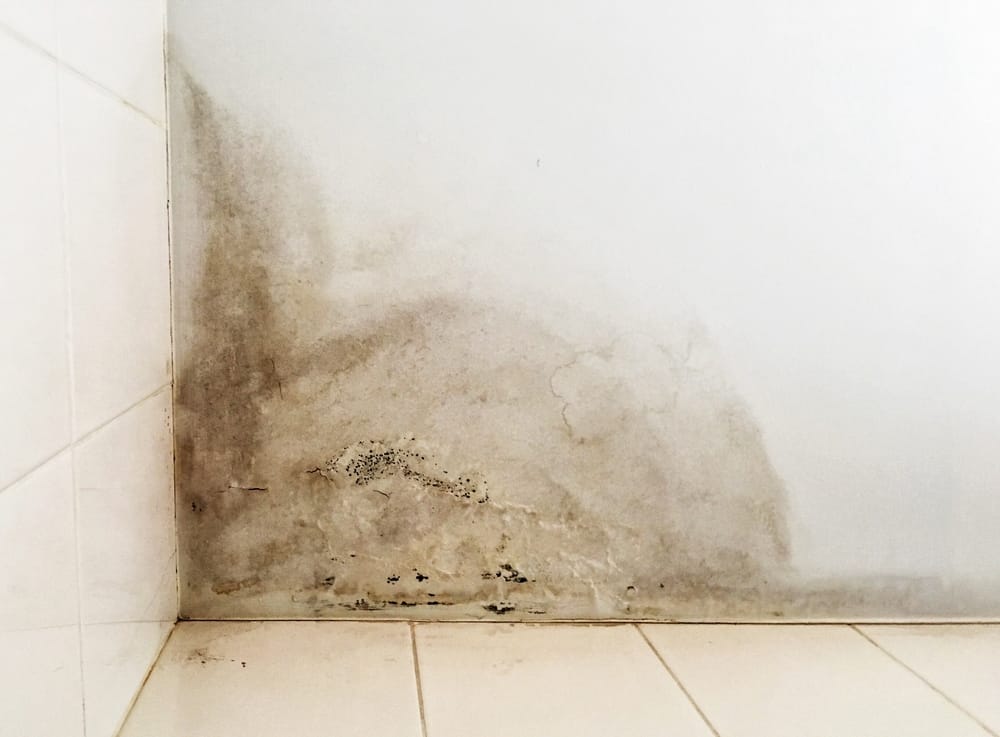
Residential Mold Removal Nissequogue, NY
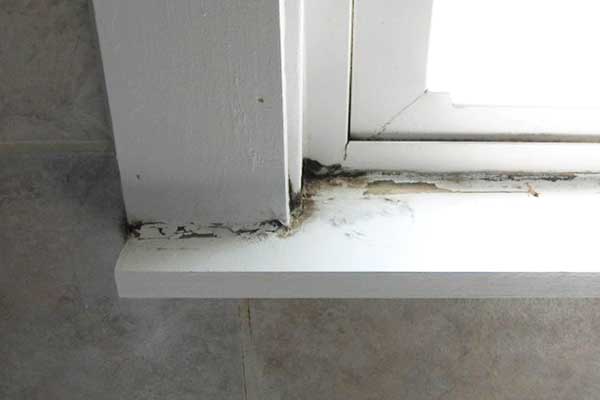
Most homeowners who call us about mold aren’t dealing with a surface issue. They’re dealing with something that started behind a wall, under a floor, or in an attic they never think about and by the time it’s visible, it’s already been growing for a while. That’s especially true in Nissequogue, where the moisture environment created by the river and harbor means affected areas often hide longer before discovery.
When mold is removed correctly, the difference isn’t just visual. The air quality changes. The musty smell that you’d written off as “just an old house” goes away. For families in Nissequogue’s larger estate homes many of them built decades ago with crawl spaces, full basements, and attic spaces that weren’t designed with modern ventilation in mind that’s a meaningful shift. You’re not just fixing a cosmetic problem. You’re removing something that affects how your family breathes every day they’re inside.
What you get at the end of a proper remediation from us isn’t a coat of paint over a problem. It’s physical removal of affected material, post-remediation air testing by an independent assessor, and a documented clearance that confirms the work is done not just that it looks done.
Mold Removal Companies in Nissequogue, NY
First Response Restoration and Cleaning Inc. has been working in Nassau and Suffolk County homes since the early 1990s. That’s not a marketing number it’s the length of time it takes to actually understand how Long Island’s housing stock ages, how North Shore moisture conditions behave season to season, and what it means to work inside a home that someone has invested everything into protecting.
We already serve the Nissequogue area through our Suffolk County operations, and we’ve seen firsthand what the Nissequogue River watershed does to homes along its corridor especially after events like the August 2024 Stump Pond Dam breach, which sent floodwater into riverside properties and left behind the exact conditions mold needs to take hold. We know this area. We’re not learning it on your job.
Our technicians are IICRC-certified and fully licensed under New York State’s Article 32 the law that’s required every mold remediation contractor in this state to hold a valid license since 2016. We carry it, we display it, and we’ll show it to you before a single tool comes off the truck.
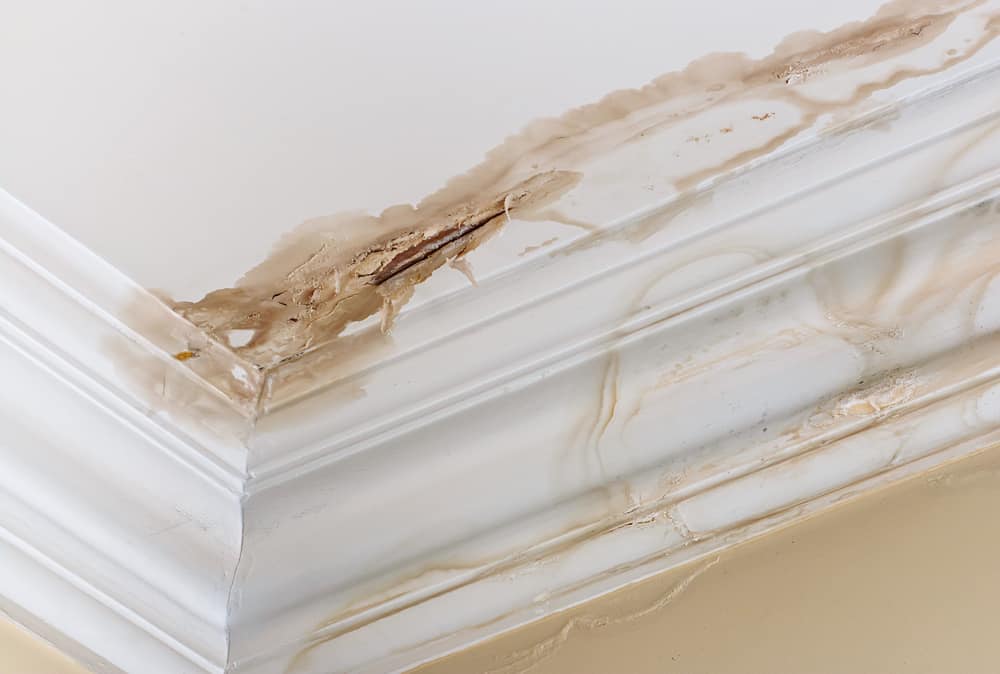
Professional Mold Removal Services Nissequogue, NY
It starts with finding the moisture source because removing mold without fixing what’s feeding it is just temporary. We use moisture meters and thermal imaging to locate water intrusion points that aren’t always obvious, especially in older Nissequogue homes where aging foundations, complex roof lines, and decades-old crawl spaces can hide problems for years. If we can’t see it, we have the tools to find it.
Once the source is identified and the scope is confirmed, we set up containment. That means negative air pressure barriers to keep spores from spreading to unaffected areas of your home while work is underway. HEPA air scrubbers run throughout the job. Affected materials drywall, insulation, wood framing are physically removed, not treated over. This is what the IICRC S520 standard requires, and it’s what actually works.
New York State’s Article 32 law also requires that the company doing your remediation cannot be the same one that performed your mold assessment so the clearance testing at the end is done by an independent assessor. That’s not a bureaucratic technicality. It’s the objective confirmation that the job is finished and your home is clear. When that report comes back clean, you have something documented and verifiable which matters for your peace of mind, your insurance, and any future real estate transaction involving this property.
Ready to get started?
Attic and Basement Mold Removal Nissequogue, NY
Nissequogue’s housing stock isn’t uniform. You’ve got early 20th-century estate homes with large, underventilated attics sitting next to mid-century builds with full basements that back up to the river. The scope of mold removal in this village isn’t one-size-fits-all and any company that gives you a flat answer before walking your property isn’t being straight with you.
Attic mold removal in Nissequogue is one of the most common calls we get from this area. Cold North Shore winters push warm interior air into attic spaces where it condenses on roof sheathing and framing and in homes with complex rooflines and inadequate ridge ventilation, that moisture has nowhere to go. We handle attic remediation with full containment to protect living areas below, physical removal of affected sheathing or framing where necessary, and HEPA treatment throughout.
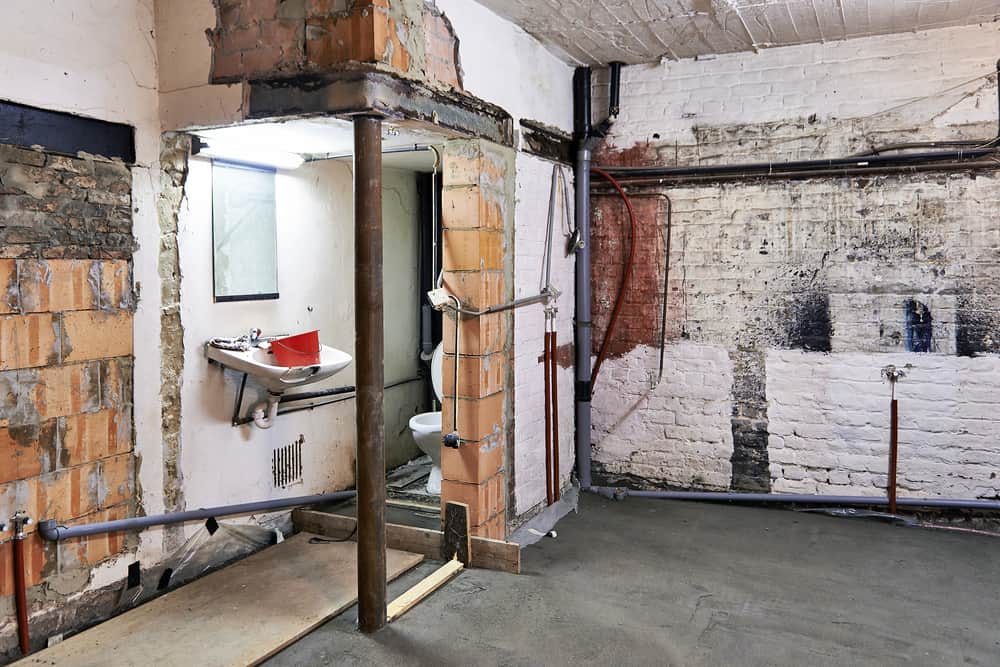
Basement and crawl space mold removal follows a similar process, but the moisture source is usually different hydrostatic pressure from Nissequogue’s high water table, or direct water intrusion from a flooding event like the one in August 2024. We also handle bathroom mold removal, which is typically more contained but still requires proper treatment to prevent recurrence. Whatever the location in your home, the work includes source correction, physical removal, containment, HEPA filtration, and independent post-remediation clearance testing. We also coordinate directly with your insurance carrier if the damage is tied to a covered event so you’re not navigating that process alone.
Does mold always grow after flooding in a Nissequogue home?
Not always but the window to prevent it is much shorter than most people expect. Mold spores can begin colonizing water-damaged surfaces within 48 to 72 hours of water intrusion, which means the timeline matters more than almost anything else. If your Nissequogue home took on water during a flooding event including the August 2024 Stump Pond Dam breach that sent floodwater down the Nissequogue River corridor and it wasn’t fully dried and remediated within that window, there’s a real chance mold has already established itself somewhere in the structure, even if you can’t see it yet.
The areas you can’t see are the ones that tend to get missed: wall cavities, subfloor assemblies, the underside of hardwood flooring, insulation behind finished drywall. Moisture gets trapped in those spaces and stays there long after the surface looks dry. If your home was affected by any flooding event and you haven’t had a professional moisture assessment, that’s the right first step before assuming everything is fine.
What does mold removal actually cost for a home in Nissequogue?
The honest answer is that it depends on the size of the affected area, where the mold is located, and what materials need to be removed. National averages typically run between $1,200 and $3,800 for most residential projects, but Nissequogue’s larger estate homes many of them 4,000 to 7,000 square feet with expansive attics, full basements, and crawl spaces can push project scopes and costs beyond those averages depending on what’s involved.
What we can tell you is that the estimate you get from us before work begins is the price you pay. No scope inflation once we’re on-site, no upsells once you’ve already committed. We give you a clear written estimate after assessing the actual conditions in your home, and we stick to it. For homeowners whose mold damage is tied to a covered water event, we also work directly with your insurance carrier to document the damage and support your claim which can significantly offset out-of-pocket costs.
Is mold in my Nissequogue attic a sign of something bigger going on?
Usually, yes attic mold is almost always a symptom of a ventilation or moisture problem, not just a surface issue. In Nissequogue’s older estate homes, the most common cause is warm, humid interior air rising into attic spaces that don’t have adequate ridge or soffit ventilation to exhaust it. During cold North Shore winters, that air hits the cold roof sheathing, condenses, and creates the damp conditions mold needs. It can go on for years without anyone noticing until a roofer, a home inspector, or a renovation contractor opens something up and finds it.
The mold itself needs to be physically removed not fogged, not painted over, not treated with a spray. Affected sheathing and framing may need to come out. But just as importantly, the ventilation issue driving the moisture needs to be corrected, or the mold will return. We identify the source as part of every job, not as an add-on.
Do I need a licensed mold remediation contractor in New York, or can I do it myself?
Under New York State’s Article 32 of the Labor Law, any mold remediation project affecting more than ten square feet requires a licensed mold remediation contractor. That law has been in effect since 2016, and it applies throughout the state including in Nissequogue. Hiring an unlicensed contractor isn’t just a legal risk for the contractor; it can create complications for your insurance claim and potentially affect the disclosure obligations involved in any future sale of your property.
DIY mold removal is also riskier than most people realize. Without proper containment, the process of disturbing mold growth can spread spores to areas of your home that weren’t previously affected making the problem significantly larger. HEPA filtration, negative air pressure barriers, and full protective equipment exist for a reason. For a small, contained bathroom issue, some homeowners manage it themselves. For anything in an attic, basement, crawl space, or wall cavity especially in a home near the Nissequogue River professional remediation is the right call.
How do I know if the mold removal was actually done correctly?
The clearest answer is post-remediation clearance testing and under New York State’s Article 32, that testing has to be performed by an independent mold assessor, not the same company that did the remediation. That separation exists specifically so the verification isn’t self-reported. When the independent clearance test comes back clean, you have a documented, third-party confirmation that the affected areas have been successfully remediated.
Beyond the clearance report, there are practical signs the job was done right: the musty odor is gone, not masked; air quality feels noticeably cleaner; and the moisture source that caused the growth has been identified and addressed. If the moisture source wasn’t fixed, the mold will return often within a single season. A remediation job that doesn’t include source correction isn’t a complete job, regardless of what the affected surfaces look like when the crew leaves.
Can mold in my home affect a real estate transaction in Nissequogue?
It can, and in a market like Nissequogue where median home values exceed $1,000,000 and buyers are represented by experienced agents who order thorough inspections undisclosed or improperly remediated mold is one of the more common deal complications. Home inspectors in this price range routinely check attics, basements, and crawl spaces specifically because they know older North Shore estate homes carry elevated moisture risk. If mold is found during inspection and there’s no documentation of professional remediation, buyers have leverage to renegotiate or walk away.
The right approach, whether you’re preparing to sell or simply protecting your investment, is professional remediation with a documented clearance report from an independent assessor. That paperwork is your evidence that the issue was handled correctly and it travels with the property. Buyers, their agents, and their attorneys in a transaction of this size will ask for it, and having it removes a significant point of uncertainty from the deal.
Useful Links
Other Services we provide in Nissequogue