
Hear from Our Customers
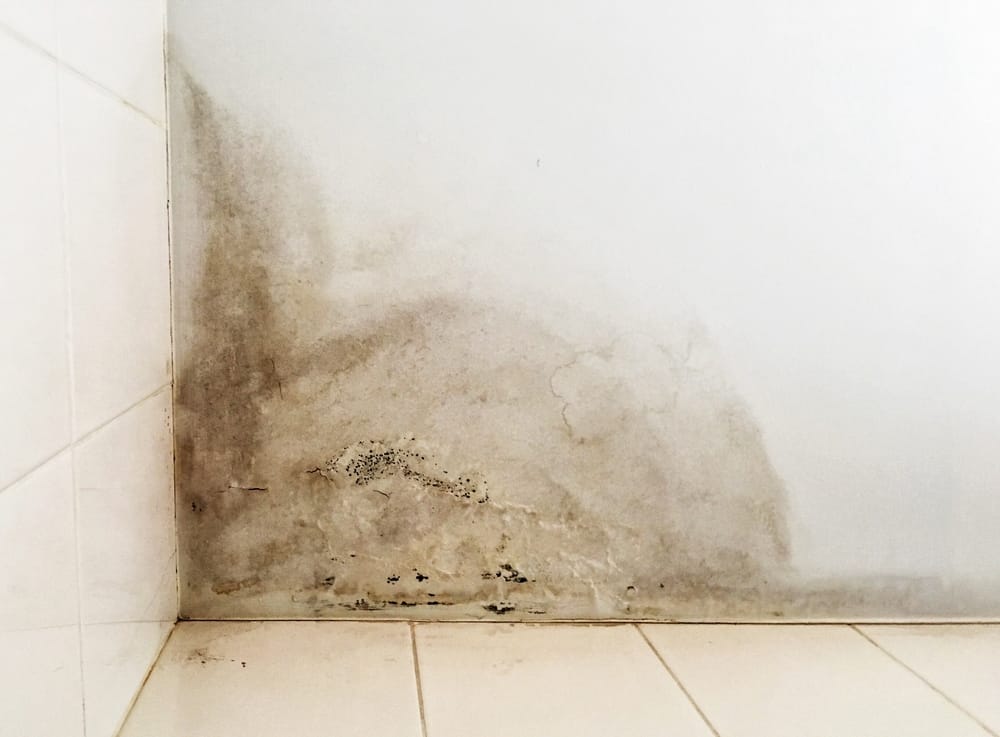
You open the door after a long off-season and the air is clean. No musty smell, no visible growth creeping along the baseboards, no question marks about what’s been growing inside the walls while the house sat empty. That’s what a complete mold remediation job actually delivers — not just a surface treatment, but a verified result you can trust before your family settles in for the summer.
Sagaponack’s oceanfront exposure changes the game for mold risk in a way that most inland communities never deal with. Salt air off the Atlantic degrades window seals, roofing materials, and siding systems faster than average, and once moisture finds a way in, it doesn’t need long to take hold. Properties along Daniels Lane and near Sagg Main Beach are especially vulnerable — the combination of direct ocean humidity, seasonal vacancy, and the elevated water table near Sagg Pond creates conditions where mold can establish itself in a crawl space, attic, or wall cavity over a single off-season.
When the job is done right, you’re not guessing. You have post-remediation clearance testing, documented results, and the confidence that your property — whether it’s a primary residence or a multi-million-dollar seasonal estate — is genuinely safe. That’s the difference between a company that treats the surface and one that actually finishes the job.
First Response Restoration and Cleaning Inc. has been handling mold remediation, water damage, and full property restoration across Suffolk County since the early 1990s. That’s not a marketing number — it means we were here before, during, and after Hurricane Sandy hit the Sagaponack shoreline in 2012, and we’ve been responding to the East End’s most complex restoration jobs ever since.
Every technician we send to a Sagaponack property is IICRC-certified and operates under New York State’s Article 32 mold remediation licensing requirements — which have been mandatory since 2016. We carry full licensing, bonding, and insurance. That matters when you’re dealing with a property worth several million dollars and an insurance carrier that will scrutinize every detail of the remediation documentation.
We also coordinate directly with insurance companies. If your mold situation stems from storm damage, a roof failure, or a burst pipe during a cold winter — all common scenarios on the East End — we handle the documentation and communication so the claims process doesn’t fall on you.
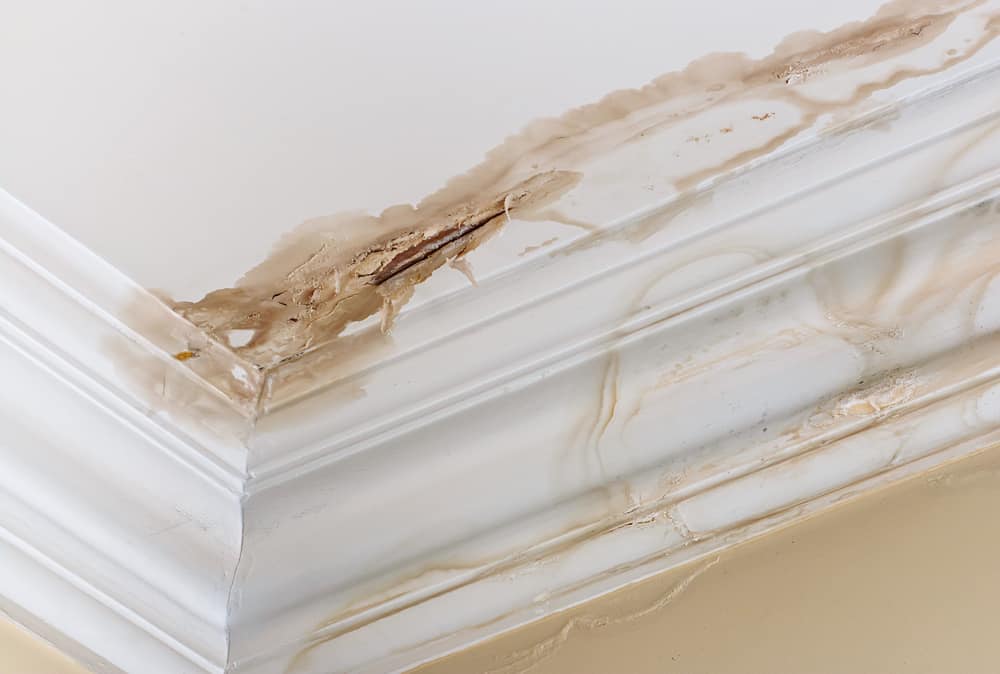
It starts with a thorough inspection. We use moisture sensors, particle counters, and air quality testing to locate mold that isn’t visible to the eye — inside wall cavities, behind custom millwork, in attic spaces above guest wings, in crawl spaces under pool houses. Sagaponack’s estate properties are architecturally complex, and we treat them that way. We’re not walking through a 1,500-square-foot ranch — we’re working through multi-structure properties where mold can develop in areas that rarely get checked.
Once we’ve identified the full scope, we contain it properly. That means negative air pressure, HEPA filtration, and physical barriers that prevent spores from spreading to unaffected areas of the home during removal. Every mold-affected material gets removed — not painted over, not treated with a spray and called done. New York State’s Article 32 regulations require licensed contractors for this work, and our documentation at every stage is built to satisfy both state requirements and your insurance carrier’s standards.
The job doesn’t end when we leave the site. Post-remediation clearance testing confirms that spore levels are within safe ranges before anyone occupies the property. If you’re coordinating a return to Sagaponack for the summer season and need a verified, documented result before your family arrives, that final clearance report is what gives you that certainty.
Ready to get started?
Mold removal in Sagaponack isn’t a one-size job. The properties here range from historic homes near Sagg Main Street to newly constructed oceanfront estates on Daniels Lane, and each one presents a different set of conditions. Older structures may have decades of hidden moisture intrusion behind original finishes. Newer construction that sat exposed to weather during a renovation can carry mold into the building before it was ever occupied. We assess the full picture before we start.
Our services cover the complete scope: attic mold removal, basement mold removal, crawl space mold removal, bathroom mold removal, and full structural remediation for cases where water damage has reached wall framing or insulation systems. We also handle the water damage restoration side — extraction, structural drying, and dehumidification — so you’re not coordinating multiple contractors for what is ultimately one connected problem. For properties near Sagg Pond or in low-lying areas where groundwater seepage is a documented risk, that moisture control piece is just as important as the mold removal itself.
We work on residential properties of all sizes, including the large seasonal estates that define Sagaponack’s housing stock. If you’re a property manager overseeing an estate on behalf of an owner, we’re used to that dynamic — clear communication, accurate documentation, and a timeline you can actually rely on.
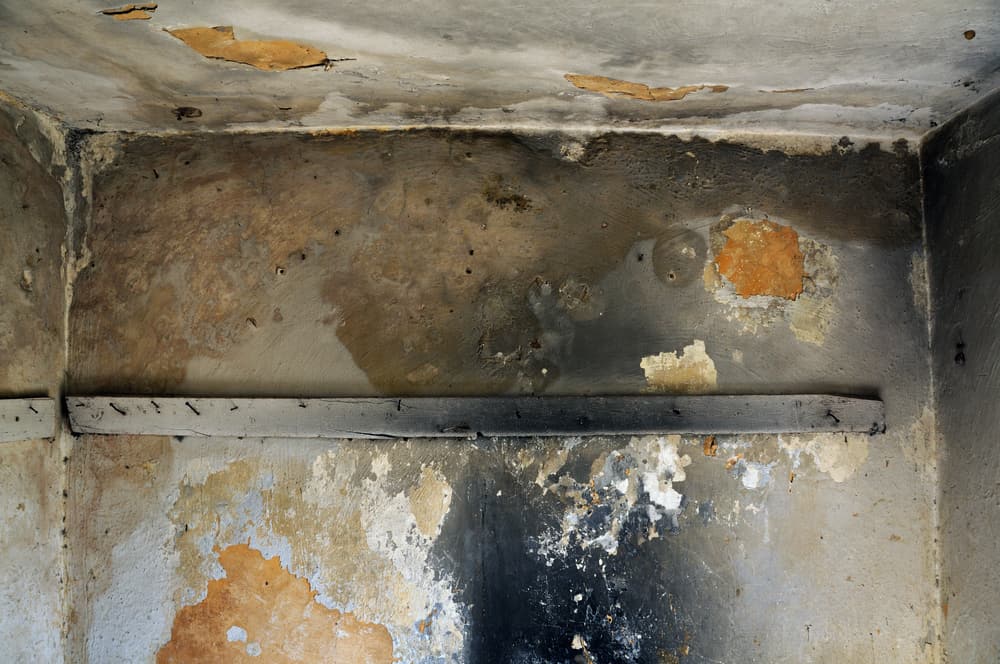
Yes — and it’s one of the most common scenarios we see on the East End. When a property sits unoccupied from October through May with reduced or absent climate control, there’s nothing stopping a slow roof leak, a failed window seal, or a sump pump malfunction from creating the moisture conditions mold needs. Mold spores can spread throughout a room within 72 hours of a moisture event, and over a six-month off-season, what started as a small intrusion can colonize wall cavities, attic insulation, and crawl space framing without anyone present to notice.
Sagaponack’s oceanfront exposure makes this worse. Salt air off the Atlantic accelerates the degradation of roofing materials and window seals, and the water table near Sagg Pond can push groundwater into crawl spaces during heavy rain or storm events. If you’re returning to your Sagaponack property after the off-season and something smells off — or even if it doesn’t — a professional mold inspection is worth doing before you settle in.
If the mold you’re seeing covers more than ten square feet, it’s already beyond what the EPA recommends for DIY treatment. But square footage isn’t the only factor. In Sagaponack’s estate properties — with finished basements, complex HVAC systems, pool houses, and guest structures — mold visible in one area often signals a larger problem elsewhere that surface-level treatment won’t reach. Spraying a mold killer on what you can see doesn’t address what’s growing inside a wall cavity or behind insulation.
There’s also a legal dimension in New York State. Under Article 32 of the NY Labor Law, mold remediation on larger jobs must be performed by a licensed contractor. If your property is insured — and at Sagaponack property values, it certainly is — your carrier may require documentation of licensed, professional remediation before they process a related claim. DIY treatment that doesn’t meet those standards can complicate or invalidate coverage. The safer and more cost-effective path, especially on a high-value property, is getting it done correctly the first time.
Mold removal cost varies significantly based on the size of the affected area, how far the mold has spread into structural materials, and whether water damage remediation is needed alongside it. For a contained bathroom or small attic section, costs might fall in the $1,500 to $3,500 range. For a larger scope — say, a crawl space under a pool house, or mold that has reached wall framing behind finished surfaces in a multi-room area — the cost can range from $5,000 to $20,000 or more depending on the extent of the damage.
In Sagaponack specifically, the size and complexity of the properties often means jobs run toward the higher end of that range. A 10,000-square-foot estate with multiple structures, a finished basement, and an attic system is a fundamentally different scope than a standard residential job. The good news is that if the mold resulted from a covered event — storm damage, a burst pipe, roof failure — your homeowner’s policy may cover a meaningful portion of the cost. We document everything in a format that supports insurance claims, and we’ll walk you through what’s likely covered before work begins.
It depends on the cause. Most standard homeowner’s policies in New York cover mold removal when it results directly from a covered peril — a burst pipe, storm-driven water intrusion, or roof damage from a nor’easter or hurricane. What they typically don’t cover is mold that developed from long-term neglect, a slow leak that went unaddressed, or gradual moisture accumulation over time. That distinction matters a lot for seasonal properties in Sagaponack, where the cause of a moisture event may have occurred months before the mold was discovered.
The documentation you submit with your claim is critical. Insurance carriers — especially those writing policies on high-value Hamptons properties — scrutinize remediation documentation closely. They want to see licensed contractor work, a clear cause-and-effect connection between the covered event and the mold, and post-remediation clearance testing that confirms the job was completed properly. We build that documentation from the start, and we coordinate directly with your adjuster so the process doesn’t become your full-time job.
For a contained, straightforward job — one bathroom, one section of attic — the remediation itself might take one to two days, with clearance testing results following within a few days after that. For a larger scope involving multiple structures, finished basements, or extensive crawl space remediation, the process can run one to two weeks depending on the size of the affected area and whether structural drying is needed before remediation can begin.
The honest answer is that the timeline depends on what we find during the initial inspection. Sagaponack’s estate properties can present situations where mold visible in one area is connected to a moisture source affecting multiple parts of the home. We won’t give you a timeline until we’ve done a thorough inspection, because a rushed estimate based on incomplete information doesn’t serve you. What we can tell you is that we work efficiently, communicate clearly throughout the process, and understand that if you’re coordinating a return to your Sagaponack property for the summer season, your timeline matters.
Start by verifying that the contractor holds a valid New York State mold remediation license under Article 32 of the NY Labor Law. This has been a legal requirement since January 1, 2016, and any company operating in Sagaponack without it is doing so illegally. Ask to see the license before any work begins — a legitimate company will have no hesitation providing it. You should also confirm IICRC certification, which signals that the technicians performing the work have been trained and tested to the highest industry standard.
Beyond credentials, look for a company that offers post-remediation clearance testing as a standard part of the process — not an add-on. In a community where properties carry the values that Sagaponack homes do, a verbal assurance that the job is done isn’t enough. You want a written, tested result. Also consider whether the company has genuine experience on the East End — the seasonal vacancy patterns, the oceanfront exposure conditions, and the scale of the properties here are genuinely different from what most Long Island contractors deal with regularly. We’ve been serving Suffolk County for over 31 years, including the East End, and that local familiarity shows in how we approach every job.
Useful Links
Other Services we provide in Sagaponack