
Mold Removal in Wyandanch, NY
Wyandanch's Older Homes Hide Mold Here's What to Do About It
Hear from Our Customers
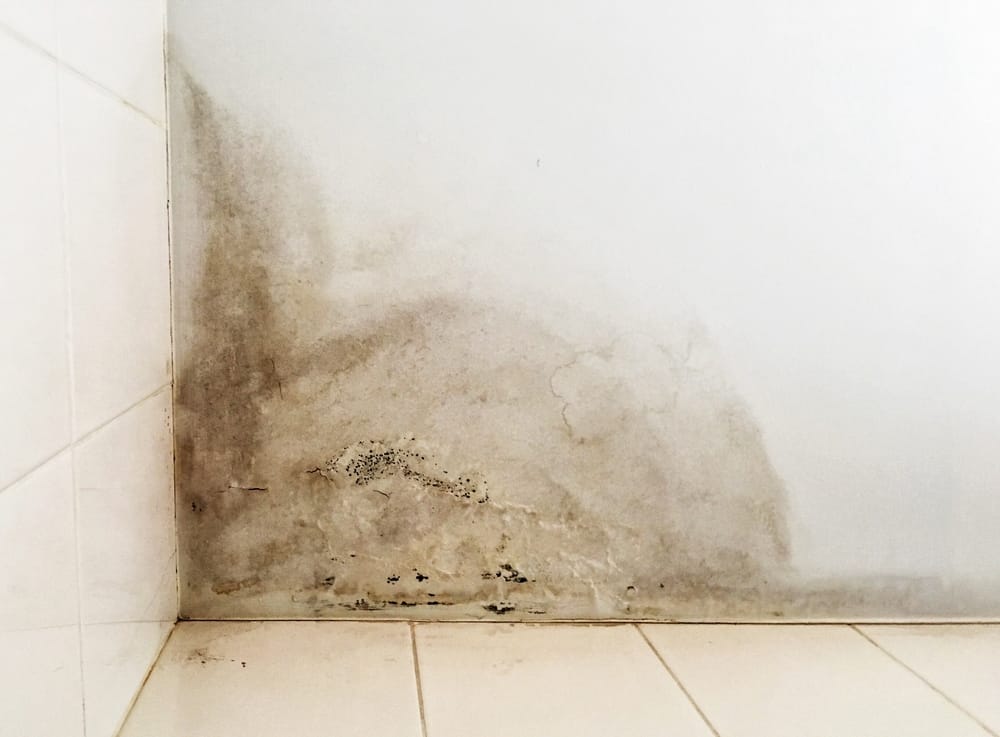
Basement Mold Removal in Wyandanch
Mold doesn’t stay in one place. Once it takes hold behind drywall, under flooring, inside a wall cavity it spreads. In Wyandanch homes that have been standing since the 1950s, the conditions that let it grow rarely fix themselves on their own.
What changes after proper mold remediation isn’t just the smell or the visible spots on the wall. It’s the air quality in the rooms your family actually lives in. It’s knowing that the musty basement your kids walk through every day isn’t quietly affecting their breathing. For Wyandanch homeowners dealing with the kind of moisture that creeps into post-war construction aging basement walls, original insulation that traps humidity, attic spaces that were never properly ventilated getting the mold handled correctly means the problem stops coming back.
Long Island summers push indoor humidity well past the threshold where mold can grow within 48 hours of any moisture event. Wyandanch’s lower-lying terrain south of the LIRR tracks makes basement flooding after heavy rain a real and recurring issue for many households. When water gets in and the moisture isn’t fully dried out, mold follows. The outcome you’re looking for isn’t just clean walls it’s a home that’s actually safe to live in.
Licensed Mold Remediation Contractor in Wyandanch
We’ve been serving Suffolk County homeowners for over three decades. Based in West Babylon directly south of Wyandanch, connected by Straight Path when you call the Suffolk County line at 631-587-5300, you’re not reaching a call center somewhere else. You’re reaching a team that knows Wyandanch and the surrounding area.
Every technician is IICRC-certified under the S520 Standard for Professional Mold Remediation, and we operate in full compliance with New York State Article 32 the law that requires all mold remediation contractors to hold a valid state license before touching a job. That’s not a box to check. It’s what separates legitimate remediation from a crew that wipes down surfaces and calls it done.
Real customers have noted that the estimate given before work starts is the exact amount charged when the job is finished no added fees, no scope surprises. In a community like Wyandanch, where a remediation bill represents a real financial commitment, that kind of consistency matters.
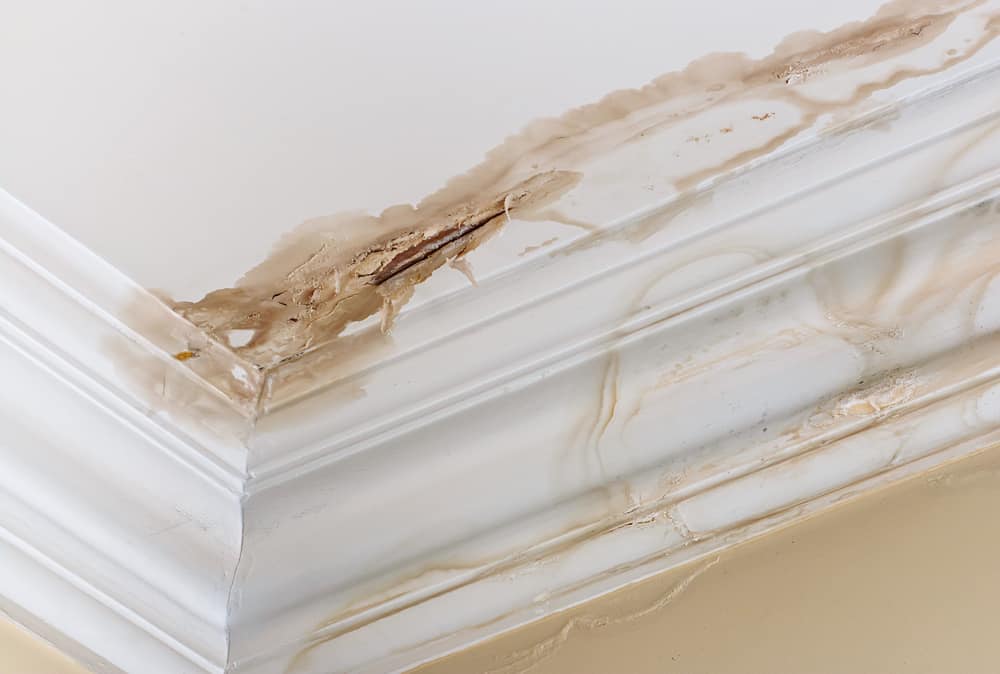
Professional Mold Removal Services in Wyandanch, NY
The first step is an honest assessment. One of our certified technicians comes to your Wyandanch home, identifies where the mold is and more importantly, where the moisture is coming from. In homes like the ones in Carver Park and Lincoln Park, that often means checking behind original drywall, inside attic insulation, and along basement walls that have absorbed decades of ground moisture. Moisture sensors and particle counters are part of that process, not optional extras.
Once the scope is clear, we prepare a written mold remediation plan before any work begins. That’s not just good practice it’s required under New York State Article 32. Containment goes up to isolate the affected area, negative air machines maintain pressure so spores don’t travel to the rest of your home, and mold-affected materials are physically removed. Bleach doesn’t cut it on porous surfaces like wood framing or drywall. Removal does.
After the remediation is complete, post-remediation air quality testing confirms the job is actually done not just visually clean. If the water damage that caused the mold in the first place needs to be addressed, we handle that too. One call covers the full scope, from initial assessment through complete restoration.
Ready to get started?
Attic and Basement Mold Removal in Wyandanch, NY
Mold in a Wyandanch home rarely shows up in just one place. The most common calls we receive involve basement mold removal especially in the older ranch and Cape Cod-style homes where original basement walls were never waterproofed to modern standards. But attic mold removal is just as common, and often more overlooked. During Long Island winters, warm air from the living space rises into the attic, hits the cold roof sheathing, and condenses. Without proper ventilation which many mid-century homes in this area simply don’t have mold colonizes the wood over a single season before anyone notices.
Crawl space mold removal, bathroom mold removal, and toxic mold cleanup are all part of what we handle across Wyandanch and the surrounding 11798 ZIP code, including Wheatley Heights. For any job where structural materials need to come out drywall, framing, insulation we can advise on what may require a permit through the Town of Babylon Building Department before work starts. That’s local knowledge most out-of-area companies won’t have.
For homeowners dealing with mold after a water damage event, we coordinate directly with insurance carriers. Whether the source was storm water intrusion, a failed sump pump, or a slow roof leak, the documentation process starts correctly from the first visit which matters when it comes time to file a claim.
How much does mold removal cost for a home in Wyandanch, NY?
Mold removal costs in Wyandanch typically fall somewhere between $1,200 and $6,000 depending on where the mold is located, how far it’s spread, and what materials need to come out. Basement mold removal tends to run $1,500 to $6,000 when walls or flooring are involved. Attic mold removal generally lands between $1,000 and $4,000. Smaller bathroom or surface-level jobs can come in under $1,500.
What drives cost up is almost always the same thing: delayed response. The longer moisture sits in a 1950s or 1960s home the kind that makes up most of Carver Park and Lincoln Park the deeper mold roots into the wood framing and insulation. A problem caught early is a fraction of the cost of one that’s had months to grow behind walls. We provide a written estimate before any work begins, and that number doesn’t change when the job is done.
What are the signs of mold in an older Long Island home I should watch for?
The most common early sign is smell a persistent musty or earthy odor that doesn’t go away after cleaning. In older Wyandanch homes, that smell often comes from the basement or attic, where mold can grow for months before it becomes visible. Visible discoloration on basement walls, ceiling tiles, or attic rafters is another clear indicator. Unexplained health symptoms recurring sinus congestion, worsening asthma, or a cough that clears up when you leave the house are also worth taking seriously.
In Wyandanch’s post-war housing stock, the most vulnerable spots are basement walls (especially if you’ve had any water intrusion after heavy rain), attic insulation near the roofline, and wall cavities around original windows and plumbing. If you’ve noticed any of these signs, the right move is a professional assessment not a bleach spray. Surface treatment without identifying the moisture source just delays the problem.
Does homeowners insurance cover mold removal in New York?
It depends on what caused the mold. In New York, most standard homeowners insurance policies will cover mold remediation if it resulted from a covered event a sudden pipe burst, storm water intrusion, or appliance leak. What they typically won’t cover is mold that developed from long-term neglect or a slow leak that went unaddressed for months.
The documentation you have at the start of the claim matters enormously. If a remediation company doesn’t properly document the source of moisture and the extent of the damage before starting work, you can lose coverage you would otherwise be entitled to. We work directly with insurance carriers and make sure the damage is documented correctly from the first visit which is especially important for Wyandanch homeowners where a remediation bill can represent a significant out-of-pocket expense if a claim gets denied.
Is the mold removal company I hire in Wyandanch required to be licensed in New York?
Yes and this is one of the most important things to verify before you let anyone start work. New York State Article 32 of the Labor Law has required all mold remediation contractors to hold a valid state license since January 1, 2016. That license must be displayed at the worksite, and a written remediation plan must be prepared before work begins. Hiring an unlicensed contractor isn’t just a legal risk it can also void your insurance coverage if the carrier discovers the work wasn’t done by a licensed professional.
There’s also a conflict-of-interest rule unique to New York: the same company cannot legally perform both the mold assessment and the mold remediation on the same job. That separation exists to protect you. We operate in full compliance with Article 32, and our license is available for verification. Before you hire anyone for mold removal in Wyandanch, ask to see their state license number a legitimate company will have no hesitation showing it.
Will the mold come back after professional removal in my Wyandanch home?
If the moisture source isn’t fixed, yes it will come back. Mold is a symptom of a moisture problem, not the problem itself. Professional mold removal that physically removes contaminated materials and treats the affected area will eliminate the existing colony. But if the basement wall is still allowing groundwater to seep in after heavy rain, or if the attic still lacks proper ventilation through a Long Island winter, new mold growth can start within weeks.
This is the most common reason people call a second time after a previous company did the work. The remediation looked complete, but the source a slow roof leak, a grading issue that directs rainwater toward the foundation, a failed vapor barrier in a crawl space was never addressed. We identify and document the moisture source as part of every job, and can handle the water damage restoration side as well. The goal is to close the loop, not just clean the surface.
Can my family stay in the house during mold remediation in Wyandanch?
It depends on the scope and location of the work. For smaller, well-contained jobs bathroom mold removal or a limited section of basement wall, for example it’s often fine to remain in the home while work is being done in a sealed-off area. Negative air pressure containment keeps spores from traveling to the rest of the house during the remediation process.
For larger jobs involving significant material removal, heavy mold contamination in a living area, or toxic mold cleanup in a central part of the home, temporarily relocating for a day or two is the safer call especially if there are young children, elderly family members, or anyone with asthma or respiratory sensitivities in the household. Given that Wyandanch has a strong family character and many multigenerational households, this is a question worth asking directly when you get your assessment. We’ll give you a straight answer based on what we actually find not a blanket policy either way.
Useful Links
Other Services we provide in Wyandanch