
Mold Remediation in Bellmore, NY
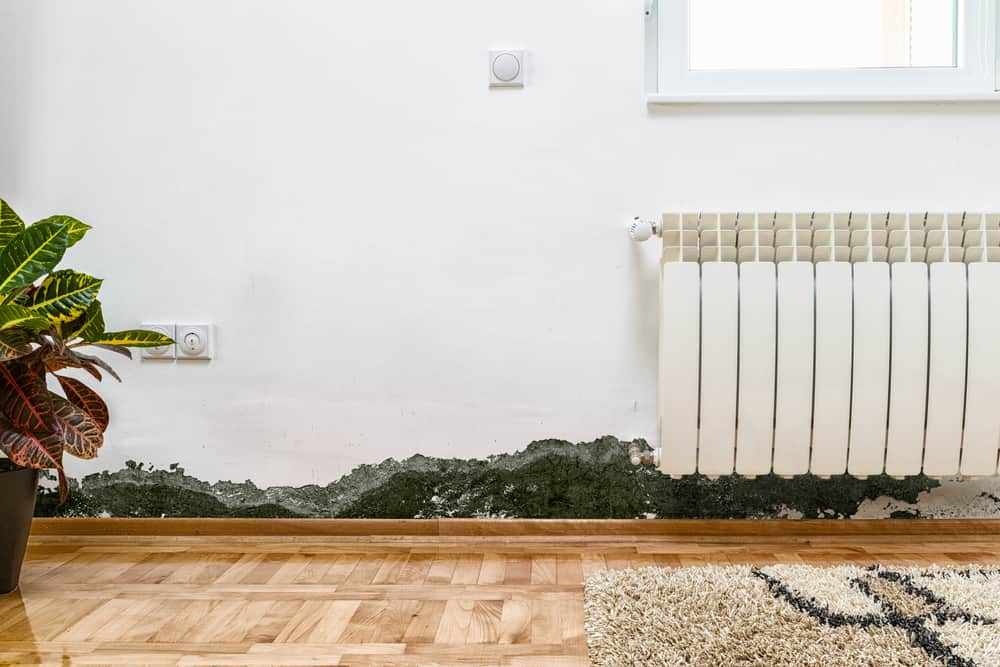
When Shore Road Floods, the Mold Clock Starts
Hear from Our Customers
Basement Mold Remediation Bellmore, NY
The goal isn’t just to clean up what’s visible. It’s to make sure the mold doesn’t come back in six months because the moisture source was never addressed. That’s the part most homeowners don’t realize until they’ve already paid someone once and are dealing with it again.
For Bellmore homes especially anything south of Sunrise Highway near the canals this matters more than it does in most places. The water table is shallow, the housing stock is old, and the coastal humidity from South Oyster Bay doesn’t let up from June through August. If your crawl space, basement, or attic hasn’t been properly assessed, there’s a real chance something is growing behind a wall or under a floor that you haven’t found yet.
When we handle mold remediation in Bellmore, NY the right way, you get a home that’s been tested, treated, and cleared with written documentation. If you’re selling, that clearance report is what keeps a $750,000 transaction from falling apart at the inspection. If you’re staying, it’s what lets you stop worrying about what your family is breathing.
Certified Mold Remediation Companies Bellmore, NY
We’ve been serving Nassau and Suffolk County homeowners for nearly 30 years. That’s not a number pulled from a marketing deck it means we’ve worked through Sandy, nor’easters, and every wet season in between, in homes just like yours across the South Shore, including Bellmore’s canal streets and the neighborhoods south of Merrick Road.
Every technician on our team is individually IICRC-certified. Not the company the person showing up at your door. That distinction matters when you’re trusting someone to work inside your home on Bedford Avenue or down a canal street in South Bellmore.
We’re a local Long Island company with a dedicated Nassau County line at 516-698-1776. When you call, you’re reaching a team that knows this area not a regional dispatch center routing your job to whoever’s available.
Professional Mold Remediation Process Bellmore, NY
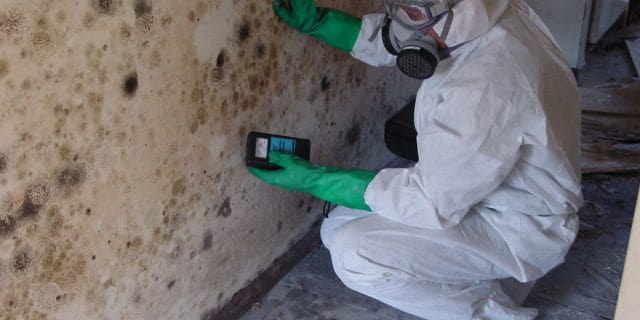
It starts with a thorough inspection not a quick walk-through with a flashlight. Our process includes air testing, swab sampling, infrared imaging to find moisture hiding behind walls, and moisture readings throughout the affected areas. You get a written report with lab results within two to three business days. That’s what gives you a real picture of what you’re dealing with before any remediation work begins.
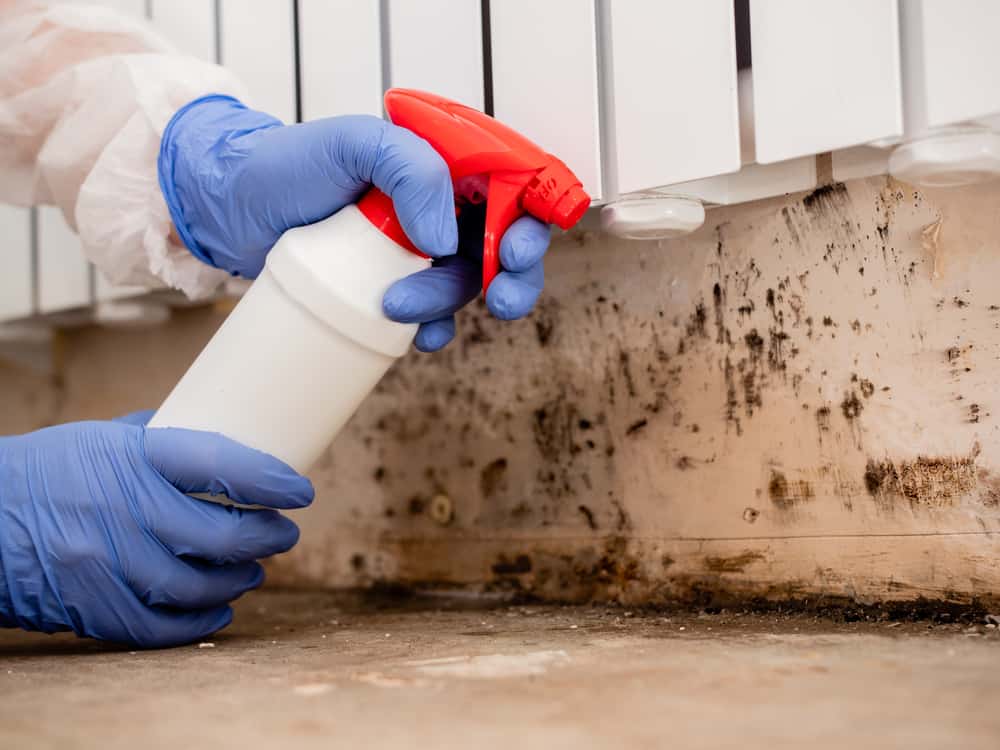
From there, we contain the affected area, remove contaminated materials, and treat the space using methods that meet IICRC S520 standards. In older Bellmore homes the Cape Cods and ranch houses that make up most of the pre-1960 housing stock here that often means getting into crawl spaces, subfloor assemblies, and wall cavities where moisture has been sitting quietly for years. The work is adapted to what’s actually there, not a one-size approach.
Once remediation is complete, post-clearance testing confirms the job is done. If structural materials were removed drywall, framing, flooring we handle the reconstruction too. You don’t need to find a second contractor to finish what we started. One call, one team, start to finish.
Ready to get started?
Black Mold Remediation Services Bellmore, NY
Mold remediation in Bellmore, NY covers the full scope inspection, containment, removal, treatment, and post-clearance verification. For homes near the canals or in the flood-prone streets south of Merrick Road, that often means addressing not just the mold itself but the moisture conditions that made it possible in the first place. A sump pump that’s failing, a crawl space with no vapor barrier, or a roof leak feeding an attic those get identified and flagged as part of the process.
New York State law requires that the company performing the mold assessment and the company performing the remediation be separate entities. We operate in full compliance with this requirement. It’s a consumer protection law designed to prevent inflated remediation scams, and it means the assessment you receive is an honest one not a report engineered to maximize a cleanup bill.
For Bellmore homeowners dealing with attic mold remediation, basement mold remediation, or crawl space mold remediation, the scope of work is documented in writing before anything starts. We offer emergency mold remediation around the clock, because in a coastal community where flooding can happen overnight, waiting until Monday morning isn’t an option. If your situation involves an insurance claim, we help with documentation and the claim process so that burden doesn’t fall entirely on you.
How much does mold remediation cost for a Bellmore, NY home?
The honest answer is that it depends on where the mold is, how far it’s spread, and what materials need to be removed. Nationally, mold remediation averages around $2,300, with most standard jobs falling somewhere between $1,200 and $3,800. Larger infestations particularly in attics or basements where moisture has been sitting for a long time can run higher, sometimes into the $10,000 to $15,000 range.
In Bellmore specifically, the age of the housing stock plays a role. Homes built in the 1950s and 1960s which make up a significant portion of the town often have unencapsulated crawl spaces, original plumbing, and minimal vapor barriers. That means mold can spread further before it’s discovered, which affects the scope and cost of the job. The only way to get an accurate number is a proper inspection with air testing and moisture readings not a visual estimate from someone who looked around for ten minutes.
Does homeowners insurance cover mold remediation in Nassau County?
It depends on the cause. Most standard homeowners insurance policies in Nassau County will cover mold remediation if it resulted from a covered peril a burst pipe, storm flooding, or sudden water damage. What they typically won’t cover is mold that developed slowly over time due to maintenance issues or chronic moisture that wasn’t addressed.
If your mold issue traces back to a flooding event and in Bellmore, that’s a common story given the South Shore’s history with coastal storms you may have a legitimate claim. The key is documentation. You need a written inspection report, lab results, and a detailed scope of work before the insurance company will take the claim seriously. We provide all of that and can help you navigate the paperwork so you’re not piecing it together on your own while also dealing with the damage.
What's the difference between mold remediation and mold removal?
Mold removal sounds simple get rid of the mold. But mold spores are naturally present in the air, so the goal of “removing all mold” isn’t realistic or even the right target. Mold remediation is the correct term for what actually works: bringing mold levels back to a normal, safe range, containing the spread, removing contaminated materials, and treating the affected surfaces so the environment no longer supports growth.
The bigger distinction is whether the moisture source gets addressed. If a company cleans up the visible mold and leaves without identifying why the moisture was there in the first place, you’re going to be dealing with it again. In Bellmore’s South Shore homes where groundwater pressure, coastal humidity, and aging construction all contribute to chronic moisture remediation that doesn’t solve the root cause is just a temporary fix. The process has to include moisture diagnostics, not just surface treatment.
How quickly does mold grow after a basement flood in Bellmore?
Mold can begin growing within 24 to 48 hours of water intrusion. In a Bellmore basement particularly in an older home where the foundation may already have some moisture history that window can close fast. The humidity on the South Shore during summer months regularly exceeds 60%, which accelerates growth even further once water gets in.
This is why response time matters so much. If your basement took on water during a storm, the clock is already running. Getting the space dried out quickly with commercial-grade air movers and dehumidifiers not a box fan from the hardware store is what determines whether you’re dealing with a drying job or a full mold remediation project. We arrive with that equipment on the truck, ready to start the moment we get there. Waiting a few days to “see if it dries out” is one of the most common mistakes homeowners make, and it almost always makes the situation worse.
Is there mold in my attic, and how would I even know?
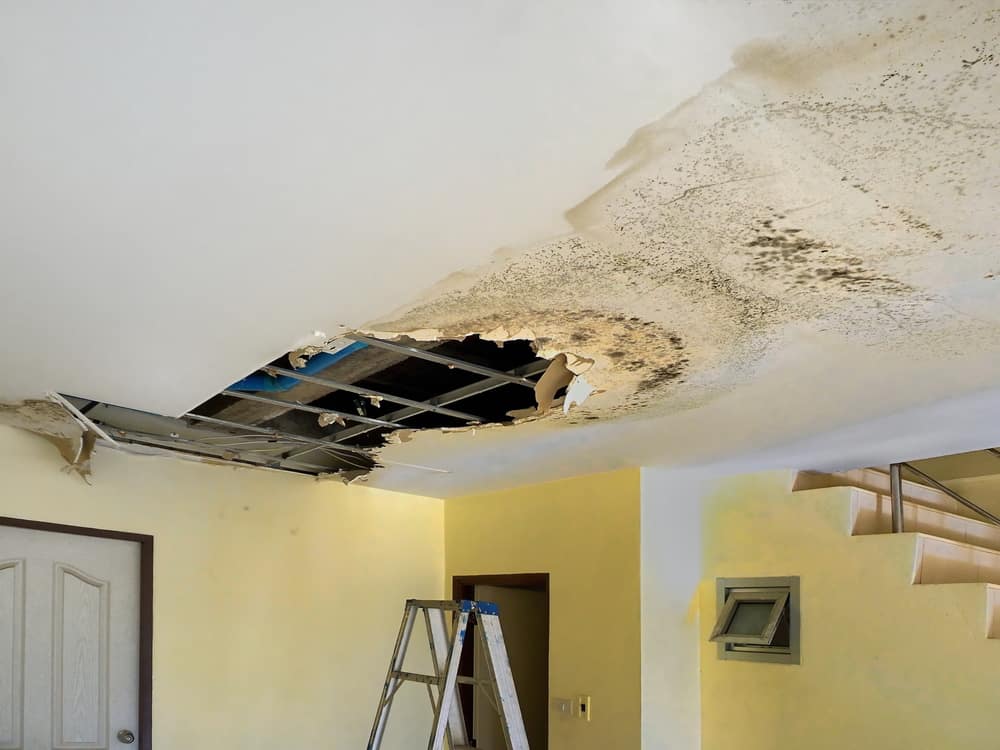
Attic mold is one of the most commonly missed problems in Bellmore’s older housing stock, and most homeowners have no idea it’s there until a home inspector finds it during a pre-sale walkthrough. The reason it develops is usually inadequate attic ventilation a very common issue in Cape Cods and ranch homes built in the 1950s and 1960s. During winter, warm air from the living space rises into the attic and condenses on the cold roof sheathing. Over time, that moisture feeds mold growth on the rafters and decking.
The signs to watch for are a musty smell in upper-level rooms, visible dark staining on roof boards if you have attic access, or an inspector flagging it during a routine inspection. If you’re planning to sell your Bellmore home and haven’t had the attic looked at, it’s worth doing before you list attic mold discovered by a buyer’s inspector is one of the most common reasons real estate transactions in this area get complicated or fall apart entirely.
Can the same company inspect and remediate mold in New York?
No and this is worth understanding before you hire anyone. New York State passed a law in 2016 that specifically prohibits the same company from performing both the mold assessment and the mold remediation on the same property. The law exists because the conflict of interest is obvious: a company that profits from remediation has a financial incentive to find more mold than is actually there.
What this means for you as a Bellmore homeowner is that you need a licensed mold assessor to conduct the inspection and issue the report, and a separately licensed mold remediation contractor to do the cleanup. Both licenses are issued by New York State and are verifiable. When you’re vetting any company including First Response ask to see their license number and confirm it’s current. A legitimate company won’t hesitate to provide it. Anyone who resists that question or tries to bundle both services under one roof is operating outside the law, and that’s a red flag worth taking seriously.
Useful Links
Other Services we provide in Bellmore