
Mold Remediation in Bethpage, NY
Bethpage Basements Don't Lie Neither Do We
Hear from Our Customers
Basement Mold Remediation Bethpage NY
Mold doesn’t stay where you find it. By the time it’s visible on a basement wall or crawl space beam, it’s usually been growing behind the surface for weeks. What you actually need isn’t a spray-down it’s a verified, documented remediation that holds up whether you’re staying put or selling.
Bethpage’s housing stock is almost entirely post-war construction homes built in the 1940s through the 1960s with cinder block foundations, unventilated crawl spaces, and waterproofing systems that were never designed to last 70-plus years. Nassau County’s humid summers push relative humidity well past the threshold where mold accelerates, and every nor’easter that overwhelms an aging sump pump creates exactly the conditions mold needs to establish itself fast.
When the job is done right, you’re not just looking at clean walls. You’re looking at air quality that’s been tested and confirmed, moisture sources that have been identified and addressed, and a written clearance report you can hand to a home inspector, an insurance adjuster, or a buyer’s agent without hesitation. That’s the difference between a surface fix and a real solution.
Certified Mold Remediation Companies Bethpage NY
We’ve been serving Bethpage and Nassau County homeowners for nearly thirty years long before most of the franchise names in your search results existed. That tenure means something specific in Bethpage, where the homes are older, the moisture challenges are real, and the community has a long memory for who shows up and who disappears after the job.
Every technician who arrives at your door holds individual IICRC certification not just our company as an entity, but every person on the crew. That distinction matters when you’re dealing with a crawl space under a 1960s split-level off Hempstead Turnpike or a basement that’s been fighting moisture since before the Grumman plant closed. You get trained professionals, not whoever was available that day.
We also handle reconstruction after remediation. Once the mold is gone and the clearance report is signed off, the same company that did the remediation can restore the drywall, the framing, and the finished surfaces so you’re not coordinating two separate contractors while your home sits open.
Professional Mold Remediation Process Bethpage NY
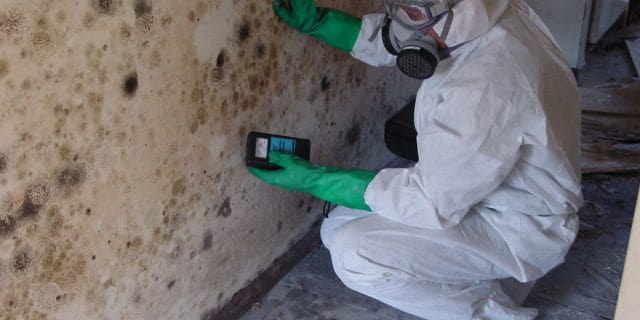
It starts with a 13-point mold inspection not a flashlight walkthrough, but a documented assessment that includes air testing, swab sampling, infrared imaging to find mold hiding behind walls and ceilings, moisture level readings, and a comparison of internal versus external mold particle counts. The written report with lab results comes back within two to three business days. You’ll know exactly what you’re dealing with and where it’s coming from before any remediation work begins.
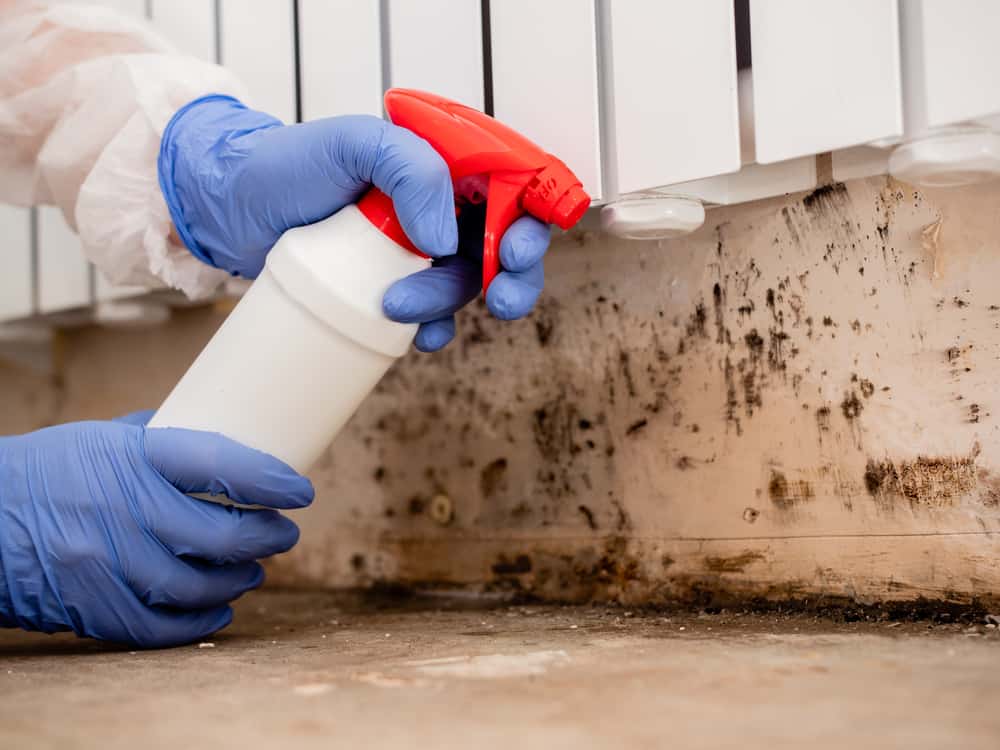
From there, containment goes up, HEPA filtration runs continuously, and the affected materials are removed using full PPE protocols. The moisture source whether it’s a failing foundation, a cracked cinder block wall, or a drainage issue gets addressed as part of the process, not ignored. In Bethpage’s older homes, skipping that step just means the mold comes back in a few months.
New York State’s 2016 mold law requires that the company performing the assessment and the company performing the remediation be separately licensed which means you should never hire one contractor to do both on the same job. We operate in full compliance with this law and will walk you through what that means for your specific situation. Once remediation is complete, post-clearance air testing confirms the space is clean before any reconstruction begins.
Ready to get started?
Black Mold Remediation and Cleanup Bethpage NY
Mold in Bethpage shows up in predictable places: basement walls where cinder block foundations have been absorbing moisture for decades, crawl spaces under post-war homes that were never properly ventilated, and attics in Cape Cods and ranch-style houses where insulation and airflow weren’t built to modern standards. We handle all of it basement mold remediation, crawl space mold remediation, attic mold remediation, and emergency mold remediation when water intrusion has just happened and the clock is already running.
Every job includes containment setup, HEPA air filtration, safe removal of contaminated materials, antimicrobial treatment of affected surfaces, and post-remediation clearance testing with a written lab report. Because we also handle reconstruction, the scope of work doesn’t stop at remediation drywall, framing, flooring, and finished surfaces can all be restored by the same team under the same roof.
For Bethpage homeowners with median home values in the $600,000 to $800,000 range, the math on professional mold remediation is straightforward. An unresolved mold problem can reduce your home’s resale value by 20% to 37%, and half of buyers walk away entirely once mold history comes up. A thorough, documented remediation protects that value and gives you the paperwork to prove it.
How much does mold remediation cost for a Bethpage home?
The honest answer is that cost depends heavily on the size of the affected area, where the mold is located, and whether the moisture source requires repair. For a standard basement or crawl space job in a Bethpage home, most remediation projects fall somewhere between $1,500 and $5,000. Larger situations attic mold in a Cape Cod, or mold that has spread through multiple areas of a post-war split-level can run higher, sometimes into the $10,000 to $15,000 range when reconstruction is factored in.
What’s worth keeping in mind is the context. Bethpage homes are selling in the $600,000 to $800,000 range. A mold problem that’s documented during a home inspection can cost you far more in price reductions or a collapsed sale than the remediation itself would have. Getting a proper inspection and written estimate upfront is always the right starting point it tells you exactly what you’re dealing with before any money changes hands.
What causes mold to grow in Bethpage basements and crawl spaces?
The short answer is moisture but in Bethpage specifically, there are a few conditions that make it more common than people expect. The overwhelming majority of homes here were built between the 1940s and 1960s, and those foundations weren’t constructed with modern waterproofing standards. Cinder block foundations are porous by nature. Crawl spaces in that era were often left unventilated and without vapor barriers. When Nassau County’s humid summers push indoor humidity past 60%, those spaces become ideal environments for mold to establish itself.
Add in the seasonal pattern spring snowmelt seeping through aging foundations, nor’easters overwhelming sump pumps that haven’t been serviced in years, and the condensation that builds on cold basement walls in the fall and you have year-round moisture pressure on structures that weren’t designed to handle it indefinitely. The mold itself isn’t the root problem. The moisture source is. That’s why any legitimate remediation starts with finding and fixing where the water is coming from, not just treating the surface where the mold is visible.
Does New York State require a license to perform mold remediation?
Yes, and the specifics matter for Bethpage homeowners. New York State passed a mold law in 2016 under Article 32 of the Labor Law that requires mold assessors and mold remediators to hold separate licenses issued by the New York State Department of Labor. More importantly, the law prohibits the same licensed contractor from performing both the mold assessment and the mold remediation on the same property.
This rule exists specifically to protect homeowners from a common situation where a company inflates or exaggerates a mold problem during a free inspection in order to sell expensive remediation work. Before you hire anyone, ask to see their New York State mold remediation license and confirm that the company performing your assessment is not the same entity performing the remediation. We operate in full compliance with this law and will explain exactly how the process works before any work begins including what your rights are as a homeowner under state law.
Can I stay in my house during mold remediation in Bethpage, NY?
It depends on the scope of the job and where the mold is located. For a contained basement or crawl space remediation in a Bethpage home, many homeowners are able to remain in the house during the process, provided the containment barriers are properly sealed and the HEPA filtration system is running continuously. The remediation area itself is off-limits during active work, but the rest of the home typically remains livable.
For larger jobs attic remediation in a Cape Cod where the entire upper floor is affected, or situations where mold has spread into HVAC systems and is circulating through the home temporary relocation is often the safer and more practical choice. This is something that gets assessed during the inspection phase, not after work has already started. You’ll know before any remediation begins whether staying put is reasonable for your specific situation, and we’ll give you a straight answer on that rather than making assumptions either way.
How do I know if there's hidden mold in my Bethpage home?
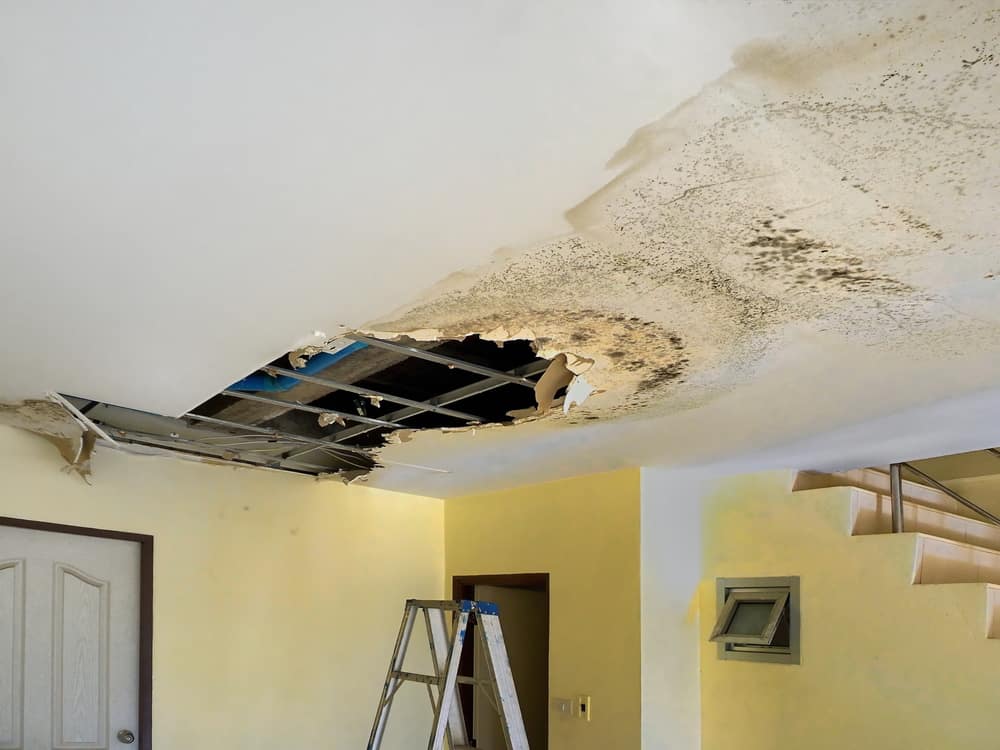
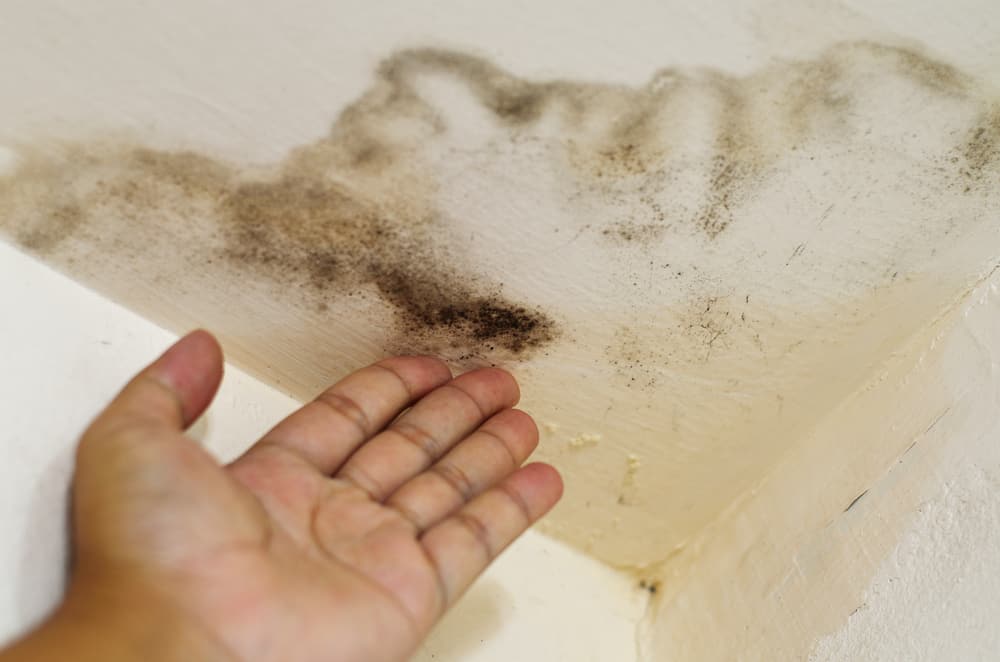
The most common sign is a persistent musty smell that doesn’t go away, especially in basements, crawl spaces, or areas near exterior walls. In Bethpage’s post-war homes, that smell often traces back to moisture that’s been accumulating in a cinder block foundation or an unventilated crawl space for years sometimes without any visible mold on the surface at all. Other indicators include unexplained allergy symptoms that improve when you leave the house, water stains on walls or ceilings, or a history of basement flooding or sump pump failure.
The only way to know for certain is a professional inspection that includes infrared imaging and air testing. Infrared cameras detect temperature differentials behind walls and ceilings that indicate moisture which is where hidden mold is almost always found. Air sampling compares the mold spore counts inside your home to outdoor baseline levels, which tells you whether what’s in the air is consistent with normal outdoor exposure or whether there’s an active indoor source. A visual inspection alone won’t find what’s behind your walls.
Does homeowners insurance cover mold remediation in Nassau County?
It depends on how the mold originated. Most standard homeowners insurance policies in Nassau County will cover mold remediation if it resulted directly from a covered event a burst pipe, a sudden roof leak from storm damage, or water intrusion caused by a nor’easter. In those cases, the mold remediation is typically treated as part of the water damage claim, and coverage can apply to both the remediation and the reconstruction.
Where coverage usually does not apply is when mold is the result of long-term moisture issues that weren’t reported or addressed a slow foundation leak that’s been seeping for years, chronic humidity in an unventilated crawl space, or deferred maintenance on a sump pump system. Insurance companies treat those as maintenance failures rather than sudden losses. The documentation we provide the inspection report, lab results, and a clear timeline of the moisture event is exactly what your adjuster will ask for when evaluating a claim. Having that paperwork ready from the start makes the claims process significantly smoother.
Useful Links
Other Services we provide in Bethpage