
Hear from Our Customers
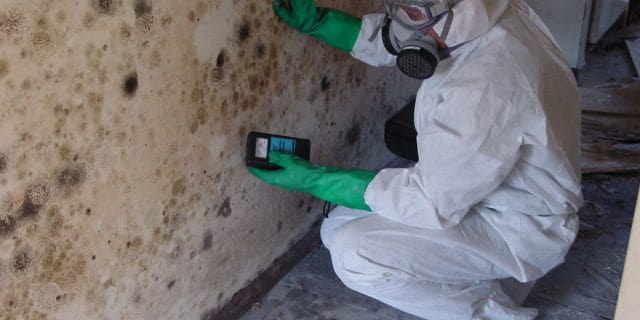
The musty smell in the basement isn’t just unpleasant — it’s telling you something. In Glenwood Landing, where over 67% of homes were built before 1970 and the air off Hempstead Harbor keeps ambient humidity elevated for most of the year, that smell usually means moisture has been sitting somewhere long enough to become a real problem. Not a cosmetic one. A structural one.
When mold remediation is done right, you’re not just clearing visible growth off a surface. You’re removing the contamination from the air, from inside wall cavities, from attic sheathing, from crawl space joists — wherever it actually spread. The visible patch is rarely the whole story in a pre-war or mid-century home. These houses were built without modern vapor barriers, without ridge-and-soffit ventilation, without the moisture management systems we now know matter. That’s not a criticism of the home — it’s just the reality of the housing stock in Glenwood Landing, and it shapes what a proper remediation actually involves.
Once it’s done, the difference shows up in ways you feel before you see them. The air quality improves. The smell is gone. You’re not second-guessing what’s behind the drywall. And if you’re selling — in a market where Glenwood Landing homes regularly list between $700,000 and $1.7 million — you have the lab-verified documentation to prove the problem was handled correctly, not just painted over.
We’ve been serving Nassau County homeowners since the late 1990s. That’s not a marketing number — it’s the kind of tenure that only comes from consistently doing the work right. You don’t stay in this business for three decades by cutting corners or disappearing after the job.
Our team is IICRC certified at the individual technician level, not just the company. That distinction matters. When someone is working inside the walls of your Glenwood Landing home, you want to know that specific person has been trained and tested — not just that the company they work for holds a certificate. Every technician who shows up has met that standard.
We hold a dedicated Nassau County line (516-698-1776) because this is where the work happens — not routed through a national call center. We know North Shore homes, know what harbor-adjacent humidity does to older construction in Glenwood Landing, and have worked in communities from Glen Cove to Locust Valley long enough to understand what these houses actually deal with.
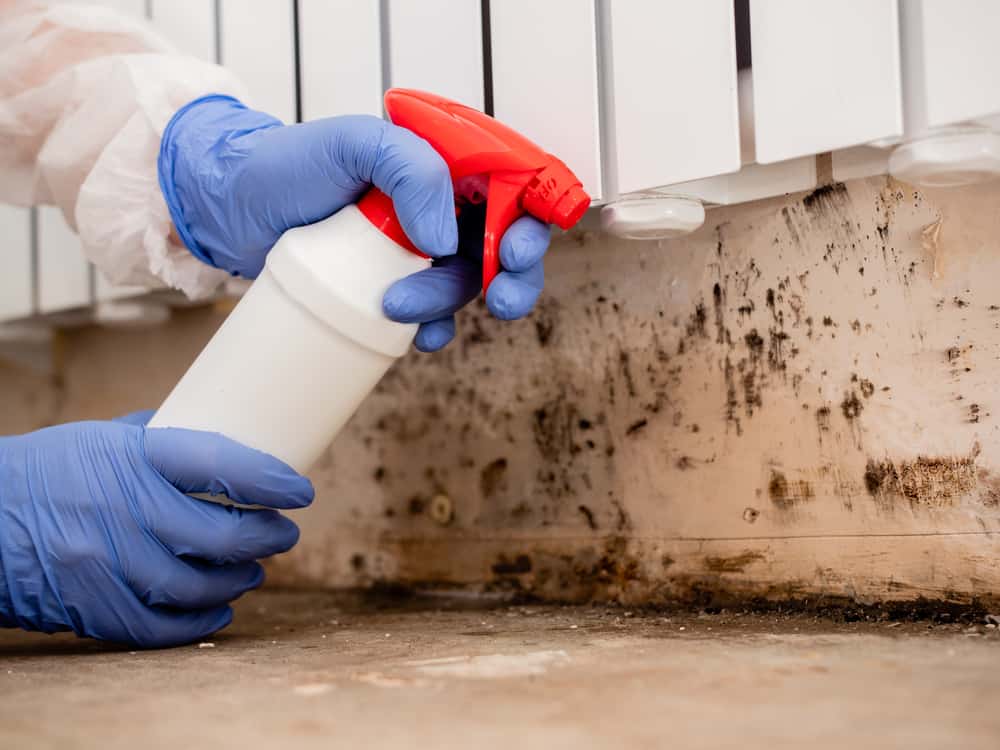
It starts with a 13-point inspection. Air samples, surface swabs, moisture readings, infrared imaging to find what’s hiding behind finished surfaces — all of it goes to a lab, and you have a written report with results within two to three business days. That report tells you what you’re dealing with, where it is, and what needs to happen. No verbal assessments, no vague estimates based on a walk-through with a flashlight.
Once the scope is confirmed, remediation begins with full containment of the affected area. Negative air pressure is established using HEPA filtration so that disturbed mold spores don’t migrate to clean areas of your home during the removal process. Affected materials — drywall, insulation, sheathing, whatever has been compromised — are carefully removed, bagged, and disposed of properly. All surfaces are treated with antimicrobial agents. Then a post-remediation clearance test is run to verify the air quality meets clearance standards before containment comes down.
One thing worth knowing for Glenwood Landing specifically: if your home falls in the section of the hamlet governed by the Town of North Hempstead rather than the Town of Oyster Bay, permit requirements for structural work can differ. We navigate that regularly and can help you understand what’s required before work begins. After remediation, if reconstruction is needed — new drywall, replacement sheathing, rebuilt framing — we handle that in-house too. One company, start to finish.
Ready to get started?
Mold remediation isn’t one-size-fits-all, and in Glenwood Landing it especially isn’t. A pre-1940 home with an unprotected crawl space has different needs than a 1980s colonial with a finished basement, and both are different from a waterfront unit at The Residences at Glen Harbor dealing with coastal condensation inside a mechanical system. The scope of work is built around what’s actually there — not a package that gets sold regardless of what the inspection finds.
For crawl spaces, that typically means containment, HEPA vacuuming of all exposed surfaces, antimicrobial treatment of floor joists and subfloor sheathing, and a conversation about vapor barrier installation to address the ground moisture that caused the problem in the first place. For attics in older Glenwood Landing homes — where inadequate ventilation has been trapping heat and moisture for decades — it means treating the sheathing and rafters, clearing the contamination, and addressing the ventilation deficiency so it doesn’t come back. For basements near the harbor, it often means tracing the moisture entry point before anything else, because treating mold without stopping the water source is just a temporary fix.
New York State’s 2016 mold law prohibits the same contractor from both inspecting and remediating — a rule designed to protect homeowners from inflated scopes and manufactured urgency. Our process is fully compliant. The inspection produces an independent, lab-verified report. The remediation is scoped from that report. And a post-clearance test confirms the result.
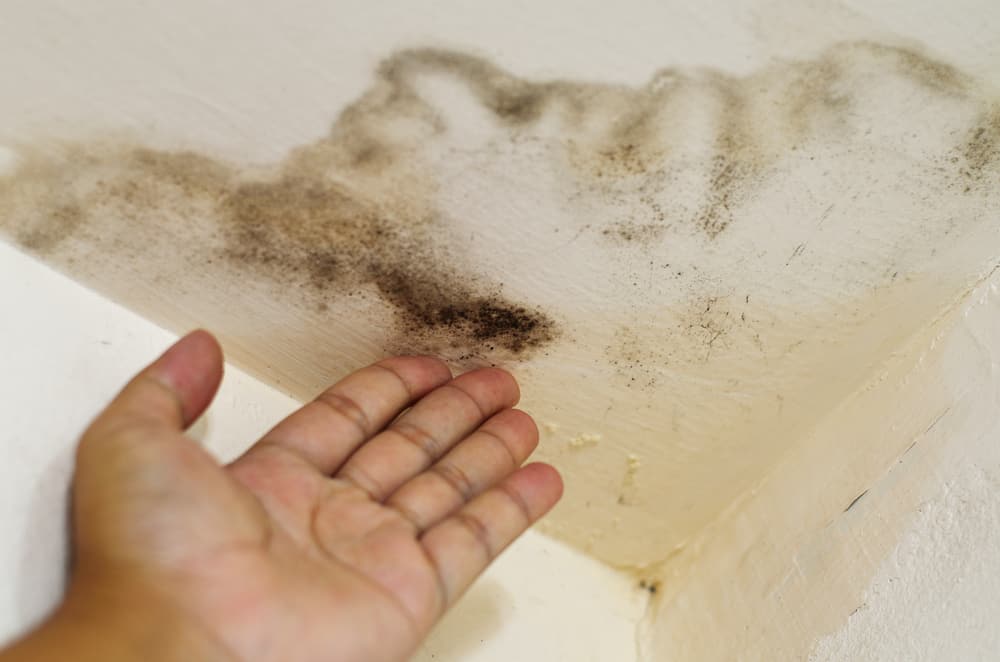
The honest answer is that it depends on what the inspection finds, and any company quoting you a firm number before they’ve done a proper assessment is guessing. That said, most residential mold remediation jobs in the Nassau County area fall somewhere between $1,500 and $6,000 for contained, localized problems — a single affected area like a basement wall section, a crawl space, or a portion of an attic. Larger jobs involving multiple areas, significant structural material removal, or whole-house contamination can run $10,000 to $30,000 or more.
In Glenwood Landing specifically, the age of the housing stock tends to push costs toward the higher end of typical ranges. Pre-1950 homes often have mold in locations that require more labor-intensive access — unfinished crawl spaces with limited clearance, attic spaces with original framing, or wall cavities that weren’t designed with future renovation in mind. The lab testing, containment setup, HEPA filtration, and post-clearance verification are all part of what a legitimate remediation costs — and they’re also what separates a job that holds from one that requires a callback six months later.
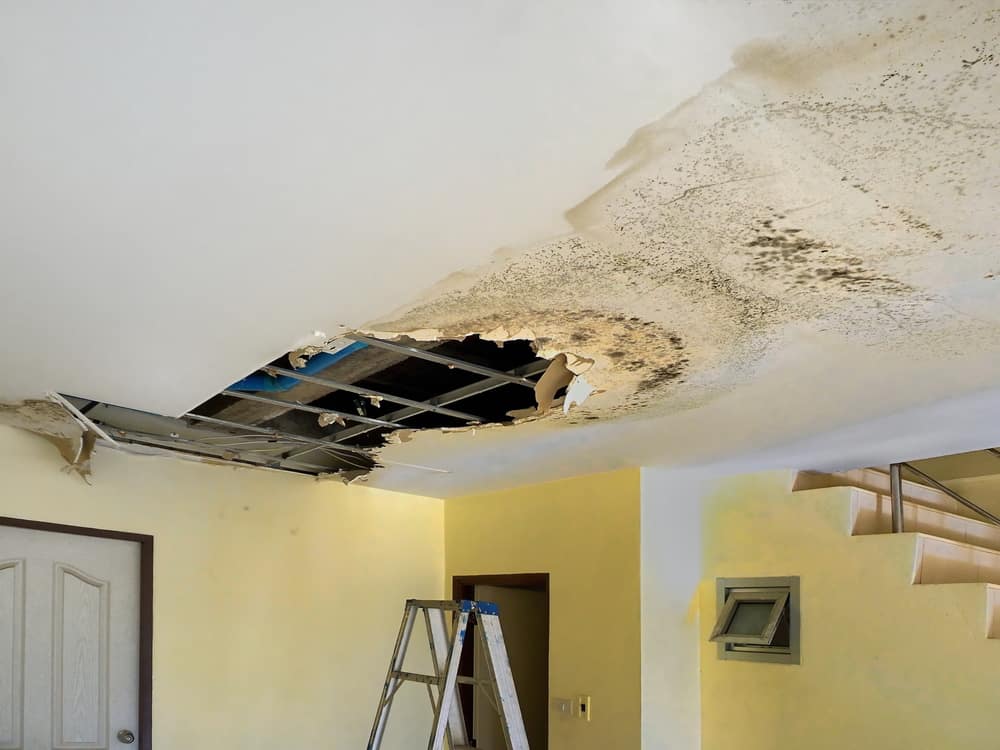
Mold removal, technically speaking, is just getting rid of what you can see. Spray something on it, wipe it off, maybe paint over it. It’s a surface fix, and for mold — which spreads through microscopic spores and grows inside porous materials like drywall, wood framing, and insulation — surface fixes don’t solve the problem. The contamination is still there. The spores are still in the air. And if the moisture source hasn’t been addressed, new growth starts within weeks.
Mold remediation is a contained, documented process. It involves identifying where the mold actually is (not just where it’s visible), establishing containment so spores don’t spread during removal, using HEPA filtration and vacuuming, removing compromised materials, treating surfaces with antimicrobial agents, and then running a post-clearance air test to confirm the space meets acceptable standards before the job is called complete. In an older Glenwood Landing home where mold may have been growing inside a wall cavity or beneath attic sheathing for months or years, remediation is the only approach that actually resolves the problem.
Yes — and it’s one of the most common places we find it in this area. More than a quarter of Glenwood Landing’s homes were built before 1940, and crawl spaces from that era were typically constructed with exposed soil and no vapor barrier. Ground moisture rises from that soil year-round, condenses on the wood surfaces above it — floor joists, subfloor sheathing, bridging — and creates exactly the dark, damp, low-airflow environment where mold thrives. Because crawl spaces are out of sight, that growth can continue for years before anyone notices.
The signs are usually indirect: a musty smell coming up through the floors, unexplained increases in humidity on the first floor, or soft spots in flooring that turn out to be rot-adjacent to mold growth. A proper crawl space mold remediation involves full containment, HEPA vacuuming of all exposed wood surfaces, antimicrobial treatment, and — critically — a recommendation for vapor barrier installation to cut off the moisture source. Without that last step, you’re treating the symptom without fixing the cause.
It depends on what caused the mold. Most standard homeowners insurance policies in New York will cover mold remediation when it’s a direct result of a covered water damage event — a burst pipe, an appliance leak, or storm-related water intrusion that was sudden and accidental. What they typically won’t cover is mold that developed from long-term neglect, gradual seepage, or a maintenance issue that went unaddressed.
For Glenwood Landing homeowners, the most common insurance-adjacent scenario involves basement flooding or crawl space water intrusion after a nor’easter or heavy rain event. If that water intrusion caused mold to develop, and if the water event itself was covered under your policy, there’s a reasonable case for coverage — but the documentation matters enormously. We provide the written inspection report, lab results, and remediation scope documentation that insurance adjusters need to process a claim. Working with a company that can produce that paperwork from the start makes the claims process significantly less frustrating.
For a localized problem — one area of a basement, a section of crawl space, or a contained attic issue — the active remediation work typically takes one to three days. That doesn’t include the inspection phase, which happens first and produces a lab report within two to three business days, or the post-remediation clearance test, which is run after the work is complete and needs to come back clear before the job is officially closed out.
For larger jobs involving multiple areas or significant material removal and reconstruction, the timeline extends accordingly — sometimes a week or more for the remediation itself, plus additional time for rebuild work if drywall, insulation, or structural materials need to be replaced. In Glenwood Landing’s older homes, where mold sometimes turns out to be more widespread than initial symptoms suggested, it’s worth building some flexibility into your expectations. The goal is to do it right and have the clearance test confirm it — not to rush through and leave something behind.
It’s more common than most homeowners realize, and Glenwood Landing’s housing stock is particularly susceptible. Homes built before 1970 — which make up more than two-thirds of the hamlet — were typically constructed without the ridge-and-soffit ventilation systems that modern building codes require. That means heat and moisture get trapped in the attic space. In winter, that moisture condenses on the underside of roof sheathing and on rafters. In summer, inadequate airflow lets humidity accumulate. Over time, that creates the sustained damp conditions where mold establishes itself.
The problem is that attic mold is almost never discovered until something prompts someone to look — a home inspection during a sale, a roof repair, or a renovation that opens up the space. By the time it’s found, the growth is often well-established across a significant portion of the sheathing. Attic mold remediation involves full containment, HEPA vacuuming of all affected surfaces, antimicrobial treatment, and a post-clearance test. We also evaluate the ventilation situation as part of the process — because treating the mold without improving airflow means the conditions that created it are still in place.
Useful Links
Other Services we provide in Glenwood Landing