
Mold Remediation in Island Park, NY
When Reynolds Channel Floods, Mold Follows Fast
Hear from Our Customers
Certified Mold Removal Island Park, NY
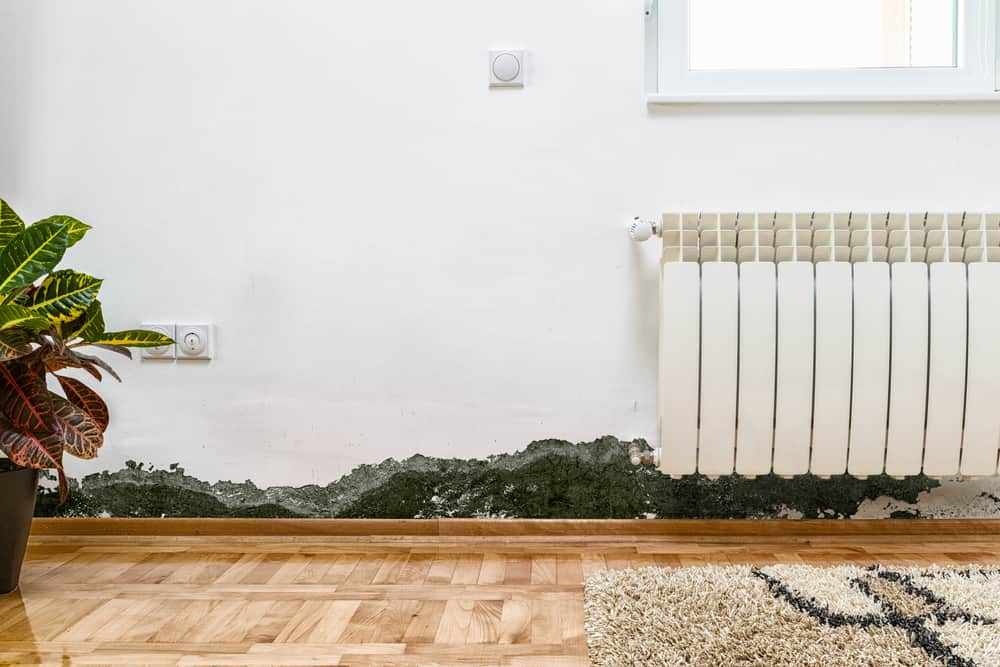
Mold that gets treated without addressing the moisture behind it will come back. In Island Park, where homes sit on a barrier island with a shallow water table, aging crawl spaces, and a history of storm surge, this isn’t theoretical. If you’ve had mold treated before and watched it return, the problem wasn’t the mold. It was the moisture source that never got fixed.
What changes after a proper remediation is the air quality, the smell, and the confidence that the problem is actually gone. For Island Park homeowners many of whom are managing older bungalows originally built as summer cottages, now lived in year-round that means addressing what’s happening beneath the floor and inside the walls, not just what’s visible on the surface.
The crawl spaces and older framing common throughout Island Park’s housing stock, much of it built in the 1950s and 60s without modern vapor barriers, create conditions where mold can establish itself quietly and spread before anyone notices. Getting ahead of it or getting it fully cleared when it does appear protects your home’s structure, your indoor air, and the property value you’ve worked to maintain in one of Nassau County’s most flood-tested communities.
Mold Remediation Companies Island Park, NY
We’ve been serving Nassau and Suffolk County homeowners for close to three decades. That includes the years before Sandy, the weeks after Sandy, and every nor’easter and high-tide flooding event that’s hit the South Shore since. We’re not a franchise with a local phone number we’re a Long Island company that has built our reputation one job at a time, in communities exactly like Island Park.
Every technician who arrives at your door is individually IICRC certified. Not just our company every person doing the work. That distinction matters when you’re trusting someone inside your home with a problem that affects your family’s health.
We also carry reconstruction capability, which means when remediation is complete, you’re not left searching for a second contractor to put the walls back together. For Island Park residents who have navigated post-flood repairs before, that’s one less coordination headache during an already stressful time.
Professional Mold Remediation Process Island Park, NY
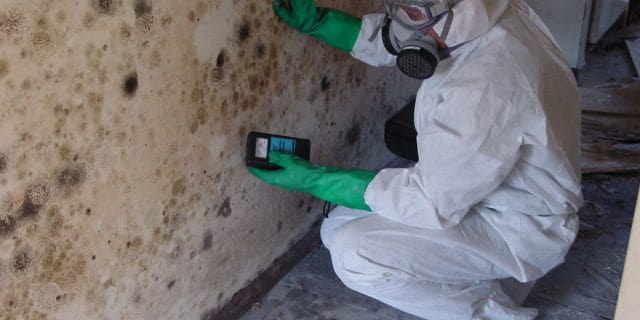
It starts with a thorough inspection not a visual walkthrough, but a 13-point assessment that includes air testing, swab sampling, infrared imaging to find mold behind walls and under floors, and moisture level readings throughout the home. In Island Park, where groundwater pressure from the shallow water table can push moisture through crawl space floors even between storm events, that moisture mapping step is what separates a real remediation from a temporary fix. Lab results come back within two to three business days, and you get a documented report which matters significantly if you’re filing a claim with your flood insurance or homeowners policy.
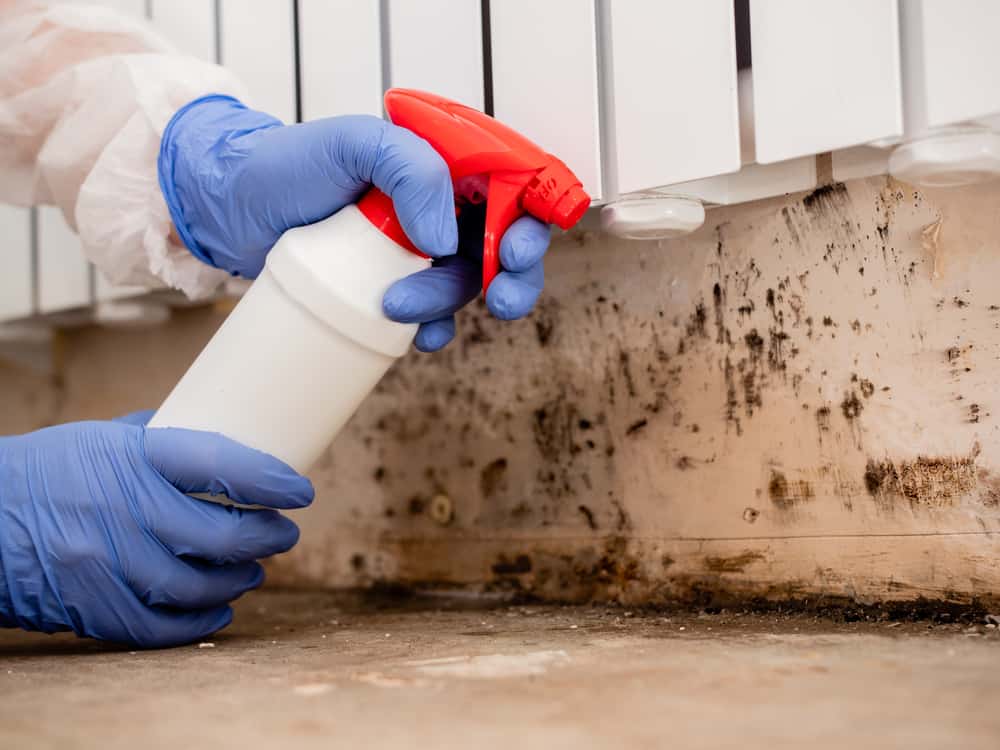
Once the scope is confirmed, the work begins. Every truck we dispatch arrives fully equipped with air movers, dehumidifiers, HEPA filtration, and containment materials so there’s no waiting on a second trip for equipment. Affected materials are removed, the area is treated and cleared, and air quality is verified before the job is considered done.
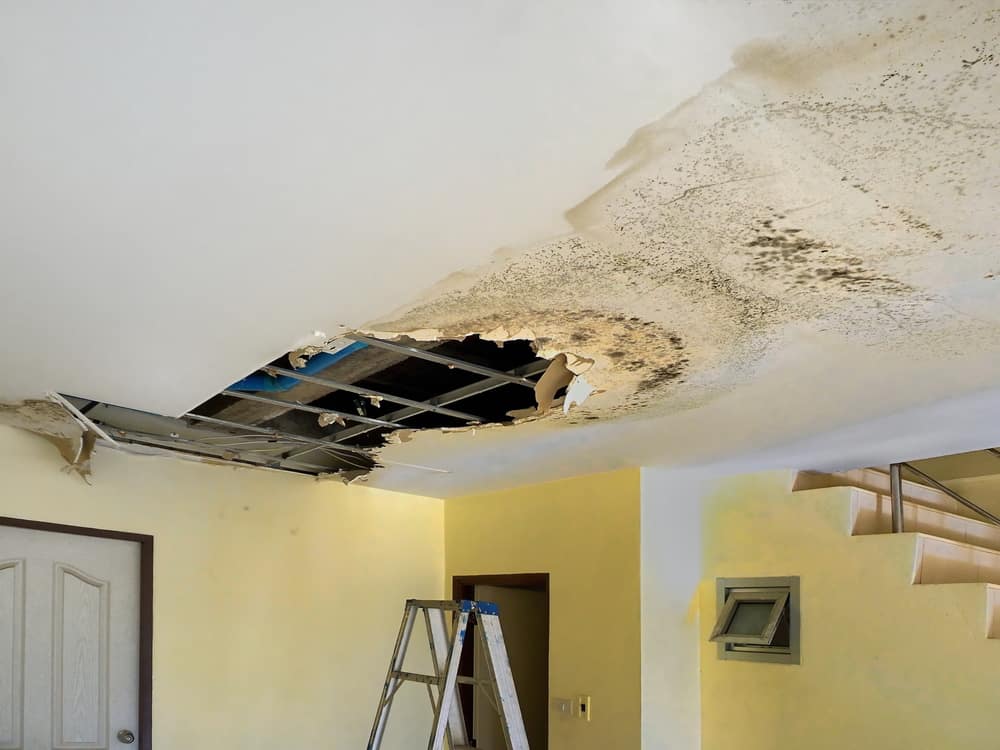
If structural materials need to be replaced drywall, framing, insulation we handle the reconstruction as well. For a community like Island Park, where getting a contractor back out after the initial work can feel like starting the whole process over, having one team take it from inspection through finished repairs makes a real difference.
Ready to get started?
Black Mold Remediation Services Island Park, NY
Mold remediation in Island Park isn’t the same as mold remediation in an inland suburb. The homes here are different older construction, crawl spaces instead of full basements in many cases, post-Sandy elevations that changed how moisture moves beneath the living space, and a coastal humidity level that regularly exceeds 60% through the summer months. What works in a newer split-level in Plainview doesn’t automatically translate to a 1960s bungalow two blocks from Reynolds Channel.
Our scope covers the full range of mold situations Island Park homeowners actually face: crawl space mold remediation for the older bungalow stock throughout the village, attic mold remediation driven by inadequate ventilation and summer humidity, basement mold remediation for homes with below-grade living space, and emergency mold remediation when a flooding event has created an active, time-sensitive situation. Black mold remediation is handled with full containment protocol not spot treatment because in a home that’s been repeatedly exposed to moisture, the contamination is rarely limited to what’s visible.
New York State law also requires that the company assessing your mold problem cannot be the same company performing the remediation on the same property. We operate in full compliance with that regulation, and we’ll walk you through what it means for your specific situation so you’re never making decisions based on incomplete information.
Does flood insurance cover mold remediation costs for Island Park homeowners?
It depends on the policy and the circumstances, and the honest answer is that it’s more complicated than most people expect. Standard NFIP flood insurance policies which a significant portion of Island Park homeowners carry, given that much of the village falls within FEMA Zone AE typically cover direct flood damage, but mold coverage varies based on when the mold developed and whether the homeowner took reasonable steps to mitigate moisture after the flooding event. If mold developed as a direct result of a covered flood event and was reported promptly, there’s a reasonable basis for a claim. If it developed over time from unaddressed moisture, the path is harder.
Your standard homeowners insurance policy may pick up where flood insurance leaves off, depending on the cause of the mold. The documentation we provide air testing results, lab reports, moisture readings, and a written scope of damage is exactly what insurance adjusters need to process a claim efficiently. Getting that documentation right from the start is one of the most practical things you can do to protect your claim, and it’s built into our inspection process.
How quickly does mold start growing after a flooding event in Island Park homes?
Mold can begin colonizing within 24 to 48 hours of water intrusion and in Island Park’s coastal humidity, that window can feel even shorter during the summer months when ambient moisture is already elevated. This is not a situation where you have a week to decide what to do. Once water gets into a crawl space, behind a wall, or under a subfloor, the clock starts immediately.
The reason this matters so much in Island Park specifically is that flooding here isn’t always dramatic. A high tide event, a slow nor’easter, or groundwater pressure from the shallow water table can introduce moisture into a home without the obvious visual cues of a major storm surge. By the time you smell something or see discoloration, mold has often been growing for days. If you’ve had any water intrusion even minor getting a moisture assessment done quickly is worth it. Waiting to see if a problem develops is almost always more expensive than catching it early.
What's the difference between mold remediation and mold removal, and which do I need?
Mold removal implies you can simply take the mold out and be done with it. Remediation is the more accurate and complete term it refers to the full process of containing the affected area, removing contaminated materials, treating surfaces, addressing the moisture source, and verifying through air testing that spore levels have returned to normal. In a home that’s been exposed to flooding or chronic moisture, removal alone isn’t enough. If the moisture source isn’t identified and corrected, mold will return regardless of how thoroughly the surface was cleaned.
For Island Park homes particularly those with crawl spaces, older insulation, or any post-Sandy water history remediation is the appropriate standard. It’s more thorough, it’s documented, and it addresses the conditions that allowed mold to grow in the first place. The goal isn’t just a clean surface reading on the day of the job. It’s a home that stays clean because the underlying problem has been solved.
How much does mold remediation typically cost in Island Park, NY?
Cost varies based on the size of the affected area, the location of the mold (crawl space remediation and attic mold remediation typically involve more labor than accessible wall cavities), and whether structural materials need to be removed and replaced. For a moderate mold situation say, a crawl space or a section of wall in a typical Island Park bungalow costs generally fall somewhere in the range of $2,000 to $6,000. Larger whole-home situations, or cases where mold has spread through structural framing following a significant flooding event, can run higher.
What’s worth understanding is that the inspection comes first, and the inspection is what determines the actual scope. Anyone quoting you a firm number before they’ve done a proper assessment air testing, moisture mapping, infrared imaging isn’t giving you an accurate estimate. A documented inspection is the only honest basis for a real cost conversation, and it also gives you the paperwork you need if you’re filing an insurance claim.
Can mold in my Island Park crawl space affect the rest of the house?
Yes, and it happens more often than people realize. Crawl spaces are not sealed environments air moves between them and the living space above through gaps in flooring, utility penetrations, and the natural pressure dynamics of how a home breathes. Mold spores generated in a crawl space get pulled into the living area, where they affect air quality, aggravate respiratory conditions, and eventually show up in places you wouldn’t expect, like HVAC systems and interior walls.
In Island Park, crawl space mold is one of the most common remediation scenarios we see and for good reason. The older bungalow-style homes throughout the village were built without modern vapor barriers, and the shallow water table means ground moisture is a constant pressure from below, not just during storm events. A crawl space that looks dry after a nor’easter may still be holding enough residual moisture to sustain mold growth for weeks. If you haven’t had your crawl space inspected since any flooding event including the chronic high-tide flooding the village has experienced in recent years it’s worth knowing what’s actually down there.
How do I know if a mold remediation company is legitimate and not cutting corners?
The clearest indicators are individual technician certification, not just company-level credentials, and a documented inspection process that produces written results. IICRC certification at the technician level means the person actually doing the work has been trained to industry standards not just the company name on the truck. Ask specifically whether the technicians are individually certified, and ask what the inspection process produces in terms of documentation. If the answer is a verbal report and a handshake, that’s not enough especially if you’re filing an insurance claim.
In Island Park, where residents have dealt with a wide range of contractors over years of storm recovery, reputation matters. Look for companies that comply with New York State’s mold law which prohibits the same contractor from both assessing and remediating on the same property and that can explain the regulation clearly when you ask. A company that knows the law and follows it is operating with a level of transparency that tells you something meaningful about how they do business overall.
Useful Links
Other Services we provide in Island Park