
Hear from Our Customers
Mold in a Lattingtown home isn’t just a health issue — it’s a financial one. At median sale prices exceeding $2.7 million, a documented mold problem can cut your property value by 20% to 37%, and half of interested buyers walk away the moment they hear the word. Getting it handled correctly the first time isn’t just about the air quality in your home. It’s about protecting what you’ve built.
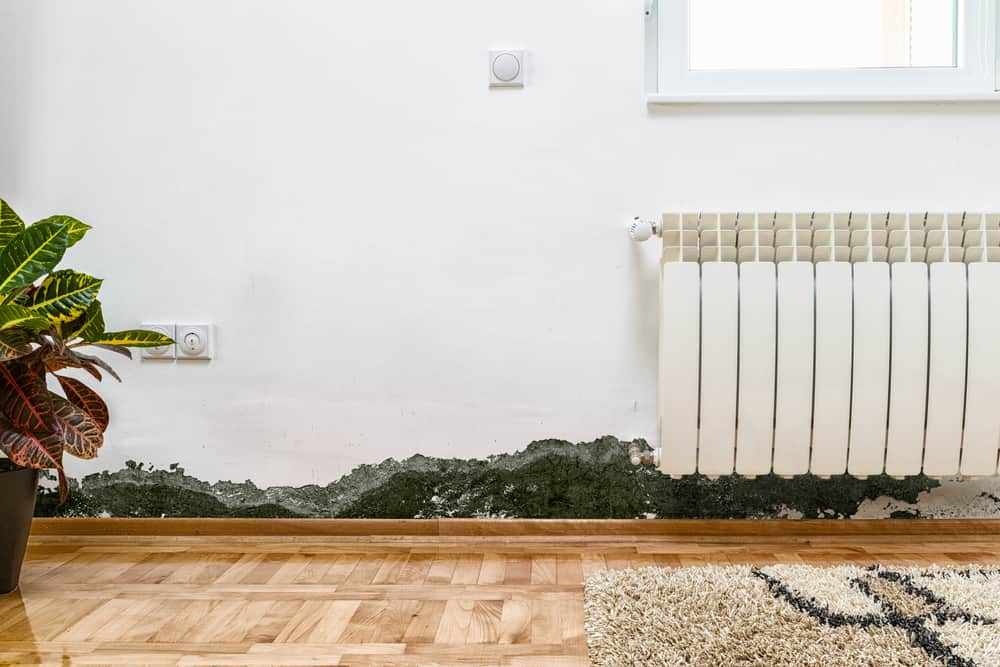
What makes mold remediation in Lattingtown different from most of Long Island is the environment itself. The village was originally a marsh. Frost Creek still flows through it toward Long Island Sound. The soil underneath these estates is dense glacial clay that holds moisture for days after a storm — pushing water against foundation walls and into crawl spaces that may not have been touched in decades. That’s not a condition you fix with a dehumidifier and a coat of paint.
Once the moisture source is found and the mold is properly remediated, the difference is real. No more musty odor creeping up from the basement. No more concern about what a buyer’s inspector might find. No more wondering whether the problem behind the wall is growing. You get a clean environment, written documentation of clearance, and the confidence that comes from knowing the work was done by certified professionals — not a crew that showed up from a lead-generation website.
We’ve been serving Nassau County homeowners for nearly 30 years, and our roots run deep in Lattingtown and the surrounding North Shore communities. That’s not a marketing number — it’s the kind of track record that only exists when a company consistently does the work right. In a village like Lattingtown, where fewer than 2,000 residents know each other through the Creek Club, through Locust Valley schools, and through the same winding roads off Route 107, reputation isn’t built on ads. It’s built on results.
Every technician who comes to your home is individually IICRC certified. Not just the company — every person on the crew. That matters when you’re dealing with a large, complex estate home where the mold might be in the attic, in a crawl space, behind original plaster walls, or in a basement that’s been slowly absorbing groundwater from Lattingtown’s clay-heavy soil for years. We also handle reconstruction after remediation, so you’re not left coordinating a separate contractor to put your home back together. One call, one company, start to finish.
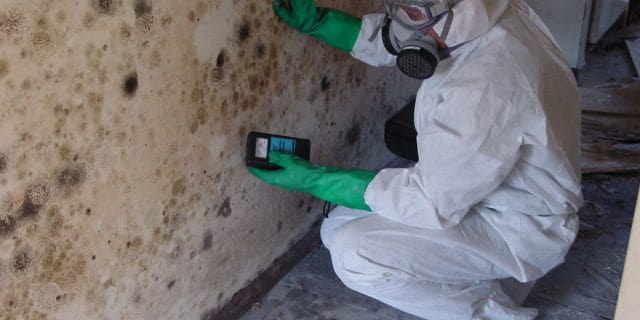
It starts with a 13-point mold inspection — not a visual once-over. Our team uses air sampling, surface swabs, infrared imaging to detect moisture hidden behind walls and under floors, and calibrated moisture meters to find exactly where water is entering the structure. Lab results come back in writing within two to three business days. You’ll know what you’re dealing with before any remediation work begins, and the scope of work is based on documented findings, not a sales pitch.
One thing worth knowing: New York State law prohibits the same company from performing both the mold assessment and the mold remediation on the same property. That law exists to protect you from inflated scopes of work. We comply with it fully, which means the assessment driving your remediation is independent and based on real lab data. In Lattingtown, where homes may also fall under the village’s own freshwater wetlands ordinance — particularly properties near Frost Creek — any work involving structural changes may require a building permit from the village. We can help you understand what applies to your specific situation.
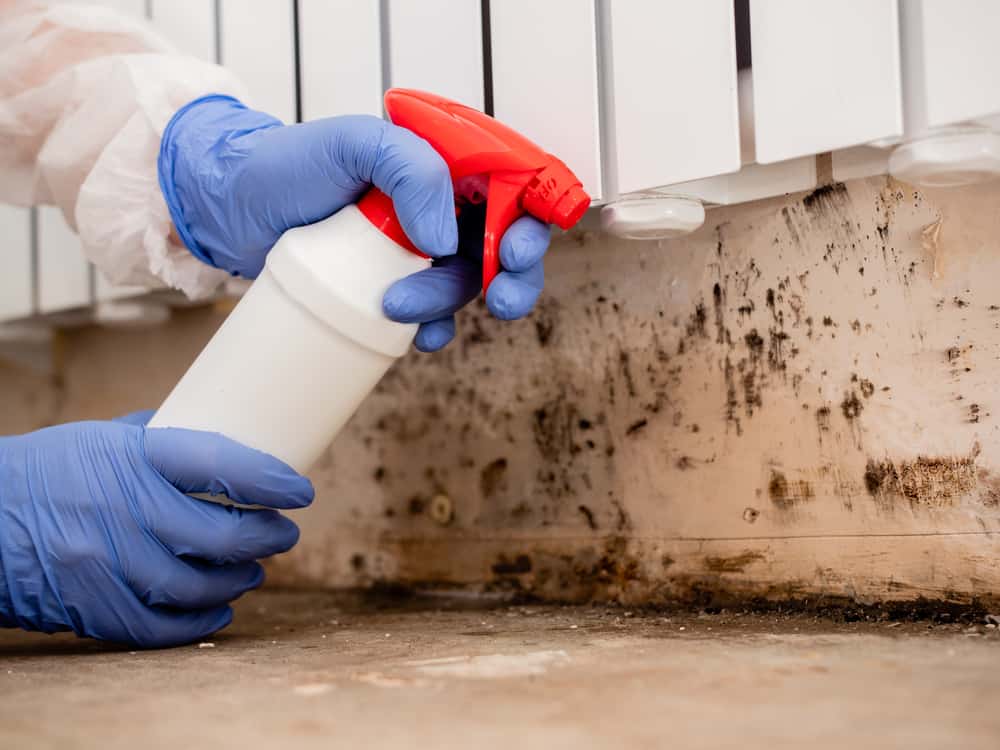
Once the scope is confirmed, our team sets up containment, runs HEPA air filtration, removes affected materials, and treats all contaminated surfaces using EPA-registered antimicrobials. Every truck arrives fully equipped — air movers, dehumidifiers, and remediation tools are on-site from the start. After the work is complete, post-remediation clearance testing confirms the environment is clean, and you receive full written documentation of everything that was done.
Ready to get started?
The national average cost for mold remediation is around $2,300 — but that figure was not calculated with Lattingtown estate homes in mind. When you’re dealing with 4,000 to 7,000 square feet of living space, a full basement, multiple attic sections, a detached carriage house, and a crawl space that hasn’t been properly sealed, the scope is different. Remediation projects in Lattingtown commonly range from $5,000 to $15,000 depending on the affected areas, and whole-home remediation on larger estates can reach $30,000 or more. Understanding the real cost range helps you make a better decision than going with the lowest bid.
The most common locations for mold in Lattingtown homes are basements and crawl spaces — driven by the high groundwater table and clay soils that keep moisture pressed against foundations year-round. Attic mold is the second most frequent issue, typically caused by ice damming on the large, complex rooflines common to North Shore estate homes. When an ice dam forms and water backs up under the shingles, it enters the attic and sits in original wood framing and insulation for weeks before anyone notices. Black mold remediation — specifically Stachybotrys — is one of the more serious scenarios, but every mold type warrants professional attention.
We handle crawl space mold remediation, attic mold remediation, basement mold remediation, and full structural mold cleanup — and when building materials need to come out and be replaced, the reconstruction work is handled in-house. You’re not managing two contractors. Emergency mold remediation is available 24 hours a day, seven days a week through the Nassau County line, because nor’easters hitting Lattingtown Harbor don’t wait for Monday morning.
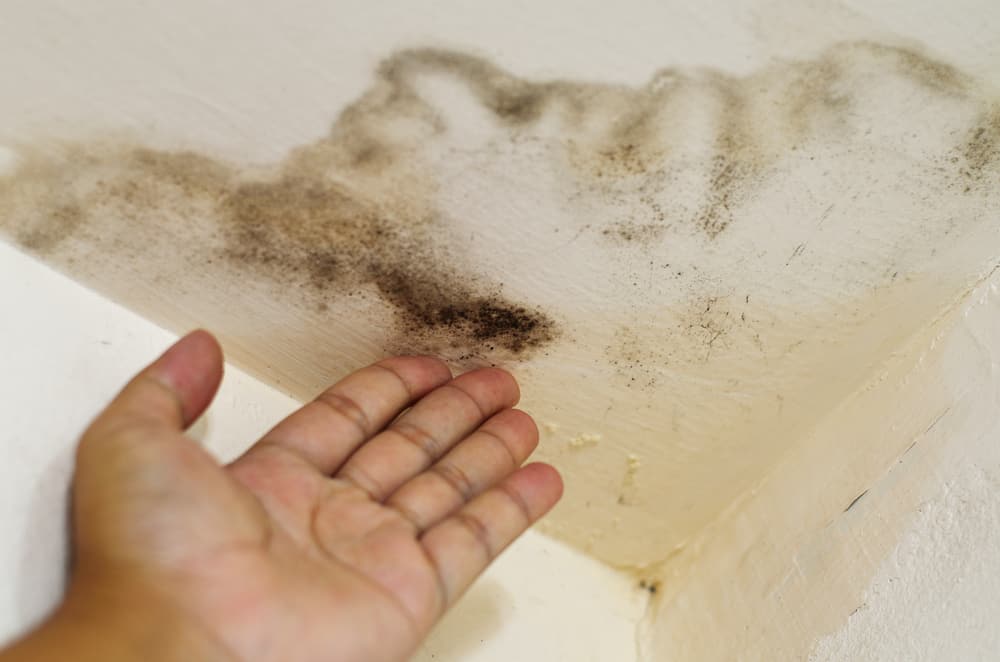
The honest answer is that it depends on the size of the affected area and where in the home the mold is located. The national average sits around $2,300, but that reflects smaller homes with contained mold problems. In Lattingtown, where homes regularly exceed 4,000 square feet and sit on multi-acre lots with full basements, crawl spaces, and large attic footprints, remediation costs more commonly fall between $5,000 and $15,000 for moderate infestations. Whole-home remediation on a larger estate — particularly one where mold has spread through multiple areas due to long-term moisture intrusion — can reach $30,000 or more.
The more useful question is what it costs to leave it alone. A documented mold problem in a home worth $2.7 million can reduce your sale price by 20% to 37%, and half of buyers walk away entirely once they know. The cost of remediation, in that context, is not an expense — it’s protection of a significant asset.
Mold removal is exactly what it sounds like — physically removing visible mold from a surface. The problem is that mold isn’t just what you can see. Spores are microscopic, they travel through air, and they colonize inside wall cavities, behind insulation, and in structural framing long before they become visible. Removing surface mold without addressing what’s behind it — or the moisture source feeding it — means the mold comes back. Often within weeks.
Mold remediation is the complete process: identifying the moisture source, containing the affected area to prevent spore spread, removing contaminated materials, treating surfaces with EPA-registered antimicrobials, and verifying clearance through post-remediation air testing. In Lattingtown, where homes sit on former marsh terrain with naturally high groundwater and clay soils that stay saturated after storms, finding and addressing the moisture source is not optional. It’s the part that determines whether the remediation actually holds.
Yes — and this is one of the most common misconceptions homeowners in this area run into. You don’t need standing water to get mold. You need sustained moisture, and Lattingtown’s geology provides that consistently. The dense glacial clay soil that makes up the North Shore’s terrain holds water for days after a rain event and creates hydrostatic pressure against basement walls and foundations. That pressure doesn’t always result in a visible leak — it results in elevated moisture levels inside the wall cavity, in the concrete block, or in the floor slab itself.
Combine that with the ambient humidity from Long Island Sound — which keeps indoor humidity levels above 60% for much of the summer — and you have conditions where mold can grow actively in a basement that looks perfectly dry to the naked eye. Infrared imaging and calibrated moisture meters are the only way to know what’s actually happening inside those walls. A visual inspection alone will miss it.
It depends on the cause, and this is where most homeowners get caught off guard. In New York, homeowners insurance typically covers mold remediation only when the mold is a direct result of a covered peril — a burst pipe, an appliance malfunction, or storm-related water intrusion that was sudden and accidental. If the mold developed gradually over time due to ongoing moisture intrusion, poor ventilation, or a slow leak that wasn’t reported promptly, most policies will not cover it.
For Lattingtown homeowners, the most relevant scenario is nor’easter damage. If a storm drives water into your home through a compromised roof or foundation and mold develops within the 48-hour window, that chain of events may support a covered claim — provided you document it properly and act quickly. We provide written inspection reports, lab results, and post-remediation clearance documentation that can support an insurance claim. If you’re unsure whether your situation qualifies, the best first step is to get the inspection done so you have documented evidence to bring to your insurer.
For a contained area — a single basement section or a localized attic problem — remediation typically takes two to three days from start to finish, not counting the initial inspection period. For larger projects involving multiple areas of a home, or cases where structural materials need to be removed and rebuilt, the timeline extends to one to two weeks. Whole-home remediation on a large estate with widespread contamination can take longer, depending on the scope confirmed by the inspection.
The inspection itself — our 13-point process — takes a few hours on-site, and written lab results come back within two to three business days. That turnaround matters if you’re managing a real estate transaction with a closing timeline, which is a common situation in Lattingtown’s market. Buyers’ attorneys in this price range move quickly once mold is flagged in an inspection report, and having a remediation plan with documented findings ready to present can be the difference between keeping a deal together and losing it.
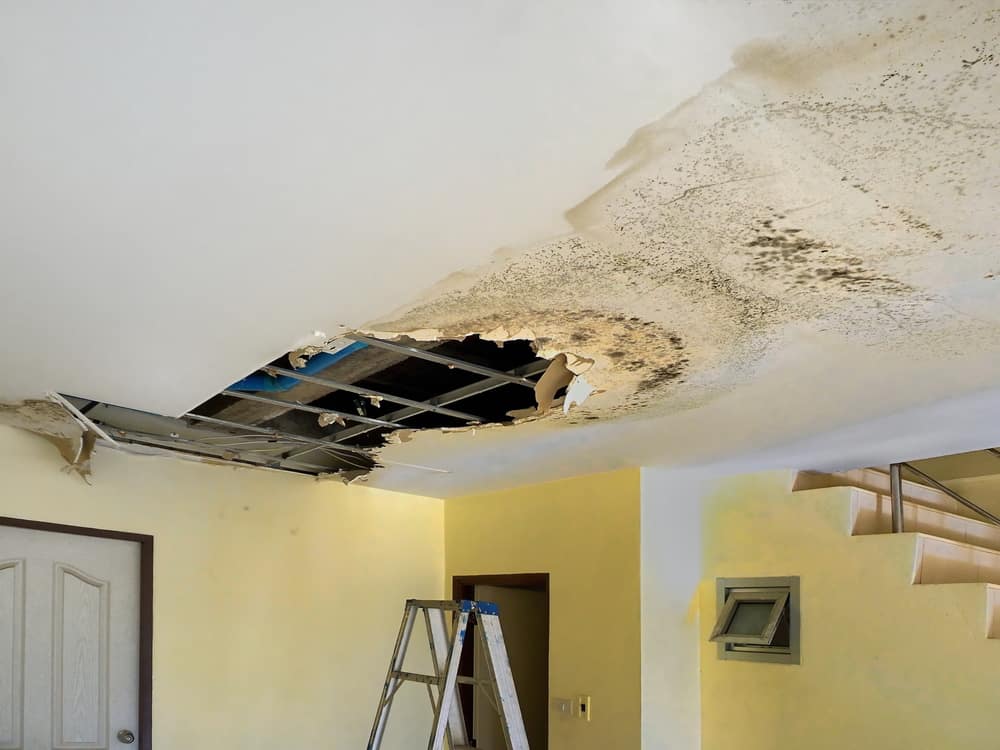
Attic mold is one of the most frequently found mold types in North Shore estate homes, and the primary cause in Lattingtown is ice damming. These homes have large, complex rooflines — hips, valleys, dormers, and multiple intersecting planes — that create natural collection points for snow and ice during winter. When ice builds up at the eaves and prevents meltwater from draining, that water backs up under the shingles and enters the attic. It saturates original wood framing and insulation, and because attics are rarely inspected between seasons, the mold can grow for months before anyone notices.
The second most common cause is inadequate attic ventilation. Older estate homes — and more than 27% of Lattingtown’s housing stock was built before 1940 — were not always designed with modern ventilation standards. Warm, moist air from the living spaces below rises into the attic, hits the cold roof deck in winter, and condenses. That condensation, repeated over weeks, creates the same conditions as a slow leak. Attic mold remediation in these homes requires treating the framing, removing contaminated insulation, and addressing the ventilation or flashing issue that allowed moisture in — otherwise the same problem returns the following winter.
Useful Links
Other Services we provide in Lattingtown