
Mold Remediation in North Wantagh, NY
North Wantagh's Older Homes Deserve More Than a Surface Fix
Hear from Our Customers
Certified Mold Remediation North Wantagh NY
You stop wondering what’s behind the walls. That low-grade anxiety the musty smell in the basement, the allergy symptoms that won’t quit, the worry every time it rains it lifts when you know the problem has been fully addressed, not just painted over.
For North Wantagh homeowners, that peace of mind carries real financial weight too. With median home values around $837,000 in this community, mold isn’t just a health issue it’s a property issue. Documented mold can cut a home’s value by 20% to 37%, and half of buyers walk away the moment they hear the word. A properly remediated home, with lab-backed documentation proving the work was done right, is a protected asset.
The homes along Beltagh Avenue and through the Forest Lake section were mostly built between 1940 and 1969 long before vapor barriers and modern moisture management were standard. That era of construction means basements without waterproofing membranes, older plumbing prone to slow hidden leaks, and attic insulation that doesn’t hold up the way it should. Mold remediation in North Wantagh isn’t a generic service it requires someone who understands what these homes are actually dealing with.
Professional Mold Remediation Company North Wantagh
We’ve been serving Nassau County homeowners for close to three decades. That’s not a marketing number it means we’ve been inside the same post-war Cape Cods and split-levels that fill North Wantagh’s streets long enough to know exactly where moisture hides in homes like yours.
Every technician who walks through your door is individually IICRC certified. Not our company as a whole each person on the crew. That distinction matters when you’re letting someone into a home worth over $800,000 and trusting them to get the job done correctly.
We also handle full reconstruction after remediation. When drywall comes out or structural elements need to be replaced, you don’t have to find and coordinate a separate contractor. One call, one company, from the first inspection through the final repair and we do it all under Nassau County’s 516-698-1776 line, staffed by people who actually know this area.
Mold Remediation Process North Wantagh NY
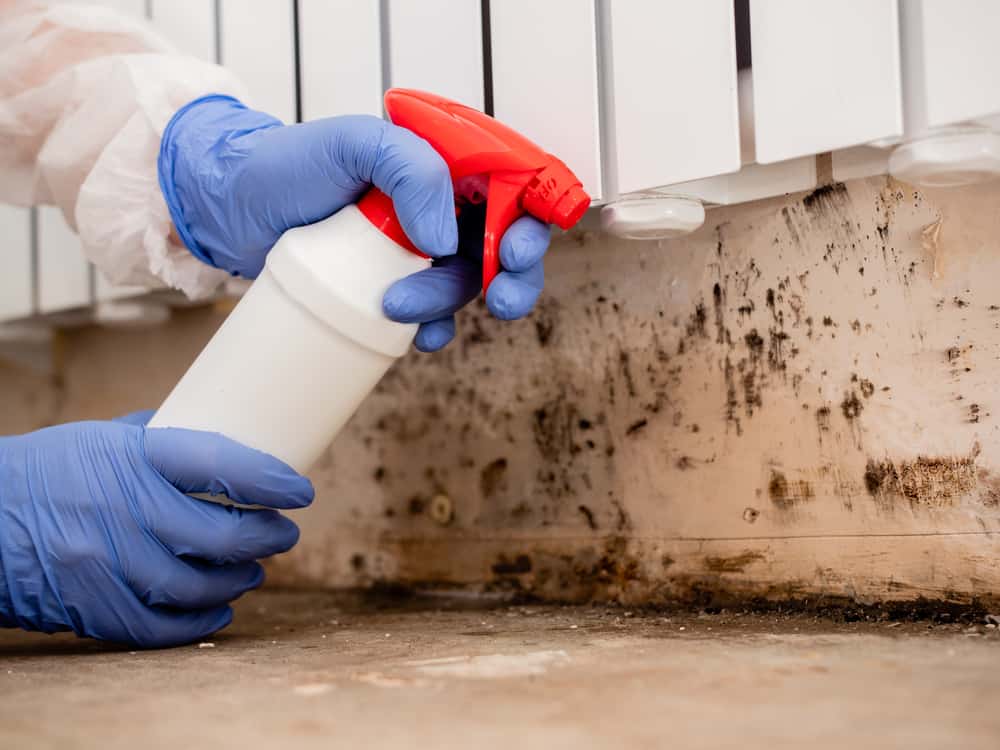
It starts with a 13-point mold inspection. That includes air testing, swab sampling, moisture level measurement, infrared imaging to find mold hidden inside walls and ceilings, and a side-by-side comparison of indoor and outdoor mold particle levels. Everything gets photographed and documented digitally. Lab results come back within 2 to 3 business days, and you receive a written report that tells you exactly what’s present, where it is, and what needs to happen next.
From there, remediation begins. Containment goes up to prevent cross-contamination, affected materials are removed, and the area is treated and cleared to industry standards. In North Wantagh, this step often involves addressing the moisture source directly whether that’s groundwater pressure against an older basement wall, a slow pipe leak that’s been feeding mold inside a wall cavity for months, or attic condensation from an aging roof system. Cleaning the mold without fixing what caused it is just a temporary fix, and we don’t do temporary.
New York State’s Article 32 mold law requires that the company performing the assessment and the company performing the remediation be separately licensed the same company legally cannot do both on the same job. We operate in full compliance with this law, and we’ll explain exactly how it protects you before any work begins. Once remediation is complete, any reconstruction needed new drywall, flooring, structural repairs is handled in-house, so you’re not left managing two separate contractors to get your home back to normal.
Ready to get started?
Basement and Attic Mold Remediation North Wantagh
Basement mold remediation is the most common call we receive in this area and for good reason. The post-war construction that defines North Wantagh’s housing stock means most basements were poured without waterproofing membranes. Add the fact that the former Jerusalem River still runs largely underground through this community, contributing to elevated groundwater levels in certain areas, and you’ve got conditions that make chronic basement moisture a real and ongoing issue not just a one-time leak problem.
Attic mold remediation is the second most common issue, particularly in homes with older roof systems or inadequate insulation. When South Shore humidity climbs above 60% during summer which it does regularly given how close North Wantagh sits to Jones Beach and the Atlantic attic spaces in older homes can accumulate moisture faster than ventilation can handle it. Crawl space mold remediation follows similar logic: limited airflow, older construction, and seasonal groundwater fluctuation create the right conditions for mold to take hold quietly and spread.
Every remediation scope we provide includes air quality testing, containment, full removal of affected materials, treatment, and post-remediation clearance testing. If your home sustained water damage from a storm and Long Island’s South Shore has seen its share, from nor’easters to the aftermath of Superstorm Sandy we can assess whether older damage was ever properly addressed. Emergency mold remediation is available around the clock, because water damage doesn’t wait for business hours, and neither should your response to it.
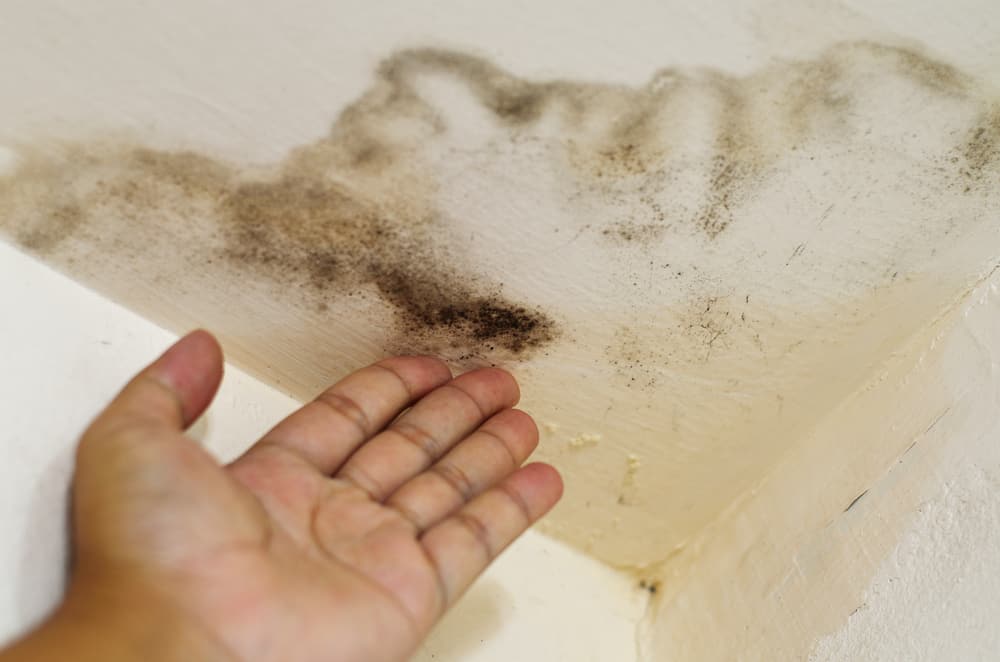
How do I know if the mold in my North Wantagh home is actually dangerous?
Not all mold looks the same, and not all of it carries the same risk but the honest answer is that any mold growth inside a living space warrants attention, regardless of color or size. Black mold remediation gets the most attention because Stachybotrys (what people typically call “black mold”) is associated with more serious respiratory effects, but other mold species can trigger allergic reactions, asthma flare-ups, and chronic sinus issues as well. The EPA recommends professional remediation for any mold growth exceeding 10 square feet and in practice, visible mold is almost always a sign of a larger hidden problem.
In North Wantagh’s older housing stock, mold found on a basement wall or in a bathroom corner is often the tip of the iceberg. The real growth is typically inside wall cavities, under flooring, or in areas with limited visibility. A proper inspection including air testing and infrared imaging is the only way to know the actual scope. If you’re experiencing unexplained allergy symptoms, a persistent musty smell, or you’ve had any water intrusion in the past few years, those are all reasons to have a professional assessment done before the problem grows.
What does mold remediation typically cost for a home in Nassau County?
The average cost of professional mold remediation runs around $2,300, with most residential jobs falling somewhere between $1,200 and $3,800 depending on the size of the affected area, the location of the mold, and how much material needs to be removed. Attic and whole-house remediations which are more common in larger post-war homes throughout North Wantagh can run from $10,000 to $30,000 or more when structural materials are heavily involved.
For North Wantagh homeowners, the more useful frame is what mold costs if you don’t address it. A home valued at $837,000 can lose 20% to 37% of its value when mold is present that’s potentially $167,000 to $310,000 in lost equity. Fifty percent of buyers walk away entirely when mold is disclosed during a home inspection. The cost of professional mold remediation is a fraction of that exposure. Pricing varies by job, and we provide a clear scope and estimate before any work begins no surprises, no pressure.
Can the same company in New York inspect my home and then do the remediation?
No and this is one of the most important things to understand before hiring anyone. New York State’s Article 32 mold law, passed in 2016, explicitly prohibits the same company from performing both the mold assessment and the mold remediation on the same property. The law was enacted specifically to prevent a common industry scam: a company offers a free inspection, finds serious mold (whether it’s actually serious or not), and then sells you on expensive remediation that may be unnecessary or exaggerated.
This means any company in North Wantagh offering to both inspect and remediate your home on the same job is operating outside of state law. We comply fully with Article 32 and will walk you through exactly how the process works including what the assessment covers, who performs it, and what remediation looks like once the scope is confirmed. Understanding this law before you hire anyone protects you from being taken advantage of, and a company that explains it upfront is one worth paying attention to.
How long does mold remediation take, and can I stay in my house during the process?
The timeline depends on the size and location of the affected area. A contained basement or single-room remediation can often be completed in one to three days. Larger jobs involving attic mold remediation, crawl space mold remediation, or mold that has spread through multiple areas of the home can take a week or more especially when reconstruction is needed after materials are removed.
Whether you can stay in the home during the process depends on the scope. For smaller, well-contained jobs, many homeowners remain in the house without issue. For larger remediations particularly those involving significant air quality concerns, widespread black mold remediation, or work in central living areas temporary displacement is sometimes recommended for health reasons, especially if children or anyone with respiratory sensitivities lives in the home. We’ll give you a straight answer on this after the initial inspection, based on what the actual scope of work requires. There’s no one-size-fits-all answer, and anyone who gives you one before seeing your home isn’t giving you real information.
Will my homeowners insurance cover mold remediation in North Wantagh?
It depends on the cause. Most standard homeowners insurance policies cover mold remediation when it results directly from a covered event a burst pipe, a roof leak from storm damage, or flooding from a sudden and accidental water discharge. What most policies do not cover is mold that developed gradually from ongoing moisture issues, deferred maintenance, or long-term humidity problems which, given North Wantagh’s older housing stock and South Shore humidity levels, is a common scenario.
If your mold issue stems from storm damage and Long Island’s South Shore has had no shortage of that, from nor’easters to the aftermath of Superstorm Sandy in 2012 you may have a stronger case for a covered claim. The key is documentation. Our written inspection reports, lab results, and photographic evidence are exactly the kind of documentation insurance adjusters need to process a mold-related claim. Getting a thorough, documented inspection done early in the process gives you the best possible position when dealing with your insurer, regardless of how the claim ultimately resolves.
What happens if mold comes back after remediation is that normal?
Mold returning after remediation almost always means one thing: the moisture source wasn’t fully identified or corrected. Removing mold without addressing what caused it is like mopping up a leak without turning off the faucet. The mold cleanup and remediation process has to include finding and fixing the underlying water intrusion otherwise, you’re just resetting the clock.
In North Wantagh, this is particularly relevant because many of the moisture problems in older homes are chronic rather than acute. It’s not always a dramatic pipe burst it’s often slow groundwater pressure against an uncoated basement wall, a hairline crack in aging plumbing inside a wall cavity, or inadequate attic ventilation that allows condensation to accumulate over months. These sources don’t announce themselves, and surface-level mold removal won’t find them. Our inspection process is specifically designed to identify these hidden moisture pathways before remediation begins, so the work that gets done actually holds. If mold has returned in your home after a previous remediation, that’s a sign the root cause was missed and it’s worth having a proper inspection done to find out what was overlooked.
Useful Links
Other Services we provide in North Wantagh