
Mold Remediation in Babylon, NY
Babylon's Coastal Homes Deserve More Than a Surface Fix
Hear from Our Customers
Certified Mold Remediation Babylon, NY
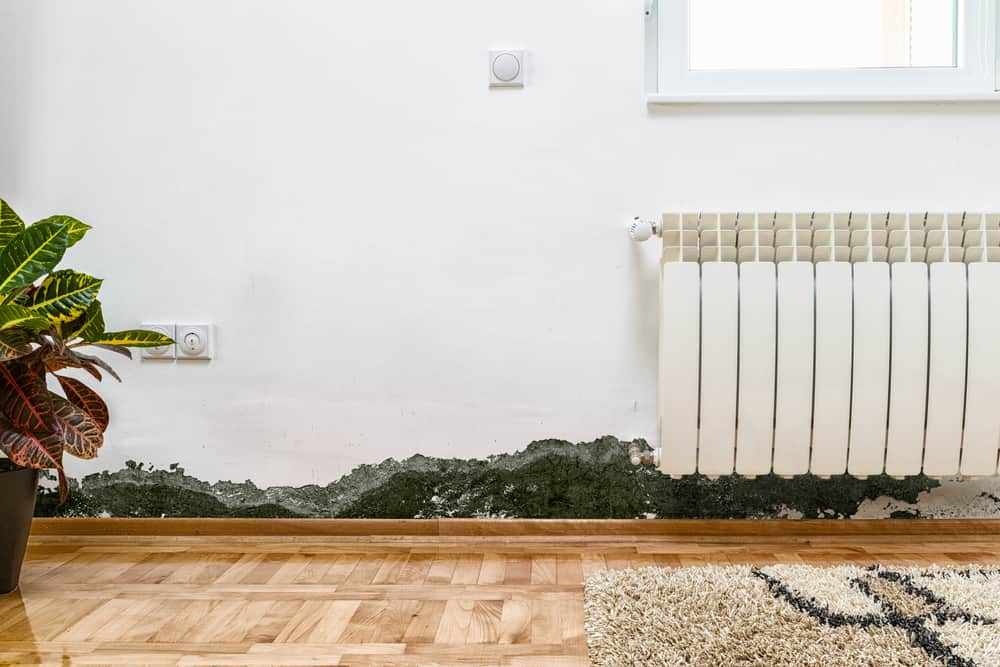
Most mold problems in Babylon don’t start with a dramatic flood. They start with a water table that’s been quietly rising under your basement slab every time it rains, or an attic that’s been trapping coastal humidity from the Great South Bay for decades. By the time you smell it or see it, the mold has usually been growing for a while and painting over it or spraying it with a store-bought product isn’t going to change that.
What actually changes things is finding where the moisture is coming from and correcting it before anything gets removed. That’s the difference between a remediation that holds and one that sends you back to square one six months later. For Babylon homes many built in the 1950s and 60s, long before modern vapor barriers or ventilation standards existed that moisture source investigation isn’t optional. It’s the whole job.
When it’s done right, you get your home back. The smell is gone. The air is clean verified by post-remediation testing, not just our word for it. Your family isn’t breathing in what was growing behind that wall. And if you’re heading toward a sale or an insurance claim, you have documentation that the work was done by a licensed contractor and confirmed clear.
Licensed Mold Remediation Company Babylon, NY
Richard Peterson, the owner of First Response Restoration and Cleaning Inc., holds personal New York State licenses in both mold assessment and mold remediation contracting. That’s not a detail buried in a company profile it means he is personally and legally accountable for every job that leaves this company. You can look up his license number through the NYS Department of Labor’s public database and confirm it yourself. That level of accountability is rare in this market, and it matters.
Our individual technicians are IICRC-certified, which means the people actually doing the work in your Babylon home have been formally trained and tested not just hired and handed a spray bottle. We’ve been operating on Long Island for over 30 years, which covers the full arc of what south shore communities like Babylon have been through: the post-Sandy remediation surge, the recurring nor’easter flooding, and the slow-burn moisture problems that the area’s mid-century housing stock quietly accumulates over decades.
Mold Remediation Process Babylon, NY
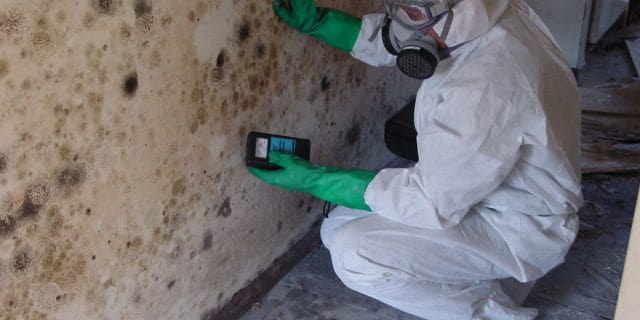
It starts with a thorough assessment. Before anything gets removed or treated, we map the moisture identifying where it’s entering the structure, how far it’s traveled, and what materials have been affected. In Babylon homes, this step often reveals things that aren’t visible: water intrusion through aging block foundation walls, condensation building up inside wall cavities, or groundwater coming up through a basement floor during heavy rain events. We don’t skip this step because skipping it is exactly why mold comes back.
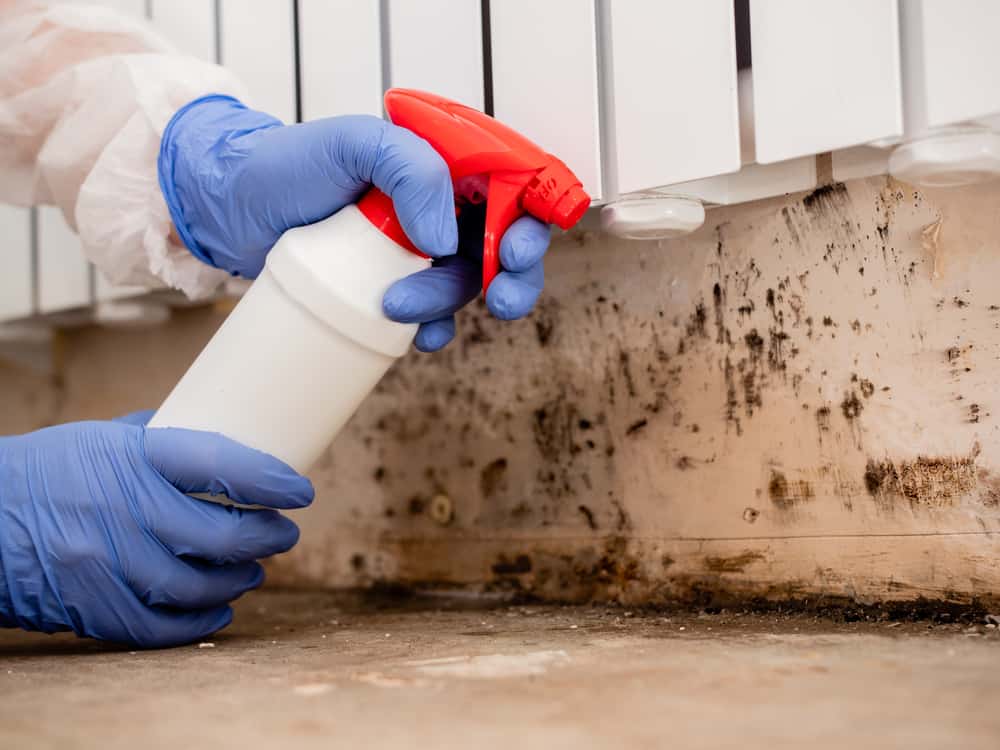
Once the scope is clear, we set up proper containment to keep spores from spreading to unaffected areas of your home while the work is being done. Contaminated materials are removed, surfaces are treated with professional-grade antimicrobials, and the area is dried to verified moisture levels. Because we also run a full cleaning division, we can carry the job all the way through cleaning affected surfaces, contents, and spaces rather than handing you a completion report and leaving the rest to you.
The final step is post-remediation verification. An independent air quality test confirms the mold levels are within normal range before we close out the job. If you’re filing an insurance claim or preparing for a real estate transaction, this documentation is exactly what you’ll need. Under New York State Article 32, all of this work is required to be performed by licensed contractors and every step of our process meets that standard.
Ready to get started?
Basement and Attic Mold Remediation Babylon, NY
Basement mold remediation in Babylon is its own category of problem. The water table along the south shore sits close enough to the surface that a heavy nor’easter can push groundwater up through your floor slab or through the mortar joints of an older block foundation bypassing your gutters, your grading, and your sump pump entirely. If your sump pump loses power during a storm (which happens regularly in this area), the flooding can happen fast. Mold follows within 24 to 48 hours. We handle the full scope: moisture source identification, structural drying, removal of contaminated drywall or framing, antimicrobial treatment, and final verification.
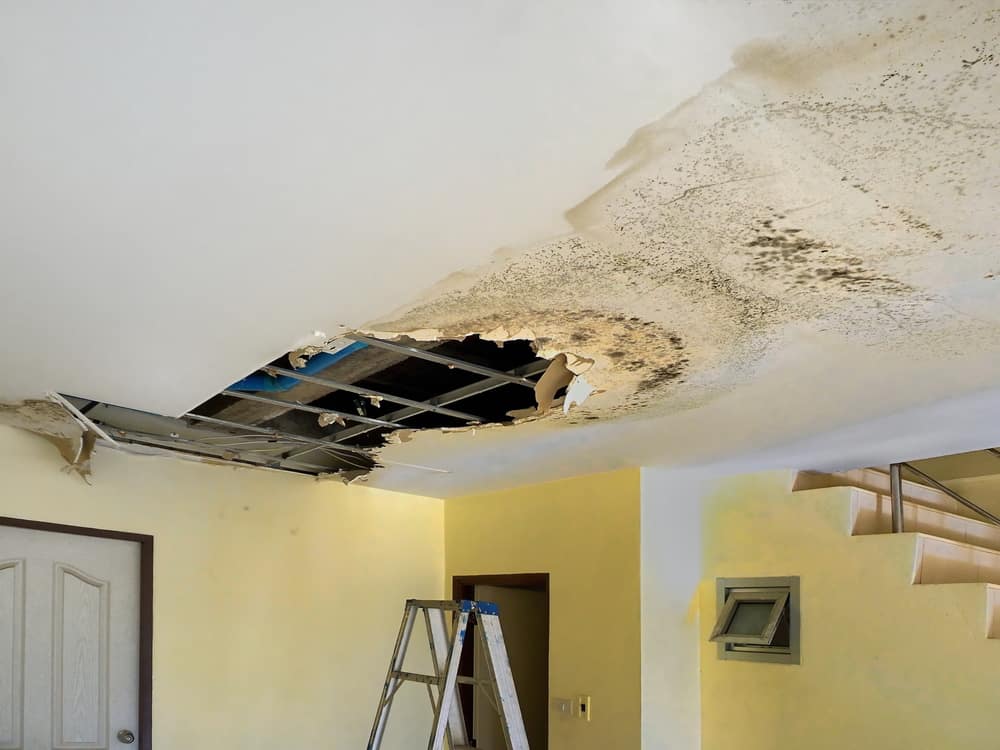
Attic mold is the other major issue we see constantly in Babylon’s older housing stock. Homes built in the 1950s and 60s which make up a significant share of the village’s residential properties were typically designed with minimal attic ventilation by today’s standards. Add in the coastal humidity that rolls in off the Great South Bay every summer, a bathroom exhaust fan that was vented into the attic instead of outside, or a small roof leak that went unnoticed, and you’ve got the conditions for serious mold growth on your roof sheathing and rafters. We address the ventilation issue as part of the remediation because without fixing it, the mold will be back.
Crawl space mold remediation, black mold remediation, and emergency mold remediation after flooding are all part of what we handle. If you’ve had water in your home and you’re not sure whether mold has started, the answer is almost always to find out sooner rather than later.
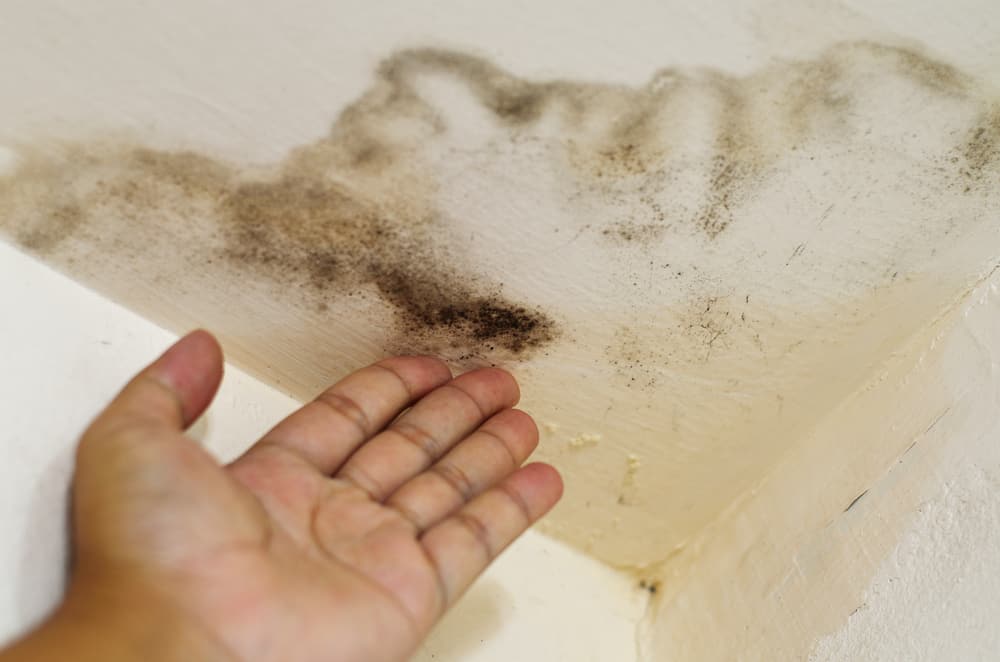
How much does mold remediation cost in Babylon, NY?
The honest answer is that it depends on where the mold is, how far it’s spread, and what caused it. For most Babylon homeowners, projects fall somewhere between $1,100 and $3,300. Basement jobs that involve structural framing, or attic remediations where the sheathing has been heavily affected, can run higher sometimes $5,000 to $9,000 or more depending on the extent of the damage.
What tends to push costs up in Babylon specifically is the combination of older housing stock and coastal moisture exposure. A home built in 1958 with a block foundation, no vapor barrier, and an undersized sump pump presents a more complex remediation than a newer home with modern waterproofing. The other factor is whether the moisture source gets corrected as part of the job. If it doesn’t, you’ll be paying for remediation twice and the second time is never cheaper than the first.
What's the difference between mold remediation and mold removal?
Mold removal is one step in a larger process. Remediation is the full process and the distinction matters a lot if you want results that actually last. Removal means physically taking out contaminated materials. Remediation means identifying the moisture source, containing the affected area, removing contaminated materials, treating surfaces with antimicrobials, drying everything to verified levels, and then confirming through post-remediation air quality testing that the mold is gone.
A company that only removes visible mold without finding and correcting the moisture source isn’t solving your problem they’re just cleaning up the symptom. In Babylon, where the moisture drivers are often structural (aging foundations, high water tables, inadequate ventilation), the source correction is frequently the hardest and most important part of the job. Under New York State Article 32, licensed contractors are required to follow a defined remediation standard not just wipe down surfaces and call it done.
Can I stay in my house while mold remediation is being done?
In most cases, yes but it depends on the location and extent of the mold, and how the containment is set up. When mold is confined to a basement, crawl space, or attic, most homeowners are able to stay in the main living areas of the house while the work is being done. Proper containment sealed plastic barriers, negative air pressure, HEPA filtration is designed specifically to prevent spores from migrating into the rest of your home during the remediation process.
If the mold is in a central living area, or if the affected square footage is large enough that containment would significantly disrupt daily life, temporary relocation may make more sense. We’ll tell you honestly during the assessment what the situation warrants. If you or anyone in your household has asthma, allergies, or a compromised immune system, that’s a factor we’ll take into account when making a recommendation.
Does homeowner's insurance cover mold remediation in New York?
It depends on the cause of the moisture, and this is where a lot of Babylon homeowners get tripped up. Insurance typically covers mold that results from a sudden and accidental event a burst pipe, a storm surge that entered through a failed window or door, a washing machine hose that gave out. It typically does not cover mold that resulted from a slow leak, deferred maintenance, or long-term moisture accumulation that wasn’t addressed.
The documentation you provide matters enormously. Insurance companies want to see what caused the water intrusion, when it happened, and who performed the remediation and they will ask whether the contractor was licensed. Under New York State law, mold remediation must be performed by a licensed contractor. If you file a claim for work done by an unlicensed operator, your insurer has grounds to deny it. We help Babylon homeowners document damage correctly from the start, which gives your claim the best possible foundation.
My Babylon home was flooded during Sandy could there still be mold hiding in the walls?
Yes, and this is more common than most people realize. The Town of Babylon was significantly impacted by Superstorm Sandy in 2012, and the remediation work done in the weeks and months that followed was often rushed. A lot of it was performed by contractors who weren’t properly licensed, who removed visible mold but didn’t correct the moisture source, or who painted over affected surfaces rather than replacing them. More than a decade later, some of those properties are still dealing with the consequences.
If your home was flooded during Sandy and you’ve noticed recurring musty odors, unexplained allergy symptoms, or discoloration in areas that were previously remediated, it’s worth having a licensed assessor take a look. Mold can grow inside wall cavities, under flooring, and in structural framing for years without being visible from the surface. A proper assessment including moisture mapping and air quality sampling will tell you whether there’s an active problem and where it’s located.
Why does mold keep coming back in my basement even after I've had it treated?
Because the moisture source wasn’t corrected the first time. This is the most common reason mold returns after a remediation, and it’s a problem we see frequently in Babylon’s older homes. The mold gets cleaned up, the surfaces get treated, and everything looks fine until the next heavy rain pushes groundwater up through the floor or through the foundation wall again, and the cycle starts over.
In Babylon, the water table along the south shore is high enough that basement moisture isn’t just a surface drainage issue. It can come from below, through the slab or through aging block foundation walls that have been absorbing ground moisture for 50 or 60 years. Fixing the mold without addressing that underlying dynamic is a temporary solution at best. Our process starts with finding where the water is coming from not just where the mold is growing and that’s what makes the difference between a remediation that holds and one that doesn’t.
Useful Links
Other Services we provide in Babylon