
Hear from Our Customers
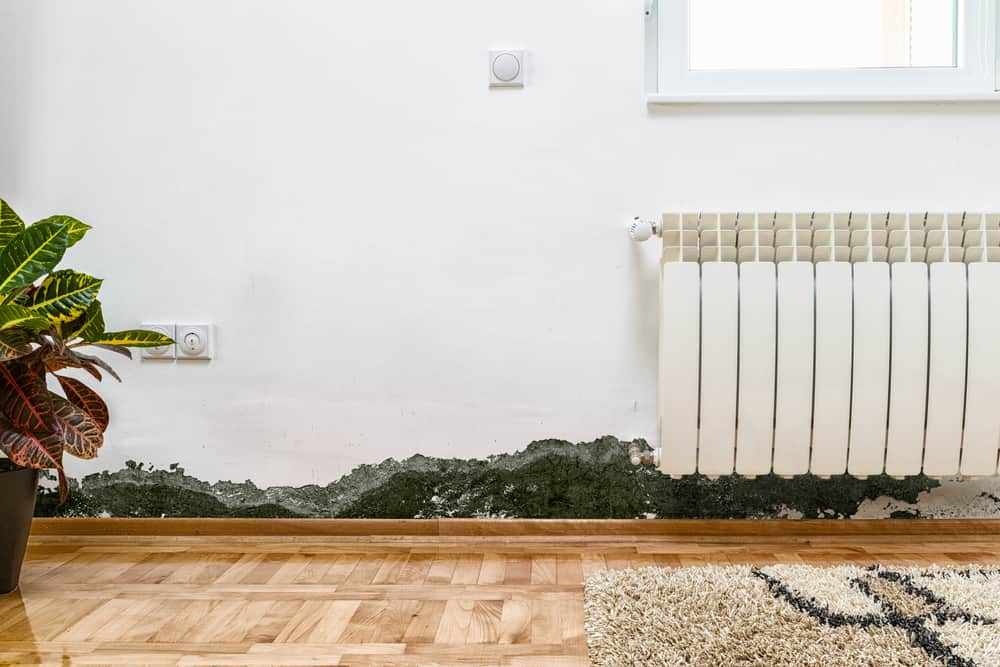
Mold remediation done right means the mold doesn’t come back. That sounds obvious, but it’s where most jobs fall apart. The mold gets removed, the surface looks fine, and six months later you’re dealing with the same problem — because nobody fixed why it grew in the first place.
Belle Terre’s environment makes this especially important. Homes on the peninsula sit with the Long Island Sound on one side and Port Jefferson Harbor on the other. The ambient humidity here runs higher than almost anywhere else in Suffolk County, and it doesn’t let up. If the moisture source isn’t identified and corrected before remediation starts, you’re just delaying the next outbreak.
The other factor that matters in Belle Terre is the housing stock itself. Most homes here were built in the 1960s or 1980s, with a cluster of Tudor-era properties from the early 1900s. These homes were built before modern vapor barriers and moisture-resistant building standards existed. Crawl spaces, aging roof sheathing, original window seals — these are the places where mold quietly develops for months before anyone notices. When we remediate thoroughly, with post-remediation air quality verification included, you walk away with documented proof that the job is actually finished.
We’ve been operating on Long Island since the early 1990s. That’s not a number thrown out to sound impressive — it means we’ve worked through every generation of North Shore housing, every post-storm surge of emergency calls, and the full transition of mold remediation from an unregulated trade to a licensed profession under New York State’s Article 32.
Richard Peterson, our owner, holds personal NYS licenses in both mold assessment and mold remediation contracting. Not a company-level credential sitting in a filing cabinet — his personal license, which means he’s directly accountable for every job that leaves this operation. Our technician team is IICRC-certified, so the people doing the actual work in your Belle Terre home have been formally trained and tested, not just hired and handed a respirator.
For Belle Terre homeowners — where properties regularly exceed $1 million in value and the village enforces its own building permits and certificates of occupancy — working with a fully licensed, documented contractor isn’t optional. It’s the baseline.
The first step is always assessment. Before anything is removed or treated, we identify the moisture source. In Belle Terre, that usually means checking crawl spaces in the 1960s-era homes, inspecting attic sheathing in properties where ventilation hasn’t kept pace with modern standards, and examining the building envelope on the Tudor-era homes where stone foundations and original plaster walls are common entry points for moisture. Skipping this step is how remediation fails.
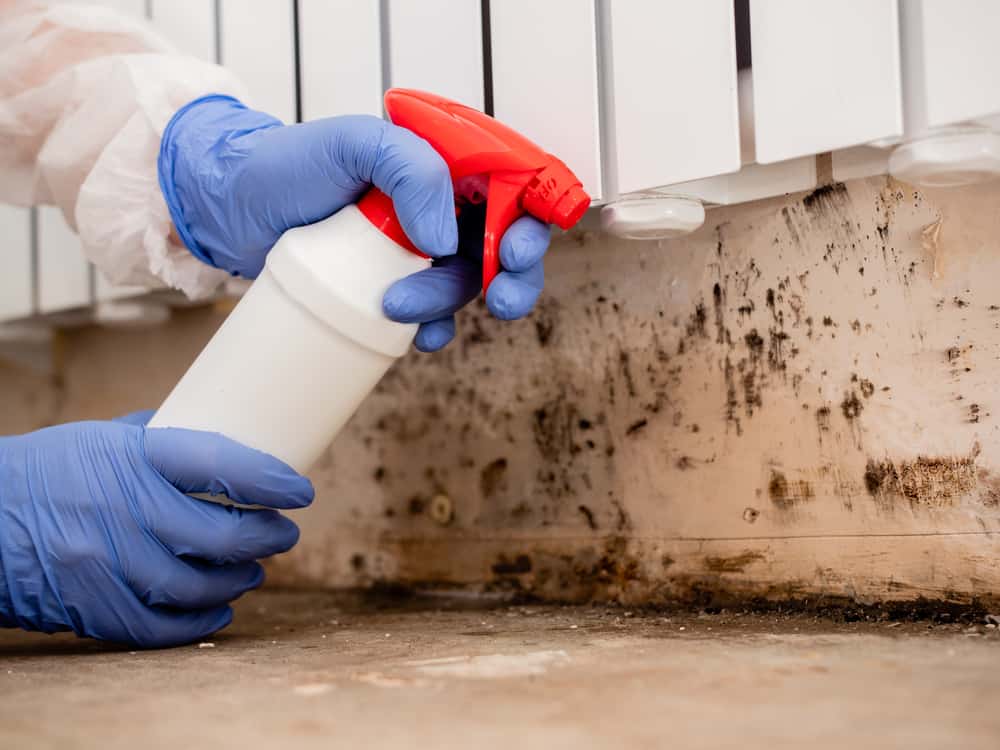
Once we identify the source and clarify the scope, containment goes up. This isolates the affected area so mold spores aren’t disturbed and redistributed through the rest of your home during the removal process. We remove contaminated materials, begin structural drying where needed, and apply antimicrobial treatment to affected surfaces. Because we also operate a cleaning division, the full restoration cycle — from containment through final cleaning — is handled by one company. You don’t have to coordinate separate contractors to finish the job.
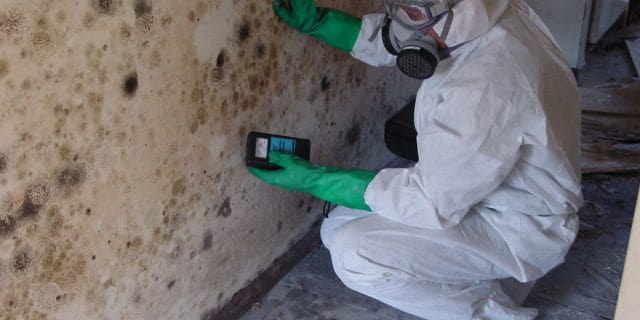
The final step is post-remediation verification. We test air quality after the work is complete to confirm that spore counts have returned to normal background levels. That clearance report matters — for your insurance company, for any real estate transaction, and for your own peace of mind. In a village where home values and regulatory standards are both high, documentation isn’t a formality. It’s the proof that the work was done correctly.
Ready to get started?
Crawl space mold remediation is one of the most common calls we receive on the North Shore, and Belle Terre is no exception. Many of the homes here were built on crawl spaces rather than full basements — a construction pattern typical of 1960s North Shore development. Without proper encapsulation and airflow, crawl spaces trap moisture and create ideal conditions for mold growth in floor joists, subfloor sheathing, and insulation. Left alone, that mold doesn’t stay contained.
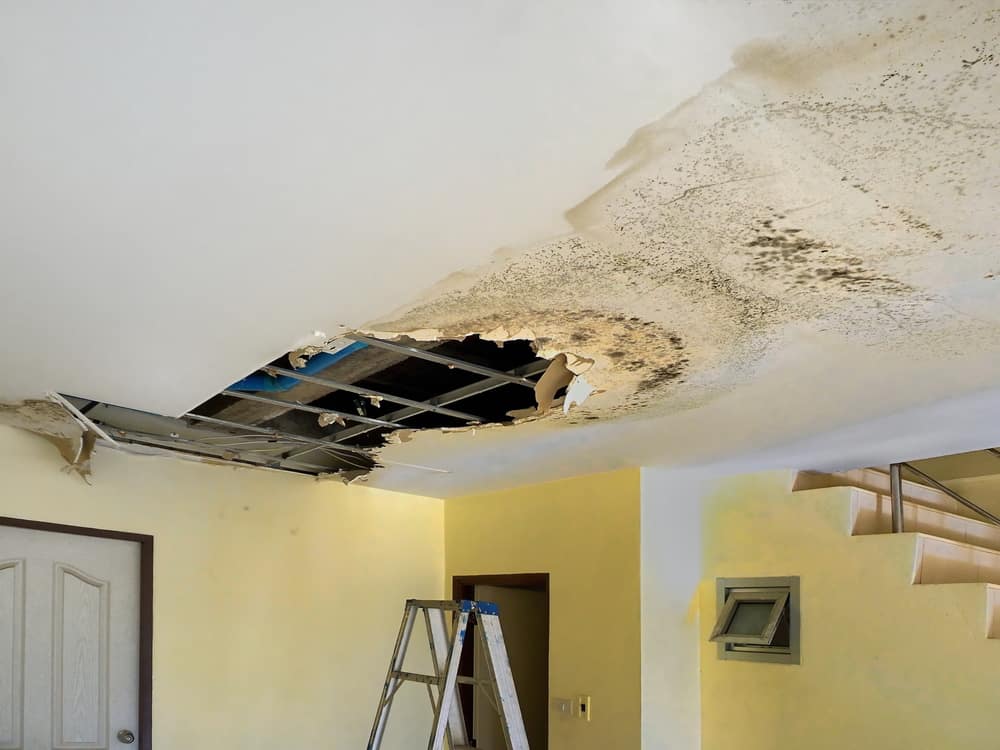
Attic mold is the other endemic issue in this area. The temperature differential between a conditioned living space and an older, under-ventilated attic drives condensation onto roof sheathing and rafters — especially during the humid Long Island summers. This is often discovered during HVAC servicing or insulation work, sometimes years after it started.
Black mold remediation requires a different level of containment and protective protocol than surface-level mold cleanup, and we handle it accordingly. We also offer emergency mold remediation around the clock — because water intrusion from a nor’easter or a burst pipe during a cold snap doesn’t follow business hours, and mold begins growing within 24 to 48 hours of moisture exposure. Whether the issue is in the crawl space, the attic, the basement, or behind a wall, we handle mold damage repair in Belle Terre, NY completely — assessment, remediation, and final cleaning under one roof.
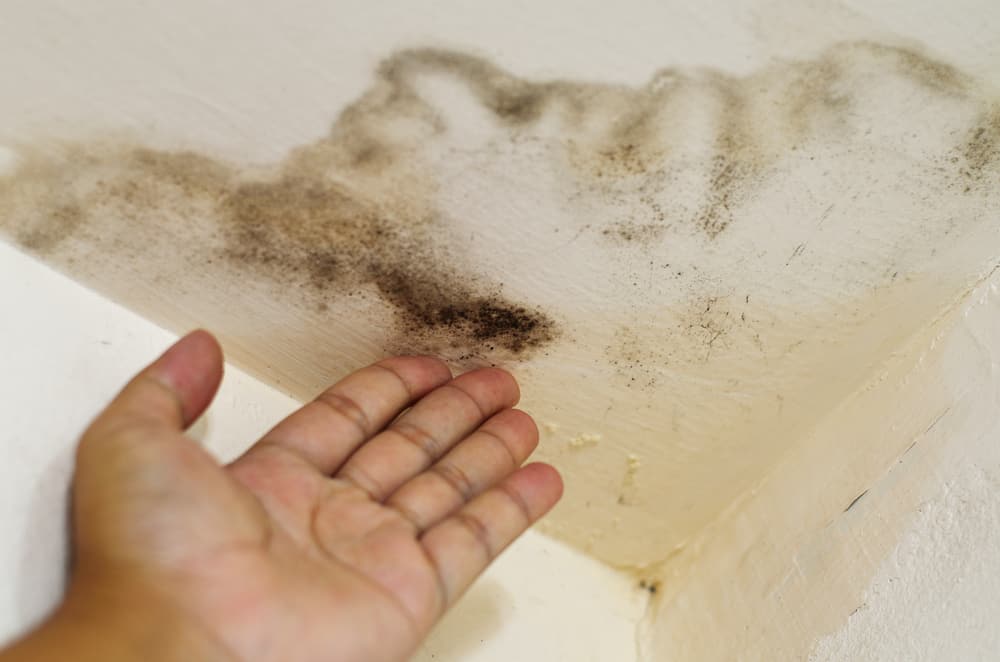
Yes — and this is one of the most important things to verify before hiring anyone. New York State’s Article 32 of the Labor Law, which took effect January 1, 2016, makes it unlawful for any person to perform mold assessment or remediation without a valid state-issued license. That applies everywhere in New York, including Belle Terre.
The problem is that unlicensed contractors still operate in the Long Island market, often at lower prices that reflect lower compliance costs and fewer safeguards. Hiring one exposes you to real risk: the remediation may not meet legal standards, your insurance company may deny the claim, and you could bear liability for work performed in violation of state law. You can verify any contractor’s license through the NYS Department of Labor’s online lookup tool before signing anything. We hold both a mold assessor license and a mold remediation contractor license — and those are verifiable, not just claimed.
The honest answer is that cost depends heavily on where the mold is, how far it’s spread, and what materials are affected. For a contained crawl space or attic situation in a single area, you’re typically looking somewhere in the range of $1,500 to $4,000. Larger infestations involving multiple areas, structural materials, or black mold remediation with full containment protocols can run significantly higher — sometimes $6,000 to $10,000 or more for a thorough job in a larger home.
In Belle Terre specifically, the size and age of the housing stock matters. A 1960s ranch with an unencapsulated crawl space that’s been accumulating moisture for years is a different scope than a recently built home with a localized bathroom issue. The older Tudor-era properties present their own complexity — stone foundations, original plaster, and decades of moisture cycling through the building envelope. A written estimate after a proper assessment is the only honest way to give you an accurate number, and that’s what you should expect from any legitimate contractor.
Attic mold on the North Shore — and in Belle Terre specifically — is almost always a ventilation problem compounded by coastal humidity. When warm, moisture-laden air from the Long Island Sound gets into an attic that doesn’t have adequate airflow, it condenses on the underside of the roof sheathing. Over time, that repeated condensation feeds mold growth on the wood surfaces above you. Homes built in the 1960s and 1980s were not designed with today’s ventilation standards in mind, and many of those original systems haven’t been updated.
Fixing it means two things: remediating the existing mold on the sheathing and rafters, and correcting the ventilation issue so it doesn’t happen again. If only the mold is treated without addressing the airflow problem, you’ll be back to the same situation within a few years. Post-remediation air quality testing confirms the attic is clear before the job is considered finished. Discovery often happens during HVAC servicing or insulation work — if someone’s been in your attic recently and mentioned discoloration on the wood, that’s worth taking seriously.
It depends on the scope and location of the work. For smaller, contained projects — a single bathroom, a section of crawl space, or a limited attic area — many homeowners stay in the home without issue. We set up containment barriers and negative air pressure systems specifically to prevent mold spores from migrating into occupied areas of your house during the remediation process.
For larger jobs, particularly black mold remediation involving significant square footage, or situations where the HVAC system is involved and air circulation through the home is disrupted, leaving during active remediation is the safer and more practical choice. If you’re in the 65-and-older demographic that makes up a significant portion of Belle Terre’s residents, or if anyone in the household has respiratory sensitivities or a compromised immune system, erring on the side of temporarily relocating during the most intensive phase of work is worth considering. We’ll give you a clear recommendation based on the actual scope of the job — not a one-size-fits-all answer.
This is one of the most time-sensitive situations in the mold remediation world, and it comes up regularly in a market like Belle Terre where home sales routinely exceed $1 million. When mold is flagged during a home inspection, both the buyer and seller are under pressure — the transaction timeline doesn’t pause, and unresolved mold findings can kill a deal or trigger significant price renegotiation.
The immediate step is getting a licensed mold assessor to evaluate the finding and provide a written scope of what remediation actually requires. That assessment gives all parties — buyer, seller, real estate attorneys, and the title company — a documented, professional baseline to work from. Once remediation is completed, post-remediation clearance testing produces the documentation that satisfies buyers and their representatives that the issue has been fully resolved. In a village where property values are this high and buyers are this sophisticated, a clearance report from a licensed, IICRC-certified remediation company carries real weight. Moving quickly matters — delays in a real estate mold situation tend to compound the problem on every side.
It depends on what caused the mold. Insurance generally covers mold remediation when it results directly from a sudden, accidental event that’s already covered under your policy — a burst pipe, a roof failure during a nor’easter, or water intrusion from a storm. Those are the scenarios where your claim has a real foundation. Mold that developed gradually from long-term moisture issues, deferred maintenance, or chronic condensation is typically excluded, because insurers treat that as a maintenance problem rather than a covered loss.
Belle Terre’s coastal exposure means nor’easter damage is a legitimate and recurring cause of moisture intrusion in this community — and those storm-related events are exactly the kind of sudden, documented occurrence that supports a valid claim. What makes the difference in getting a claim approved is documentation: a clear record of what was found, where, what caused it, and what was done to fix it. We help customers build that documentation from the start — not as an afterthought at the end of the job. If you’re unsure whether your situation qualifies, getting a licensed assessment done first gives you the information you need before you call your insurer.
Useful Links
Other Services we provide in Belle Terre