
Mold Remediation in Cold Spring Harbor, NY
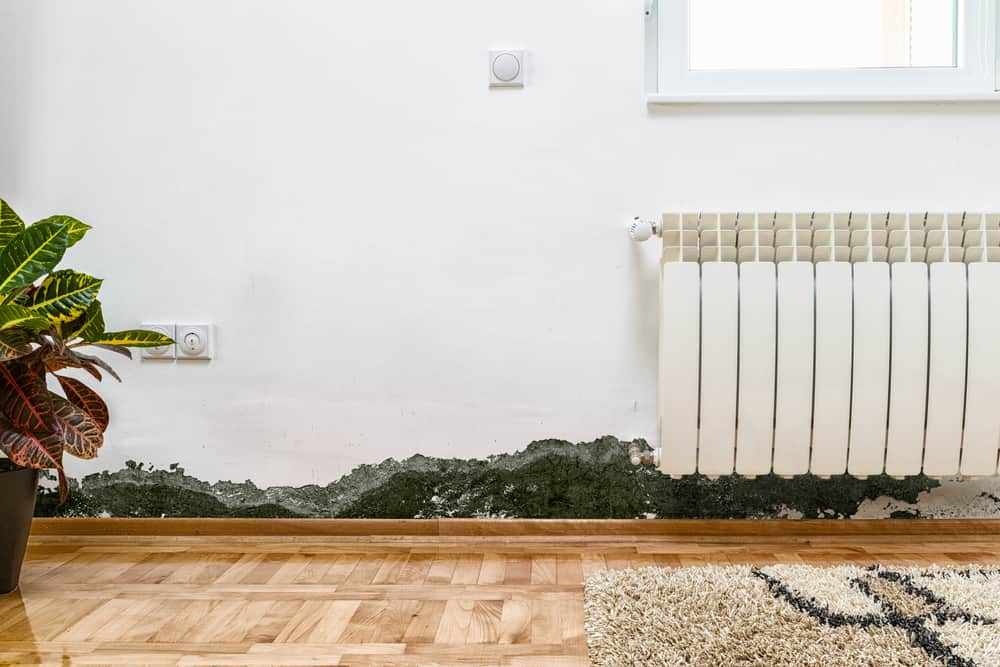
Harbor Humidity Doesn't Forgive Old Homes
Hear from Our Customers
Mold Damage Repair Cold Spring Harbor NY
Mold remediation done right means you’re not calling someone back in six months because the same wall is black again. The real outcome is a home where the source of the problem has been identified and eliminated not just wiped down and sprayed. That’s the difference between a fix and a patch job.
Cold Spring Harbor’s position on a tidal harbor creates year-round coastal humidity that works its way into crawl spaces, attic sheathing, and the original wood framing of homes that were built decades before anyone thought about vapor barriers. Many of the homes along and around Route 25A were constructed in the 1940s and 1950s beautiful, architecturally significant properties that were simply never designed to manage the kind of moisture this environment produces. When we handle remediation correctly in homes like these, you’re not just clearing mold. You’re giving those original materials a real chance at longevity.
The other outcome that matters especially in a real estate market where homes regularly list above two million dollars is documentation. A post-remediation clearance report that satisfies your attorney, your buyer, and your insurance company isn’t optional when this much is on the line. That’s a standard part of what we deliver here, not an add-on you have to ask for.
Certified Mold Remediation Cold Spring Harbor NY
We’ve been working on Long Island for over three decades which means Cold Spring Harbor’s older housing stock, high water tables, and harbor-adjacent crawl spaces are not new territory. We’re not a company that showed up after a busy storm season and started marketing to your zip code. We’re a Long Island operation with real history in communities exactly like Cold Spring Harbor.
Our owner, Richard Peterson, holds personal New York State licenses in both mold assessment and mold remediation not a company credential filed away in an office, but his individual license, which means his name is on every job. Every technician on our team is IICRC-certified, trained to the S520 standard that the industry uses as its benchmark. That combination owner-level accountability and individually certified technicians is genuinely uncommon in this market.
We also handle the full scope from start to finish, including final cleaning once the structural work is done. For homeowners in Cold Spring Harbor who don’t have time to coordinate three different contractors for one problem, that matters.
Professional Mold Remediation Cold Spring Harbor NY
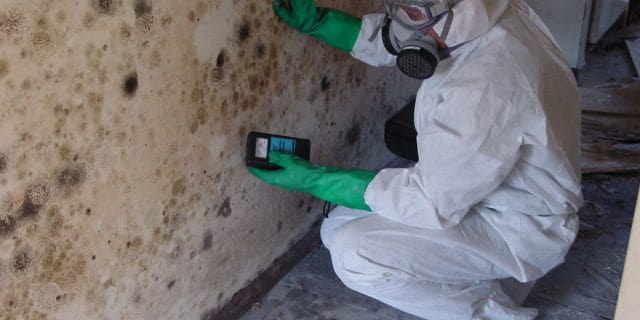
It starts with a thorough assessment not a quick walkthrough, but an actual moisture mapping of the affected area to identify where the water is coming from and how far the mold has traveled. In Cold Spring Harbor’s older homes, mold rarely stays where you can see it. It follows moisture into wall cavities, original wood framing, and crawl space joists. Finding the edges of the contamination matters as much as treating the center of it.
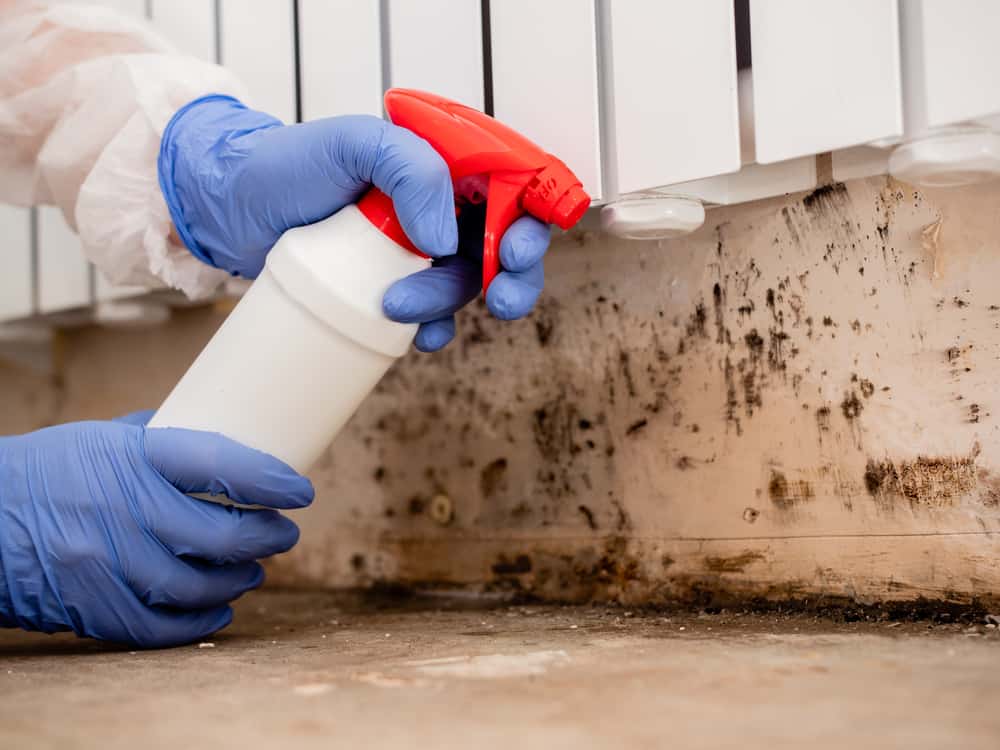
Once the scope is clear, containment goes up. This keeps mold spores from spreading to unaffected areas of your home while the work is being done a critical step that unlicensed operators frequently skip or underperform. We remove contaminated materials, perform HEPA vacuuming to clear residual spores, and apply antimicrobial treatment to affected surfaces. For crawl spaces, which are particularly vulnerable in North Shore properties with high water tables and ground vapor exposure, encapsulation is often part of the conversation at this stage.
After the remediation is complete, post-remediation verification testing confirms that spore counts have returned to normal levels. You receive a written clearance report the kind that holds up in a real estate transaction, satisfies an insurance adjuster, or simply gives you confidence that your family’s air is clean. New York State’s Article 32 requires that the assessment and remediation be handled by separately licensed parties, and we follow that process from start to finish.
Ready to get started?
Mold Cleanup and Remediation Cold Spring Harbor NY
The mold problems that show up most often in Cold Spring Harbor aren’t random. They’re predictable, given the community’s housing stock and geography. Crawl space mold is endemic in North Shore properties the combination of high water tables, ground vapor, and inadequate original ventilation creates ideal conditions beneath homes that were built in the 1950s and 1960s without modern moisture control. Attic mold follows close behind, driven by the temperature differentials that air conditioning creates in Colonial and Cape Cod homes with insufficient ridge and soffit ventilation. Basement mold and post-storm infiltration round out the list, particularly after nor’easters push water into older foundation systems that weren’t designed for that kind of hydrostatic pressure.
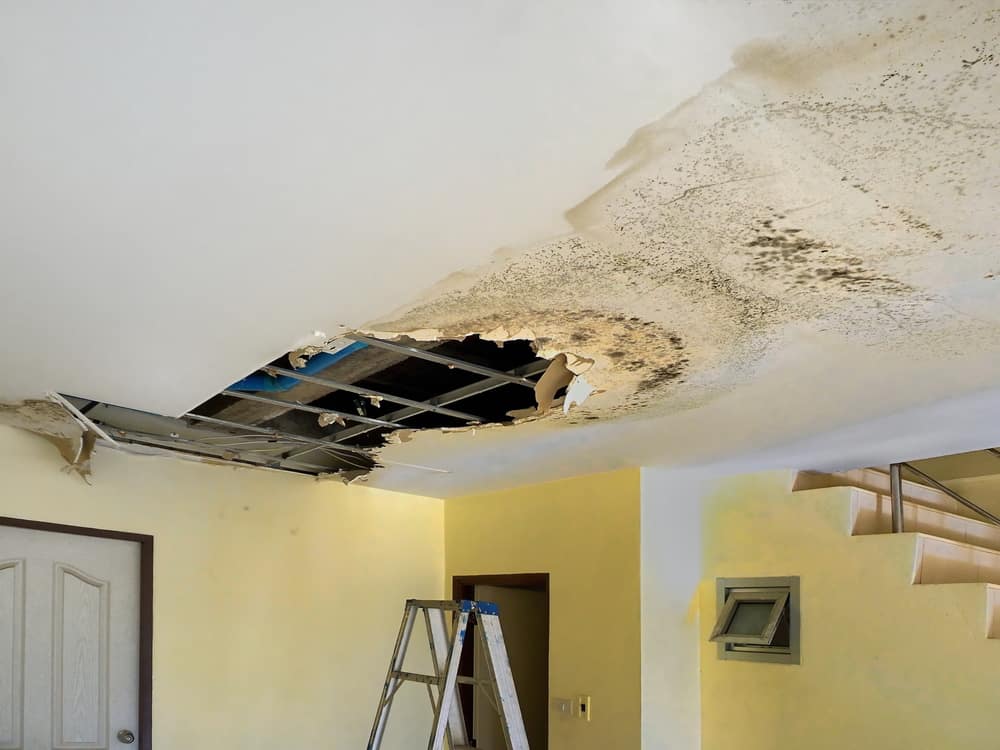
We handle all of it crawl space mold remediation, attic mold remediation, basement mold remediation, and emergency mold remediation when a storm or pipe failure puts you on the clock. Our 24/7 availability isn’t a marketing line. Mold starts growing within 24 to 48 hours of water intrusion, and a nor’easter doesn’t wait for Monday morning.
Because we also operate a cleaning division, the job doesn’t stop at the structural work. Final cleaning of affected surfaces and contents is handled under the same roof, the same crew, and the same invoice. For a homeowner managing a high-value property on the North Shore, not having to find a separate cleaning company after the remediation crew leaves is a real, practical benefit not a small one.
Does mold remediation in Cold Spring Harbor require a licensed New York State contractor?
Yes and this is not a technicality worth overlooking. New York State’s Article 32 of the Labor Law, which went into effect in January 2016, makes it illegal for anyone to perform mold assessment or mold remediation in New York without a valid state-issued license. That applies to every property in Cold Spring Harbor, regardless of the size of the job or how minor the mold looks.
There’s also an important consumer protection built into Article 32 that most homeowners don’t know about: the same company cannot legally perform both the mold assessment and the mold remediation on the same project. That separation exists specifically to prevent conflicts of interest so the person telling you how bad the problem is isn’t the same person financially motivated to make it sound worse. You can verify any contractor’s NYS license status directly through the Department of Labor’s online lookup. It takes about 30 seconds and tells you everything you need to know before anyone sets foot in your home.
What is the difference between mold remediation and mold removal for homeowners?
Mold remediation and mold removal sound like the same thing, but the distinction matters especially in Cold Spring Harbor’s older housing stock. Mold removal typically refers to physically cleaning or wiping mold off a surface. It addresses what’s visible. Remediation is a broader, more complete process: it includes identifying the moisture source driving the mold growth, containing the affected area to prevent spore spread, removing contaminated materials that can’t be saved, treating affected surfaces, and verifying through post-remediation testing that the problem has actually been resolved.
In a home built in the 1950s with original plaster walls, old-growth wood framing, and a crawl space that’s been absorbing ground vapor for 70 years, surface removal alone doesn’t accomplish much. The mold will return within weeks if the moisture source isn’t corrected. Remediation treats the condition, not just the symptom and in a home worth well over a million dollars, that’s the only approach that makes financial sense.
How much does mold remediation typically cost in Cold Spring Harbor, NY?
Cost varies depending on where the mold is, how far it’s spread, and what materials are involved. For most residential projects, mold remediation falls somewhere between $1,100 and $3,300, with a national average around $2,200 to $2,400. Attic mold remediation tends to run higher typically $1,500 to $9,000 because of the size of the space and the extent of contaminated insulation that often needs to be removed. Crawl space remediation generally falls between $500 and $4,000, though projects that include encapsulation can go higher.
In Cold Spring Harbor specifically, a few factors push projects toward the higher end of those ranges. The age of the housing stock means more original materials, more complex construction, and more care required to avoid damaging irreplaceable components. Crawl spaces in North Shore properties tend to have more entrenched moisture problems than those in inland communities, which can expand the scope of work. And for any project tied to a real estate transaction which is common in a market where homes regularly list above two million dollars the documentation and post-remediation verification process adds a layer of thoroughness that affects both the timeline and the total cost.
Can mold come back after professional remediation is completed?
It can but only if the moisture source that caused it in the first place wasn’t addressed. Mold is not a self-generating problem. It needs moisture to grow, and if that moisture source is still present after the remediation is done, the mold will return. This is why the assessment phase matters so much. Finding where the water is coming from whether it’s ground vapor migrating through an unconditioned crawl space, condensation building up on attic sheathing from inadequate ventilation, or water infiltrating through an aging foundation after a nor’easter is what determines whether the remediation lasts.
In Cold Spring Harbor, where many homes sit on high water tables and experience persistent coastal humidity from the harbor, the moisture source conversation is especially important. A crawl space that’s been drawing in ground vapor for decades doesn’t stop doing that just because the visible mold was removed. Proper encapsulation, vapor barriers, and ventilation corrections are often part of a complete solution in this environment. When those steps are included, the remediation holds. When they’re skipped, you’re back to square one within a season.
Is mold remediation covered by homeowner's insurance in New York?
Sometimes and the answer depends almost entirely on what caused the mold. Homeowner’s insurance in New York typically covers mold remediation when it results from a sudden and accidental covered event, like a burst pipe, a washing machine failure, or an appliance leak. In those cases, the water damage and resulting mold are generally part of the same covered claim. What most policies don’t cover is mold that developed from long-term moisture problems a crawl space that’s been damp for years, chronic condensation in an attic, or gradual water infiltration through an aging foundation.
For Cold Spring Harbor homeowners, that distinction matters because many of the mold problems in this community are driven by exactly those chronic conditions harbor humidity, high water tables, and original construction that was never designed to manage modern moisture levels. That doesn’t mean you’re without options, but it does mean the documentation of how and when the moisture event occurred is critical to any insurance conversation. Having a licensed contractor involved from the start one who can provide clear written documentation of the source, the scope, and the remediation process gives you the strongest possible position when you’re working through a claim.
How do I know if my Cold Spring Harbor crawl space has a mold problem?
Most crawl space mold in Cold Spring Harbor goes undetected for a long time not because it’s subtle, but because most homeowners simply don’t go into their crawl spaces regularly. By the time there’s a musty smell in the first floor living space, or visible staining on the floor joists above, the contamination has usually been developing for months. Common signs to watch for include a persistent earthy or musty odor in ground-floor rooms, unexplained allergy or respiratory symptoms that improve when you leave the house, visible dark staining or fuzzy growth on crawl space wood surfaces, and moisture or condensation on pipes and structural members.
In North Shore communities like Cold Spring Harbor, crawl space mold is particularly common in homes built between 1940 and 1970 which represents a large portion of the local housing stock. These homes were constructed before vapor barriers and crawl space encapsulation were standard practice, and the combination of high water tables, ground vapor, and inadequate ventilation creates conditions that mold is well-suited to exploit. If your home is in that age range and has never had a crawl space inspection, it’s worth having one done not because mold is guaranteed, but because catching it early is significantly less expensive and less disruptive than addressing it after it’s spread to the structural framing above.
Useful Links
Other Services we provide in Cold Spring Harbor