
Hear from Our Customers
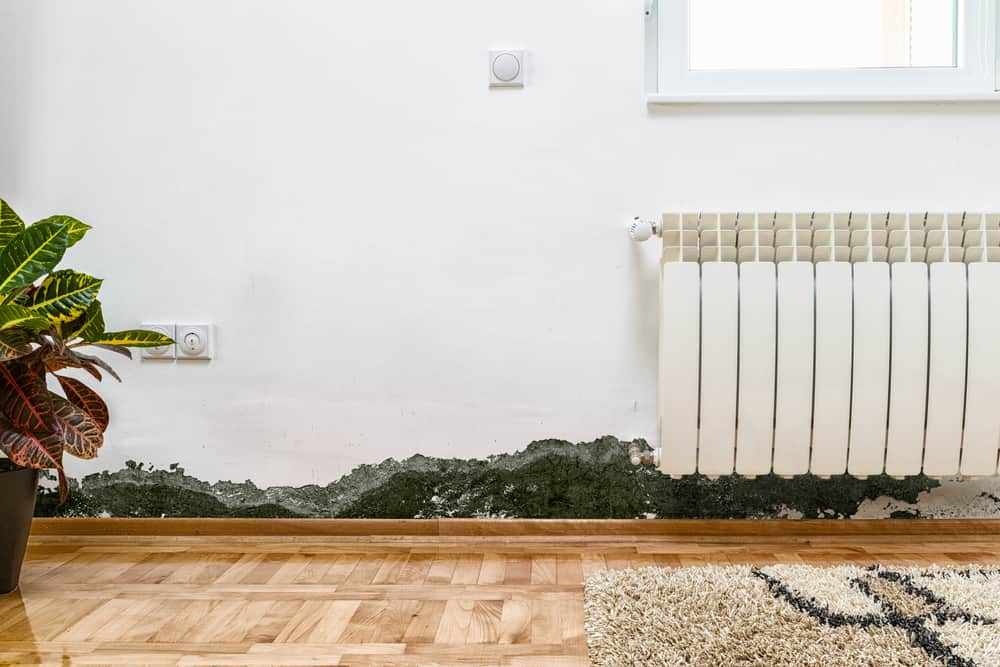
Coram sits over the Long Island aquifer, and that groundwater doesn’t stay underground. It pushes against basement walls, seeps through older foundations, and creates the kind of chronic moisture that mold feeds on year after year. If your basement has a musty smell that comes back every spring, that’s not a coincidence — that’s hydrostatic pressure doing exactly what it does to post-WWII construction that was never built to handle it.
When mold remediation is done right, you stop managing the problem and start living without it. Your air quality improves, the smell is gone, and the materials that were holding moisture and contamination are replaced — not painted over or sprayed with something that masks it for a season. For families with kids in the Longwood or Middle Country school districts, that difference matters more than a lower quote from someone who cut corners.
Coram also borders the Long Island Central Pine Barrens, and that proximity keeps ambient humidity elevated through the summer. Attics in older Cape Cods and colonials in this area take the worst of it — inadequate soffit ventilation, heat buildup, and humidity that condenses on roof sheathing season after season. A properly remediated attic isn’t just mold-free — it’s set up so the conditions that caused the mold in the first place are actually corrected.
Richard Peterson, our owner, holds personal New York State licenses in both mold assessment and mold remediation under Article 32 of the Labor Law. Not a company credential filed away somewhere — his name, his license, his accountability on every job. Every technician on our team carries IICRC certification, which means the people physically working in your Coram home have been trained and tested to the industry’s recognized standard, not just handed a shirt and a truck.
We’ve been working on Long Island for 31 years. That means decades of working through Brookhaven’s housing stock — the ranch homes off Route 112, the Cape Cods near Middle Country Road, the crawl spaces and basements that were built before anyone thought much about vapor barriers. We’re not a company that added Coram to a coverage map. We’re a company that has been here, knows the area, and has seen what moisture does to homes like yours over time.
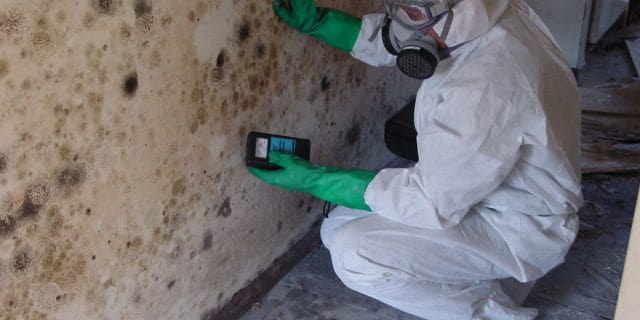
It starts with finding where the moisture is coming from. That sounds obvious, but it’s the step most companies skip or rush through. In Coram, that usually means checking for groundwater intrusion along the foundation, looking at attic ventilation, and assessing crawl space conditions in older ranch-style construction. If the source isn’t identified and addressed, the mold will return — it’s that simple.
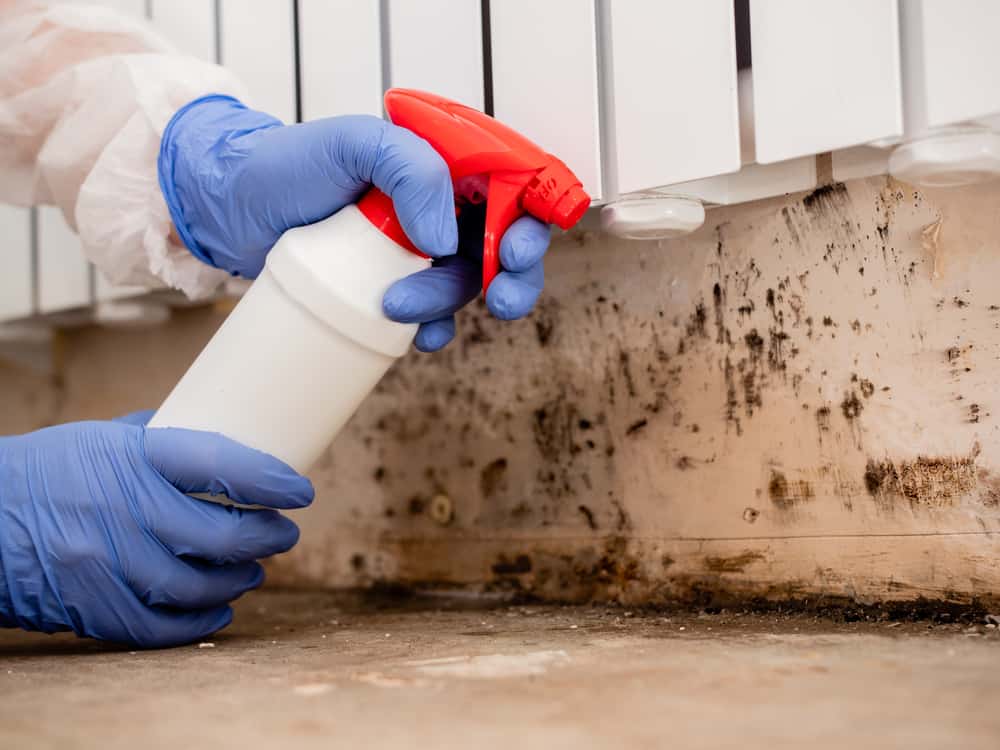
Once the source is mapped, the affected area is contained using negative air pressure and physical barriers to prevent spores from spreading to other parts of your home during the work. Mold-contaminated materials — drywall, insulation, wood framing, whatever has been compromised — are removed and disposed of properly. Remaining surfaces are treated with EPA-registered antimicrobial agents. We clean thoroughly, which is where our integrated cleaning division comes in. Most remediation companies stop before that final step and leave that to you.
After the work is complete, post-remediation air quality testing confirms that spore counts are back to normal levels. That clearance report is your documentation — for your own peace of mind, for an insurance claim, or for a real estate closing on a home worth $489,000 or more. Under New York State’s Article 32, the assessment and remediation cannot be performed by the same company, so that clearance testing is independent by law. You’ll have a paper trail that actually means something.
Ready to get started?
Mold remediation in Coram covers a range of situations, and the scope depends on where the mold is and how far it’s spread. Basement mold remediation typically runs between $500 and $10,000 depending on how much structural material is involved. Attic mold remediation in Coram’s older homes — where inadequate ventilation has allowed mold to grow across roof sheathing and rafters — generally falls between $1,500 and $9,000. Crawl space remediation ranges from $500 to over $6,000 when encapsulation is also needed. These aren’t padded numbers — they reflect real variation based on square footage, material type, and how long the problem has been developing.
Every job includes containment setup, proper removal of contaminated materials, antimicrobial treatment of remaining surfaces, and final cleaning of the work area. If your situation involves a water damage component — a burst pipe, storm flooding, or the kind of nor’easter that pushed water into Brookhaven homes during the August 2024 flooding event — we offer emergency mold remediation around the clock, every day of the year. We also help document damage for insurance claims, which matters when you’re trying to determine whether your policy covers a sudden event versus long-term moisture buildup.
If mold turns up during a home inspection — which happens regularly in Coram’s older housing stock — the timeline is tight and the documentation requirements are specific. We handle those situations with the urgency they require and provide the clearance paperwork that lenders and buyers expect before a closing moves forward.
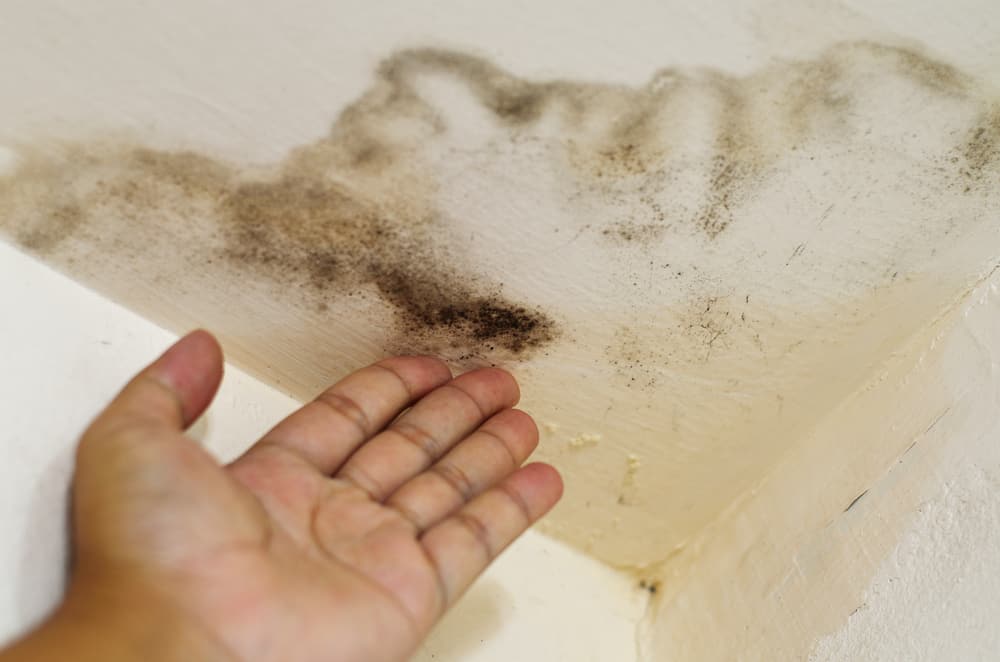
This is one of the most common frustrations homeowners in Coram deal with, and the answer almost always comes back to groundwater. Coram sits over the Long Island aquifer, which means the water table is close to the surface in many parts of the hamlet. That groundwater exerts hydrostatic pressure against basement walls — especially in homes built in the 1950s, 1960s, and 1970s when waterproofing standards were minimal or nonexistent. Moisture seeps through the foundation, creates a damp environment, and mold grows. You clean it, it comes back.
Remediation that only addresses the visible mold without identifying and correcting the moisture source is essentially temporary. A proper remediation process starts with moisture mapping — figuring out exactly where the water is entering and why. In some cases, that means recommending drainage improvements or foundation waterproofing in addition to the mold removal itself. It’s a longer conversation, but it’s the one that actually solves the problem instead of buying you another year before it returns.
The honest answer is that it depends on where the mold is, how much square footage is affected, and whether structural materials need to be replaced. For most residential projects in Coram, professional mold remediation falls somewhere between $1,223 and $3,754, with the national average around $2,347. Basement mold can range from $500 for surface-level contamination up to $10,000 or more when framing or subfloor materials are involved. Attic mold remediation — which is common in Coram’s older Cape Cods and colonials due to ventilation issues — typically runs $1,500 to $9,000 depending on attic size and how far the contamination has spread.
Crawl space remediation in the ranch-style homes common throughout Coram generally falls between $500 and $4,000, and can exceed $6,000 when encapsulation is also part of the solution. The best way to get an accurate number for your specific situation is a proper assessment — not a ballpark over the phone. We provide written, itemized estimates before any work begins so you know exactly what you’re paying for and why.
It depends on how the mold got there. New York homeowner’s insurance policies generally cover mold remediation when it results from a sudden, accidental event — a burst pipe, an appliance leak, or storm-related water intrusion like the flooding that hit parts of Brookhaven Town during the August 2024 extreme rainfall. In those cases, the mold is considered a secondary result of a covered event, and your policy may cover the remediation costs.
What insurance typically does not cover is mold that developed over time due to ongoing moisture issues — a basement that’s been damp for years, a crawl space that was never properly sealed, or an attic with long-standing ventilation problems. The distinction matters, and so does the documentation. We help homeowners understand what they’re dealing with, document the damage in the format insurance companies require, and help navigate the claims process from the initial assessment through the final clearance report. If there’s a coverage question, it’s better to get that answered before work begins than after.
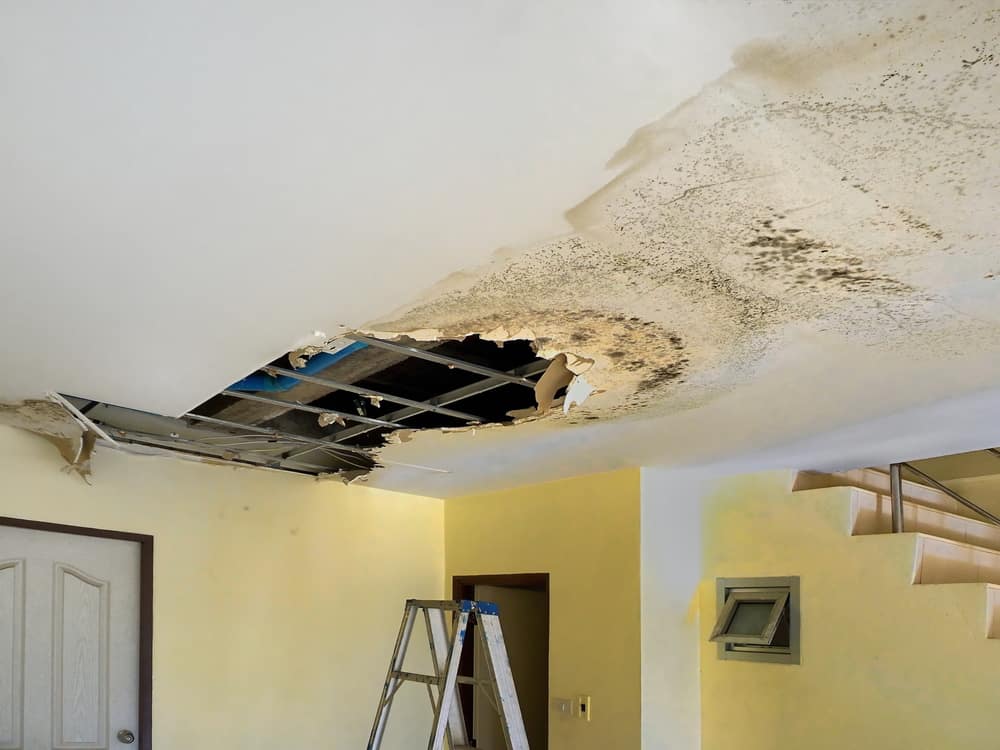
Yes, attic mold is one of the more frequent calls we get from Coram homeowners, and it’s almost always tied to the same root cause: inadequate ventilation. Many of the Cape Cods and colonials built in Coram during the post-WWII suburban boom were constructed with minimal soffit and ridge venting. During Long Island’s humid summers — when ambient humidity regularly exceeds 70%, especially in areas near the Pine Barrens — heat and moisture accumulate in poorly ventilated attic spaces and condense against the roof sheathing. Mold grows on the wood, often for years, before anyone notices.
Most Coram homeowners discover attic mold one of two ways: during a home inspection before selling, or when they notice ceiling staining that prompts them to look up. By that point, the contamination is usually more extensive than expected. Attic mold remediation involves removing or treating contaminated sheathing and rafters, but a thorough job also addresses the ventilation deficiency that caused it. Without fixing the airflow, the conditions that grew the mold in the first place are still there when the job is done.
In most cases, yes — but it depends on the location and extent of the contamination. For contained jobs like a single basement room or a crawl space, proper containment using negative air pressure and physical barriers keeps spores from migrating to the rest of the home, and most families can remain in the house during the work. Our remediation team seals off the work area, runs HEPA air scrubbers, and works in full personal protective equipment to keep the rest of your living space unaffected.
For larger jobs — extensive attic contamination, mold spread across multiple rooms, or situations where HVAC ductwork is involved — temporary relocation may be the safer and more practical choice. This is something that gets assessed and discussed before work begins, not decided on the fly. If you have family members with asthma, respiratory sensitivities, or compromised immune systems, that factors into the recommendation as well. We always give you an honest answer based on your specific situation, not a blanket policy that applies regardless of what’s actually going on in your home.
New York State requires all mold assessors and remediation contractors to hold valid licenses under Article 32 of the Labor Law, which went into effect in 2016. That law exists specifically because unlicensed operators were a real problem — and in some parts of the market, they still are. Hiring an unlicensed contractor for mold remediation in New York isn’t just a quality risk. It can result in your insurance claim being denied and can create legal liability for you as the homeowner.
The easiest way to verify a contractor’s license is through the New York State Department of Labor’s online license lookup. You search by name or license number and confirm the license is active and in good standing. Richard Peterson, our owner, holds personal NYS licenses in both mold assessment and mold remediation — not a company-level credential, but his own name on the license. That’s verifiable. In a Coram market where multiple companies are competing for the same calls, that’s the one check worth doing before you let anyone into your home.
Useful Links
Other Services we provide in Coram