
Mold Remediation in Gilgo, NY
When the Bay and Ocean Are Both Your Backyard, Mold Doesn't Wait
Hear from Our Customers
Certified Mold Remediation in Gilgo, NY
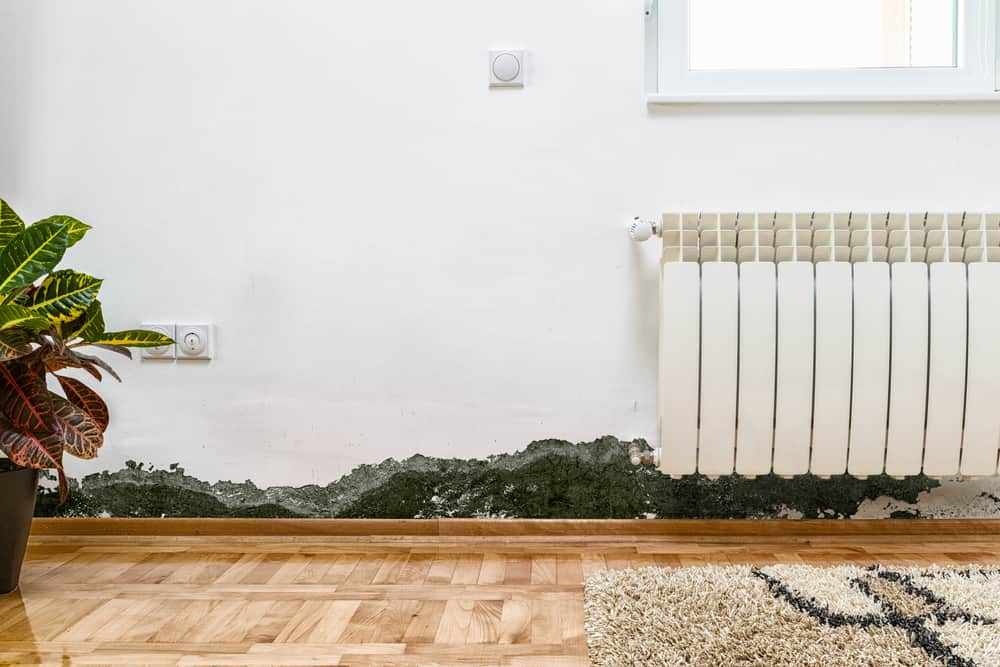
Living between the Atlantic and the Great South Bay isn’t just a lifestyle it’s a constant moisture condition that most remediation companies aren’t equipped to think through. The salt air, the sandy soil, the tidal fluctuation, the storm surge risk these aren’t background details. They’re the reason mold keeps coming back in Gilgo homes after a surface-level cleanup. When the source isn’t identified and corrected, you’re not getting remediation. You’re getting a temporary fix with an expiration date.
What real mold remediation does for a Gilgo home is close that loop. We find where the moisture is entering whether that’s beneath an elevated beach house, inside a crawl space sitting over saturated barrier island soil, or behind walls that took on water during a nor’easter and address it before anything is sealed back up. That’s what stops the cycle.
For seasonal residents who return in spring to find something growing in a closed-up property, or for year-round homeowners who’ve already dealt with this once before, the outcome you’re looking for isn’t just “mold gone.” It’s mold gone and not coming back with clearance documentation to back it up.
Mold Remediation Companies in Gilgo, NY
We’ve been working Long Island’s South Shore for over three decades through every storm cycle, every post-Sandy remediation surge, and every type of coastal property challenge the barrier beach communities of the Town of Babylon produce. Gilgo and the surrounding barrier island communities along Ocean Parkway are part of our actual working history, not just a service area we added to a dropdown.
Richard Peterson, our owner, holds personal New York State licenses in both mold assessment and mold remediation the two credentials required under Article 32 of the NYS Labor Law. Every technician on our team is IICRC-certified. That means the people doing the work in your home have been formally trained and tested, not just supervised by someone who is.
We also operate an integrated cleaning division, which matters in a community like Gilgo where storm events don’t just leave mold they leave behind contaminated surfaces, salt deposits, and odors that need professional attention after the structural work is done.
Professional Mold Remediation Process in Gilgo, NY
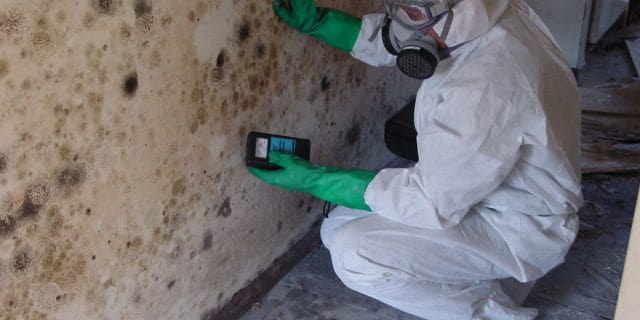
It starts with a thorough mold assessment not a glance around the visible areas, but a real inspection that includes moisture mapping to identify where water is entering and where it’s sitting. In Gilgo, that often means looking beneath elevated structures, inside crawl spaces over sandy barrier island soil, and in attic spaces where ocean and bay humidity accumulate during the warm months. The assessment determines the scope of the problem before anything is touched.
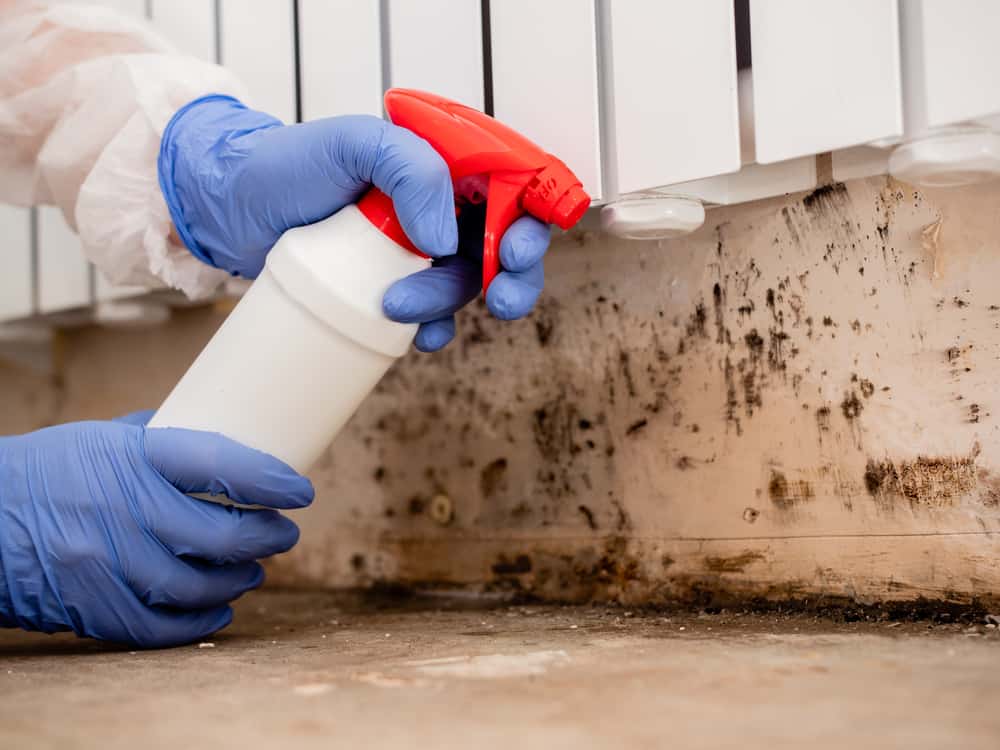
Once the source and extent are confirmed, we put containment in place. This keeps mold spores from spreading to unaffected areas of your home during the removal process a step that matters especially in smaller beach houses where living spaces are close together. From there, affected materials are removed, surfaces are treated with antimicrobial agents, and structural drying brings moisture levels back to where they need to be.
It’s worth noting that any remediation work in New York State must be performed by a licensed contractor under Article 32 of the NYS Labor Law and if structural repairs are involved, a Town of Babylon building permit may be required. We handle the process with that regulatory framework in mind. After the work is complete, independent air quality testing verifies that spore counts are back to normal and you get the clearance documentation in hand.
Ready to get started?
Mold Damage Repair and Cleanup in Gilgo, NY
Mold remediation in a Gilgo beach house isn’t the same job as mold remediation in a colonial on the mainland. The construction is different many homes here are elevated on pilings with open or enclosed under-structures that trap moisture from below. The environment is different salt air accelerates wood degradation and creates new pathways for mold to establish. And the risk profile is different flood zone designation, recurring storm surge, and dual-front humidity from both the ocean and the bay make moisture management an ongoing reality, not a one-time fix.
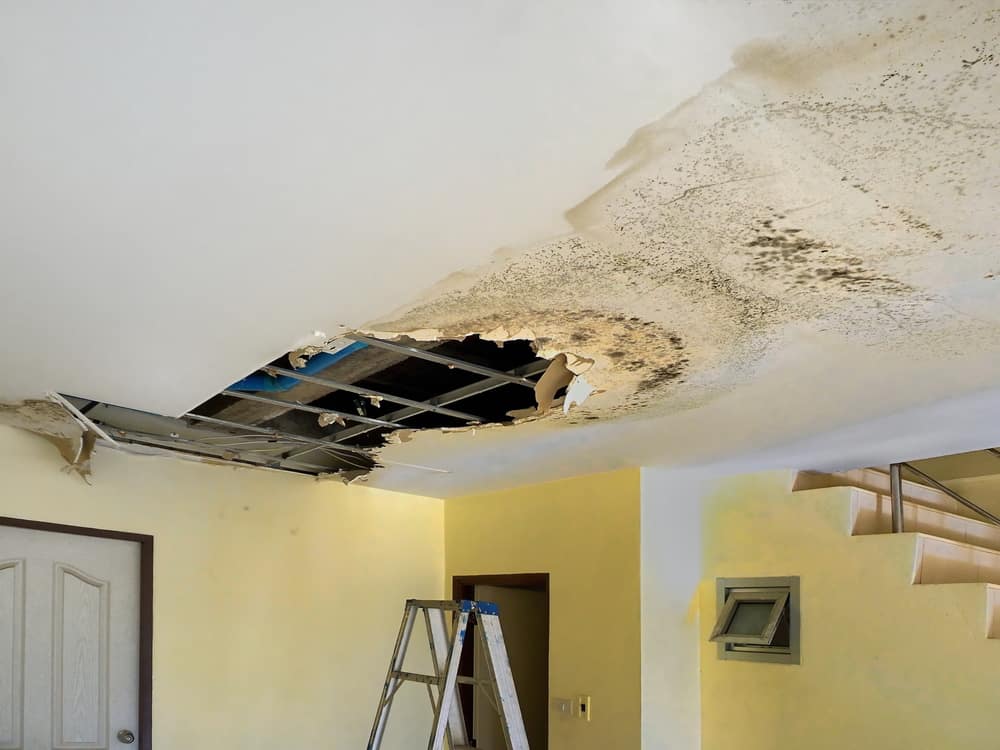
Our service scope reflects that. Crawl space and under-structure mold remediation is a core part of what we handle for elevated beach house construction addressing the semi-enclosed spaces beneath the home where moisture accumulates out of the homeowner’s direct line of sight. Attic mold remediation is another common need in Gilgo during the high-humidity summer months, when air conditioning creates condensation in spaces with limited ventilation. For homes that experienced storm surge whether from Sandy or from subsequent nor’easters hidden mold in wall cavities and structural framing is a real possibility, even years later.
Black mold remediation follows strict containment protocols to prevent cross-contamination during removal. And because our team includes a cleaning division, the full cycle from mold cleanup through final surface restoration is handled under one roof. If you’re navigating a flood insurance claim alongside the remediation, we can help with the documentation that insurers require.
Does mold remediation in Gilgo, NY get covered by flood insurance?
It depends on how the mold originated and how your policy is written. FEMA flood insurance through the National Flood Insurance Program generally covers mold that results directly from a covered flooding event meaning if a storm surge or nor’easter pushed water into your Gilgo home and mold followed, there’s a reasonable basis for a claim. The key is documentation: you need to establish a clear connection between the flooding event and the mold discovery, and that documentation needs to be in the format your insurer requires.
Where it gets complicated is when mold results from long-term moisture accumulation rather than a single event. Flood policies typically don’t cover mold that developed from ongoing humidity, inadequate ventilation, or deferred maintenance even in a community like Gilgo where those conditions are environmentally driven. Homeowner’s insurance may cover some mold scenarios that flood insurance doesn’t, so it’s worth understanding both policies before you file. We can help you document the damage in a way that supports your claim and reflects the actual scope of the work performed.
How much does mold remediation typically cost for a Gilgo beach house?
For most residential mold remediation projects, the national cost range runs between roughly $1,200 and $3,800, with an average around $2,300. But Gilgo properties particularly elevated beach houses with crawl spaces or open under-structures often sit at the higher end of that range or beyond it, depending on the scope. Crawl space remediation alone averages $500 to $4,000 for standard projects and can exceed $6,000 when encapsulation is also the right long-term solution for a moisture-prone coastal environment.
The actual cost depends on how much area is affected, what materials need to be removed, whether structural repairs are required, and how complex the moisture source is to address. A beach house in Gilgo that’s been exposed to recurring storm surge and salt air for decades may have mold in places that aren’t immediately visible wall cavities, subfloor framing, attic sheathing and the inspection scope affects the final number. What you don’t want to do is choose a lower bid from a company that skips the moisture source work, because that’s how a $2,000 job becomes a $5,000 job two years later.
What is the difference between mold remediation and mold removal in New York?
Mold removal is a general term that often refers to cleaning or treating visible mold on a surface. Mold remediation is the full process assessment, containment, removal of contaminated materials, antimicrobial treatment, structural drying, and post-remediation verification to confirm the job is done. The difference matters legally in New York because Article 32 of the NYS Labor Law governs who can perform this work. A licensed mold assessor must evaluate the situation, and a licensed mold remediation contractor must perform the work and critically, the same company cannot legally do both on the same project.
In practice, this means that anyone who shows up, takes a look, and starts scrubbing mold off your walls without proper licensing is operating outside the law and if you’ve hired them, you may be exposed to insurance complications and liability. For Gilgo homeowners who carry flood insurance and may need to file a claim, working with a properly licensed contractor isn’t optional. It’s what protects your claim and ensures the work was done to a standard that holds up.
How do I know if my elevated beach house has hidden mold under the structure?
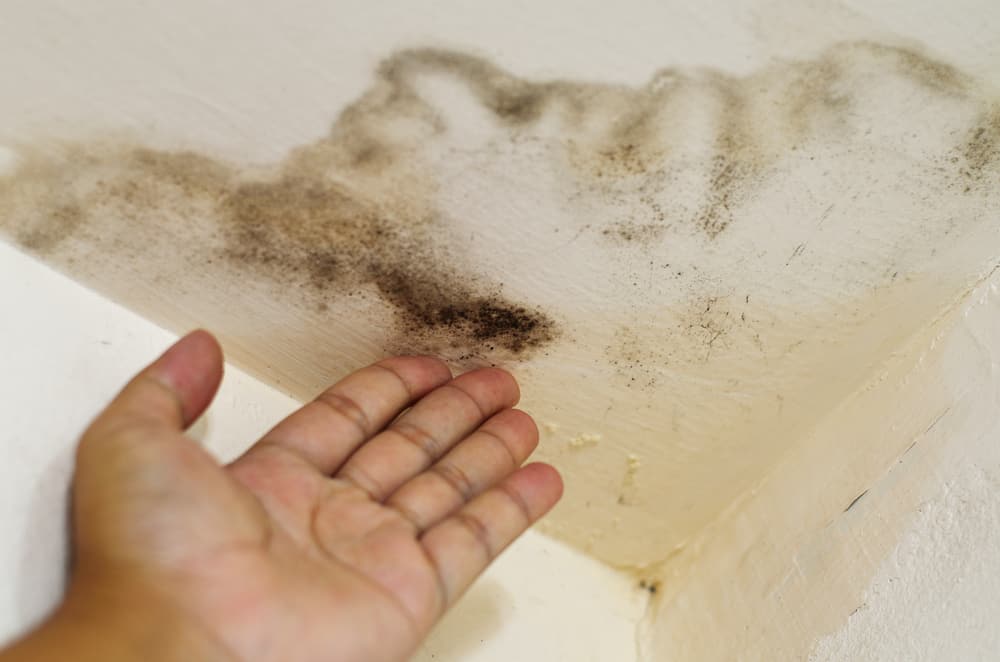
The most common signs are a persistent musty smell that doesn’t go away after cleaning, visible discoloration on wood framing or subfloor materials when you look beneath the home, or a history of water intrusion storm surge, tidal flooding, or even heavy rain that wasn’t fully dried out within 48 hours. In Gilgo, the under-structure environment of elevated beach houses is one of the most common places mold establishes itself without the homeowner knowing, because it’s out of sight and often has limited airflow.
A professional mold assessment that includes moisture mapping is the only reliable way to know for certain. Visual inspection of the under-structure, moisture readings in wood framing and subfloor materials, and air sampling can identify active mold growth and elevated spore counts even when nothing is visible from inside the home. If your home sits on barrier island sandy soil that stays saturated after storm events which is common in Gilgo and the space beneath the structure doesn’t dry out efficiently, the conditions for mold are present whether you can see it or not.
Can mold come back after professional remediation in a coastal environment like Gilgo?
Yes if the moisture source isn’t corrected, mold will return. That’s the single most important thing to understand about mold remediation in a coastal community. Removing the mold without addressing why it grew there is a temporary fix. In Gilgo, the moisture sources are often environmental and structural not a single burst pipe that gets repaired and forgotten. Ocean and bay humidity, groundwater migration through barrier island sandy soil, storm surge intrusion, and inadequate ventilation beneath elevated structures are ongoing conditions that require ongoing solutions.
A remediation that holds long-term addresses the source. That might mean improving under-structure ventilation, installing a crawl space encapsulation system, repairing compromised building envelope components that salt air has degraded, or correcting drainage issues that allow water to pool near the foundation. Post-remediation verification through independent air quality testing confirms the job was done correctly but that clearance is only meaningful if the conditions that allowed mold to grow in the first place have been changed. A company that skips the source work is not doing full remediation.
Do I need a licensed contractor for mold remediation in Gilgo, NY?
Yes. New York State’s Article 32 of the Labor Law makes it unlawful for any unlicensed individual or company to perform mold remediation work on a residential property. This applies statewide including in Gilgo and throughout the Town of Babylon. The law requires a licensed mold assessor to inspect and develop a remediation plan, and a separately licensed mold remediation contractor to perform the actual work. The same company cannot legally serve both roles on the same project, which is a consumer protection built into the law.
For Gilgo homeowners, this matters beyond just legal compliance. If you file a flood insurance or homeowner’s insurance claim for mold damage and it comes out that the remediation was performed by an unlicensed contractor, your claim can be denied. You can verify a contractor’s NYS mold remediation license through the New York State Department of Labor’s online lookup and you should, before anyone starts work. Richard Peterson holds personal NYS licenses in both mold assessment and mold remediation, which means the credentials are attached to the person accountable for the work not buried in a company filing.
Useful Links
Other Services we provide in Gilgo