
Hear from Our Customers
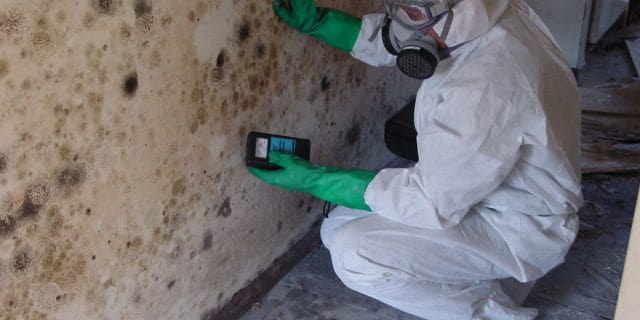
Mold doesn’t just look bad. It works quietly — inside walls, under floors, behind the plaster of homes that have been standing since before the Civil War. By the time you can smell it or see it, it’s usually been growing for a while. Getting rid of it properly means your home stops working against you and starts feeling like it should again.
For Orient homeowners, the stakes are higher than most. The humidity here is relentless — Long Island Sound to the north, Gardiners Bay to the south, and summer air that regularly sits between 70% and 80% relative humidity. That’s not an environment where surface-level mold treatment holds. The moisture source has to be found and corrected, or you’re back to square one by next spring.
If your property sits empty for part of the year — and a lot of Orient homes do — the risk compounds every month the house is closed up. A thorough remediation means you can open the door in May without bracing yourself. It means a home inspection doesn’t derail a sale. And for a property worth well over $900,000, it means you’re protecting an asset that deserves more than a temporary fix.
We’ve been serving Long Island for approximately 31 years. That’s not a number pulled from a brochure — it’s the kind of track record that only comes from doing the work right, consistently, in a market that doesn’t forgive shortcuts.
Our owner, Richard Peterson, holds personal New York State licenses in both mold assessment and mold remediation. Under Article 32 of New York Labor Law, those licenses are required — and they’re his, not the company’s. That means the person running every job is personally accountable for how it’s done. Every technician on our crew holds IICRC certification, trained to the S520 Standard for Professional Mold Remediation.
Orient is a long drive from most of Suffolk County, and we know that. We’ve worked throughout the North Fork, in homes along Route 25, in historic structures that require a different level of care than modern construction. We make the drive — including after hours, including after storms — because that’s what serving this area actually means.
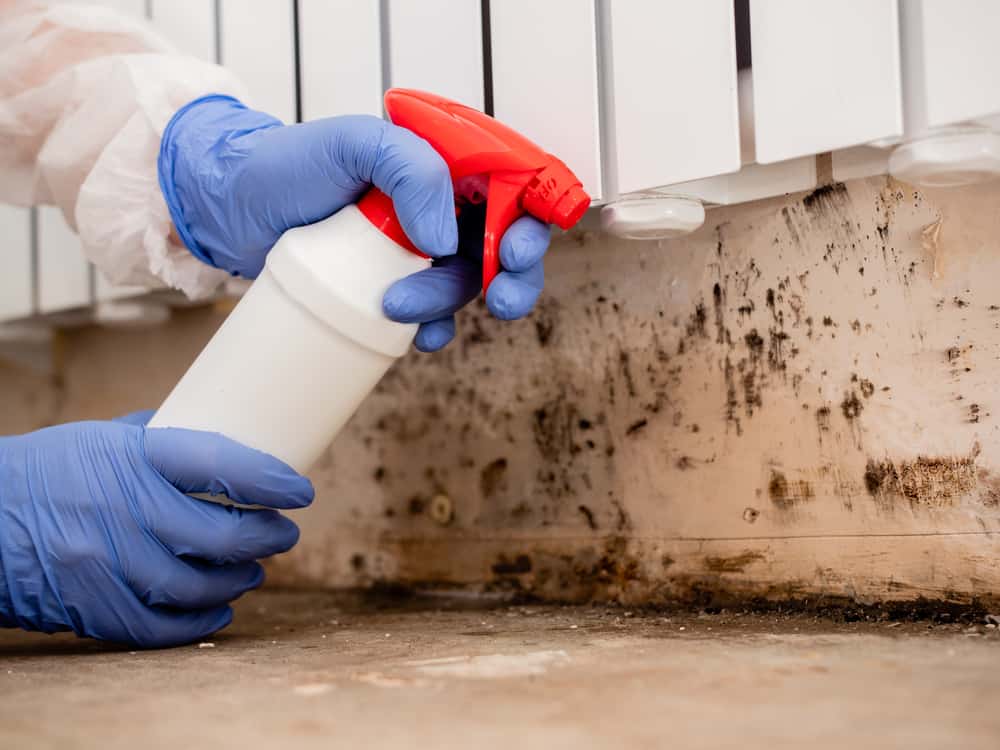
It starts with assessment. Before anything is touched, we map the moisture — where it’s coming from, how far it’s spread, and what’s feeding it. In Orient’s older homes, that often means looking at unencapsulated crawl spaces, stone or brick foundation walls, and attic spaces that lack the ventilation they need. Skipping this step is how mold comes back.
Once the source is identified, we contain the affected area to prevent spores from spreading to clean parts of the home. Then we remove contaminated materials — carefully, and in compliance with New York State Article 32 requirements. For homes in or near the Oysterponds Historic District, that means working with materials and surfaces that require more care than standard drywall and modern framing. We don’t treat every house the same, because they’re not.
After removal comes structural drying, antimicrobial treatment, and post-remediation air quality testing. That final clearance test is what gives you documented proof that the work was done correctly — not just our word for it. If the job involves structural repairs that require a Town of Southold building permit, we’ll walk you through that too. When we leave, the space is cleaned, cleared, and documented.
Ready to get started?
The mold problems we see most often in Orient follow a predictable pattern. Crawl space mold is at the top of the list — dirt-floor, unencapsulated crawl spaces pulling ground moisture into the structure year-round. Attic mold comes next, especially in homes where insulation and ventilation haven’t kept pace with the building’s age. Basement mold in stone or brick foundation homes is common after any wet season or storm surge event. And in seasonal properties that sit closed from October through April, the mold can be widespread by the time anyone opens the door.
What you get from us is the complete cycle. Assessment, containment, removal, drying, treatment, and final cleaning — handled by one team from start to finish. Most remediation companies stop at the structural work. We carry it through to the point where the space is actually livable again. That matters when you’re preparing a property for summer, closing on a sale, or filing an insurance claim after a nor’easter pushed water into your home.
We also help with insurance documentation — organizing the damage records and supporting materials that claims adjusters need. If you’ve never been through a mold claim in New York, it’s a process. We’ve been through it many times, and we can help you navigate it without losing ground.
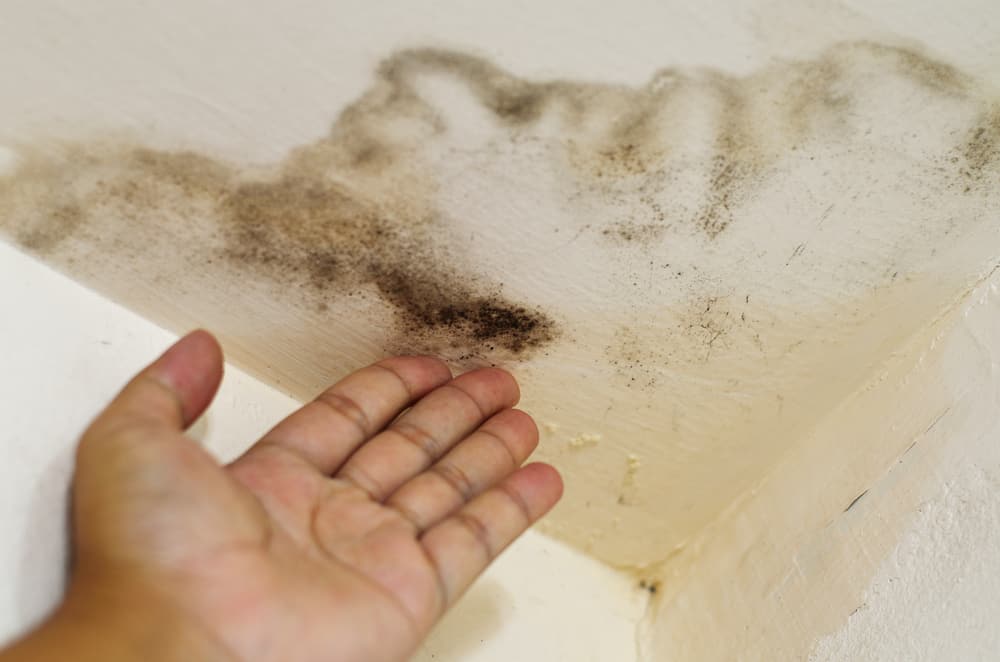
The honest answer is that it depends on where the mold is and how far it’s spread — but most residential mold remediation jobs fall somewhere between $1,223 and $3,754. Crawl space mold remediation typically runs $500 to $4,000 depending on the size and condition of the space, and attic mold can range from $1,500 to $9,000 when ventilation corrections are factored in.
In Orient specifically, a few things can affect where you land in those ranges. Older homes — and most homes here qualify — often have building materials that require more careful handling than modern construction. Stone foundation walls, plaster surfaces, and old-growth wood framing all take more time and care to work around than standard drywall and dimensional lumber. If the affected area is in a historically significant structure, that adds another layer of consideration.
The best way to get an accurate number is a proper assessment first. A quote given without seeing the space and identifying the moisture source isn’t worth much — and any company offering a firm price before they’ve done that work isn’t giving you a real number.
Mold removal is a term that gets used a lot, but it’s a bit misleading. Mold spores exist naturally in the air and in building materials — you can’t remove every trace of mold from a structure. What you can do is bring mold levels back to a normal, non-harmful range and eliminate the conditions that allowed it to grow in the first place. That’s what remediation actually means.
Remediation includes containment so spores don’t spread during the work, physical removal of contaminated materials, treatment of affected surfaces with antimicrobial agents, structural drying, and post-remediation testing to confirm the job is done. Removal, in the way most people use the term, usually just means cleaning visible mold off a surface — which doesn’t address what’s behind the wall, what’s in the air, or what caused the mold to grow there.
In a home that’s been standing since the 1800s with a crawl space that’s never been properly encapsulated, “removal” isn’t going to hold. The moisture is still there. The conditions are still there. Remediation is the only approach that actually solves the problem.
Yes — and it’s one of the most common scenarios we see on the North Fork. When a home sits unoccupied and unheated through the winter, humidity accumulates inside the structure. Without active climate control or dehumidification, moisture settles into crawl spaces, wall cavities, attics, and basements. By March or April, mold can be well established in areas you’d never think to look — behind the baseboards, under the subfloor, along the rim joists in the crawl space.
Orient’s climate makes this worse than it would be in an inland community. The ambient humidity here doesn’t drop much even in winter, because the water surrounding the hamlet on three sides keeps moisture levels elevated year-round. A home that’s buttoned up tight from October through May is essentially trapping that moisture inside with no way out.
If you’re opening a seasonal property in Orient and notice a musty smell before you see anything visible, don’t dismiss it. That smell is a reliable early indicator that mold is present somewhere in the structure. Getting an assessment before the summer season starts is a lot less disruptive than dealing with a full remediation in July.
It does, and it’s worth asking about before you hire anyone. Homes in and around the Oysterponds Historic District — and Orient has roughly 120 historically significant structures — involve building materials and construction methods that don’t respond the same way as modern homes. Plaster walls, old-growth wood framing, brick or stone foundations, and original millwork all require more careful handling during containment and removal.
The remediation protocols themselves don’t change — New York State Article 32 requirements apply regardless of the age of the structure. But the execution requires someone who understands what they’re working with. Aggressive removal techniques that are fine in a 1990s colonial can cause irreversible damage to historic materials. A good remediator knows the difference between what needs to come out and what can be treated in place.
If the remediation involves structural repairs — not just remediation work — you may also need a building permit from the Town of Southold. Work on historically significant structures may involve additional review. A licensed contractor familiar with this area will be able to tell you upfront what the permit picture looks like for your specific job.
New York State requires anyone performing mold assessment or remediation to hold a valid license issued by the Commissioner of Labor under Article 32 of the Labor Law. This has been the law since January 1, 2016. The license is tied to the individual — not just the company — so it matters who is actually doing the work, not just who signed the contract.
You can verify a license directly through the New York State Department of Labor’s online database. If a company can’t give you a license number, or if the number doesn’t come back to the person or company you’re hiring, that’s a problem. Unlicensed mold work in New York isn’t just a legal issue for the contractor — it can create complications for your insurance claim and leave you with no recourse if the work is done incorrectly.
We hold personal NYS licenses in both mold assessment and mold remediation. Those are verifiable, current, and tied to the person running every job. It’s a straightforward thing to confirm, and any legitimate company in this space should welcome the question.
First, don’t panic — but don’t ignore it either. A mold finding during a home inspection doesn’t automatically kill a transaction, but how you handle it in the next few days usually determines the outcome. Buyers and sellers both have options, and acting quickly matters because mold grows fast once it’s been identified and the clock is running.
The most important next step is getting a licensed mold assessment done by someone who can give you an independent, documented evaluation of the scope. That assessment becomes the basis for a remediation plan, a cost estimate, and ultimately the clearance documentation that satisfies both parties after the work is complete. In a market like Orient — where homes are listed between $859,000 and well above $1 million and inventory is extremely thin — a clean clearance report after professional remediation often keeps a deal together that would otherwise fall apart.
If you’re the seller, getting ahead of it with a licensed remediation and a post-remediation clearance test is usually the right move. If you’re the buyer, make sure any remediation agreed to in the contract is performed by a New York State licensed contractor and includes post-remediation air quality verification — not just a contractor’s word that the work is done.
Useful Links
Other Services we provide in Orient