
Mold Remediation in Selden, NY
Selden's Older Homes Hide Mold Better Than Most
Hear from Our Customers
Mold Damage Repair in Suffolk County
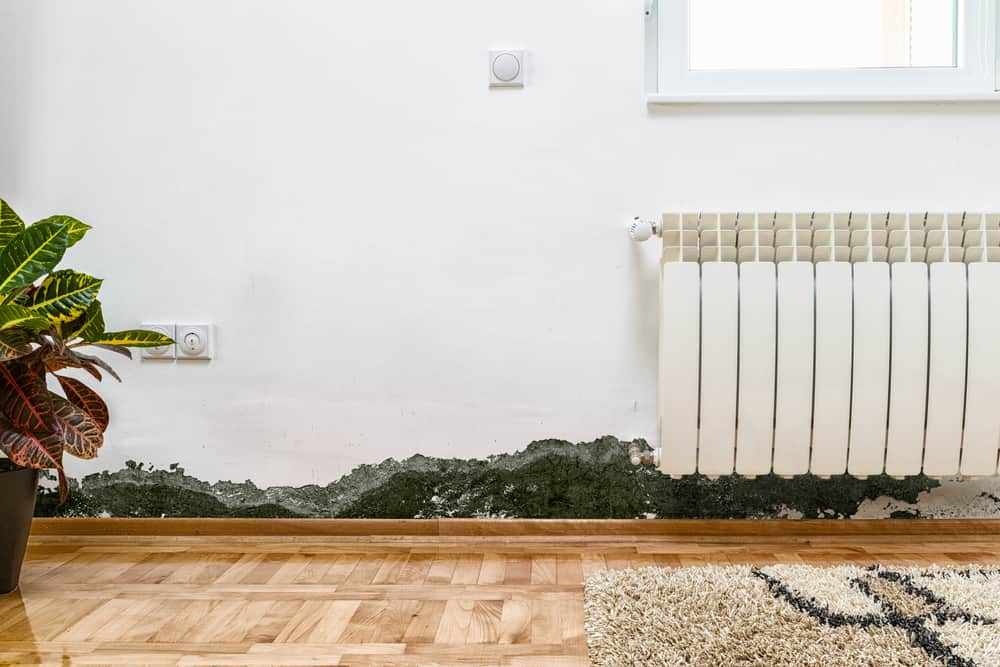
The musty smell that you’ve written off as “just how the basement is” that’s mold. And in homes built between the 1950s and 1970s, which make up the bulk of Selden’s housing stock, it almost never stays in one place. It moves into framing, insulation, and drywall before most homeowners realize there’s a real problem.
When we complete mold remediation properly, we’re not just removing what’s visible. We’re eliminating the source of the odor, improving the air quality your family breathes every day, and protecting the structural integrity of a home that’s worth close to half a million dollars or more in today’s Selden market. That matters.
For families with kids in the Middle Country Central School District, or anyone with a family member who has asthma or allergies, the health side of this matters just as much as the property side. Mold exposure is directly linked to respiratory issues, and Long Island’s humid summers give it exactly the conditions it needs to keep spreading if it’s left alone. Getting it handled properly not just wiped down is the difference between a real fix and a temporary one.
Certified Mold Remediation Companies in Selden
We’ve been working in Long Island homes for over 31 years. That’s not a corporate timeline it’s decades of hands-on work in the exact type of postwar housing that lines the streets of Selden, from the neighborhoods off Boyle Road to the older subdivisions near Middle Country Road.
Richard Peterson, our owner, holds personal New York State licenses in both mold assessment and mold remediation. That’s a distinction worth understanding: his name is on the license, not just the company’s. Every technician on our team is individually IICRC-certified, which means the people doing the work in your home have been trained and tested not just supervised by someone who was.
We also handle the full cycle. From emergency containment through final cleaning, it’s one company, one point of contact. That matters when you’re already dealing with a stressful situation and don’t want to coordinate three different contractors to get your home back to normal.
Professional Mold Remediation Process in Selden
It starts with a thorough assessment. Before anything is removed or treated, we identify the source of the moisture. In Selden’s older housing stock, that source is rarely obvious it could be a slow leak behind a wall, hydrostatic pressure pushing through a concrete block foundation after a heavy rain, or condensation building up in an attic that’s been under-ventilated since the home was built in the 1960s. Skipping this step is why mold comes back.
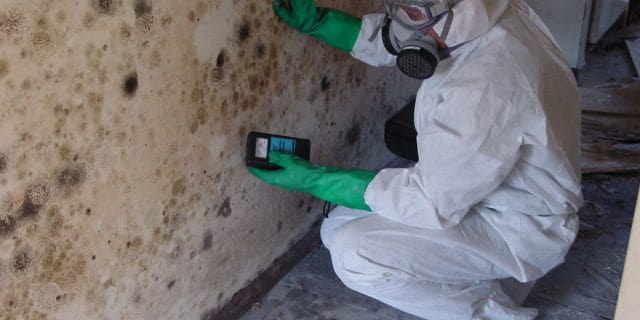
Once the source is mapped, we establish containment. Negative air pressure is set up to prevent spores from spreading to unaffected areas of your home while the work is being done. Contaminated materials drywall, insulation, framing where necessary are removed and properly disposed of according to New York State Article 32 requirements, which govern how licensed mold remediation work must be conducted in Suffolk County.
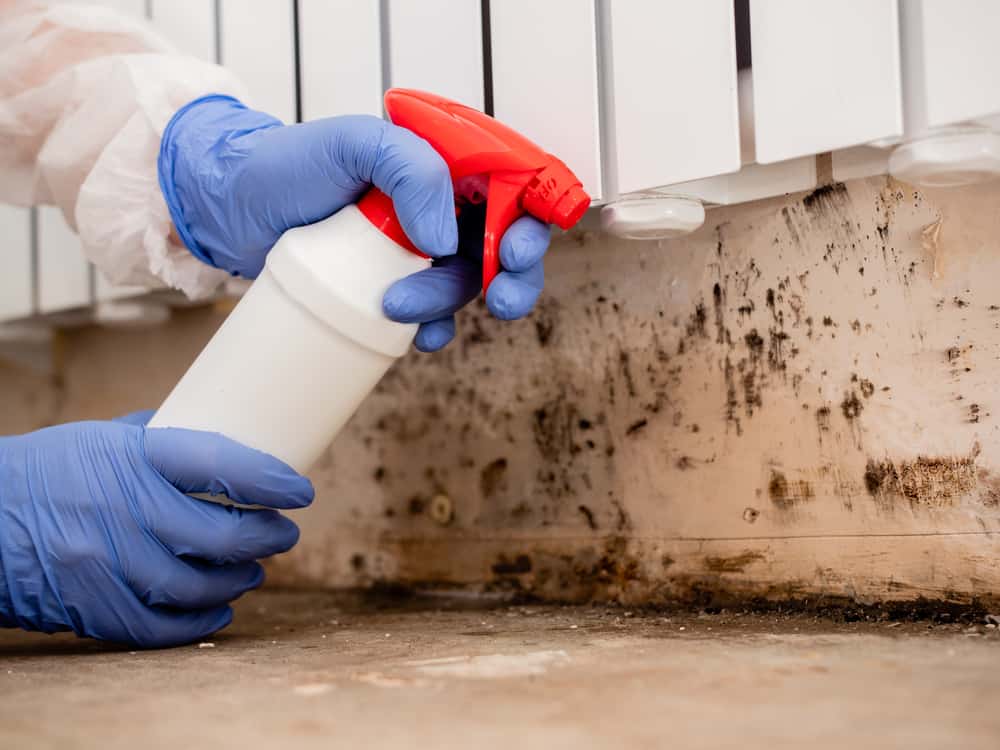
After remediation, we apply EPA-registered antimicrobial treatments to affected surfaces. Then comes post-remediation verification independent air quality testing that confirms spore counts are back to normal levels. You get a clearance report. That’s the document that satisfies insurance adjusters, real estate attorneys, and anyone else who needs proof the job was done correctly. The cleaning of affected surfaces and contents is handled by our team, so nothing gets handed off mid-job.
Ready to get started?
Basement and Attic Mold Remediation in Selden
Basement mold remediation is the most common call we receive in Selden, and it makes sense given the housing stock. Homes built in the 1950s through 1970s with poured concrete or concrete block foundations were not designed with modern moisture management in mind. When the ground saturates after a nor’easter or a stretch of heavy spring rain, water finds its way in and mold follows within 24 to 48 hours. The remediation process here isn’t just about what’s on the surface. It’s about the framing, the insulation along the rim joist, and the drywall that absorbed moisture long before anyone noticed.
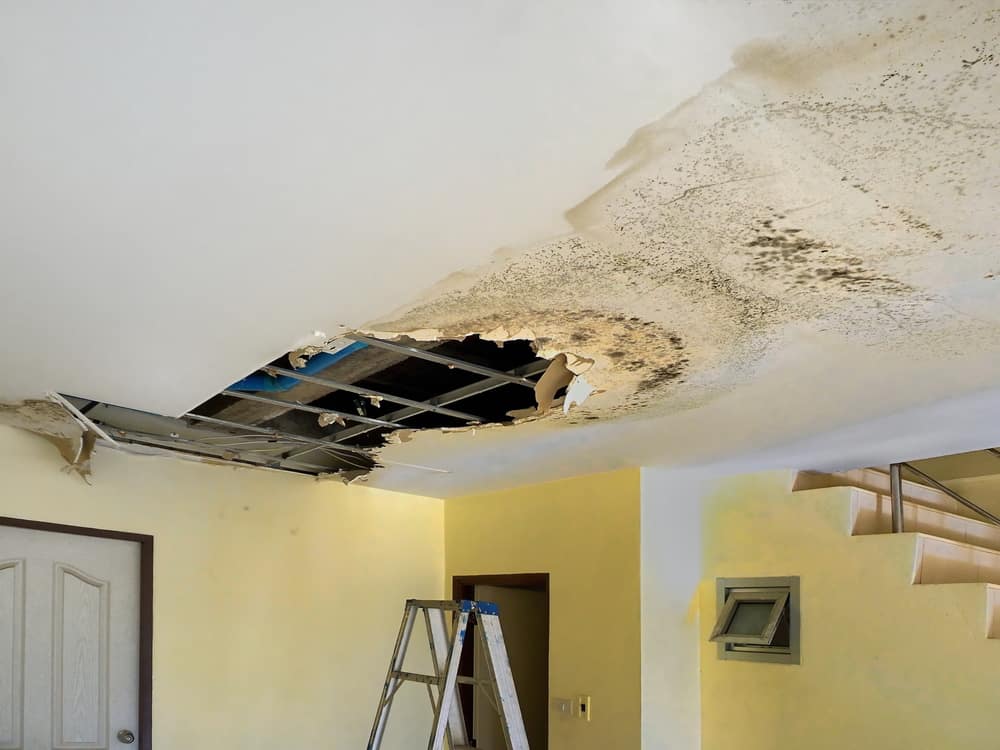
Attic mold remediation is the second most common call we handle, and the most underdiagnosed. In Selden’s older homes, bathroom exhaust fans frequently vent into the attic instead of through the roof a code violation in current construction, but common in homes of that era. Combined with inadequate ridge ventilation and Long Island’s humid summers, it creates a mold environment on roof sheathing and rafters that homeowners only discover during a home inspection. If you’re preparing to sell a home in Selden, or you just received an inspection report, this is something that needs to be addressed before closing not patched over.
We also handle crawl space mold remediation, emergency mold remediation after water intrusion events, and HVAC-related mold. We work with homeowners on insurance documentation throughout the process, helping you understand what your policy is likely to cover and how to present the claim accurately.
How do I know if my Selden home actually has a mold problem?
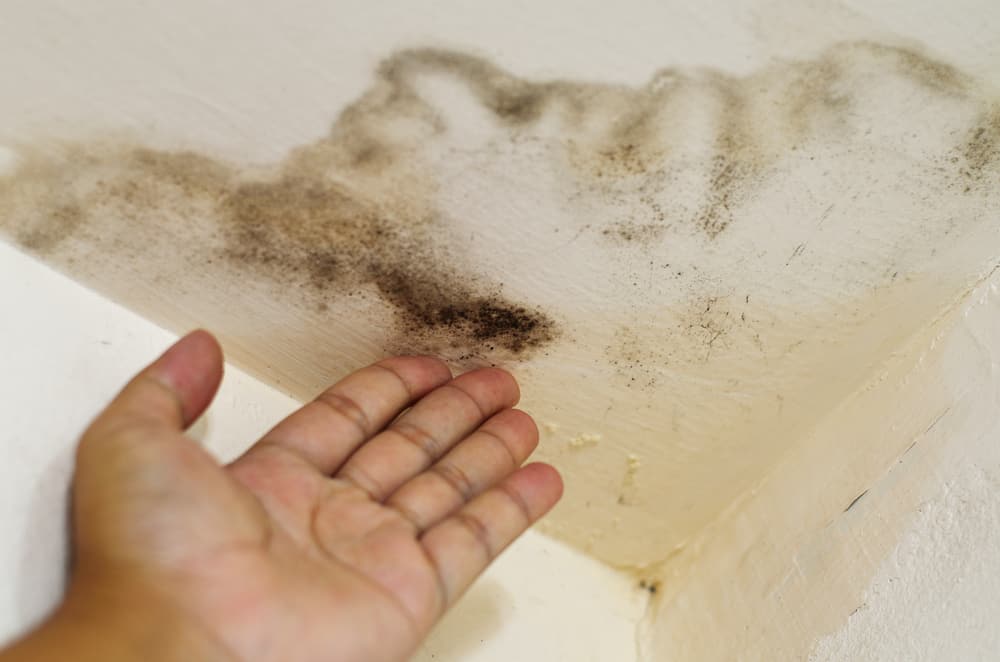
The most reliable sign is a persistent musty odor especially in basements, crawl spaces, or attics that doesn’t go away when you ventilate the space. In Selden’s older homes, that smell is almost always mold growing somewhere you can’t see it: inside a wall cavity, under flooring, or in the insulation along the foundation. Visible discoloration on walls, ceilings, or around window frames is another indicator, but mold doesn’t always show itself on the surface.
If you’ve had any water intrusion in the past basement seepage after a storm, a slow plumbing leak, or even just a bathroom that’s always felt damp there’s a reasonable chance mold has established somewhere in the affected area. A professional mold assessment using moisture mapping and air quality testing will tell you exactly what’s there and where. That’s the starting point before any remediation work begins.
What does mold remediation actually cost in Selden, NY?
The honest answer is that it depends on where the mold is and how far it’s spread. For most residential jobs in Selden, mold remediation costs fall somewhere between $1,200 and $4,000. Attic remediation which is common in Selden’s older housing stock due to ventilation issues can run $1,500 to $9,000 depending on the size of the attic and the extent of the growth on the sheathing and rafters. Crawl space remediation typically falls in the $500 to $6,000 range.
The biggest cost driver is almost always how long the mold has been growing before it was caught. A slow basement leak that’s been ignored for two years will require significantly more remediation than one caught early. Getting an assessment done at the first sign of a problem rather than waiting consistently results in a lower final cost. We provide written estimates that break down exactly what’s included, so there are no surprises mid-job.
Does homeowner's insurance cover mold remediation in New York?
It depends on the cause. In New York, homeowner’s insurance typically covers mold remediation when it results from a sudden and accidental event a burst pipe, a washing machine supply line failure, or storm-related roof damage that allowed water in. Mold that developed gradually from a long-term leak or deferred maintenance is generally not covered, because insurers classify that as a maintenance issue rather than a covered peril.
The documentation you provide matters enormously here. Insurance companies want to see clear evidence of the water source, the timeline, and the extent of the damage presented in a format they recognize. We assist with that documentation throughout the process, which can make a real difference in whether a claim is approved and how much is covered. If you’re unsure whether your situation qualifies, it’s worth having the assessment done first so you have accurate information before you file.
What is the difference between mold remediation and mold removal?
Mold removal implies that every mold spore can be physically extracted from a space which isn’t how mold actually works. Mold spores are naturally present in the air and on surfaces in virtually every building. The goal of professional mold remediation is to bring indoor mold levels back to what’s considered a normal, safe range and more importantly, to eliminate the conditions that allowed mold to grow in the first place.
In practice, this means removing contaminated materials that can’t be effectively treated, applying EPA-registered antimicrobial treatments to affected surfaces, and correcting the moisture source that caused the problem. In Selden’s older homes, that moisture source correction is the step that determines whether the remediation lasts. A company that cleans the mold without addressing the ventilation failure or the foundation seepage that caused it is not solving the problem they’re resetting the clock on the same problem. Post-remediation air quality testing confirms the job reached the right outcome.
Can I stay in my house during mold remediation in Selden?
In many cases, yes but it depends on the location and extent of the mold, and whether you or anyone in your household has respiratory sensitivities. When mold is contained to a specific area like an attic or a section of the basement, proper containment barriers and negative air pressure equipment allow remediation to proceed without affecting the rest of the living space. For smaller, well-contained jobs, most homeowners stay in the home without issue.
When mold is more widespread or when there are young children, elderly family members, or anyone with asthma or mold sensitivity in the household temporarily relocating for the duration of the active remediation work is worth considering. The containment measures we use are designed to prevent cross-contamination, but for vulnerable individuals, the precaution makes sense. This is something that gets discussed during the assessment, so you have a clear picture before work begins and can make the right call for your family.
What should I do if mold was found during a home inspection in Selden?
First, don’t panic but don’t ignore it either. Mold found during a home inspection in Selden is not automatically a deal-killer, but it does need to be addressed before closing, and it needs to be addressed properly. A surface-level cleanup that doesn’t include post-remediation verification won’t satisfy most buyers’ attorneys or their home inspectors on a re-inspection, and in a market where Selden homes are selling in the $450,000 to $600,000 range, the stakes are real for both sides of the transaction.
The clearance report produced after post-remediation verification is the document that moves the transaction forward. It confirms, through independent air quality testing, that mold levels in the home are back within normal range. We’ve handled remediation jobs on a closing timeline before the process is the same, but the urgency and documentation requirements are understood from the start. If you’ve just received an inspection report with mold findings and you have a closing date on the calendar, call as soon as possible. The earlier the assessment happens, the more options you have.
Useful Links
Other Services we provide in Selden