
Mold Remediation in West Islip, NY
South Shore Homes Need More Than a Surface Fix
Hear from Our Customers
Certified Mold Remediation West Islip, NY
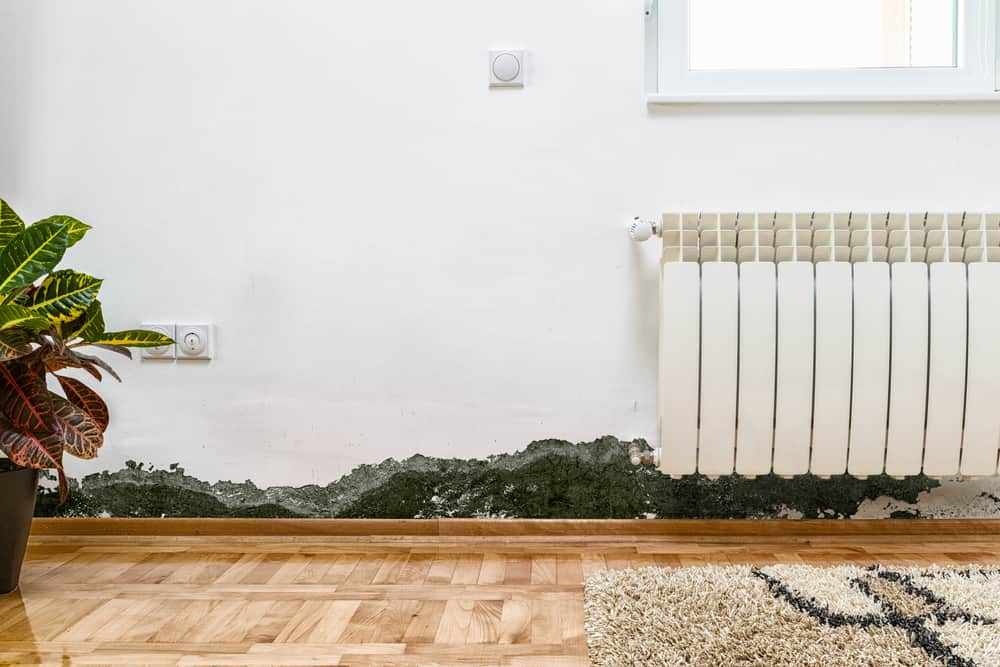
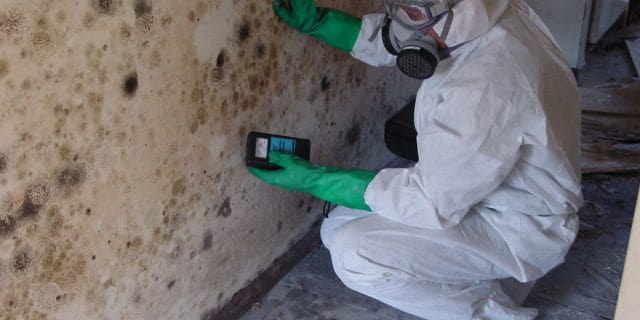
Finding mold in your home is unsettling. What makes it worse is not knowing whether the company you hire actually fixed it or just cleaned what they could see. When mold remediation is done right, you get more than a treated surface you get documentation, clearance testing, and the confidence that the source has been addressed.
For West Islip homeowners, that matters more than most people realize. The older housing stock here most of it built between the 1950s and 1970s was never designed with modern moisture control in mind. Crawl spaces under ranch homes, concrete block basements, and poorly ventilated attics are exactly the environments where mold takes hold and spreads quietly. Add the year-round humidity coming off the Great South Bay, and you have conditions that don’t let up.
A proper remediation changes that equation. You’re not just removing mold you’re addressing why it grew there in the first place. That means a cleaner indoor environment, protection for your home’s structure, and if you’re selling or refinancing, the kind of clearance documentation that holds up when it matters most. West Islip home values have climbed to a median of $705,000 that equity deserves real protection, not a temporary fix.
Professional Mold Remediation Company West Islip
First Response Restoration and Cleaning Inc. has been working on Long Island homes for over 31 years. That includes the South Shore communities hit hardest by Hurricane Sandy in 2012 and the years of follow-up work that came after, when incomplete remediations started surfacing in basements and wall cavities across West Islip and the surrounding area.
Richard Peterson, our owner, holds personal New York State licenses in both mold assessment and mold remediation. That’s not a company-level credential it’s his name on the license, verifiable through the NYS Department of Labor. Every technician on our team is IICRC-certified, meaning the people who actually come into your home have been formally trained and tested, not just hired and handed equipment.
For a community like West Islip where neighbors talk, local reputation travels, and the homes near Montauk Highway and the bay have specific challenges that level of accountability isn’t a bonus. It’s the baseline.
Mold Damage Repair Process West Islip, NY
It starts with a thorough assessment. Before anything is removed or treated, the source of moisture has to be identified. In West Islip homes especially those south of Montauk Highway or near Sumpwams Creek on the western edge that source could be groundwater pressure, storm-related intrusion, a failing crawl space, or years of humidity accumulation in an attic with inadequate ventilation. Skipping this step is why so many remediations don’t hold.
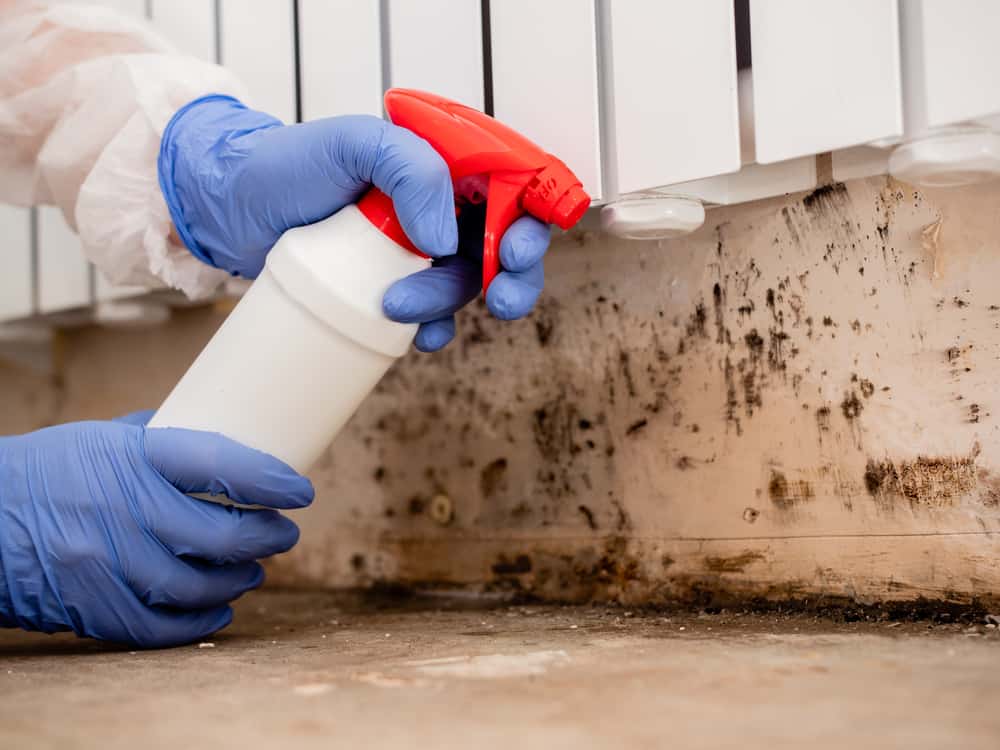
Once the moisture source is mapped, the affected area is contained. That means negative air pressure and physical barriers to prevent spores from spreading to unaffected parts of your home during the work. Contaminated materials drywall, insulation, subfloor, whatever has been compromised are removed and disposed of properly. Structural surfaces are treated with antimicrobial agents. HEPA vacuuming clears what’s left.
After the remediation is complete, independent air quality testing confirms that spore levels have returned to normal. You receive a clearance report not just our word that the job is done, but documented proof. If your project involves structural material removal, we’ll walk you through what may require a permit from the Town of Islip before work begins, so there are no surprises on that end either.
Ready to get started?
Basement and Attic Mold Remediation West Islip
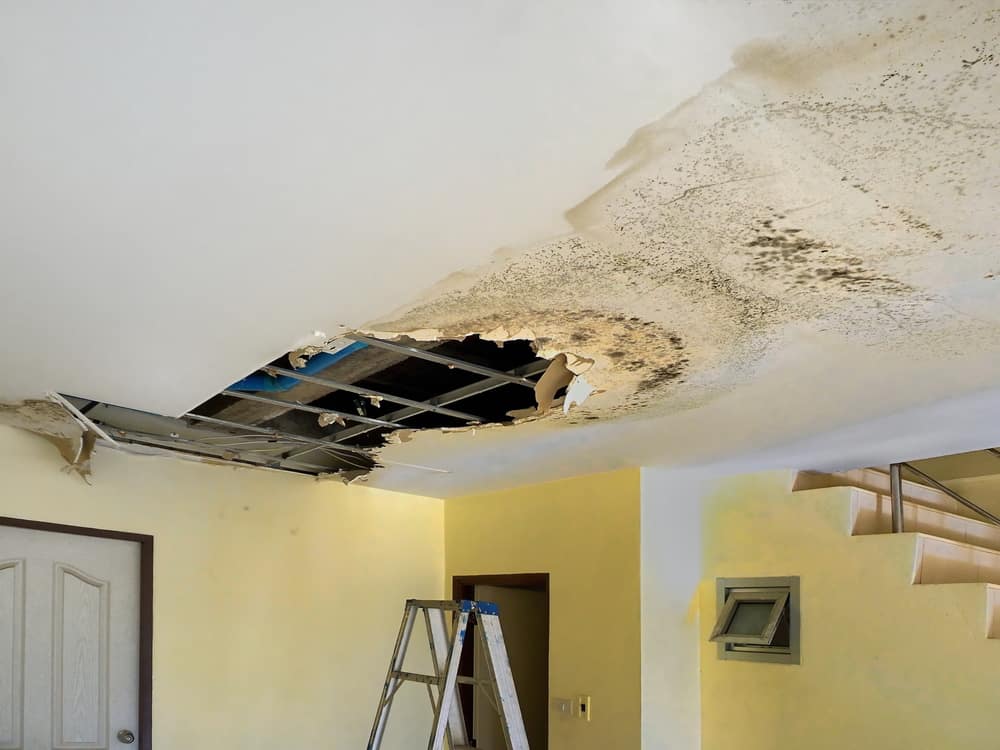
Mold remediation in West Islip looks different depending on where the problem is and in this community, it shows up in some very predictable places. Basement mold is common in the older concrete block foundations throughout the neighborhood, where water seeps through porous walls after heavy rain or a high water table event. Crawl space mold is rampant beneath ranch-style homes that were built without encapsulation or adequate ground vapor barriers. Attic mold develops quietly in homes where ventilation hasn’t kept pace with the humidity levels the Great South Bay drives year-round.
We handle all of it. Basement mold remediation in West Islip typically runs between $500 and $3,000 for surface-level issues, and higher when structural materials are involved. Crawl space remediation ranges from $500 to $4,000 and up when encapsulation is needed to prevent recurrence. Attic mold remediation averages $1,500 to $9,000 depending on the size of the space and how far the growth has spread. Black mold remediation requires enhanced containment protocols and falls at the higher end of those ranges.
If your home took on water during Sandy and you’ve noticed a smell that never fully went away, that’s worth a real assessment not a visual check. Hidden mold in wall cavities and under flooring is one of the most common findings in West Islip homes that went through post-storm repairs more than a decade ago.
How much does mold remediation cost in West Islip, NY?
The honest answer is that it depends on where the mold is, how far it’s spread, and what materials are involved. For most residential projects in West Islip, you’re looking at somewhere between $1,200 and $4,000 for a standard remediation. Attic mold which is common in the older homes here given the ventilation issues and bay humidity can run $1,500 to $9,000 depending on the size of the space. Crawl space remediation ranges from $500 to $4,000 and higher if encapsulation is part of the solution.
What inflates the cost more than anything is scope that wasn’t caught early. A small area of mold in a basement corner is a very different job than mold that has spread through insulation, subfloor, or wall framing. That’s why a proper assessment matters before any number is put on paper. If you’re getting quotes, compare them scope-for-scope not just price-for-price. A lower number that doesn’t include post-remediation clearance testing or moisture source correction isn’t actually a better deal.
What is the difference between mold remediation and mold removal?
Mold removal typically refers to physically cleaning or scrubbing mold off a surface. It’s a limited action it addresses what’s visible but doesn’t deal with spores in the air, contaminated materials that need to come out, or the moisture source that allowed mold to grow in the first place. You can remove mold from a surface and have it return within weeks if the underlying conditions haven’t changed.
Mold remediation in West Islip is a broader, more complete process. It includes containment to prevent cross-contamination, removal of compromised materials, antimicrobial treatment, HEPA filtration, and post-remediation air quality testing to verify the job is done. The goal isn’t just to clean what you can see it’s to bring the environment back to a normal, safe condition and document that it’s been done. For homeowners dealing with older housing stock and persistent moisture from the South Shore climate, remediation is the standard you want, not removal.
Does mold come back after professional remediation in West Islip homes?
It can but only if the moisture source wasn’t addressed. Mold is a symptom. The real problem is water or humidity finding its way into a space where it shouldn’t be. If a remediation company removes the mold without identifying and correcting what caused it, you’ll likely be dealing with the same issue again within a season or two.
In West Islip, this is especially relevant because the conditions that drive mold growth don’t go away on their own. The ambient humidity from the Great South Bay, the shallow water table in the western sections near Sumpwams Creek, aging crawl spaces under ranch homes these aren’t one-time events. They’re ongoing environmental factors. A proper remediation accounts for that. It doesn’t just clean the mold; it addresses the entry point, the ventilation, or the drainage issue that created the problem. When that’s done correctly, and confirmed with clearance testing, recurrence is unlikely.
Is mold remediation covered by homeowner's insurance in West Islip?
It depends on what caused the mold. Most standard homeowner’s insurance policies will cover mold remediation if it resulted from a covered event a burst pipe, storm damage, or sudden water intrusion. What they typically don’t cover is mold that developed from long-term moisture problems, deferred maintenance, or flooding that wasn’t tied to a covered peril.
For West Islip homeowners in flood-prone sections of the community particularly those south of Montauk Highway with National Flood Insurance Program coverage the documentation process matters a lot. NFIP claims require photographs before work begins, moisture readings, a written scope of work, and in many cases a post-remediation clearance report. If that documentation isn’t captured correctly from the start, a claim can be delayed or denied. Working with a contractor who understands how to document the job for insurance purposes isn’t a secondary concern in this community, it’s often the difference between getting reimbursed and paying out of pocket.
How do I know if my West Islip home still has mold after Hurricane Sandy repairs?
This is one of the most common situations we see on the South Shore. After Sandy, a lot of homes south of Montauk Highway went through some form of cleanup and repair but not all of it was thorough, and not all of it was done by licensed contractors following proper protocols. More than a decade later, hidden mold is still surfacing in wall cavities, beneath flooring, and in crawl spaces that were never fully dried and encapsulated.
The signs are often subtle: a musty smell that comes and goes, unexplained respiratory symptoms that improve when you leave the house, or visible staining on walls or ceilings that keeps returning. If your home flooded during Sandy and you’ve noticed any of these, a professional mold assessment is worth doing not a visual check, but a real one with moisture mapping and air quality sampling. The goal is to find out what’s actually there, not just what’s visible. If you had post-Sandy work done and you’re not sure how thorough it was, that uncertainty alone is reason enough to get a second set of eyes on it.
Do I need a permit for mold remediation work in the Town of Islip?
Not always but sometimes yes, and it’s worth knowing the difference before work begins. Mold remediation that involves only cleaning, treatment, and removal of non-structural materials generally doesn’t require a permit. But when the scope includes removing and replacing drywall, insulation, subfloor, or any structural framing, the Town of Islip’s Division of Building may require a building permit before that work starts.
This comes up more often than homeowners expect, particularly in older West Islip homes where mold has spread into wall cavities or structural components situations that are common in homes that experienced flooding or long-term moisture intrusion. The right approach is to have a clear scope of work defined before the job starts, and to verify permit requirements with the Town of Islip directly if structural material removal is involved. A contractor who skips that conversation isn’t doing you any favors. We walk through the scope with you upfront so you know exactly what’s required and what to expect before anyone picks up a tool.
Useful Links
Other Services we provide in West Islip