
Hear from Our Customers
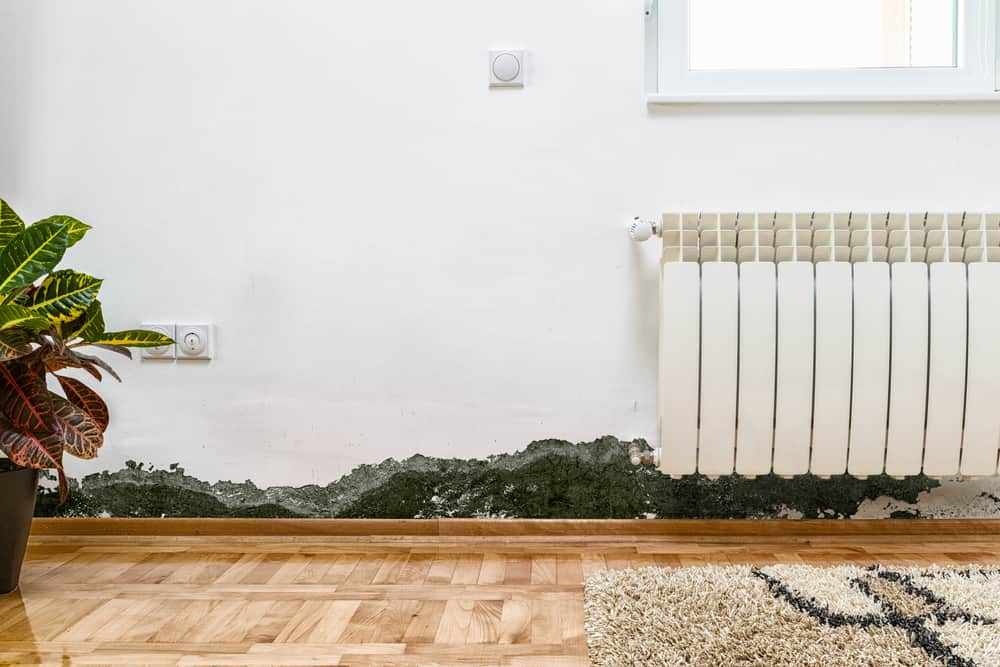
Mold doesn’t grow because of bad luck. It grows because moisture found a place to sit — and in Westhampton, that’s not a rare event. Between the salt air off the Atlantic, the bay humidity coming off Moriches and Quantuck, and the storm flooding that Dune Road properties have absorbed for decades, the conditions here are genuinely different from what you’d find in an inland Suffolk County town. That difference matters when you’re deciding how to handle a mold problem.
When remediation is done right, the air in your home feels different. The musty smell that’s been lingering since last fall is gone. You’re not second-guessing whether it’s safe for your kids or your parents to be in the house. If you’re heading into a real estate transaction — and at Westhampton’s price points, the stakes are real — you have a clearance report in hand that satisfies every party at the table.
The bigger shift is that you’re not waiting for it to come back. Mold that’s removed without addressing the moisture source will return, usually faster than the first time. Crawl spaces under barrier beach homes, attics in older Hamptons-era construction, and basements with aging waterproofing systems all have specific vulnerabilities that a thorough job accounts for. That’s what actually changes things.
We’ve been operating on Long Island since the early 1990s. That means we were here when Sandy flooded Dune Road in 2012 and when the post-storm mold problems started surfacing in homes across Westhampton Beach, Quiogue, and the surrounding hamlets in the months and years that followed. This isn’t a national franchise that mapped Westhampton into a service territory last year. We’re a Long Island company with three decades of institutional knowledge about what coastal properties here actually go through.
Our owner, Richard Peterson, holds personal New York State licenses in both mold assessment and mold remediation — the two credentials required under NYS Article 32. That’s not a company-level certification on a wall. It’s an individual license tied to his name, verifiable through the NYS Department of Labor, and it means the person running this company is personally accountable for every job. Every technician on our team is IICRC-certified, trained against the S520 Standard for Professional Mold Remediation. The credentials are real, and in a market where unlicensed operators are genuinely active, that distinction is worth paying attention to.
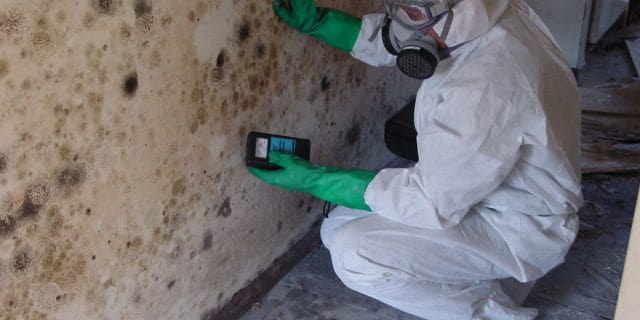
It starts with a thorough assessment — not just a visual scan, but moisture mapping to identify where water is actually entering or accumulating. In Westhampton, that step matters more than most places because the moisture sources here aren’t always obvious. A crawl space under a Dune Road home can be pulling in salt air and humidity through gaps that look minor but create major mold conditions over a season. An attic in an older hamlet home might have a condensation problem driven by inadequate ventilation that’s been building for years. Finding the source is the whole job — everything else follows from that.
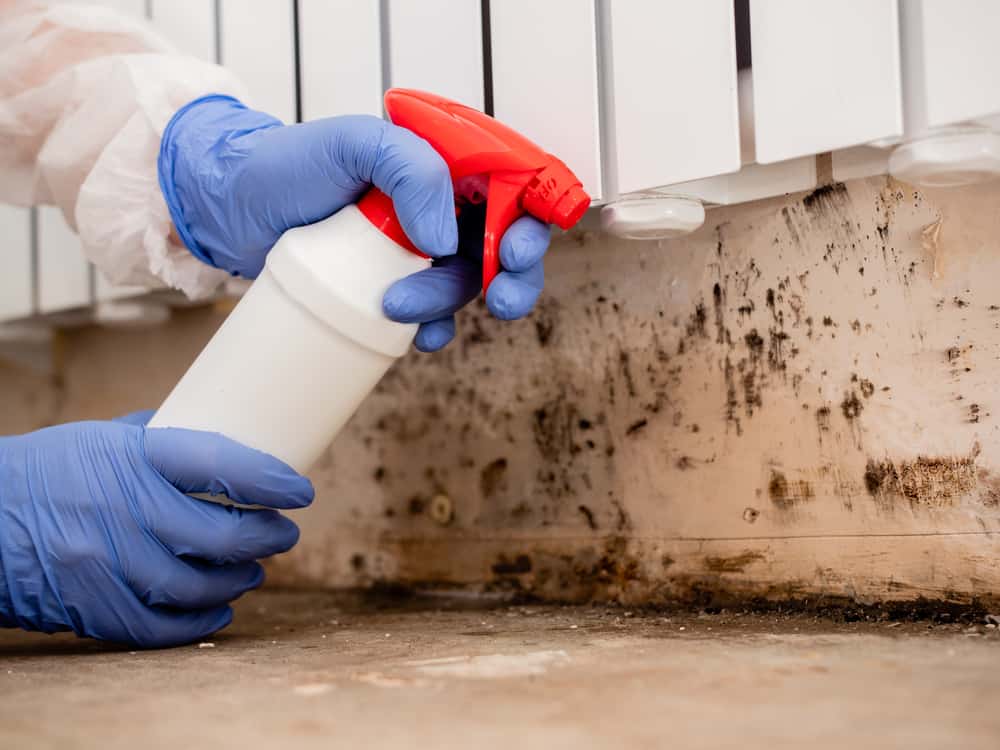
Once the source is identified, we set up containment before anything is removed. That means sealing off the affected area so spores don’t travel through the rest of your home during the remediation process. Removal follows — using methods appropriate to the material and the severity — and then we apply antimicrobial treatment to the affected surfaces. Under NYS Article 32, the assessment and remediation cannot legally be performed by the same entity, which is a consumer protection worth understanding before you hire anyone.
After the work is done, post-remediation verification confirms that mold spore counts have returned to normal levels. You receive a clearance report — documentation that the job is complete and the results are verifiable. For Westhampton homeowners navigating a real estate transaction or an insurance claim, that report isn’t optional. It’s the finish line.
Ready to get started?
Mold remediation in Westhampton isn’t a one-size situation. The service adapts to the property — and the properties here vary significantly. Barrier beach homes on Dune Road with marine-environment crawl spaces need a different approach than a 1960s ranch in the hamlet with a wet basement and aging block foundation walls. Attic mold in older Hamptons-era construction — driven by poor soffit-to-ridge ventilation and winter condensation — is one of the most common and most underdiagnosed problems in this area. We handle all of it.
Our full scope of service includes mold assessment, containment setup, physical removal, structural drying where water intrusion is involved, antimicrobial treatment, and post-remediation air quality verification. Our integrated cleaning division means the job doesn’t stop at the structural work — we clean and clear the affected space before we leave. For second-home owners in Westhampton who may be managing this from New York City, that matters. One company, one point of contact, one job done completely.
We provide emergency mold remediation around the clock — 24 hours a day, 7 days a week. In a community that sees nor’easters, tropical storms, and bay flooding on a recurring basis, mold emergencies don’t schedule themselves around business hours. When water gets into a Westhampton home, the 24-to-48-hour window before mold begins growing is not a figure of speech. It’s the actual timeline, and the response needs to match it.
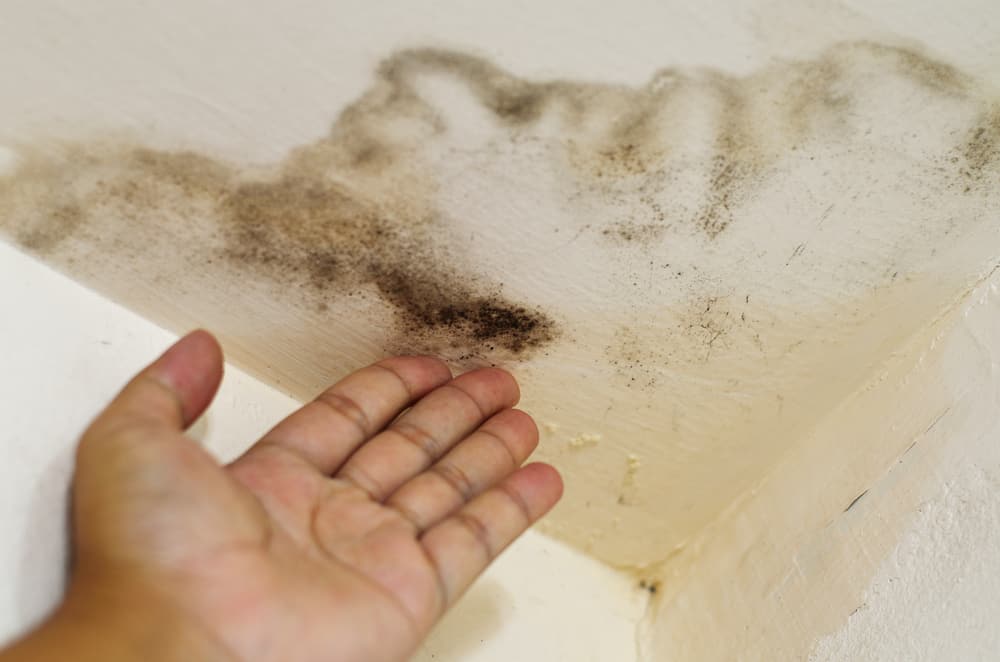
Cost depends on where the mold is, how much surface area is affected, and what the moisture source turns out to be. For a contained problem — say, a section of basement wall or a portion of attic decking — professional mold remediation in Westhampton typically runs somewhere between $1,200 and $4,000. Crawl space remediation, which is one of the most common jobs in this area given the barrier beach and bay-adjacent properties, can range from $500 on the low end to $6,000 or more when encapsulation is part of the scope. Larger structural infestations — the kind that develop in a seasonal home that sat unoccupied through a wet winter — can reach $10,000 to $15,000 or beyond.
What drives cost up is almost always the same thing: the moisture source wasn’t caught early, and the mold had time to spread into structural materials. Getting an assessment done quickly after you notice signs — a musty smell, visible discoloration, or water intrusion after a storm — is the most reliable way to keep the scope manageable.
It depends on the cause and which policy applies. Standard homeowner’s insurance typically covers mold that results from a sudden, accidental water event — a burst pipe, for example — but often excludes mold that developed gradually from ongoing moisture issues or flooding. In Westhampton, where many properties also carry separate flood insurance through the National Flood Insurance Program, the question of which policy responds to a storm-related mold claim can get complicated quickly.
Flood insurance and homeowner’s insurance are two separate policies with two separate claims processes, and the interaction between them isn’t always straightforward when mold is involved. The documentation you provide matters enormously — the timeline of the water intrusion, the extent of the damage, and the remediation scope all need to be clearly established. We help Westhampton homeowners build that documentation in the format insurers require, which reduces back-and-forth and improves claim outcomes. If you’re unsure what your coverage looks like, it’s worth reviewing both policies before you need to use them.
Yes — and it’s one of the more underestimated problems in this area. Homes on Dune Road and the surrounding barrier beach communities are elevated on pilings or have crawl spaces that sit in a marine environment year-round. Salt air, humidity, and organic debris accumulate underneath the structure constantly, and without proper vapor barriers and ventilation, the subfloor framing and insulation are in a persistently high-moisture environment. That’s exactly the condition mold needs to establish itself.
What makes it easy to miss is that crawl space mold often doesn’t announce itself visibly from inside the home. You might notice a musty smell that gets worse in summer, or slightly elevated allergy symptoms, before you ever see anything. By the time it’s visible, the growth has usually been active for a while. A professional assessment that includes the crawl space — not just the interior living areas — is the only reliable way to know what’s actually happening under the structure.
It matters more than most people realize. Mold removal, in the literal sense, means physically taking out the visible mold. Mold remediation is a broader process — it includes removal, but it also means containing the area so spores don’t spread during the work, treating affected surfaces with antimicrobial agents, identifying and correcting the moisture source that allowed mold to grow in the first place, and verifying through post-remediation testing that spore counts are back to normal levels.
The distinction is important in New York because NYS Article 32 specifically governs mold remediation as a licensed activity. Any contractor performing remediation work in Westhampton is required by law to hold a valid state-issued license. A company that describes what they do as “mold removal” without the assessment, containment, and verification steps isn’t providing remediation — and in a home where the moisture source hasn’t been addressed, the mold will return. In a coastal community like Westhampton where humidity and storm exposure are constant factors, that’s not a theoretical risk. It’s a near certainty.
This is one of the most common scenarios we see in Westhampton. A seasonal or second home that sits unoccupied from October through April is in a high-risk situation — especially if the heating is set low, the crawl space or basement isn’t actively managed, or there was any water intrusion during the fall or winter that went undetected. Mold can establish a significant infestation over a single winter season in those conditions.
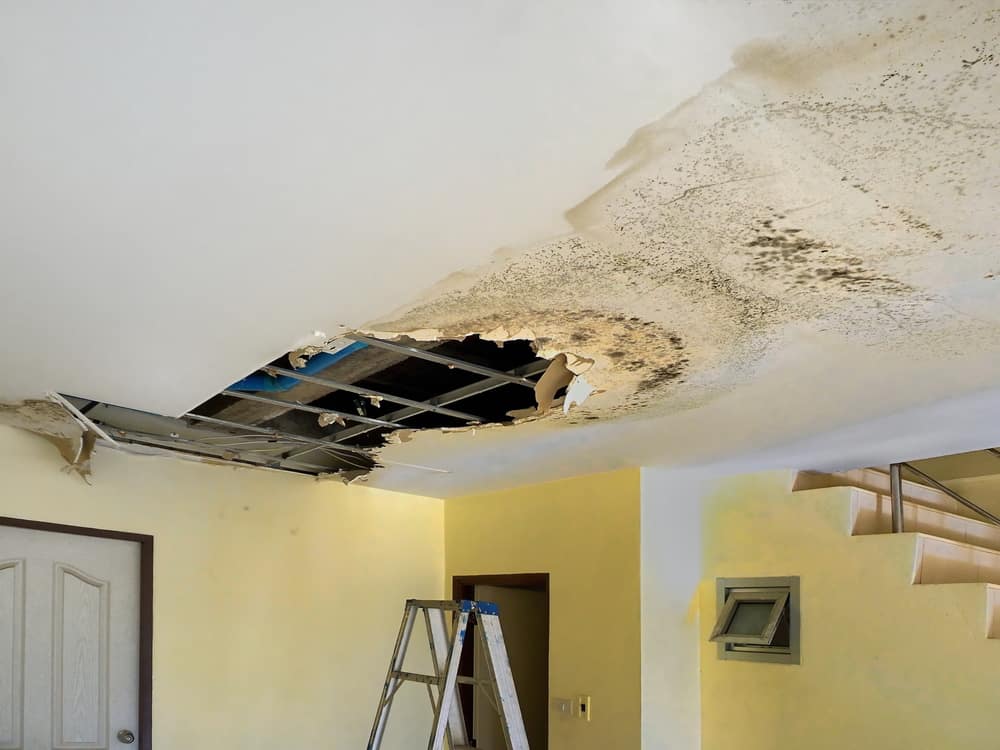
The signs when you return are usually a persistent musty smell that doesn’t clear after the house is aired out, visible discoloration on walls or ceilings — particularly in lower-level rooms, crawl spaces, or attics — and in some cases, warping or staining on wood surfaces. If any of those are present, a professional assessment is the right first step before you do anything else. Trying to clean visible mold without knowing the full scope or the moisture source is likely to disturb spores and spread the problem rather than contain it. An assessment gives you an accurate picture of what you’re actually dealing with.
You can look it up directly through the New York State Department of Labor’s online license verification system. Under NYS Article 32 — which has been in effect since January 1, 2016 — any individual performing mold assessment or mold remediation in Westhampton is required to hold a valid state-issued license. That’s not a company-level credential. It’s an individual license tied to a specific person’s name, and it’s publicly searchable.
This matters in Westhampton specifically because the area attracts contractors from across the region, and not all of them are operating with the proper credentials. Before any work begins, ask for the license number and look it up. A legitimate, licensed contractor will have no hesitation providing it. Richard Peterson, owner of First Response Restoration and Cleaning Inc., holds individual NYS licenses in both mold assessment and mold remediation — both verifiable through the Department of Labor.
Useful Links
Other Services we provide in Westhampton