
Water Damage Restoration in Barnum Island, NY
When Reynolds Channel and Barnum's Channel Flood Your Home, You Need More Than a Mop
Hear from Our Customers

Flood Restoration Services, Barnum Island NY
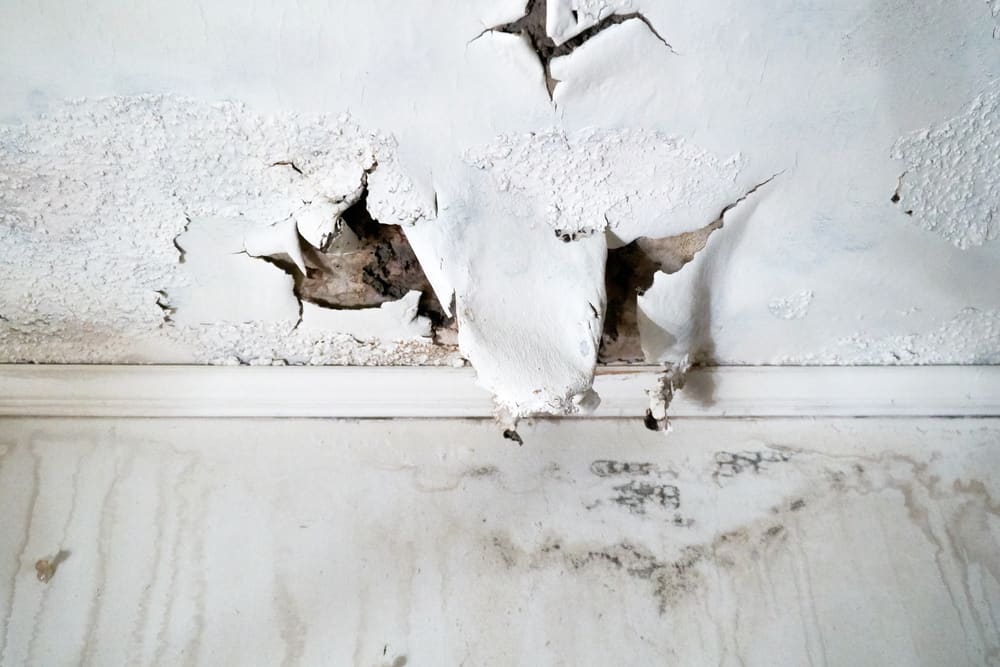
After a flooding event on Barnum Island, the visible water is only part of the problem. The bigger issue is what’s happening inside your walls, under your subfloor, and behind the baseboards of a home that was probably built in the 1950s or 60s materials that have been absorbing humidity from a tidal island environment for decades.
When moisture gets into those layers and doesn’t get fully extracted, you’re looking at mold within 24 to 48 hours. That’s what the EPA has documented, and it’s what homeowners here learned the hard way after Superstorm Sandy.
What proper restoration actually looks like is a home that’s been moisture-mapped, not just mopped. We use industrial drying equipment running until the readings confirm the structure is dry not until it looks dry. We apply antimicrobial treatment on affected surfaces, provide documentation that holds up with your insurance adjuster, and identify any structural repairs needed before you close everything back up.
For Barnum Island specifically, we account for what’s unique about your situation: the post-war housing stock, the tidal water table influence from the surrounding channels, and the reality that your home may have been through this before. Whether it’s a burst pipe in February or storm surge pushing in from Reynolds Channel during a Nor’easter, the outcome you need is the same a genuinely dry, safe, documented home, not a surface-level cleanup that creates a bigger problem six months later.
Residential Water Damage Repair, Nassau County NY
We’ve been serving Long Island homeowners for nearly three decades. That kind of history on the South Shore means we were operating through Superstorm Sandy in 2012 when Barnum Island saw two to eight feet of water across the entire island and became one of the Nassau County communities specifically designated for New York State’s Community Reconstruction Zone program.
We’re not a franchise dispatched from out of state after a storm. We’re a Long Island company that has seen what tidal flooding does to homes in Barnum Island repeatedly, and we know exactly how to respond.
We’re fully IICRC-certified, which matters here more than most places. Many Barnum Island properties sit in FEMA flood zones and carry National Flood Insurance Program policies alongside standard homeowners coverage. IICRC-certified documentation is what NFIP adjusters expect, and our certification means your claim is supported by a paper trail that holds up.
We’re also licensed, bonded, and insured and we work directly with insurance companies so you’re not stuck navigating two separate policies on your own while your home is still wet.
Emergency Water Removal Process, Barnum Island NY
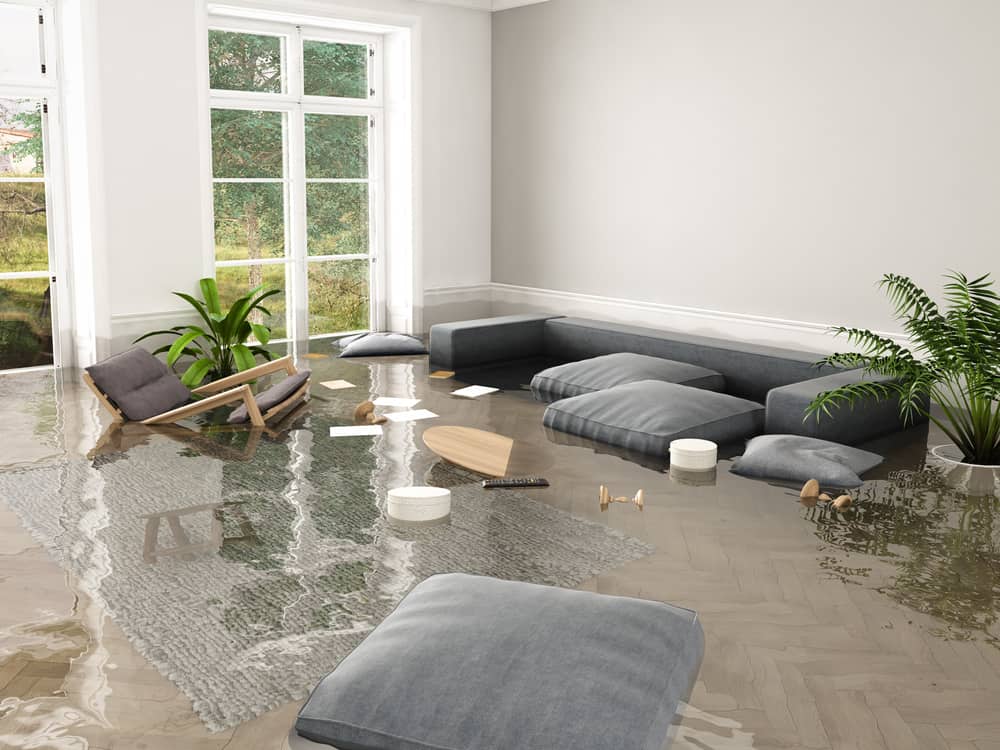
The call comes in, and because we operate 24 hours a day, a certified team gets dispatched immediately not when the office opens. On an island where Long Beach Road is your primary way in and out, getting a crew on-site before conditions deteriorate further is the whole game.
Tidal flooding doesn’t pause between tidal cycles, and every hour of standing water in a post-war home is an hour of moisture wicking deeper into materials that weren’t designed to handle it.
Once on-site, we start with assessment not just a visual walkthrough, but moisture mapping using professional meters and, where needed, thermal imaging to find what’s hiding inside walls and under flooring. That assessment drives everything: what equipment we deploy, where it goes, and what the scope of structural work looks like.
We run industrial water extractors, high-capacity air movers, and commercial dehumidifiers until the readings confirm the structure is genuinely dry. Because many Barnum Island properties are in the Town of Hempstead’s jurisdiction, any structural repairs that follow drywall, framing, flooring are handled with the permit requirements that apply to your area, particularly for homes in designated flood zones where post-Sandy compliance standards are stricter than they used to be.
Throughout the process, we document everything for your insurance claim. If you’re dealing with both an NFIP flood policy and a standard homeowners policy which is common in Barnum Island we work directly with both carriers so the documentation is accurate, complete, and submitted correctly from the start.
Ready to get started?
Flooded Basement Cleanup and Storm Damage, Barnum Island NY
Water damage restoration in Barnum Island isn’t a one-size situation. The service scope depends on what happened a burst pipe in January when temperatures drop and aging plumbing in an uninsulated wall gives out, versus storm surge from Reynolds Channel pushing contaminated tidal water into your basement during a Nor’easter. Those are two very different events with very different protocols, and we handle both.
For clean-water events like pipe bursts or appliance overflows, we focus on extraction, structural drying, and moisture verification. For storm surge and tidal flooding the more common threat in a community literally surrounded by waterways we use contaminated-water protocols: proper containment, antimicrobial treatment, and disposal procedures that account for what Reynolds Channel and Barnum’s Channel carry during a flood event. This is Category 3 water damage, and it requires a different level of response than a standard basement water extraction job.
The full scope of what we provide includes water removal, structural drying, dehumidification, mold prevention treatment, complete insurance documentation, and reconstruction where needed from drywall replacement to flooring. For a community where homes have been in families for generations and waterfront properties regularly list well above $500,000, cutting corners on any one of those steps isn’t an option.
The job isn’t done when the equipment gets loaded back on the truck. It’s done when your home is dry, treated, documented, and ready for whatever repairs come next.

Does homeowners insurance cover water damage from tidal flooding in Barnum Island?
This is one of the most important questions to understand before a storm hits, and the answer depends on the source of the water. Standard homeowners insurance covers sudden, accidental water damage from internal sources a burst pipe, an overflowing appliance, a roof leak from wind-driven rain. It does not cover flooding.
If water enters your home from outside storm surge from Reynolds Channel, tidal overflow, or groundwater pushed up by a major storm that falls under flood damage, and standard homeowners policies exclude it entirely. Because many Barnum Island properties are in FEMA-designated Special Flood Hazard Areas, a separate National Flood Insurance Program policy is what covers that type of event.
The complication is that after a major storm, you may be dealing with both: internal pipe damage covered by your homeowners policy and exterior flooding covered by your NFIP policy. Filing both correctly, with documentation that satisfies each adjuster, is where a lot of homeowners run into trouble. We work directly with both carriers and handle the documentation from the start, so you’re not trying to sort out two separate claims while your home is still wet.
How fast does mold actually start growing after a basement floods?
Faster than most people expect. The EPA states that mold can begin developing within 24 to 48 hours of water exposure under the right conditions and the conditions inside a flooded basement on a tidal island in summer are about as favorable for mold growth as it gets. Warm temperatures, high ambient humidity from the surrounding waterways, and organic materials like drywall, wood framing, and insulation that have been absorbing moisture for decades all accelerate the process.
What makes this particularly relevant for Barnum Island homes is the age of the housing stock. Homes built in the 1940s through 1970s often have original plaster walls, wood subfloors, and insulation that acts like a sponge. Moisture wicks into those materials quickly and stays there long after the surface appears dry.
Consumer fans and shop vacs don’t reach that depth. Professional drying equipment with moisture meters does. The difference between calling within the first few hours and waiting a day or two can be the difference between a drying job and a full mold remediation which is significantly more involved, more disruptive, and more expensive.
What should I do immediately after my basement floods in Barnum Island?
The first priority is safety. If there’s any chance electrical systems have been compromised by the water and in a flooded basement, that’s a real possibility don’t go in until power to that area has been confirmed off.
After that, document everything before anything gets moved or cleaned up. Photos and video of standing water levels, affected materials, and visible damage are critical for your insurance claim, whether you’re filing with a homeowners carrier, an NFIP adjuster, or both.
Then call us. Don’t wait to see how it dries on its own. On an island with the water table conditions that Barnum Island has influenced by tidal action from Barnum’s Channel and Reynolds Channel the ground itself is already at or near saturation during a storm event. Water that enters your basement during those conditions doesn’t evaporate the way it would in a dryer inland environment. It sits, it wicks, and it creates conditions for mold and structural damage that compound quickly.
Getting professional extraction and drying equipment in place within the first few hours is the single most effective thing you can do to limit the overall damage and cost.
How long does water damage restoration take for a home in Barnum Island, NY?
The honest answer is that it depends on the scope, but a realistic general range for most residential water damage situations is two to three weeks from initial extraction through final repairs. The drying phase alone using industrial air movers and dehumidifiers typically takes three to five days before moisture readings confirm the structure is genuinely dry.
Rushing that phase is one of the most common mistakes homeowners make when they try to manage the process themselves or work with a company that cuts corners to close the job faster.
For Barnum Island homes specifically, the timeline can be affected by a few local factors. Post-war construction with original plaster walls and wood subfloors often takes longer to dry than modern drywall because the materials are denser and hold moisture differently. If the flooding involved contaminated water from storm surge which is Category 3 water damage the remediation protocols are more involved than a clean-water event, which adds time.
If structural repairs require permits through the Town of Hempstead, particularly for properties in designated flood zones with post-Sandy compliance requirements, that permitting process adds to the overall project timeline. We’ll give you an honest scope and timeline after the initial assessment so you know what to expect.
Can I stay in my house during water damage restoration on Barnum Island?
In many cases, yes but it depends on where the damage is, how extensive it is, and what type of water was involved. If a pipe burst in one room and the rest of the house is unaffected, staying home during the drying process is usually manageable. The equipment is loud, and there will be restricted areas, but it’s workable.
If the flooding was more widespread affecting multiple rooms, the HVAC system, or the structural framing temporary displacement may be the safer and more practical option.
The bigger factor for Barnum Island homeowners is the water source. If your home was impacted by storm surge from Reynolds Channel or tidal overflow, that’s contaminated water. Category 3 flooding events involve pathogens and contaminants that make the affected areas genuinely unsafe to occupy during remediation. In those situations, the recommendation is typically to stay elsewhere until the affected areas have been properly contained, cleaned, and treated.
Your homeowners insurance or NFIP policy may cover temporary housing costs in those circumstances another reason to have the claim documentation started correctly from the beginning, which is something we handle as part of the process.
Why does burst pipe water damage happen so often in Barnum Island homes during winter?
It comes down to the age of the housing stock and where the pipes run. Barnum Island’s residential development happened primarily in the post-war decades, which means a lot of homes have original plumbing that’s been patched and extended over 60 or 70 years. Pipes in exterior walls, in unheated crawl spaces, or running through poorly insulated areas of the structure are vulnerable when temperatures drop.
When a pipe that’s been under stress for decades finally freezes and bursts, it can release a significant volume of water before anyone realizes what’s happening. The tidal island environment adds a layer to this. Homes on Barnum Island deal with higher ambient humidity year-round than inland communities, which affects how building materials age and how well insulation holds up over time.
Pipe insulation that was adequate in 1965 may not be doing much anymore. The result is that burst pipe water damage in winter is genuinely common in this community, and it often causes more damage than homeowners initially expect because the water travels through walls and floors before it becomes visible. If you’ve had a pipe burst, the area that looks wet is rarely the full picture professional moisture mapping is the only way to know what’s actually going on behind the surfaces.
Useful Links
Other Services we provide in Barnum Island