
Water Damage Restoration in Bellmore, NY
When Bellmore's Waterways Rise, You Need More Than a Mop
Hear from Our Customers

Flood Restoration Services in Bellmore
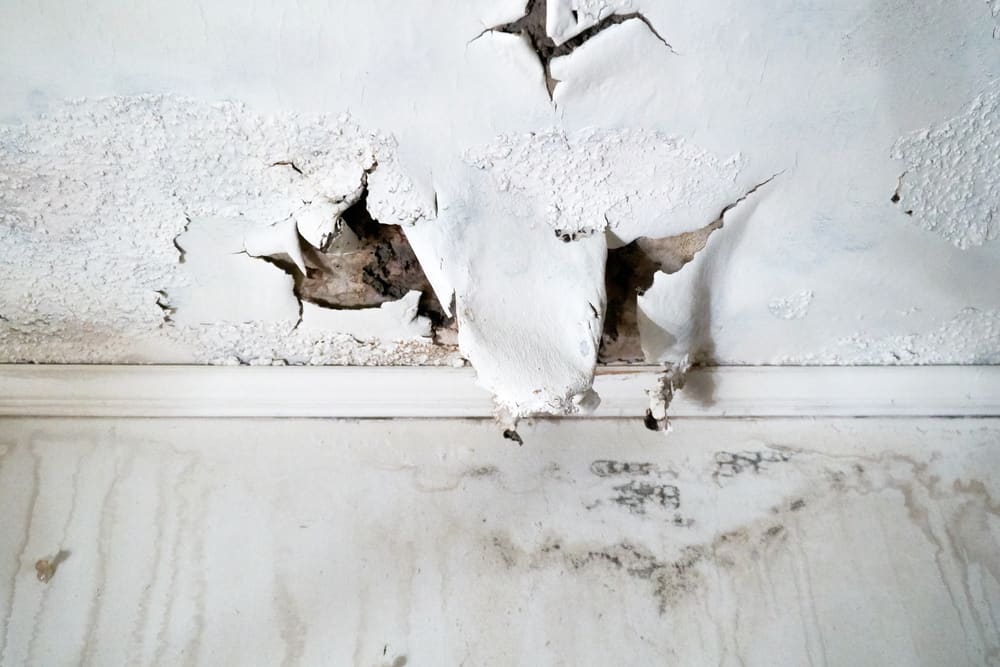
When water gets into your Bellmore home, the damage you can see is rarely the whole story. Moisture travels under hardwood floors, behind plaster walls, into the structural cavities of your home and it doesn’t announce itself. By the time you notice a musty smell or a soft spot in the floor, the problem has been growing for weeks.
What you actually need is someone who can find all of it, dry all of it, and document all of it properly so your insurance claim holds up. For Bellmore homeowners, that last part matters more than most people realize. A lot of South Bellmore properties sit in FEMA Zone AE which means you may be carrying both a homeowners policy and a separate flood insurance policy. Knowing which one covers your specific event, and having the documentation to back it up, can be the difference between a fully covered claim and a five-figure bill you didn’t expect.
The homes near the LIRR station the Cape Cods and cottages built in the 1940s and 1950s have plumbing that was installed before most of their current owners were born. When a cast iron pipe finally gives out on a Tuesday morning while you’re on the train to Penn Station, it can run for hours before anyone is home to catch it. Getting the water out quickly is step one. Making sure nothing is left behind is what actually protects your home long term.
Residential Water Damage Repair in Bellmore, NY
We’ve been serving Nassau and Suffolk County homeowners for nearly three decades. That’s not a franchise timeline it’s a Long Island timeline. We’re based in West Babylon, on the same South Shore corridor as Bellmore, connected by the same Sunrise Highway that runs right through downtown. When a storm pushes water into South Bellmore’s canal-front streets or Newbridge Creek overflows onto Linden Street, this isn’t new territory for our team.
Our technicians are IICRC-certified, which means the work follows the industry’s recognized standard for water damage restoration the same standard insurance adjusters expect to see documented when they review your claim. We’re also fully licensed, bonded, and insured, and we handle insurance coordination directly so you’re not left navigating that process alone while your walls are still wet.
We staff a dedicated Nassau County line 516-698-1776 for exactly the kind of call you don’t want to be making at 10 p.m. on a Wednesday.
24/7 Water Damage Restoration Process in Bellmore
The first thing that happens when you call is an immediate response not a voicemail, not a callback window. We operate around the clock because water damage doesn’t follow a schedule, and in Bellmore, where a lot of residents are commuting to Manhattan during the day, a pipe that bursts at 9 a.m. can go undetected until the 5:47 pulls into Bellmore Station. By then, every hour counts.
Once our team arrives, the first priority is stopping the damage from spreading. That means water extraction using industrial-grade equipment, followed by a full moisture assessment not just the visible wet areas, but inside walls, under floors, and in any structural cavities where water may have wicked. In older Bellmore homes near the LIRR station, plaster walls and hardwood floors can hold moisture long after the surface feels dry, so this step isn’t a formality.
From there, we set up commercial dehumidifiers and air movers to dry the structure thoroughly. We monitor moisture levels throughout the drying phase typically several days until readings confirm your home is dry. If mold prevention treatment is needed, that’s handled before the reconstruction phase begins. The final step is restoring what was damaged: drywall, flooring, structural elements, whatever the water affected. One company handles the full scope, from the first extraction to the last repair.
Throughout the process, we work directly with your insurance company. We document the damage, communicate with your adjuster, and handle the billing whether that’s through your homeowners policy, your flood insurance, or both.

Ready to get started?
Basement Water Extraction and Flood Cleanup in Bellmore
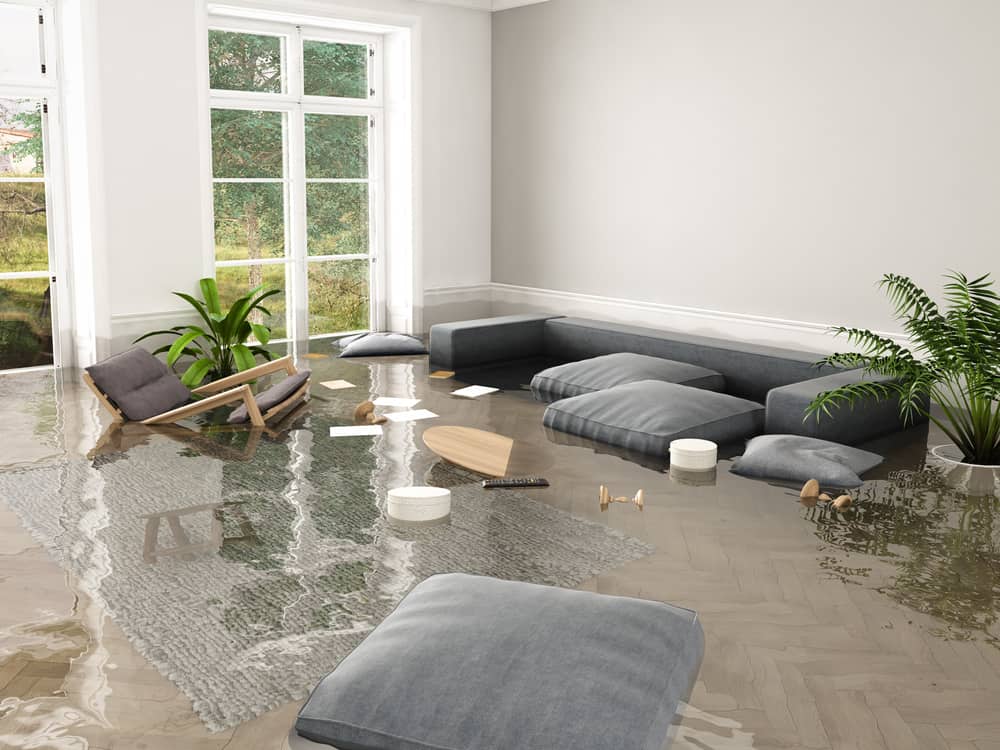
Not all water damage is the same, and in Bellmore, that distinction is genuinely important. A burst supply line in a Cape Cod off Merrick Road is a very different situation from a storm surge event that pushes water through South Bellmore’s drainage system and into a canal-front home on Williams Court. The first is clean water Category 1 in industry terms. The second is Category 3: contaminated floodwater that requires a fundamentally different remediation protocol, including antimicrobial treatment and proper disposal of materials that can’t simply be dried and reused.
We handle the full range. That includes emergency water removal and basement water extraction, structural drying, moisture mapping, mold remediation when it’s needed, and complete reconstruction. For storm damage restoration after a coastal event, we’re equipped to assess and address the specific contamination risks that come with tidal and surge-driven flooding something that’s directly relevant to South Bellmore homeowners with bulkheads and canal-facing properties.
For homeowners dealing with a flooded basement after heavy rainfall whether that’s from Newbridge Creek overflowing or surface water backing up through a drainage system overwhelmed by a major storm the process starts with getting the water out fast and ends with a fully documented, insurance-ready restoration. Nassau County manages flooding on roads like Merrick Road, Bellmore Avenue, and Newbridge Road, but what happens inside your home is your responsibility to address. That’s where a complete, professional restoration team makes the difference.

Does homeowners insurance cover water damage from flooding in Bellmore, NY?
This is one of the most common questions and the answer depends entirely on the source of the water. Standard homeowners insurance covers sudden, accidental water damage from internal sources: a burst pipe, an appliance overflow, a water heater failure. It does not cover flooding. If water enters your Bellmore home from outside storm surge, overflowing creeks, surface water that falls under flood insurance, which is a separate policy entirely.
In Bellmore, this distinction matters more than it does in most places. A significant portion of South Bellmore properties carry mandatory flood insurance because they sit in FEMA Zone AE a designated high-risk flood zone with a 1% annual chance of flooding. If you live in that zone and your mortgage lender requires flood coverage, you may actually have both policies. Knowing which one applies to your specific event and having the damage documented correctly from the start is critical to getting a full payout. We work directly with insurance companies and can help you understand which coverage applies and what documentation your adjuster will need.
How fast does mold start growing after a basement flood?
Faster than most people expect. The EPA states that mold can begin developing within 24 to 48 hours of water exposure under the right conditions. In practice, that means if your basement flooded yesterday and hasn’t been professionally dried, the clock is already running. Visible mold typically appears after 48 to 72 hours, but microscopic growth starts earlier and by the time you can see it, you’re already dealing with a remediation problem, not just a drying problem.
This urgency is particularly relevant in Bellmore given the community’s coastal humidity and the older housing stock near the LIRR station. Plaster walls, wood framing, and the subfloor systems common in pre-1960s Cape Cods create ideal conditions for mold to take hold once moisture gets in. Consumer-grade fans and a shop vac don’t reach the moisture inside wall cavities or beneath flooring which is exactly where mold establishes itself. Professional drying with commercial dehumidifiers and moisture monitoring is the only reliable way to stop it before it starts.
What should I do immediately after my basement floods in Bellmore?
The first thing to do is make sure it’s safe to enter if there’s any chance of electrical hazards from standing water near outlets or the breaker panel, stay out and call your utility provider first. Once it’s safe, call a restoration company before you do anything else. Specifically, call before you call your insurance company. Getting professional documentation of the damage in place before an adjuster arrives actually strengthens your claim and reduces the risk of a dispute over the extent of the damage.
Don’t try to dry it yourself with fans and towels. In a Bellmore home especially an older one near Merrick Road or the LIRR station with plaster walls and hardwood floors surface drying gives you a false sense of resolution. The moisture that matters is the moisture you can’t see. While you’re waiting for our team to arrive, take photos and videos of everything: the standing water, the waterline on the walls, any damaged belongings. That documentation is yours to keep and can support your insurance claim regardless of which policy covers the event.
How long does water damage restoration typically take in a Bellmore home?
The honest answer is that it depends on the scope of the damage. For a single-room event a burst pipe that affected one area of your home the drying phase typically takes three to five days, and repairs can follow shortly after. For a more significant flooding event, like a storm surge situation that affected the lower level of a South Bellmore canal-front home, the full process from initial extraction through final reconstruction can take two to three weeks or longer.
In Bellmore’s older housing stock, the timeline can be affected by what the water found when it got in. Pre-war and early post-WWII homes often have plaster walls, original hardwood floors, and structural elements that require more careful drying and more thorough inspection before reconstruction can begin. The goal is never to rush the drying phase cutting that short is what leads to mold problems six weeks later. We monitor moisture levels throughout the drying process and won’t move to repairs until the readings confirm the structure is genuinely dry.
Can water damage from a burst pipe in an older Bellmore home be covered by insurance?
Yes burst pipe damage is generally covered under standard homeowners insurance as a sudden, accidental event. The key word is “sudden.” If the pipe failed because of a freeze or an unexpected rupture, that’s typically a covered event. If an adjuster determines the pipe had been leaking gradually for months and the damage resulted from deferred maintenance, coverage can be denied.
This is where documentation matters. In a Bellmore home with plumbing that may be 60 or 70 years old, an insurance company may look closely at the condition of the pipes when evaluating a claim. Having an IICRC-certified restoration company on-site from the beginning one that documents the damage professionally and communicates directly with your adjuster puts you in a much stronger position than calling your insurer first and trying to describe the situation yourself. We handle this documentation process as part of the restoration work, not as an add-on.
Does First Response Restoration and Cleaning Inc. serve both Bellmore and North Bellmore, NY?
Yes. We serve both Bellmore and North Bellmore, along with the broader Nassau County area. The two communities often referred to collectively as “The Bellmores” share similar housing characteristics and flood risk profiles, though North Bellmore sits farther from the waterfront and has a slightly different exposure to the tidal and coastal flooding that affects South Bellmore more directly.
For residents of either community, the Nassau County line 516-698-1776 is the right number to call. Our team is familiar with the geography of both areas, from the canal-front streets of South Bellmore to the older neighborhoods north of Sunrise Highway where Newbridge Creek flooding has been documented on streets like Linden Street. Whether the issue is a burst pipe in a post-war Cape Cod, storm damage restoration after a coastal weather event, or a flooded basement following one of the heavy rainfall events that have hit Nassau County in recent years, the response is the same: fast, complete, and handled with your insurance claim in mind from the first call.
Useful Links
Other Services we provide in Bellmore