
Water Damage Restoration in Brookville, NY
Brookville Homes Have Too Much at Stake for an Incomplete Job
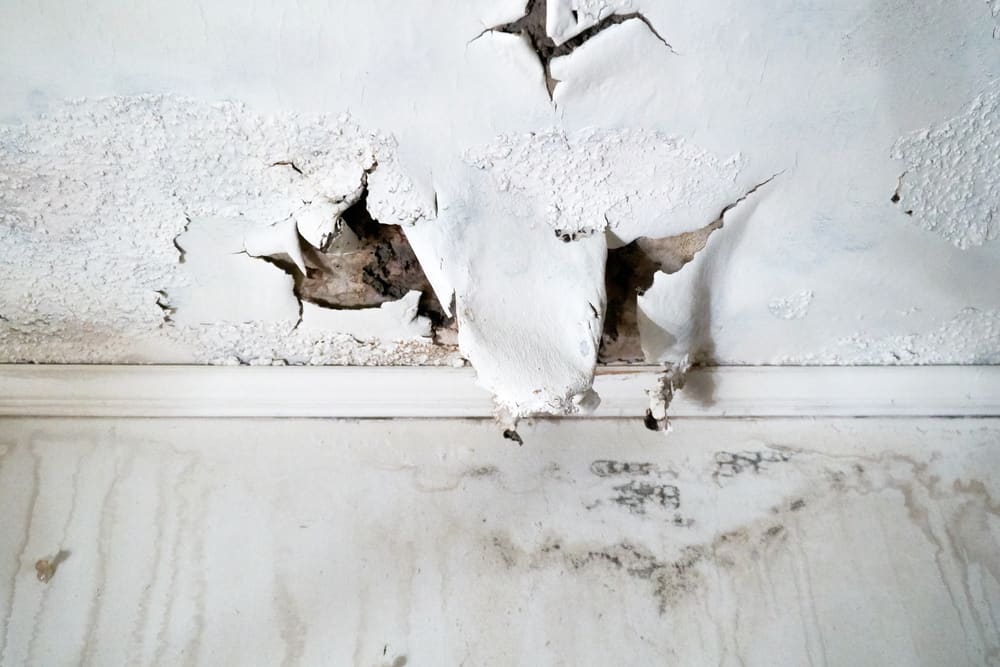
Hear from Our Customers

Flood Restoration Brookville, NY
The moisture you can’t see is what quietly turns into a mold problem over the next few weeks. In a Brookville home, that’s not a minor inconvenience. It’s a threat to finished basements, custom millwork, high-end mechanical systems, and architectural details that took years and significant investment to build.
Brookville’s housing stock runs the full range from pre-war Gold Coast estates along Cedar Swamp Road to newer luxury builds on sprawling two-acre lots. Many of these homes have original or partially-updated plumbing systems, complex drainage infrastructure, and finished basement spaces that function as full living areas. When water gets in, the structure absorbs it differently than a standard suburban home.
We use industrial-grade moisture mapping and structural drying equipment that reaches places consumer fans and wet-vacs simply don’t. When the restoration is complete, you’re not just dry you’re documented. Every step of the process is recorded in a way that supports your insurance claim, confirms the moisture readings came back to acceptable levels, and gives you real confidence that the problem is gone.
Residential Water Damage Repair Brookville, NY
We’ve been serving Nassau County homeowners for close to three decades. That’s not a marketing number it’s the kind of experience that only comes from working through actual Long Island winters, actual nor’easters, and actual post-storm recovery situations across communities just like Brookville. We know this area, know how these homes are built, and know what water damage looks like inside a North Shore estate versus a standard suburban split-level.
Brookville sits in the Town of Oyster Bay, with a housing character unlike almost anywhere else in Nassau County. The large lots, the older construction, the finished basements, the equestrian properties these aren’t abstract facts. They shape how water moves through a structure and what it takes to properly restore it. Our Nassau County team, reachable at a local 516 number, is not a franchise dispatching crews from out of state. We’re Long Island people who understand what’s at stake when water gets into a home of this caliber.
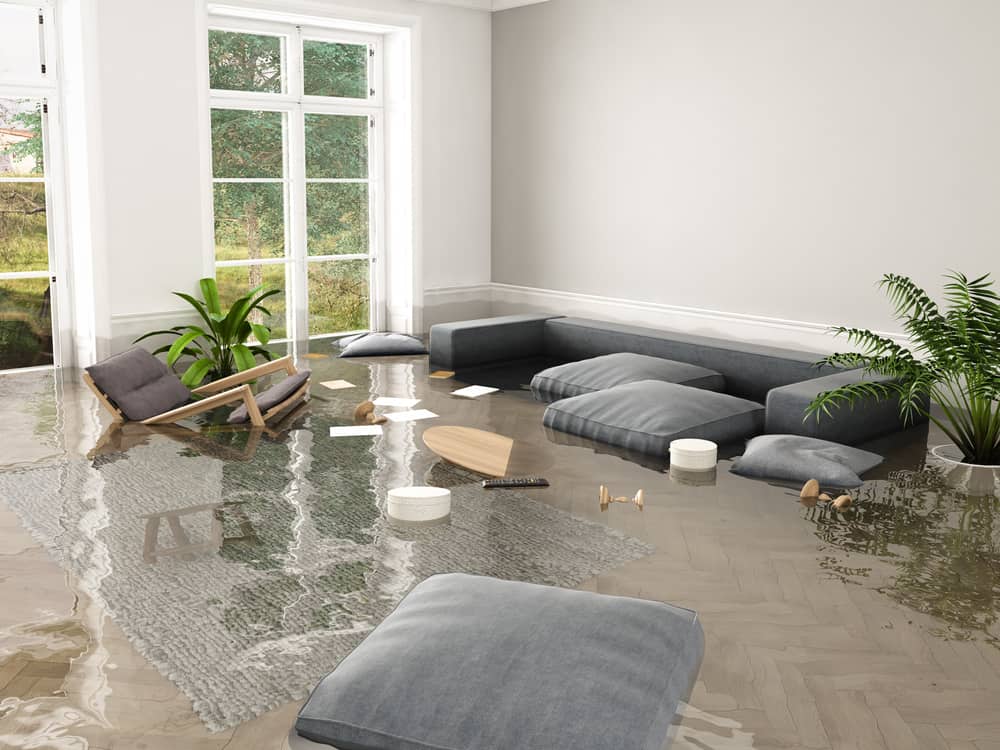
24/7 Water Damage Restoration Brookville, NY
It starts with a call. Whether it’s a burst pipe at midnight, a flooded basement during a nor’easter, or a slow leak discovered after returning from a few weeks away, someone picks up and we get moving. We operate around the clock because water damage in Brookville doesn’t follow business hours and the 24-to-48-hour window before mold begins to develop is not forgiving.
Once on-site, we assess the full scope of the damage using moisture meters and thermal tools to map where water has traveled including inside walls, under flooring, and into structural cavities. This matters especially in Brookville’s older homes, where water can wick into original plaster or travel along subfloor systems that weren’t built with modern drainage in mind.
Extraction equipment removes standing water, then commercial air movers and dehumidifiers begin the structural drying process, typically running for several days until moisture readings reach acceptable levels. From there, we move into any needed repairs and reconstruction. Because the Village of Brookville requires permits for structural work, we coordinate accordingly so nothing gets started that creates a compliance issue down the line. Every phase is documented, which matters when it’s time to work through your insurance claim.
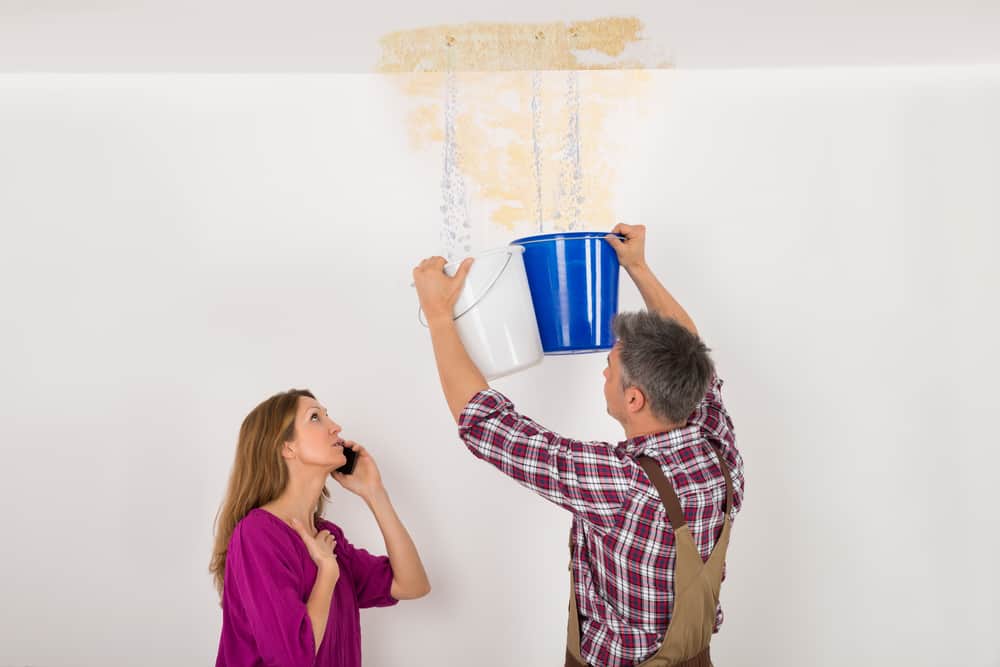
Ready to get started?
Burst Pipe Water Damage Brookville, NY
Our water damage restoration in Brookville covers the full scope from emergency water removal and basement water extraction to structural drying, dehumidification, mold prevention treatment, and reconstruction when structural repairs are needed. The scope is determined by what the property actually needs, assessed on-site and documented throughout.
For Brookville homeowners, a few specific scenarios come up regularly. Burst pipe water damage is one of the most common especially in late winter, when pipes that held through the coldest stretch finally give way during a thaw, or in homes that were vacant while the owners were traveling. Sump pump failures during nor’easters are another recurring situation, particularly in the late winter and early spring window when North Shore groundwater levels rise sharply and power outages can knock out pumps at the worst possible moment.
Storm damage restoration after heavy rain events which can overwhelm drainage on large Brookville lots and drive water through foundation cracks or window wells rounds out the most common calls we handle in this area. We handle direct insurance billing, managing the documentation and communication with your insurance company so you’re not left managing that on top of everything else. For a high-value Brookville claim, that coordination is not a small thing it affects what gets covered and how the settlement is calculated.

Does homeowners insurance cover water damage in Brookville, NY?
Standard homeowners insurance generally covers water damage that is sudden and accidental a burst pipe, an appliance that fails, a roof breach from a storm. What it does not cover is flooding. If water enters your Brookville home from the ground up through a sump pump failure, rising groundwater, or storm surge that falls under flood damage, which requires a separate flood insurance policy through the National Flood Insurance Program or a private insurer.
The distinction matters a great deal in Brookville, where late winter and early spring groundwater conditions can push water into basements in ways that look like a plumbing failure but are technically classified differently by insurers. It also matters for claims involving gradual damage a slow leak that went undetected for weeks may be denied on the grounds that it wasn’t sudden or that the homeowner failed to maintain the system.
Having a certified restoration company document the damage properly from the start gives you the strongest possible position when the adjuster reviews your claim. We handle that documentation and work directly with your insurer throughout the process.
How quickly does mold start growing after water damage in a basement?
The EPA is clear on this: mold can begin developing within 24 to 48 hours of water damage under the right conditions. In a finished Brookville basement where humidity tends to be higher, airflow is limited, and organic materials like drywall, wood framing, and carpet are present those conditions are almost always right. Visible mold may not appear for 48 to 72 hours, but microscopic growth starts earlier than that.
This is why the response window matters so much. Consumer-grade fans and wet-vacs can remove surface water, but they don’t reach moisture inside walls, beneath flooring, or within structural cavities. That hidden moisture is exactly what becomes a mold problem weeks later. We use industrial extraction and drying equipment specifically because it addresses what you can’t see not just what’s visible on the floor. In a home where a single room’s finishes represent a significant investment, getting ahead of that window is not optional.
What causes basement flooding in North Shore Nassau County homes?
The most common causes in Brookville and the surrounding North Shore area fall into a few categories. Sump pump failure is at the top of the list especially during nor’easters, when heavy rain saturates already-high groundwater levels and power outages disable pumps exactly when they’re working hardest. Burst pipes are a close second, particularly in older homes with aging cast-iron or galvanized steel supply lines, or in properties that were vacant during a cold stretch and didn’t have adequate heat maintained throughout.
Foundation cracks and window well drainage failures are also frequent culprits in this area. Brookville’s large lots have complex drainage systems underground irrigation, grading that channels runoff toward the home, and foundation walls that may be decades old. When those systems are stressed by a major storm or a sustained rain event, water finds its way in. The North Shore’s groundwater dynamics, combined with the age and scale of many Brookville properties, create a specific set of conditions that are different from what you’d find in a more recently developed South Shore community.
How long does water damage restoration typically take for a Brookville property?
The timeline depends on the scope of the damage, but here’s a realistic breakdown. Water extraction typically takes one to three days. Structural drying where commercial dehumidifiers and air movers run continuously until moisture readings return to acceptable levels usually takes three to five days for most homes. If there’s reconstruction involved, such as replacing drywall, flooring, or structural elements, that phase can extend the total timeline to two to three weeks for a typical basement flood.
For larger Brookville properties, the timeline can be longer. A home with a finished basement spanning several thousand square feet, or a property with complex mechanical systems and custom finishes, takes more time to dry thoroughly and restore properly than a standard suburban home. The Village of Brookville’s building permit requirements for structural work also factor into the schedule any reconstruction that requires a permit needs to be coordinated with the village Building Department before that phase begins. We handle that coordination as part of the overall project.
What should I do immediately after discovering water damage in my home?
The first thing is to stop the source if you can shut off the water supply if it’s a burst pipe or appliance failure. Then call a restoration company before you call your insurance company. Having a certified restoration team document the damage before anything is moved or dried gives you far stronger documentation for your claim. An adjuster reviewing a properly photographed, moisture-mapped assessment reaches a different conclusion than one reviewing a scene where the homeowner already cleaned up and dried things out.
Do not rely on household fans or a single dehumidifier to handle the drying. They’re not built for this. In a Brookville home where water can travel through original plaster, beneath radiant-heated floors, or into wall cavities behind custom millwork surface drying is not the same as structural drying. The moisture that stays hidden is what causes the mold problem you’ll be dealing with two months from now. Call us, get a proper assessment, and let the documentation work in your favor from the start.
How does First Response Restoration & Cleaning handle water damage insurance claims for Brookville homeowners?
We work directly with your insurance company that means handling the documentation, the communication with adjusters, and the direct billing so you’re not caught in the middle trying to manage a claim while also managing a damaged home. This is standard practice for us and has been for nearly 30 years of working with Long Island homeowners and their insurers.
For Brookville specifically, this matters more than it might in a lower-value market. Water damage claims on properties worth several million dollars are not routine interactions. The gap between a properly documented claim and an underdocumented one can be significant especially when the damage involves high-end finishes, custom architectural details, or complex mechanical systems that are expensive to match and restore. Our IICRC-certified process produces the kind of documentation that insurance adjusters recognize and accept, which means your claim reflects the actual scope of the damage rather than a lowball assessment of what it takes to restore a home of this caliber.
Useful Links
Other Services we provide in Brookville