
Water Damage Restoration in Centre Island, NY
When the Causeway Floods, Every Hour Counts
Hear from Our Customers

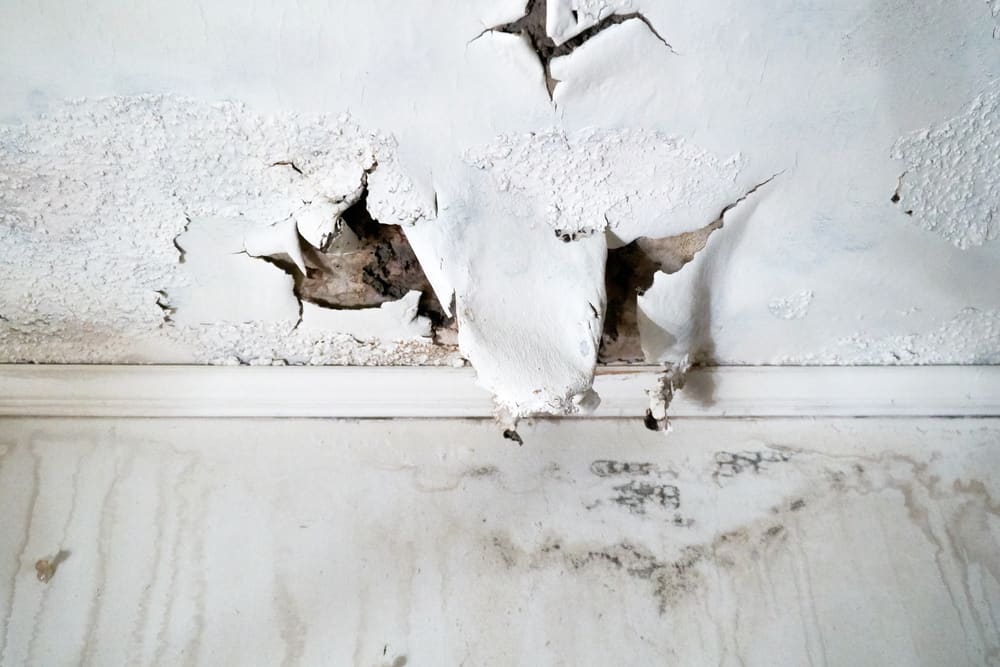
Flood Restoration, Centre Island NY
When flooding hits a property on Centre Island, the damage rarely stops at what you can see. Water moves into wall cavities, under original hardwood floors, behind plaster, and into the structural framing of homes that were built decades ago some of them close to a century old. By the time the surge recedes and the road reopens, moisture has already been sitting for hours. That gap matters, because the EPA is clear: mold can begin developing within 24 to 48 hours of water intrusion.
Our goal isn’t just to remove standing water. We find every pocket of hidden moisture, dry it out completely, and document the entire process so your insurance claim holds up.
Centre Island homeowners face a restoration challenge most other Nassau County communities don’t. The village has no municipal sewer system every home runs on private septic and cesspools. When storm surge or heavy rain overwhelms those systems, what looks like straightforward flooding can involve contaminated water that requires a completely different remediation approach. Knowing the difference between clean water, gray water, and black water contamination isn’t a technicality it determines the entire scope of the job, the health risk to your household, and what your insurance policy will cover.
When the work is done right, you get more than a dry basement. You get a property that’s been properly assessed, documented, and restored with no moisture left behind to become a mold problem three months from now.
Nassau County Water Damage Restoration Experts
We’ve been serving Nassau County homeowners for close to three decades. That’s not a marketing number it means we’ve worked through multiple storm seasons, post-nor’easter emergencies, and the kind of complex restoration situations that come with Long Island’s aging housing stock and its unique coastal geography.
The North Shore communities around Oyster Bay Harbor aren’t unfamiliar territory. We understand the access constraints of Centre Island, the estate-scale properties, the historic building materials, and the private septic systems that complicate every flooding event here. We’ve covered this ground many times over.
We’re IICRC-certified, licensed, bonded, and insured. That combination matters when you’re dealing with a high-value property and a claim that needs to stand up under adjuster scrutiny. We work directly with your insurance company handling the documentation and direct billing so you’re not left coordinating between your insurer and your contractor in the middle of a stressful situation. The Nassau County phone line (516-698-1776) connects you to a real local team, not a national call center trying to dispatch someone from two counties away.
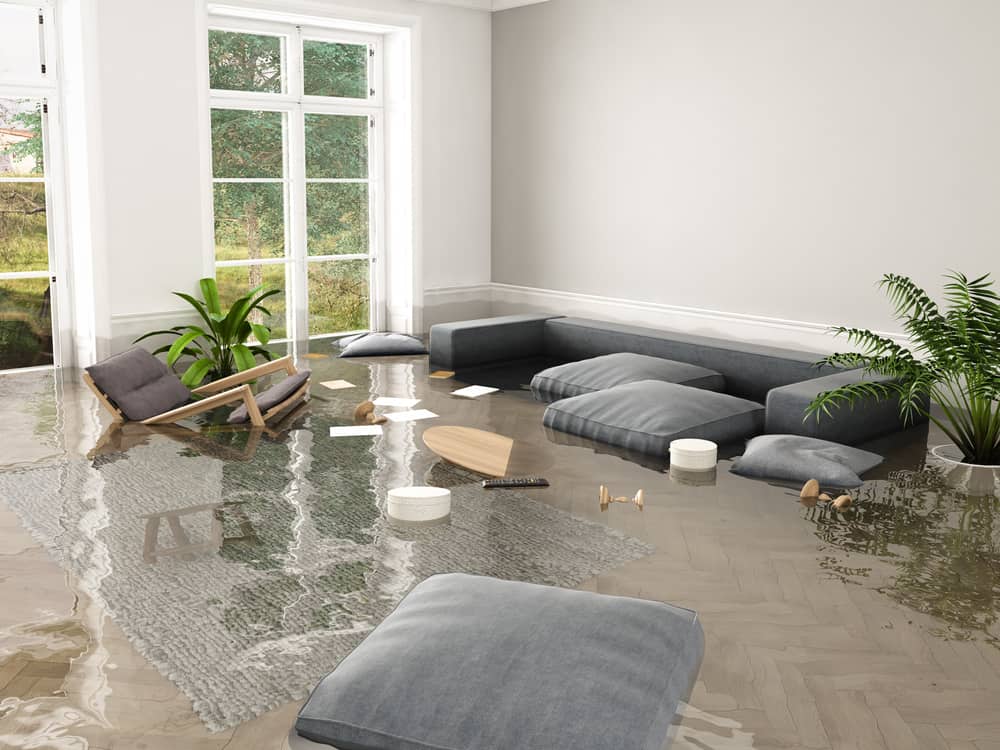
Residential Water Damage Repair, Centre Island NY
The first call starts the clock. Even if the causeway is still impassable after a storm event, that call gets the process moving we brief the team, stage equipment, and give you real guidance on what to do in the meantime to limit further damage. The moment access via Centre Island Road and Bayville Avenue is restored, we mobilize immediately.
On arrival, our first priority is a thorough assessment not a visual scan, but a full moisture mapping of the structure using professional-grade equipment that reads moisture levels inside walls, under floors, and in areas you can’t see. For homes in Centre Island, this step also includes evaluating whether the flooding involved any contact with the private septic system, which can change the contamination category of the water and the entire remediation protocol.
From there, the process moves through water extraction, structural drying with industrial-grade dehumidifiers and air movers, antimicrobial treatment where needed, and complete documentation of every step. If reconstruction is required drywall, flooring, structural repairs we handle that too, through the Centre Island Village Building Committee permitting process. Everything is coordinated through one point of contact, from the initial emergency call through the final inspection, so you’re not managing a roster of different contractors while your home is mid-restoration.

Ready to get started?
Burst Pipe and Storm Damage Restoration, Centre Island
Water damage restoration in Centre Island covers a wider range of scenarios than most people expect before they’re dealing with one. Storm surge flooding from Oyster Bay Harbor or Long Island Sound is the most dramatic, but the more common calls come from burst pipes especially in large estate homes where unoccupied wings, outbuildings, or pool houses may not be heated consistently through a Long Island winter.
A single burst pipe in a 6,000-square-foot home can release a significant volume of water before anyone discovers it. The damage profile in a property with original plaster walls and antique hardwood floors is very different from a standard suburban house.
We handle emergency water removal, basement water extraction, structural drying and dehumidification, mold prevention treatment, content protection and documentation, and complete reconstruction when structural repairs are needed. For Centre Island properties, reconstruction work requires permits from the Centre Island Village Building Committee not Nassau County or the Town of Oyster Bay and we’re familiar with that process.
Flood restoration after a nor’easter or hurricane surge event also involves a careful assessment of what type of water you’re dealing with. On a peninsula without municipal sewer infrastructure, the contamination profile of floodwater can be elevated, and the remediation protocol adjusts accordingly. Every job is documented to IICRC standards, which is what insurance companies require when reviewing claims on high-value properties. From the first extraction to the final walkthrough, our goal is a property that’s genuinely restored not just dried out.

Does homeowners insurance cover water damage from storm surge in Centre Island?
This is one of the most important questions to understand before you need to file a claim, because the answer depends on how the water entered your home not just that it flooded. Standard homeowners insurance typically covers sudden, accidental water damage from internal sources like burst pipes or appliance failures. It does not cover flooding from external sources like storm surge, rising groundwater, or overflow from Oyster Bay Harbor.
For that type of damage, you need a separate flood insurance policy, typically through the National Flood Insurance Program. Centre Island sits in FEMA-designated flood hazard zones, and given the village’s exposure on three sides to open water, flood insurance is not optional for most waterfront properties it’s a requirement tied to mortgage agreements.
If you’re unsure what your current policies cover, the most useful thing you can do before filing a claim is have the damage professionally assessed and documented. A thorough IICRC-standard assessment creates the paper trail that gives your adjuster what they need to process the claim correctly, whether it falls under homeowners or flood coverage.
How does the single-road access to Centre Island affect emergency response timing?
It’s a real factor, and it’s one of the defining challenges of water damage restoration on Centre Island. Centre Island Road connects to Bayville Avenue at the village gatehouse, and that’s the only way in or out. During and immediately after a surge event, if the causeway floods, no vehicles can reach the island not restoration crews, not anyone.
The gap between when flooding starts and when a crew can physically arrive may be longer here than in any other Nassau County community. The 24 to 48-hour window before mold can begin developing is already partially consumed by the time access is restored.
The right response to this reality is to call immediately even if the road is still impassable. We can walk you through what to do in the meantime to limit further damage, stage the right equipment in advance, and mobilize the moment conditions allow. That preparation in the first hours is not a minor detail. It directly affects how much of the restoration is mold remediation versus straightforward drying.
My Centre Island home has a private septic system does that change the restoration process?
Yes, and it’s one of the most important distinctions between water damage restoration in Centre Island and most other Long Island communities. Because the village has no municipal sewer system, every home manages wastewater through private septic systems and cesspools. When flooding occurs particularly storm surge or heavy groundwater saturation there is a real risk that floodwater has mixed with septic contamination.
That changes the water from a Category 1 or Category 2 situation into a Category 3, which the IICRC defines as highly contaminated water requiring a completely different remediation protocol. Category 3 water sometimes called black water involves pathogens and contaminants that require full protective protocols for the crew, specific antimicrobial treatments, and in many cases the removal and disposal of porous materials that absorbed the contaminated water.
You cannot treat a Category 3 flooding event the same way you treat a burst pipe. Our IICRC-certified technicians perform proper water categorization on every job, which is not a formality it’s the step that determines the health risk to your household and what the remediation scope actually needs to be.
How long does water damage restoration typically take for a large estate home?
The honest answer is that it depends on the size of the affected area, the category of water involved, and whether the damage has reached structural materials. For a moderate water damage event say, a burst pipe that affected one or two rooms the drying phase alone typically takes three to five days using professional-grade dehumidifiers and air movers. A complete restoration from initial extraction through final repairs generally runs around two to three weeks for most homes.
For more extensive flooding that reaches structural materials or triggers mold growth, the timeline can extend significantly. For the estate-scale properties that make up Centre Island’s housing stock, the square footage and complexity of the building add time to every phase. A 6,000-square-foot home with multiple levels, finished basements, and original building materials takes longer to moisture-map, longer to dry completely, and longer to reconstruct than a standard suburban house.
If reconstruction requires permits from the Centre Island Village Building Committee, that approval process adds a step that doesn’t exist in most other communities. We’ll give you a realistic timeline after the initial assessment not a number designed to get you to sign on, but an honest projection based on what the job actually looks like.
What should I do immediately after discovering water damage in my home?
The most important thing is to call a restoration professional right away before you start pulling up wet carpet, running household fans, or assuming the damage is contained. Consumer-grade fans and wet-vacs don’t reach moisture inside walls, under floors, or in structural cavities, and surface-level drying can give a false sense that the problem is handled when hidden moisture is still sitting in the framing.
That hidden moisture is what becomes a mold problem weeks later. While you’re waiting for the crew to arrive, there are a few things that genuinely help. If it’s safe to do so, stop the water source shut off the supply valve if it’s a burst pipe, or close any openings contributing to water entry. Move valuables, documents, and electronics out of the affected area. Take photos of everything before anything is moved or dried that documentation matters for your insurance claim.
If you’re in Centre Island and the causeway is still impassable after a storm event, call us anyway. We can advise you in real time on what to do while access is being restored, which is far better than waiting in silence and losing more of that critical 24 to 48-hour window.
How does First Response Restoration & Cleaning handle the insurance claim process for Centre Island homeowners?
We work directly with your insurance carrier handling the documentation, the adjuster coordination, and the direct billing so you’re not caught in the middle. For Centre Island homeowners, this matters more than it does in most markets. Water damage claims on estate properties here are not small claims. Depending on the scope of the damage, you could be looking at a claim that involves your homeowners policy, a separate flood policy, and potentially an umbrella policy each with its own adjuster and documentation requirements.
What makes that process go smoothly is having IICRC-standard documentation from the very first assessment forward. That means a written moisture map, photographs of all affected areas, a clear categorization of the water type, and a documented scope of work. Insurance adjusters are trained to look for this specific documentation when reviewing claims, and a restoration company that doesn’t produce it creates gaps that adjusters use to reduce or deny claims.
Our nearly 30 years of Nassau County experience includes navigating complex, high-value insurance claims the kind that come with the estate properties and multi-policy situations that are common in a community like Centre Island.
Useful Links
Other Services we provide in Centre Island