
Water Damage Restoration in East Meadow, NY
East Meadow's Aging Homes and High Water Table Demand More Than Surface-Level Fixes
Hear from Our Customers

Flood Restoration East Meadow, NY
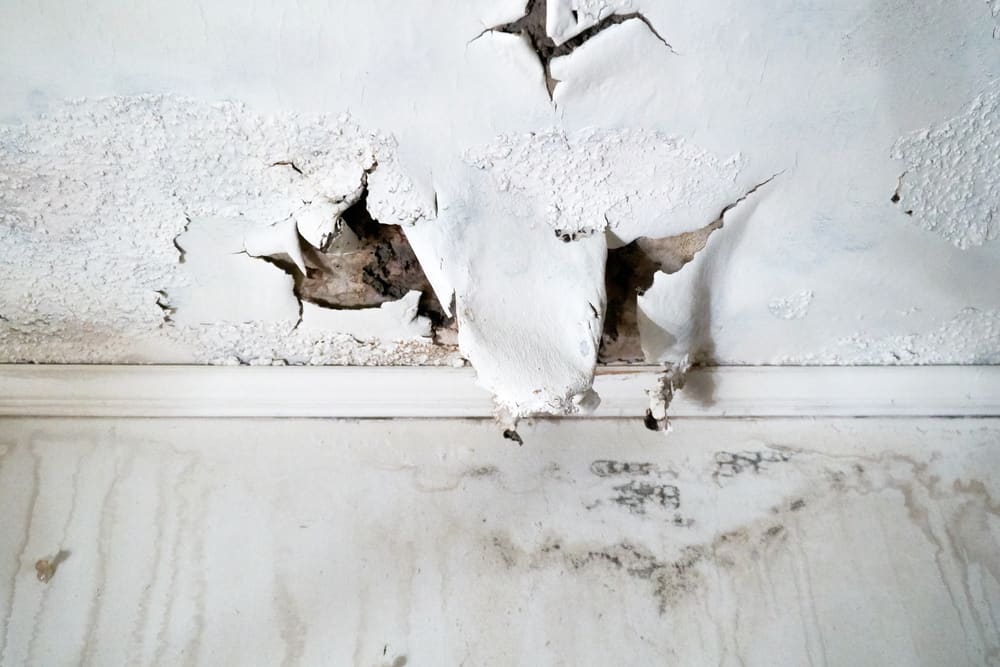
The flat terrain of East Meadow’s former Hempstead Plains wasn’t designed with drainage in mind. When a heavy storm rolls through or the ground saturates from snowmelt, that water has nowhere to go but down and eventually, up through your foundation. The result isn’t always a dramatic flood. Sometimes it’s two inches of standing water in a finished basement. Sometimes it’s moisture you can’t see, sitting inside your drywall or under your flooring, quietly setting the stage for mold within 24 to 48 hours.
What proper water damage restoration actually gives you is certainty. Not just a dry floor, but the confidence that moisture has been pulled from every cavity it reached behind baseboards, under the subfloor, inside the wall cavities of your 1950s Cape Cod or split-level. That’s what industrial-grade drying equipment and moisture mapping accomplish that no consumer-grade setup can.
For East Meadow homeowners, where the median home was built in 1956 and values are now approaching $650,000, the stakes of cutting corners are real. A hidden moisture problem that gets missed today becomes a mold remediation job six months from now and a much harder conversation with your insurance company. Getting it right the first time protects your home, your health, and the investment you’ve built here.
Residential Water Damage Repair Nassau County
We’ve been handling water damage restoration across Nassau and Suffolk counties for nearly three decades. That’s not a marketing line it’s what separates a company that has actually worked through post-storm surges, aging-pipe failures, and Nassau County insurance claims from one that opened a franchise location a few years ago and learned the territory from a training manual.
East Meadow sits squarely within the Nassau County coverage area we’ve been serving since before most of the national franchise brands operating on Carman Avenue and Hempstead Turnpike even existed here. We know what the soil under this hamlet does after three inches of rain in a single afternoon. We know how water moves through a 1957 ranch with original plaster walls and galvanized supply lines. And we know what Nassau County insurance adjusters need to see in the documentation to process a claim without a fight.
We are IICRC-certified, licensed, bonded, and insured. When you call the 516 number, you’re reaching a Nassau County operation not a national call center routing your emergency to whoever’s available.
Basement Water Extraction East Meadow, NY
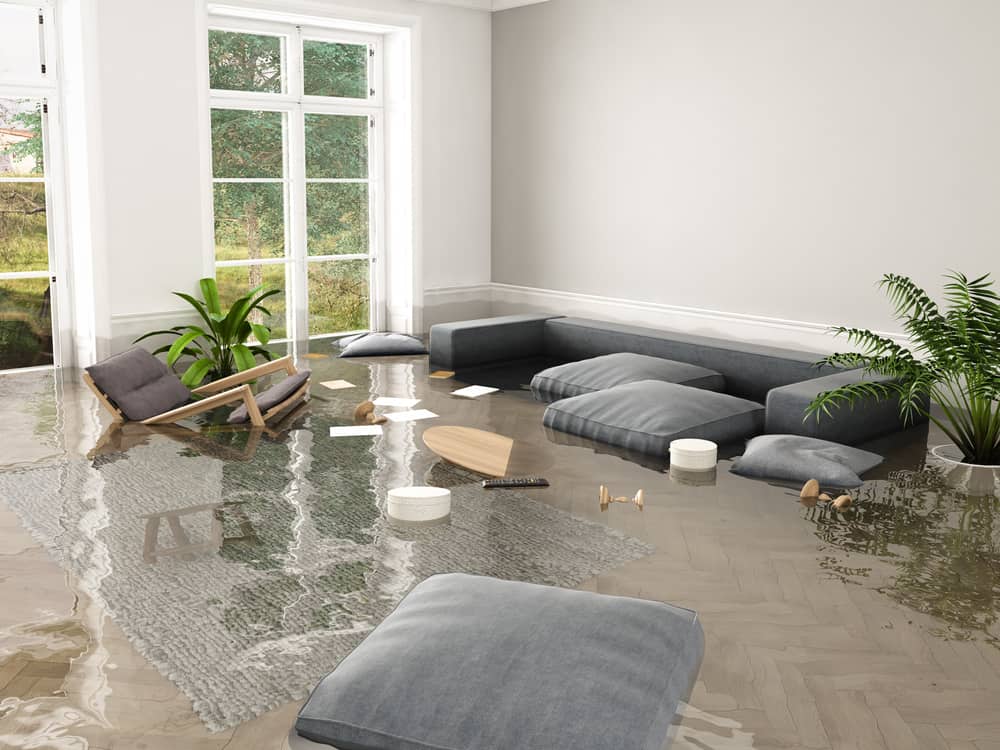
When you call First Response Restoration and Cleaning Inc., the first priority is getting someone to your East Meadow home fast. Water damage doesn’t pause while you wait for a callback. The clock on mold growth starts within 24 hours of moisture exposure, and in a hamlet where the water table is already elevated, standing water in a basement can worsen quickly.
A technician arrives, assesses the full scope of the intrusion not just what’s visible and begins extraction immediately using industrial water removal equipment. After extraction comes the phase most companies underperform: structural drying. In East Meadow’s postwar homes, moisture doesn’t stay on the surface. It wicks into original hardwood floors, plaster walls, and the insulation packed into exterior wall cavities built to 1950s standards.
We use moisture meters and thermal imaging to locate hidden saturation, then position commercial air movers and dehumidifiers to draw that moisture out over the following days. Progress is monitored and documented throughout not assumed. Once the structure is confirmed dry, we handle any necessary repairs: drywall removal and replacement, flooring restoration, subfloor work, and mold prevention treatment where needed.
Because East Meadow falls under Town of Hempstead jurisdiction, any structural repairs that require permits are handled with that process in mind. Throughout every phase, we coordinate directly with your insurance company handling the documentation and billing so you’re not stuck in the middle.

Ready to get started?
Burst Pipe Water Damage East Meadow, NY
Water damage in East Meadow comes from a few distinct sources, and each one requires a different approach. Burst pipe water damage common in the hamlet’s aging galvanized supply lines is typically a Category 1 clean water event, but it can escalate quickly if the pipe ran undetected for hours while you were at work or asleep.
Flooded basement cleanup after a sump pump failure during a nor’easter involves groundwater that may carry soil contaminants, pushing it into Category 2 territory. Sewage backup is Category 3 the most hazardous and requires full containment and antimicrobial treatment before any drying begins.
Storm damage restoration after a major weather event, like the record rainfall Nassau County experienced in August 2024, often means multiple failure points at once: an overwhelmed sump, water entering through foundation cracks, and moisture seeping under exterior doors simultaneously. We assess all of it, not just the most obvious entry point.
Our service covers water extraction, structural drying, moisture mapping, mold prevention treatment, contents documentation for insurance purposes, and full reconstruction through to finished repairs. No named packages or tiers the scope is determined by what your home actually needs, documented in a way that supports your insurance claim from day one. If your homeowners policy covers the event, we bill your insurer directly. You deal with the disruption; we deal with the paperwork.

Does homeowners insurance cover basement flooding in East Meadow, NY?
It depends entirely on where the water came from and that distinction matters more in East Meadow than in many other communities. Standard homeowners insurance covers sudden, accidental water damage from internal sources: a burst pipe, a failed water heater, a washing machine hose that let go. If your basement flooded because a 65-year-old galvanized supply line finally gave out, that’s typically a covered event.
What standard homeowners insurance does not cover is groundwater intrusion water that entered your basement because the water table rose after a storm and pushed through your foundation. That’s flooding in the insurance definition, and it requires a separate flood insurance policy through the National Flood Insurance Program. East Meadow’s high water table and flat terrain mean this distinction comes up frequently here.
If you’re unsure which type of event caused your damage, the documentation we create during the assessment water category classification, moisture mapping, source identification is exactly what your adjuster will need to make that determination. Getting that documentation right from the start is often the difference between a paid claim and a denied one.
How long does water damage restoration typically take for an East Meadow home?
For a typical East Meadow basement flooding event sump pump failure, burst pipe, or storm-related groundwater intrusion the drying phase alone usually runs three to five days with commercial equipment running continuously. That’s the non-negotiable part. Pulling moisture out of the structure takes time, and rushing it by pulling equipment early is one of the most common reasons homeowners end up with a mold problem weeks later.
After drying is confirmed complete through moisture readings, the repair phase begins. In a 1950s or 1960s East Meadow home, that often means replacing original drywall or plaster that absorbed water, addressing hardwood or tile flooring, and sometimes dealing with subfloor damage beneath finished basement spaces. A moderate event with contained damage might wrap up in two weeks total. More extensive situations particularly if mold is found during the drying phase or if structural elements were affected can run longer.
We give you a realistic scope assessment at the start, not an optimistic estimate that shifts as the job progresses.
Why does my East Meadow basement keep flooding even without a major storm?
This is one of the most common questions from East Meadow homeowners, and the answer usually comes down to two things: the water table and the age of your foundation. East Meadow sits on the flat terrain of the former Hempstead Plains, where natural drainage is minimal. The water table in this part of Nassau County sits close to the surface year-round, and even moderate rainfall the kind that doesn’t make the news can raise it enough to push water through hairline foundation cracks, floor drain seals, and the joint between your slab and your block walls.
Foundations built in the 1950s and 1960s weren’t waterproofed to modern standards. The original parging and block construction that was standard in East Meadow’s postwar homes degrades over decades, and what once kept groundwater out no longer does. If your basement takes on water repeatedly without an obvious plumbing failure, you’re likely dealing with chronic hydrostatic pressure groundwater pushing against your foundation from the outside.
A professional moisture assessment can confirm the source and help you understand whether restoration, waterproofing, or both are the right next step.
How fast does mold start growing after a water damage event?
Mold spores can begin germinating within 24 hours of moisture exposure under the right conditions. Visible mold growth typically appears within 48 to 72 hours, but microscopic growth starts earlier than that. In East Meadow’s summer months, when humidity is already elevated and temperatures inside a wet basement can stay warm, those conditions are almost always present.
The EPA is explicit: water-damaged areas need to be dried within 24 to 48 hours to prevent mold from taking hold. This is why the speed of the initial response matters so much not just for limiting water damage, but for preventing a second, more expensive problem. A flooded basement that gets professional extraction and drying started within hours of the event is a very different situation than one where a homeowner runs consumer fans for a few days and assumes the problem is resolved.
Consumer equipment doesn’t reach moisture inside wall cavities or under flooring. If mold is already present when we arrive, the remediation protocol changes containment, HEPA filtration, and antimicrobial treatment are added before any structural drying begins.
What should I do immediately after my basement floods in East Meadow?
The first thing is safety don’t walk into standing water if there’s any possibility that electrical outlets, appliances, or your panel are in contact with it. If you can safely reach your breaker box and cut power to the affected area, do that first. Then call a restoration company before you call your insurance company.
Having a professional on-site to document the damage before anything is moved or cleaned up gives your insurance claim a much stronger foundation. While you’re waiting for the crew to arrive, if it’s safe to do so, move valuables and furniture out of the affected area to limit secondary damage.
Don’t use a standard household wet-vac to try to get ahead of it those machines aren’t built for the volume of water a flooded basement involves, and they won’t touch the moisture that’s already wicked into your walls and floor. In East Meadow, where many basements are finished with drywall, carpet, and wood paneling, the faster professional extraction begins, the more of that finished space can potentially be saved rather than torn out entirely.
Does First Response Restoration and Cleaning Inc. serve all of East Meadow, including areas near Eisenhower Park and Carman Avenue?
Yes we serve all of East Meadow as part of our Nassau County service area, including homes throughout the hamlet whether you’re near Eisenhower Park on the western side, along the Carman Avenue corridor near Nassau University Medical Center, off Hempstead Turnpike, or in the residential streets running between the Meadowbrook and Wantagh Parkways.
East Meadow is fully within the Nassau County coverage area we’ve been serving for nearly 30 years. Response time matters in a water damage situation, and being a Nassau County-based operation not a franchise routing calls through a national dispatch center means we can get to East Meadow homes quickly when it counts.
The 516 number you call connects to people who know this area, know how Nassau County insurance claims work, and have worked in the specific housing stock that makes up this hamlet. Whether the event is a burst pipe in a Barnum Woods ranch, a sump pump failure during a nor’easter, or water intrusion from a municipal main break on a nearby street, the response is the same: fast, thorough, and fully documented from the first hour.
Useful Links
Other Services we provide in East Meadow