
Water Damage Restoration in East Williston, NY
When a 90-Year-Old East Williston Home Gets Wet, Surface-Level Isn't Enough
Hear from Our Customers

Flood Restoration East Williston, NY
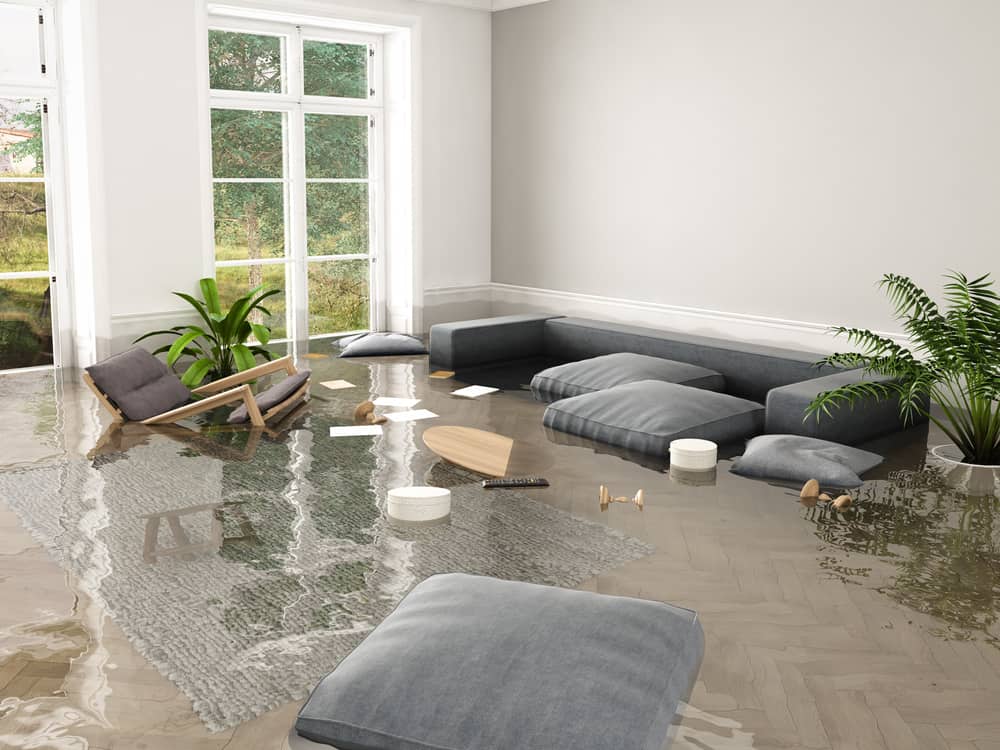
Water damage in East Williston doesn’t always look like what you’d expect. There’s no storm surge here, no bay flooding. What actually puts these homes at risk is a nor’easter that soaks the ground for 36 hours straight, hydrostatic pressure building against a foundation that’s been standing since the 1930s, or a galvanized pipe that finally gives out behind a finished basement wall.
By the time you see water, it’s already been traveling through places you can’t see. That’s the problem with older homes and East Williston has a lot of them. The historic district runs from the 19th century forward. Wheatley Ridge was built in the 1930s. These homes were constructed with wood framing, original plaster, and old-growth lumber that absorbs moisture differently than modern materials.
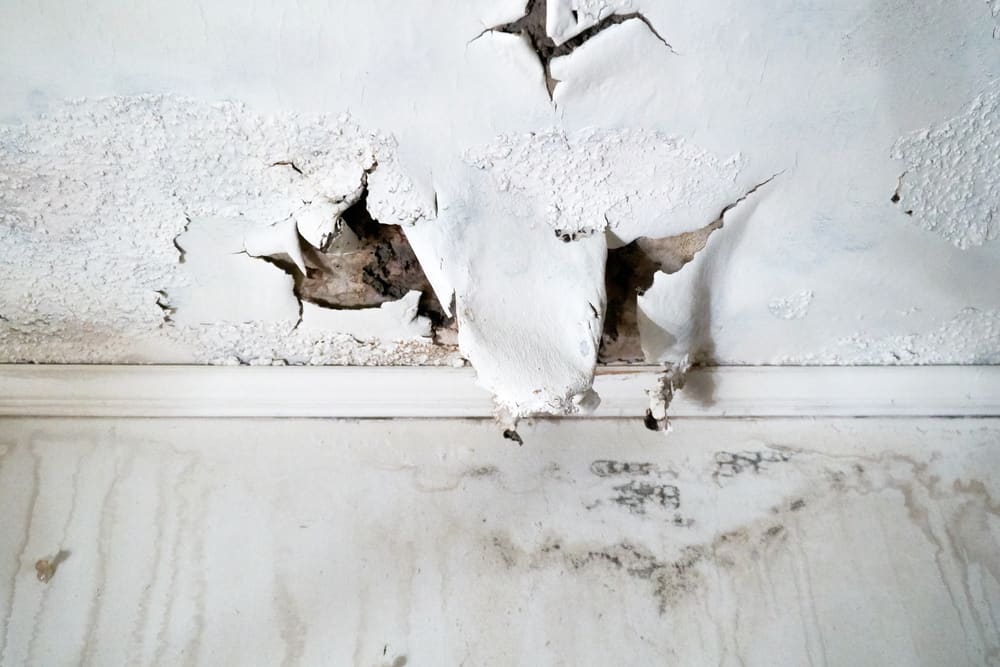
A surface-level dry-out doesn’t reach what’s inside those walls. The moisture that gets left behind is what becomes mold six weeks later. When the job is done right, you’re not just dry you’re documented. Moisture readings, scope of work, photos everything an insurance adjuster in Nassau County needs to process your claim without a fight.
That’s the outcome that actually matters for a home valued above a million dollars.
Residential Water Damage Repair East Williston, NY
We’ve been restoring Long Island homes since before most East Williston residents bought theirs. That’s not a throwaway line it means our team has worked through the same nor’easters, the same winter pipe freezes, and the same spring hydrostatic pressure events that have been stressing Nassau County foundations for decades.
We know how older homes in East Williston behave when water gets in, because we’ve been inside them. Our crews are IICRC-certified, licensed, bonded, and insured and we maintain a dedicated Nassau County line at 516-698-1776. That’s a local team, not a national franchise routing calls through a dispatch center three states away.
When you’re dealing with a water event in a Wheatley Ridge Cape Cod or a Victorian-era home on Hillside Avenue, you want someone who understands the building, not just the category of damage. We also work directly with your insurance company handling documentation, scope, and billing so you’re not left managing that process while also managing a home emergency.
Burst Pipe Water Damage Restoration Nassau County
The call comes in day or night and a crew is dispatched. The first thing that happens on-site isn’t extraction. It’s assessment. We use industrial moisture meters and thermal imaging to identify where water has traveled, not just where it pooled.
In a pre-war East Williston home, that means checking inside wall cavities, under original hardwood floors, behind built-ins, and anywhere the structure’s framing could have absorbed moisture without it being visible from the surface. Once the full picture is clear, water extraction begins. Commercial-grade equipment pulls standing water fast, then the drying phase starts industrial air movers and dehumidifiers positioned specifically for the structure’s layout and the materials involved.
This isn’t a one-size process. A 1930s Wheatley Ridge Cape Cod dries differently than a newer build, and our equipment placement and drying timeline reflect that. Moisture readings are taken throughout and logged for documentation. After drying is confirmed, any mold prevention treatment is applied where needed.
If structural repairs are required drywall, subfloor, framing we coordinate that work through our company, not hand it off. Because New York State’s Article 32 law requires that mold assessment and remediation be handled by separately licensed professionals, we navigate that regulatory requirement for you rather than leaving you to figure it out on your own.
Ready to get started?
Flooded Basement Cleanup East Williston, NY
Water damage restoration in East Williston covers a lot of ground depending on what happened and how long ago. A burst pipe caught quickly is a different scope than a basement that’s been seeping through a foundation crack since a nor’easter two weeks ago.
We handle the full range emergency water removal, structural drying, basement water extraction, mold remediation, and reconstruction under one roof, with one point of contact throughout. For East Williston homeowners, our service goes beyond the physical work. Every job includes direct coordination with your insurance carrier.
The documentation moisture logs, photos, written scope is prepared in the format Nassau County adjusters expect, which matters when your home is worth what homes in this village are worth. A claim that’s properly supported from the start moves faster and closes cleaner. We’re also familiar with the specific regulatory requirements that apply here.
Nassau County’s EHRP/EHRT licensing requirements for mold work, combined with New York State’s Article 32 separation of assessment and remediation, mean there’s a right way to handle mold following water damage and shortcuts that seem faster in the moment can create compliance problems that delay your insurance claim or complicate a future home sale. That’s not a risk worth taking on a home in East Williston.

Does homeowners insurance cover water damage from a burst pipe in East Williston?
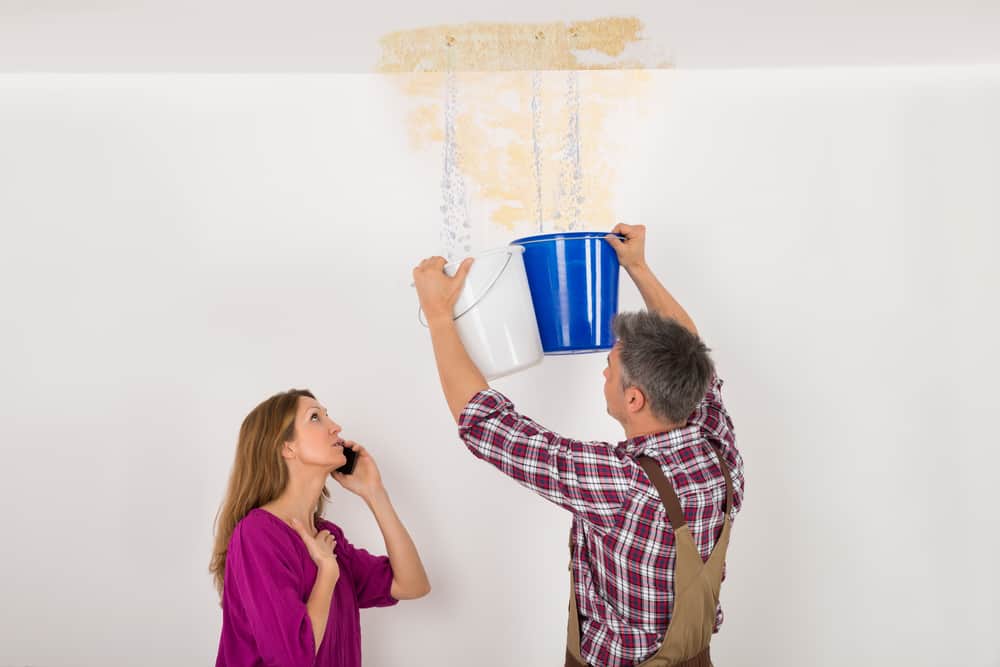
In most cases, yes but the details matter. Standard homeowners insurance typically covers sudden, accidental water damage from internal sources like burst pipes, failed appliances, or an overflowing fixture. What it doesn’t cover is flooding from outside the home, which requires a separate flood insurance policy, or damage that resulted from a slow leak that went unaddressed over time.
Insurance companies will look at the cause and the timeline when evaluating a claim. For East Williston homeowners, this distinction is especially relevant in winter. When a pipe freezes and bursts overnight, the damage is typically covered as a sudden event. But if an adjuster finds evidence that the pipe had been showing signs of failure corrosion, previous patching, visible deterioration they may argue the damage was foreseeable and deny part of the claim.
Proper documentation from an IICRC-certified restoration company, completed from the moment the crew arrives, gives your claim the strongest possible foundation and reduces the chance of a dispute.
How fast does mold start growing after water damage in a home?
Mold spores can begin germinating within 24 hours of a water event under the right conditions. Visible growth typically appears within 48 to 72 hours, but microscopic colonization starts earlier than that especially in materials that retain moisture, like the original wood framing and plaster common in East Williston’s older homes.
By the time you can see mold, it’s already been establishing itself inside the structure for days. This is why the response window matters so much. A nor’easter that saturates the ground and pushes water through a 1930s foundation on a Tuesday night isn’t something you assess on Thursday morning and schedule for next week.
The 24-to-48-hour window is real, and it applies whether the water came from a burst pipe, a failed sump pump, or hydrostatic pressure against an aging basement wall. Getting professional drying equipment into the structure quickly equipment that reaches inside wall cavities and under flooring, not just the surface is what keeps a water event from becoming a mold remediation project.
What's the difference between water damage restoration and just drying things out?
Drying things out is one step in a multi-phase process it’s not the whole job. Professional water damage restoration starts with identifying exactly where moisture has traveled using thermal imaging and moisture meters, not just where water is visible.
In a home with original plaster walls, old-growth hardwood floors, and decades-old framing which describes a lot of East Williston’s housing stock moisture migrates into building cavities that look completely dry from the outside. After extraction and structural drying, the process includes antimicrobial treatment where mold risk is elevated, documentation of all moisture readings and drying progress for insurance purposes, and coordination of any structural repairs needed drywall, subfloor, framing before the space can be considered fully restored.
If mold is present or suspected, New York State law requires that assessment and remediation be handled by separately licensed professionals, which adds a regulatory layer that a proper restoration company navigates for you. Skipping any of these steps doesn’t save money it creates problems that surface later, often at a higher cost.
My East Williston home was built in the 1930s does that change how restoration works?
It does, in a few meaningful ways. Pre-war homes like those in Wheatley Ridge were built with materials and construction methods that behave differently under moisture exposure than modern builds. Original horsehair plaster absorbs and holds moisture differently than drywall. Old-growth lumber framing is denser and dries more slowly.
Galvanized steel pipes standard in homes built before the 1960s corrode from the inside out, meaning a visible leak may have been developing behind a wall for longer than the event you’re responding to. Equipment placement and drying timelines have to account for these differences.
A restoration crew that treats a 1930s Cape Cod the same way they’d treat a 1990s colonial is going to leave moisture behind and in a home with this much original material, that moisture has plenty of organic matter to feed mold growth. Our nearly 30 years of Long Island restoration experience includes working in exactly this kind of housing stock, which is why the assessment phase in an older home is more detailed, not less.
How long does water damage restoration typically take from start to finish?
It depends on the scope, but a realistic framework helps. For a moderate event a burst pipe that affected one or two rooms water extraction typically takes one to three days, followed by a structural drying phase of three to five days. Total restoration, including any repairs, averages around two weeks for most residential jobs.
More extensive damage involving multiple rooms, finished basement flooding, or any structural compromise can extend that timeline significantly. In East Williston, the seasonal timing can also affect the process. A nor’easter event in February or March when ground saturation is already high from snowmelt and the soil has limited capacity to absorb additional water can mean the source of moisture is ongoing until drainage conditions improve.
That affects how drying is managed and how long the active phase of restoration runs. The assessment at the start of the job gives you a realistic timeline based on what’s actually happening in your specific home, not a generic estimate.
Do I need to leave my home during water damage restoration in East Williston?
Not always it depends on where the damage is, how extensive it is, and whether mold is involved. For a contained event like a burst pipe in a finished basement or a laundry room overflow, most families can remain in the home while restoration equipment runs. The industrial dehumidifiers and air movers are loud and will be running continuously, but the living areas of the home are typically unaffected.
If the damage is more widespread, or if mold remediation is part of the scope, temporary relocation may be recommended particularly if the affected area includes HVAC systems that could circulate spores through the home. Under New York State’s Article 32 mold law, remediation work requires containment protocols that can limit access to portions of the home during the active phase of work.
We’ll walk you through what to expect before work begins, so you’re not making decisions about your family’s living situation without a clear picture of what the job actually involves.
Useful Links
Other Services we provide in East Williston