
Water Damage Restoration in Glenwood Landing, NY
When Hempstead Harbor and the Hills Both Push Water Your Way
Hear from Our Customers

Flood Restoration Glenwood Landing, NY
When water gets into a Glenwood Landing home, the damage rarely stops at the surface. It moves into walls, under floors, behind finished basement panels places you can’t see and a box fan will never reach. What professional water damage restoration actually delivers is not just a dry floor. It’s the certainty that the moisture is gone, documented, and won’t come back as a mold problem three months from now.
Glenwood Landing’s hillside streets are part of what makes the neighborhood feel like the North Shore it is. They’re also part of why basements flood. During heavy rain, stormwater from higher-elevation roads flows fast and hard toward lower-lying properties, overwhelming sump pumps and drainage systems that were installed decades ago in homes that weren’t designed for today’s rainfall intensity. The Glen Head–Glenwood–Greenvale Civic Council formally flagged the area’s stormwater infrastructure as inadequate as recently as 2025. That’s not an abstract concern it’s your basement.
Then there’s Hempstead Harbor. Coastal storms and nor’easters push water inland along the North Shore, and Shore Road properties and harbor-adjacent homes sit directly in that path. The combination of hillside runoff from above and tidal exposure from the west is a dynamic that most restoration companies don’t think about when they’re dispatching a crew from a national call center. We’ve been working in Nassau County for nearly 30 years, and that kind of local knowledge shows up in how the job gets done.
24/7 Water Damage Restoration Glenwood Landing, NY
First Response Restoration & Cleaning Inc. is based in West Babylon and has been serving Nassau County homeowners for close to three decades. That’s not a marketing number it’s a track record built one job at a time, in communities exactly like Glenwood Landing, where the homes are older, the infrastructure has history, and the people who live there have real stakes in getting the work done right.
We are IICRC-certified, which matters more than most homeowners realize. It means the restoration process follows documented industry standards the kind that insurance adjusters recognize, accept, and expect. It also means the technicians showing up at your door have been trained specifically in water damage restoration, not just general contracting. We are licensed, bonded, and insured, and we handle direct insurance billing so you’re not stuck managing paperwork between your insurer and us while your home is still wet.
Whether the call comes at 2 AM after a pipe finally gives out in a 1960s colonial off Shore Road, or mid-afternoon after a coastal storm pushes water into a harbor-adjacent property in Glenwood Landing, the response is the same: available, equipped, and ready.
Basement Water Extraction Glenwood Landing, NY
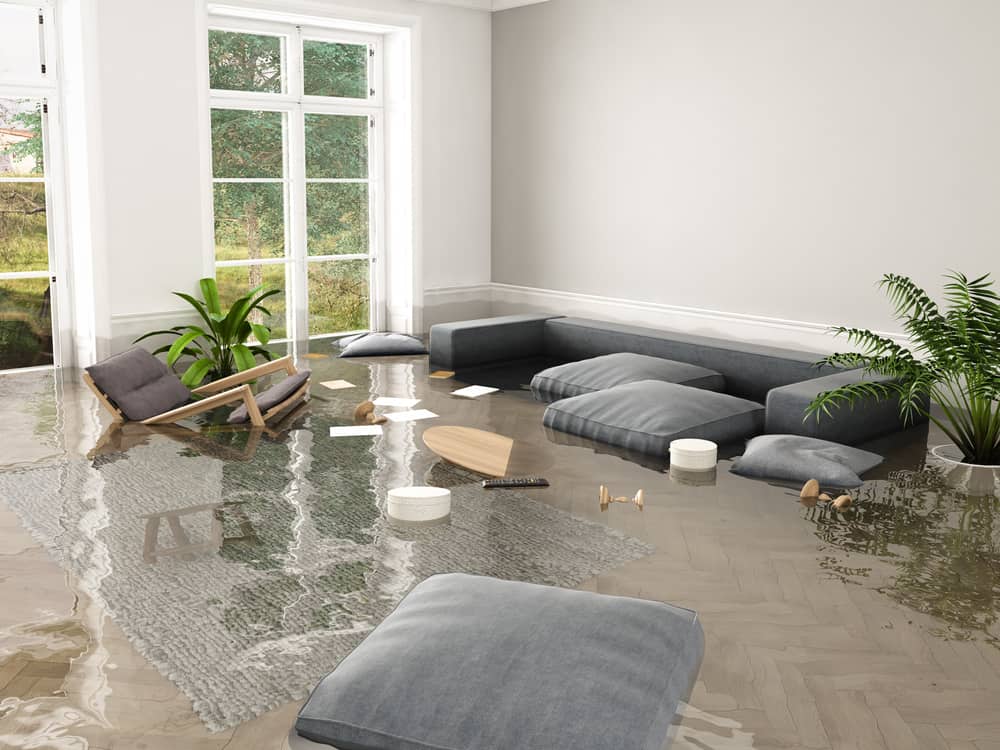
The process starts the moment you call. We dispatch a certified technician to your Glenwood Landing property, assess the full scope of the damage, and begin water extraction immediately. Industrial-grade pumps and wet-vacs pull out standing water fast far beyond what any consumer equipment can do and that speed matters because the EPA’s guidance is clear: water-damaged areas need to be dried within 24 to 48 hours to prevent mold growth.
Once the standing water is gone, the real work begins. Moisture doesn’t stay where you can see it. In the pre-war bungalows and mid-century colonials that make up most of Glenwood Landing’s housing stock, water wicks into original plaster walls, travels under hardwood floors, and settles into structural cavities that look fine from the outside. We use professional moisture meters and thermal imaging to find it all not just the visible damage. Industrial dehumidifiers and air movers are deployed throughout the affected space, and drying progress is monitored until readings confirm the structure is genuinely dry.
From there, any reconstruction whether that’s replacing drywall, restoring flooring, or addressing structural elements is handled by us. There’s no handoff to a second contractor, no coordination headache, and no gap in accountability. For homeowners in Glenwood Landing and the surrounding Nassau County area, any structural repairs will need to comply with Town of Oyster Bay or Town of North Hempstead building requirements depending on where your property sits within the hamlet we’re familiar with both jurisdictions and handle the documentation accordingly.
Ready to get started?
Residential Water Damage Repair Glenwood Landing, NY
Water damage restoration is not a single service it’s a sequence. We cover the full scope: emergency water removal, structural drying, dehumidification, moisture mapping, antimicrobial treatment where needed, contents assessment, and full reconstruction when walls or floors need to come out. For Glenwood Landing homeowners, that range matters because the damage scenarios here aren’t simple. A burst pipe in an aging mid-century home with a finished basement is a different job than a storm-driven flood in a harbor-adjacent property on Shore Road, and the response needs to match the actual situation.
We also handle fire damage restoration, mold remediation, mold inspection, and severe odor treatment relevant for any Glenwood Landing homeowner dealing with a water event that wasn’t caught quickly. If water sat in a wall cavity over a weekend before it was discovered, mold assessment is part of the conversation, not an upsell.
Insurance coordination is built into every job. We work directly with your insurance company documenting the damage, communicating with the adjuster, and billing directly so the process doesn’t fall on you to manage. For homeowners in Glenwood Landing carrying high-value property policies on homes worth $700,000 to over a million dollars, having that documentation handled correctly from the start is not a minor convenience. It’s the difference between a claim that goes through cleanly and one that gets complicated.

Does homeowners insurance cover water damage from basement flooding in Glenwood Landing?
It depends on the source of the water, and that distinction matters a lot. Standard homeowners insurance typically covers sudden, accidental water damage a burst pipe, an appliance that fails, a water heater that gives out. What it does not cover is flooding from an external source, meaning groundwater, storm surge, or water that enters from outside the home. For Glenwood Landing properties near Hempstead Harbor or on lower-elevation streets where hillside stormwater runoff is a real factor, that distinction can be the difference between a covered claim and an out-of-pocket expense.
If your basement flooded because a pipe burst or your sump pump failed during a storm, that’s generally a covered event. If water entered through a foundation crack or came in from the yard during a coastal storm, that typically falls under flood insurance which is a separate policy. The National Flood Insurance Program (NFIP) is the primary source for flood coverage, and not every homeowner in Glenwood Landing carries it. We work directly with insurance companies and can help document the damage in a way that clearly identifies the source which is the first thing an adjuster is going to ask about.
How quickly does mold start growing after a water damage event in my home?
Faster than most people expect. The EPA is clear on this: water-damaged areas need to be dried within 24 to 48 hours to prevent mold growth. Mold spores are already in the air they just need moisture and a surface to land on. In the older homes that make up most of Glenwood Landing’s housing stock, that surface is often original plaster, wood framing, or the paper backing on drywall all materials that absorb moisture quickly and hold it.
The 24 to 48 hour window is not a worst-case estimate. It’s the standard. That’s why the speed of your initial response matters so much. If you discover water damage on a Sunday evening after coming home from a weekend away, waiting until Monday morning to make calls is not a safe option. We’re available 24/7 specifically because water damage doesn’t schedule itself around business hours, and every hour of delay after that window closes increases both the remediation scope and the cost.
My Glenwood Landing home is older does that change how water damage restoration is handled?
Yes, and it’s something that genuinely matters. Glenwood Landing’s residential housing stock is dominated by pre-war bungalows, mid-century ranch homes, and colonials most of them built before modern waterproofing standards were in place. These homes have original or near-original plumbing in many cases, older pipe materials that become brittle over time, and basements that weren’t designed with today’s drainage demands in mind. New York has the oldest median home age in the country, and that aging infrastructure is one of the most common drivers of water damage calls across Nassau County’s North Shore communities.
Practically speaking, older homes require more careful moisture mapping. Water travels differently through plaster walls than it does through modern drywall. Original hardwood floors can absorb and hold moisture in ways that aren’t visible on the surface. We use professional moisture meters and thermal imaging to find hidden moisture in the specific materials common to Glenwood Landing’s housing stock not just the obvious wet spots. If your home has a finished basement, that adds another layer of complexity, since water behind finished walls can go undetected for days. The process is thorough by design, not by default.
How long does water damage restoration typically take from start to finish?
The honest answer is that it depends on the scope. For a straightforward water event say, a washing machine overflow that was caught quickly the drying phase alone typically takes three to five days, with extraction completed in the first one to three days. A more involved scenario, like a burst pipe that went undetected over a weekend in a finished basement, can extend the timeline significantly once you factor in structural drying, potential mold assessment, and any reconstruction work.
For a general basement flood affecting a couple of rooms, a typical restoration project runs about three weeks from initial extraction through final repairs. More extensive damage widespread flooding, structural involvement, or mold can take longer. The important thing to understand is that the drying phase cannot be rushed without risking incomplete moisture removal, which leads to mold growth and callbacks. We monitor drying progress with equipment readings, not guesswork, and reconstruction doesn’t begin until the structure is confirmed dry. For Glenwood Landing homeowners managing a property with high assessed value and an active insurance claim, that documentation trail matters as much as the physical work.
What's the difference between water damage restoration and just drying things out myself?
Consumer-grade fans and wet-vacs remove surface water. They do not remove moisture from inside walls, under subfloors, or within structural cavities and that’s where the real damage happens. In a Glenwood Landing home with original plaster walls or a finished basement, the moisture you can’t see is the moisture that becomes mold. Running a box fan in a wet basement for a few days may feel like progress, but professional moisture meters will often find elevated readings in wall cavities and floor assemblies that look and feel dry to the touch.
Professional water damage restoration uses industrial dehumidifiers, high-velocity air movers, and thermal imaging to find and eliminate moisture throughout the entire affected area not just the visible surface. The equipment is categorically different from anything available at a hardware store. Beyond the equipment, there’s the documentation: a professional restoration company produces a drying log and damage report that your insurance company expects to see. Without that documentation, a DIY cleanup can actually complicate your claim rather than support it. If you’ve already attempted a cleanup and aren’t confident it was complete, a moisture assessment is worth the call.
Does First Response Restoration & Cleaning Inc. handle storm damage restoration after nor'easters on the North Shore?
Yes, and coastal storm response is something we handle regularly for Nassau County homeowners. Nor’easters produce a specific flooding pattern on Long Island’s North Shore high tide events that push water inland, typically peaking in the late afternoon during storm events. For Glenwood Landing properties near Hempstead Harbor or on lower-elevation streets along Shore Road, that tidal flooding can move water into garages, crawlspaces, and basements in a matter of hours.
Storm damage restoration after a coastal event involves more than just water extraction. Saltwater intrusion from tidal flooding is more corrosive than clean water and requires a different treatment approach. Storm-driven water also tends to carry debris, sediment, and contaminants that classify it differently than a clean pipe burst which affects both the remediation process and how the damage is documented for insurance purposes. We respond 24/7, which matters after a nor’easter when damage is widespread and every hour of delay increases the risk of mold and structural deterioration. We’re familiar with the North Shore’s coastal flooding patterns and the specific conditions that Glenwood Landing homeowners face when a major storm comes through.
Useful Links
Other Services we provide in Glenwood Landing