
Water Damage Restoration in Inwood, NY
When Jamaica Bay Floods Your Basement, We Respond in Hours
Hear from Our Customers

Flood Restoration in Inwood, NY
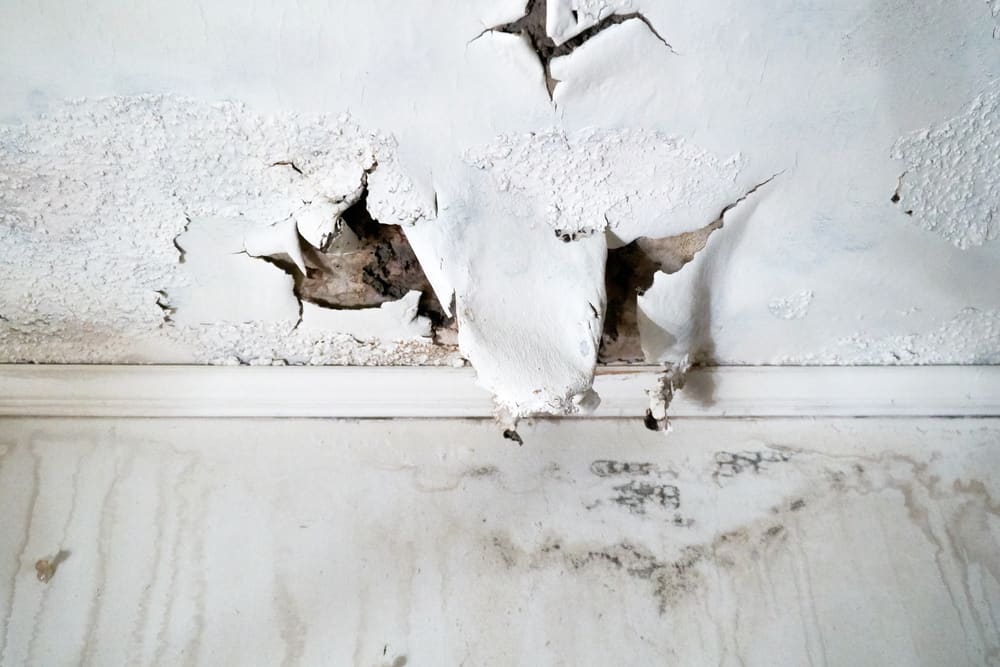
When water damage is handled correctly the first time, you don’t end up dealing with mold in your walls six weeks later or structural issues that show up during a home inspection. That’s the real outcome not just a dry floor, but a home that’s actually been restored, not just mopped up.
Inwood’s housing stock makes this especially important. Nearly 39% of homes here were built before 1939, and the rest are largely mid-century construction. Those older walls, floors, and foundations absorb and hold moisture differently than newer builds. Plaster walls, original hardwood floors, and unfinished basements without modern waterproofing don’t give up water easily and consumer fans won’t find it behind the lathe or under the subfloor. We use industrial moisture meters, air movers, and commercial dehumidifiers to reach the places where moisture actually hides.
Living this close to Jamaica Bay also means the source of the water matters for your insurance claim. Storm surge flooding is treated differently by your insurer than a burst pipe or an appliance overflow and getting the documentation right from day one affects what you recover. We handle that documentation on your behalf so you’re not caught between your insurer and the damage in your home.
Residential Water Damage Repair, Nassau County
We’ve been restoring homes across Nassau and Suffolk County for close to three decades. That means we were here for Sandy, for every nor’easter that pushed water into South Shore basements, and for every quiet Tuesday when a pipe failed behind a kitchen wall in a 1930s colonial. This isn’t a franchise that recently planted a flag on Long Island we’re a company built here, with real history in this market.
For Inwood residents specifically, that experience carries weight. The Five Towns area has a distinct combination of older housing stock, bayfront exposure, and Nassau County permit requirements that not every contractor understands. Our IICRC-certified technicians know how to work in pre-war homes, document damage for insurance adjusters, and pull the right permits through the Town of Hempstead Building Department when structural repairs are needed. You get a team that’s done this before in homes like yours, in Inwood.
24/7 Water Damage Restoration, Inwood, NY
When you call, the first thing that happens is a rapid response not a callback form and a two-day wait. Because mold can begin growing within 24 to 48 hours of water exposure, the clock matters from the moment the damage happens. A crew arrives, assesses the full scope of the damage, and begins water extraction immediately. In Inwood, that assessment includes checking for hydrostatic pressure issues around the foundation a recognized problem in bayfront homes where the water table sits close to the surface.
Once the water is out, the drying phase begins. This is where the work that actually prevents long-term damage happens. We run industrial dehumidifiers and air movers continuously, and take moisture readings inside walls, under floors, and in structural cavities not just at the surface. In a pre-war Inwood home with plaster walls and original flooring, this step takes longer and requires more precision than it would in newer construction. The process follows IICRC S500 standards, which means the documentation holds up when your insurance adjuster reviews the claim.
After the structure is dry, any necessary repairs drywall, flooring, framing, reconstruction are handled by our team. One company carries the job from extraction through rebuild, so nothing falls through the cracks between contractors.
Ready to get started?
Burst Pipe and Flood Damage, Inwood, NY
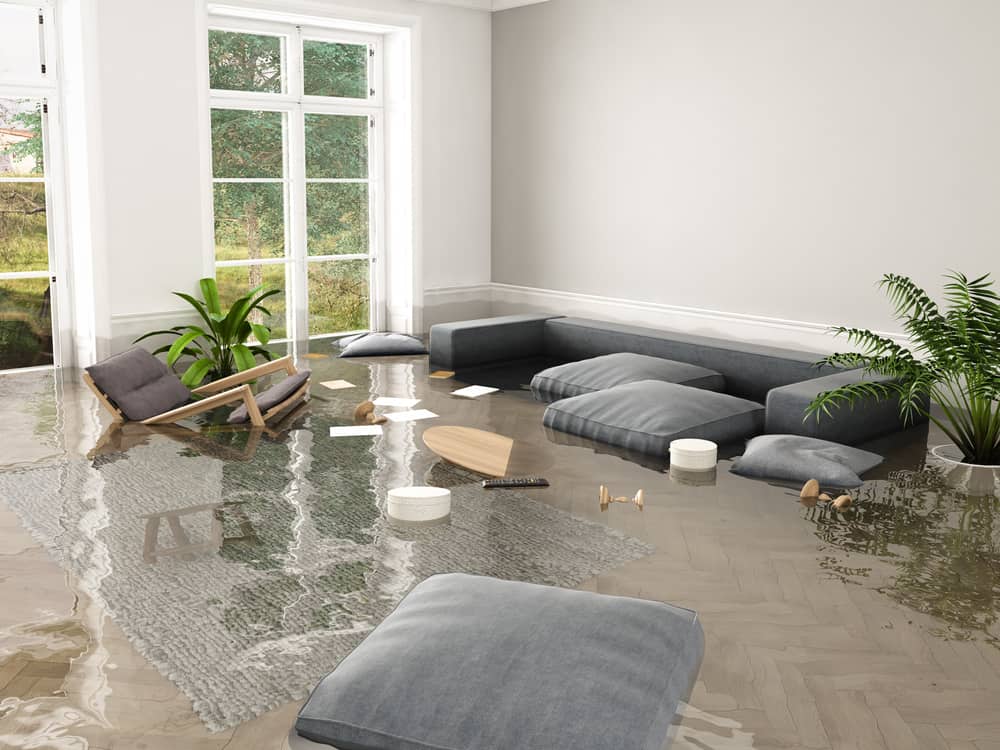
Water gets into Inwood homes from more than one direction. Storm surge and tidal backpressure come in from Jamaica Bay during hurricanes and nor’easters. Aging galvanized or cast iron pipes common in the pre-war and mid-century homes that make up most of Inwood’s housing stock fail from the inside out. Washing machines, water heaters, and HVAC systems overflow or leak. Each source creates a different type of damage, and each requires a different response.
We handle the full range: emergency water removal and basement water extraction, structural drying and dehumidification, mold remediation, sewage backup cleanup, fire and smoke damage, and full reconstruction when structural repairs are needed. For commercial properties and Inwood has a meaningful base of light industrial and logistics operations near the Nassau Expressway we bring the same capabilities.
Because Inwood sits in a recognized flood zone, some properties carry both standard homeowners insurance and a separate NFIP flood policy. We work directly with both types of insurers, handling the documentation, the billing, and the back-and-forth with adjusters so you’re not caught in the middle. New York State’s mold remediation licensing requirements under Article 32 of the Labor Law apply to qualifying projects, and we’re fully licensed, bonded, and insured to meet those standards.

Does homeowners insurance cover water damage from flooding in Inwood, NY?
This is one of the most common and genuinely confusing questions for Inwood homeowners, and the answer depends entirely on where the water came from. Standard homeowners insurance covers sudden, accidental water damage from internal sources a burst pipe, an overflowing appliance, a water heater that fails. It does not cover flooding, which the insurance industry defines as water entering from outside the structure, including storm surge from Jamaica Bay.
For flood damage, you need a separate flood insurance policy, typically through FEMA’s National Flood Insurance Program. Many Inwood homeowners carry both, but the two policies cover different events and have different claims processes. Getting the damage documented correctly from the start identifying the source, categorizing the water, and recording the scope of damage before anything is removed directly affects what each policy pays out. We work directly with both types of insurers and help make sure the documentation supports your claim from day one.
How fast does mold start growing after a basement floods in Inwood?
The EPA is clear on this: water-damaged areas need to be dried within 24 to 48 hours to prevent mold growth. Mold spores are already in the air they don’t need to travel far. Once moisture is present in a warm, enclosed space like a basement or wall cavity, germination can begin within 24 hours. Visible growth typically shows up within 48 to 72 hours, but the problem starts before you can see it.
In Inwood, the bayfront humidity from Jamaica Bay adds to this. A wet basement in a coastal community stays humid longer than one in a drier inland area, which compresses the window you have before mold takes hold. In older homes with plaster walls and limited airflow, moisture lingers in places that look dry on the surface but aren’t. That’s why professional drying equipment not fans from a hardware store matters here. Industrial dehumidifiers and moisture meters reach the areas where mold actually starts, not just the visible wet spots.
What's the difference between water damage categories, and why does it matter?
The IICRC the organization that sets the industry standard for water damage restoration classifies water damage into three categories based on the contamination level of the water involved. Category 1 is clean water from a source like a burst supply pipe or a rain leak. Category 2, called gray water, comes from sources like washing machine overflow or a toilet tank it’s not sewage, but it’s not clean either. Category 3, called black water, is the most hazardous: sewage backups, floodwater, and groundwater all fall here.
This matters for two reasons. First, the cleanup protocol is different for each category Category 3 requires full protective equipment, antimicrobial treatment, and the disposal of porous materials that can’t be fully decontaminated. Second, it affects your insurance claim. The category of water involved needs to be documented correctly for your adjuster to process the claim accurately. In Inwood, storm surge from Jamaica Bay is Category 3 water, which means a flood event requires a more involved remediation process than a burst pipe and that distinction needs to be captured in the damage report from the start.
How long does water damage restoration typically take in an older Inwood home?
The timeline depends on the severity of the damage and the construction of the home, and in Inwood, the construction factor is significant. On average, water damage restoration takes about two weeks from initial extraction through final repairs but that’s for a typical modern home. In a pre-war or mid-century home, which accounts for a large portion of Inwood’s housing stock, the drying phase alone takes longer because older materials like plaster, hardwood floors, and lathe framing hold moisture more stubbornly than modern drywall and engineered flooring.
The drying phase typically runs three to five days for most homes, with water extraction taking one to three days before that. If mold is found which is more likely when water has been sitting in an older structure remediation adds time before reconstruction can begin. Minor damage with no structural involvement can be resolved in a few days. Extensive flooding that reaches walls and subfloors in a pre-war home can take three weeks or more from start to finish. A clear scope assessment on the first visit gives you a realistic timeline before any work begins.
Can I stay in my house during water damage restoration?
In most cases, yes but it depends on the extent of the damage and where it’s located. If the water damage is contained to a basement or a single room and the rest of the home is structurally sound and not affected by airborne mold spores, most families can remain in the home during the drying and repair process. The equipment runs continuously and can be loud, but it’s not a safety hazard in unaffected areas.
If the damage involves Category 3 water sewage backup or floodwater, which is a realistic scenario in Inwood during a major storm surge event temporary relocation is typically recommended for the remediation phase due to contamination concerns. The same applies if mold remediation requires containment of a significant area of the home. Our team will give you a clear recommendation on day one based on what we find. If displacement is needed, documenting that with your insurance company may allow you to recover additional living expenses under your policy, depending on your coverage.
How does First Response Restoration & Cleaning handle the insurance claim process for Inwood homeowners?
Dealing with a water damage claim while also managing the physical damage to your home is genuinely overwhelming and in Inwood, where a single event can involve both a homeowners policy and an NFIP flood policy, the paperwork gets complicated fast. We work directly with your insurance company, handling the documentation, the billing, and the communication with adjusters so you’re not stuck playing middleman between your insurer and your contractor.
From the first visit, we document the damage in a format that insurance adjusters recognize categorizing the water source, recording moisture readings, and photographing the affected areas before extraction begins. IICRC-certified work is the standard that Nassau County adjusters expect, and having that documentation in order from day one prevents the kind of claim disputes that can delay your settlement or reduce your payout. You don’t need to call your insurance company before calling for help getting a restoration crew on-site quickly actually strengthens your claim by establishing a clear, timestamped record of the damage before anything changes.
Useful Links
Other Services we provide in Inwood