
Hear from Our Customers

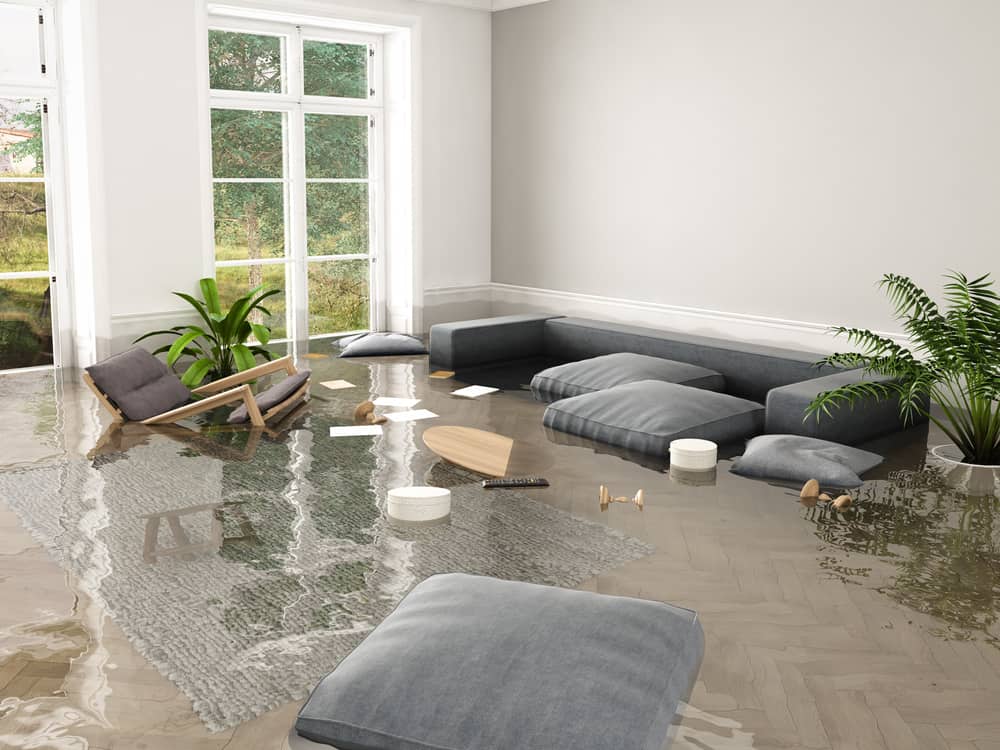
When water enters a Lido Beach home — whether from ocean surge, bay flooding, a burst pipe in an older Lido Colony build, or a failed appliance — the clock starts immediately. Mold can begin forming within 24 to 48 hours of flooding. That’s EPA guidance, not a scare tactic. The longer water sits in your walls, under your floors, or in your subfloor framing, the more expensive and disruptive the recovery becomes.
What changes after we complete a professional restoration: you’re not second-guessing whether the moisture is truly gone. You’re not watching a wall for discoloration six weeks later. You’re not fighting a mold remediation bill that could have been avoided. You get a home that’s been properly extracted, dried to industry standards, and documented — which matters enormously when you’re filing an insurance claim in a FEMA flood zone community like Lido Beach.
The barrier island geography here means water damage events are rarely simple. Storm surge from the Atlantic carries contamination. Bay flooding from Reynolds Channel backs up through bayside properties. Older homes in the western section of the hamlet have construction that traps moisture in ways modern drywall doesn’t. Getting the job done right the first time isn’t just about comfort — in Lido Beach, it’s about protecting a home that’s worth well over a million dollars and keeping your insurance claim on solid ground.
We’ve been working on Long Island’s South Shore for nearly three decades. That experience reflects real work with Nassau County homes, FEMA flood zone properties, Town of Hempstead permit requirements, and the specific way barrier island communities like Lido Beach get hit by storms. We’re based in West Babylon with dedicated Nassau County coverage and a local 516 number.
When a nor’easter floods Lido Beach or a pipe bursts in a Depression-era home off Lido Boulevard, our response comes from a team that knows this territory — not a national franchise dispatching crews from out of state. Every technician we send is IICRC-certified. We’re licensed, bonded, and insured. We work directly with your insurance company — handling the documentation, the communication, and the billing so you’re not stuck in the middle during an already stressful situation.
The process starts with a call — any hour, any day. For Lido Beach homeowners, that matters more than it might somewhere else. Storms here don’t arrive on schedule, and when the Loop Parkway reopens after an evacuation, you need a team that can mobilize immediately. We operate 24/7 precisely because the worst water damage events in barrier island communities happen overnight or over a weekend.
When we arrive, the first priority is assessment. Moisture meters and thermal imaging identify where water has traveled — inside walls, under flooring, into structural cavities that look dry on the surface but aren’t. This step is critical in Lido Beach, where older Lido Colony homes have plaster walls and original subfloors that hold moisture in ways you can’t see.
If the flooding came from storm surge, we identify it as Category 3 contaminated water, which requires a different remediation protocol than a clean water pipe break — and affects how the damage is documented for your insurance claim. From there, industrial extraction equipment removes standing water, followed by commercial-grade air movers and dehumidifiers that run until moisture readings hit the target range.
If structural repairs are needed — framing, drywall, flooring — we handle that work through our own team, so you’re not coordinating a second contractor while also managing a Town of Hempstead building permit. The full scope, from first extraction to final repair, is documented throughout for your insurer.
Ready to get started?
Water damage restoration in Lido Beach covers a wider range of scenarios than most inland communities deal with. Storm surge flooding from the Atlantic is Category 3 water — contaminated with ocean debris, bacteria, and potentially sewage from overwhelmed drainage systems. That’s not the same job as a burst pipe, and it requires antimicrobial treatment, proper containment, and documentation that meets IICRC standards. We handle the full scope: water extraction, structural drying, mold prevention, odor treatment, and reconstruction.
For Lido Beach properties in FEMA Flood Zone V — particularly in the Lido Dunes area — the restoration process also intersects with the Town of Hempstead’s substantial damage rules. If repair costs exceed 50% of your home’s market value, the Town requires FEMA-compliant elevation before repairs proceed. Having an IICRC-certified restoration company that documents damage accurately from the start can be the difference between a straightforward claim and a compliance headache that drags on for months.
Beyond storm events, we cover the full range of residential water damage: burst pipes in older homes, appliance failures, sewage backups, and basement water extraction after heavy rain saturates the barrier island’s limited drainage capacity. There are no named service packages — the scope is assessed on-site and matched to what your specific property actually needs. Every job includes direct insurance coordination, whether you’re working through a standard homeowners policy, an NFIP flood policy, or both simultaneously.

This is one of the most important distinctions for Lido Beach homeowners to understand, and it trips people up regularly. Standard homeowners insurance covers sudden, accidental water damage from internal sources — a burst pipe, a failed water heater, an overflowing appliance. It does not cover flooding. Storm surge from the Atlantic, or bay water backing up from Reynolds Channel, is classified as flooding — and that falls under a separate flood insurance policy, typically through the National Flood Insurance Program (NFIP).
Because virtually every mortgaged property in Lido Beach sits in a FEMA flood zone (Zone V for oceanfront properties, AE zones for much of the rest of the hamlet), flood insurance is effectively mandatory here. That means after a storm event, you may be dealing with two separate insurance policies at the same time — your homeowners policy for any internal damage like a burst pipe that happened during the storm, and your NFIP flood policy for the surge itself. We work directly with both, handling the documentation and direct billing so you’re not left navigating two claims processes on your own while also trying to get your home dried out.
Mold spores can begin germinating within 24 hours under the right conditions. Visible growth typically appears within 48 to 72 hours, but the microscopic process starts earlier. The EPA specifically recommends drying water-damaged areas within 24 to 48 hours to prevent mold from taking hold — and that window applies whether you had an inch of water or a foot.
For Lido Beach homeowners, this timeline is complicated by the reality of storm evacuations. If the Loop Parkway is closed and you can’t get back to your property for 24 or 48 hours after the water recedes, mold may already be establishing in your walls and subfloor by the time you walk through the door. This is exactly why calling us before you return — so we can mobilize and be ready to move the moment access is restored — can make a meaningful difference in the scope of what needs to be remediated. Waiting until you’ve assessed the damage yourself and then making calls adds hours you don’t have.
The IICRC classifies water damage into three categories based on contamination level. Category 1 is clean water — a burst supply pipe, for example. Category 2 is gray water, which carries some contamination — a washing machine overflow or a dishwasher leak. Category 3 is black water: highly contaminated water that poses genuine health risks. This includes sewage backups, groundwater intrusion, and floodwater from natural sources like storm surge.
Storm surge from the Atlantic Ocean or bay flooding from Reynolds Channel qualifies as Category 3. That water has traveled through storm drains, over roads, across debris fields, and potentially through compromised sewage infrastructure before it entered your home. It cannot be treated the same way as a clean water pipe break. Category 3 remediation requires specialized containment, antimicrobial treatment, and proper disposal of porous materials that absorbed the contaminated water. It also affects how the damage is categorized and documented for your insurance claim. Our IICRC-certified technicians know the difference and apply the correct protocols from the start — which protects both your health and your claim.
The Town of Hempstead enforces what’s commonly called the substantial damage rule, which mirrors FEMA’s 50% threshold. If the cost to restore your flood-damaged home exceeds 50% of the structure’s pre-damage market value, the Town requires that the property be brought into full FEMA floodplain compliance before repairs can proceed — which typically means elevating the structure to the base flood elevation (BFE) for your flood zone.
In Lido Beach, where average home values exceed $1 million and where FEMA Zone V designation applies to much of the oceanfront, this rule is not theoretical. It was triggered for many homeowners after Hurricane Sandy, and it can be triggered again by any significant flooding event. The key is accurate, thorough documentation from the very beginning of the restoration process. If damage is under-documented and the actual repair scope later exceeds the threshold, homeowners can find themselves in a compliance situation they weren’t prepared for. We document everything — damage assessment, moisture readings, scope of work — in a way that gives you and your insurance adjuster a clear, defensible record from day one.
The timeline depends heavily on the scope of the damage. For a contained event — say, a burst pipe in one room of a home off Lido Boulevard — the extraction and drying phase typically runs three to five days, with repairs following shortly after. For more significant flooding, particularly storm surge events that affect multiple rooms or involve structural materials, the full process from initial extraction through final repairs averages around two to three weeks. Severe cases involving extensive structural damage or mold remediation can extend considerably longer.
For Lido Beach specifically, there are a few factors that can affect timing beyond the damage itself. If the event triggers a Town of Hempstead substantial damage review, the permitting process adds time before structural repairs can begin. Storm surge events that affect multiple homes in the hamlet simultaneously can also create demand on restoration resources across the barrier island. We’ll give you a realistic timeline after the initial assessment — not a best-case estimate designed to get you to sign, but an honest projection based on what’s actually in front of us.
It depends on the type and extent of the damage. For a localized event — a single room affected by a burst pipe, for instance — staying in the home is often manageable while drying equipment runs. The equipment is loud and generates heat, but it’s not typically a reason to vacate unless the affected area is a bedroom or the only bathroom.
For storm surge events in Lido Beach, the calculus changes. Category 3 floodwater contamination means the affected areas of the home present genuine health risks until remediation is complete. If the flooding reached living spaces, kitchens, or HVAC systems, staying in the home during active remediation is not advisable. Beyond the contamination issue, Lido Beach’s barrier island location means that after a significant storm, the community itself may have limited utility service, road access via the Loop Parkway may be intermittent, and the overall environment may not be safe for occupancy regardless of what’s happening inside the home. We’ll give you a straight answer about occupancy after the initial assessment — based on what we actually find, not a blanket policy.
Useful Links
Other Services we provide in Lido Beach