
Water Damage Restoration in Massapequa, NY
When the Canal Comes In, Massapequa Needs More Than a Wet-Vac
Hear from Our Customers

Flood Restoration Services in Nassau County
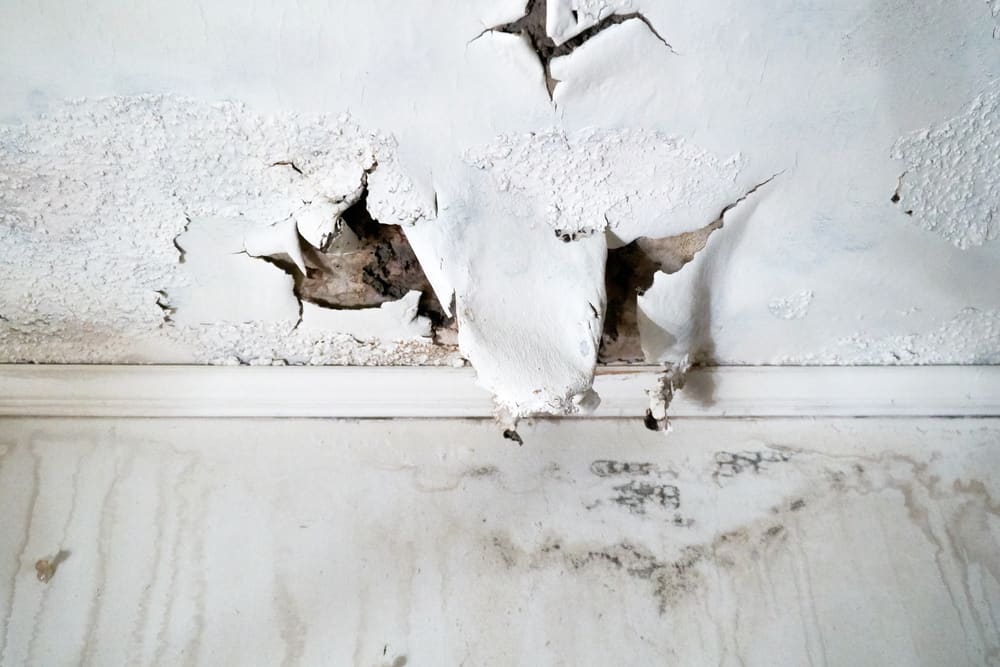
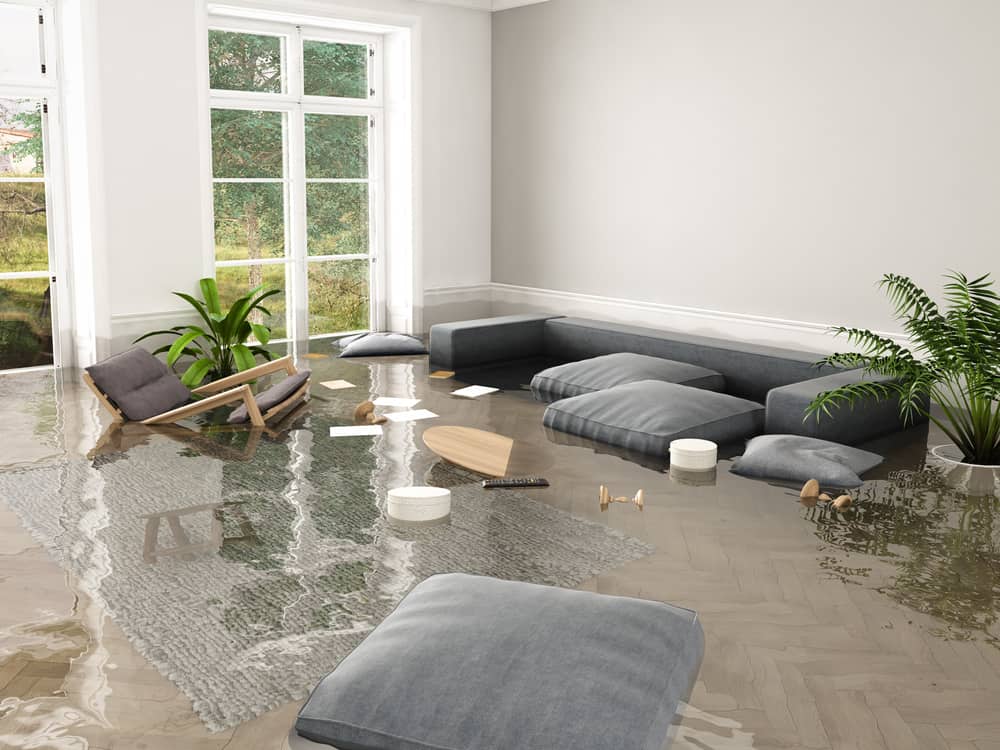
When water gets into a Massapequa home whether it came through the canal system during a nor’easter, backed up through a floor drain after a sump pump failure, or burst out of a supply line that’s been in the wall since 1958 the damage doesn’t stop when the water stops moving. It keeps going. Into the subfloor. Behind the drywall. Under the carpet pad in that finished basement you spent years putting together.
What you actually need is someone who can find all of it, dry all of it, and document all of it in a way your insurance company will accept without a fight.
For homeowners in Biltmore Shores, Harbor Green, and the neighborhoods south of Merrick Road, the risk isn’t just heavy rain it’s the combination of Great South Bay surge pushing through the canal system from the south while Massapequa Creek floods from the interior at the same time. That’s not a typical water damage scenario. The water that enters those homes during a storm event is often Category 2 or Category 3 meaning it carries bacteria and organic material from the bay and it requires a completely different remediation approach than a burst pipe would.
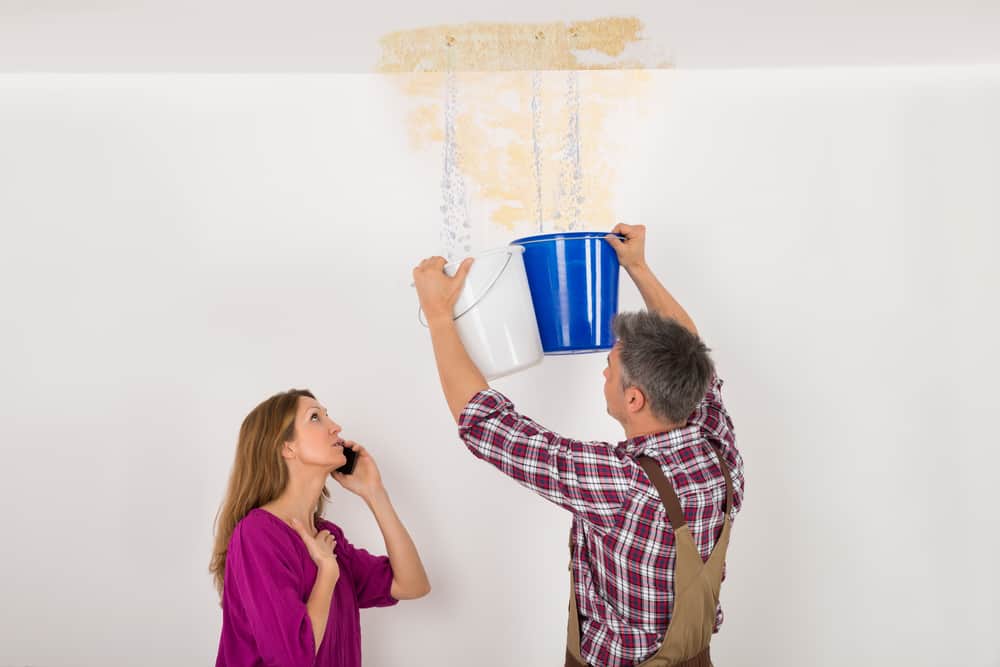
For homes north of Sunrise Highway, the risk is quieter but just as real. Most of Massapequa’s housing stock was built between 1950 and 1965, and those original galvanized pipes, aging water heaters, and washing machine supply lines don’t announce themselves before they fail. When they go, you get a fast, clean-water event that still causes serious damage if it isn’t extracted and dried properly within the first 24 to 48 hours.
Residential Water Damage Repair in Massapequa
We’ve been working in Nassau and Suffolk County for close to three decades. That means our team has been through every major storm that has hit Massapequa’s south shore including Sandy, which triggered mandatory evacuations in the canal communities and left some homes with moisture problems that still haven’t been fully resolved.
We’re not a national franchise dispatching crews from a regional call center. We’re headquartered in West Babylon, about ten to fifteen minutes from Massapequa via the Southern State Parkway, and we carry a Nassau County 516 number because that’s the area we actually serve.
Our technicians are IICRC-certified, which matters more than it might sound. That certification is what insurance companies look for when they’re reviewing a claim. It means the work follows a documented, accepted standard not just whatever the crew decided to do that day. We’re also fully licensed, bonded, and insured, which protects you and your property from the moment our team walks in the door.
Emergency Water Removal Process in Massapequa
When you call, the first thing that happens is a real conversation not a voicemail, not a callback form. Someone walks you through what you’re seeing and gets a crew moving toward Massapequa. Given the 24 to 48 hour window before mold can begin taking hold in a wet environment, that response time is not a formality. It’s the difference between a straightforward drying job and a mold remediation project on top of everything else.
Once our team arrives, we don’t just look at the wet surfaces. We use moisture meters and detection equipment to map where the water has actually traveled inside the walls, under the flooring, behind the baseboards. In a Massapequa home built in the 1950s or 1960s, moisture moves in ways that aren’t always obvious. Plaster walls, original hardwood floors, and the subfloor assemblies common in the Cape Cods and split-levels throughout the neighborhood all hold water differently than newer construction does. Our drying plan is built around what the equipment finds, not just what looks wet.
From there, industrial air movers and dehumidifiers run until the structure reaches the right moisture levels confirmed by readings, not by feel. If mold treatment is needed, it gets done before anything is closed back up. If structural repairs are required, we handle those too, all the way through reconstruction. Throughout the entire process, we document everything in the format your insurance company needs because in Nassau County, where restoration costs run significantly above the national average, getting the claim right matters.
It’s also worth knowing that if your home was built before 1978 which covers most of Massapequa and the water damage has disturbed painted surfaces, there are EPA lead paint rules that apply to the repair work. If asbestos-containing materials like old floor tiles or pipe insulation are involved, we identify and address that before any demolition begins. We work within those requirements as a standard part of the process, not as an afterthought.
Ready to get started?
Burst Pipe and Flood Damage Restoration in Massapequa, NY
We provide the full range of water damage restoration services that Massapequa homeowners actually need from bay and canal surge events in the waterfront neighborhoods to burst pipe water damage in the older homes throughout the interior of the hamlet, to storm damage restoration after the nor’easters that track up the Atlantic Coast and push water through the Great South Bay every season.
Water extraction and emergency water removal come first, followed by structural drying, dehumidification, and a full moisture assessment of the areas you can’t see. Mold inspection and mold remediation are available when needed and given how many Massapequa homes sustained flooding during Sandy more than a decade ago, a mold assessment is worth having if your home has a history of water intrusion that wasn’t fully remediated at the time.
Odor treatment, antimicrobial application, and contents handling are part of our process when the situation calls for it. We work directly with your insurance company handling the documentation, the communication, and the billing so you’re not caught in the middle. For homeowners in Massapequa’s canal-front and bay-adjacent areas who carry both a standard homeowners policy and a separate National Flood Insurance Program policy, navigating two simultaneous claims is genuinely complicated. Having a team with close to 30 years of experience working with insurance adjusters on Long Island means that complexity gets managed on your behalf, not handed back to you to figure out.

Does homeowners insurance cover water damage from Massapequa's canal flooding?
This is one of the most important distinctions to understand before you file a claim. Standard homeowners insurance covers sudden, accidental water damage that originates from inside the home a burst pipe, an appliance failure, an overflowing fixture. It does not cover flooding, which the insurance industry defines specifically as water that enters the home from an external natural source, including storm surge, rising bay water, and canal overflow.
For homeowners in Massapequa’s canal communities and waterfront areas particularly in Biltmore Shores, Harbor Green, and the neighborhoods south of Merrick Road this distinction is critical. If bay surge or canal water entered your home during a nor’easter or tropical storm, that damage falls under flood insurance, not your standard homeowners policy. Properties in FEMA Zone AE and Zone VE designations, which cover significant portions of Massapequa’s waterfront parcels, are typically required to carry a separate National Flood Insurance Program policy if there’s a mortgage on the property.
The situation gets more complicated when both types of damage occur in the same event for example, storm surge flooding the basement while a power outage causes the sump pump to fail, allowing groundwater to enter separately. We have experience documenting and separating these scenarios for insurance purposes, which is exactly the kind of support that makes a real difference when you’re dealing with two policies at once.
How fast does mold actually grow after a basement floods in Massapequa?
The EPA’s guidance is clear: water-damaged areas need to be dried within 24 to 48 hours to prevent mold growth. That’s not a conservative estimate mold spores can begin germinating within the first 24 hours under the right conditions, and visible growth typically appears within 48 to 72 hours.
In a Massapequa basement, where the water table is already elevated due to tidal influence from the Great South Bay, the environment is often more humid than in drier inland communities, which can accelerate that timeline. If the flooding came from the canal system or the bay, you’re dealing with water that already carries organic material and bacteria conditions that support faster and more aggressive mold growth than clean water from a burst pipe would.
A finished basement with drywall, carpet, and wood framing gives mold exactly the organic material it needs to establish itself quickly. This is why calling immediately not after the weekend, not after you’ve seen how things dry out on their own is the right move. Consumer fans and dehumidifiers don’t reach inside walls or under flooring, which is where mold typically starts. Professional equipment and moisture mapping are what actually confirm the structure is dry, not just the surface.
What should I do right now if my sump pump failed during a storm?
The first thing to do is call a restoration company before you call your insurance company. Getting a professional on site quickly allows the damage to be documented properly before anything is moved or dried, which strengthens your claim significantly. Your insurer will want evidence of the damage as it was found not after you’ve already run fans and moved furniture.
While you’re waiting for the crew to arrive, if it’s safe to do so, turn off the electricity to the affected area at the breaker panel. Don’t use standard household vacuums or fans in a flooded space they’re not designed for that volume of water and can create safety hazards. If the water is more than an inch or two deep, stay out of the space entirely until it’s been assessed.
Sump pump failure during a power outage is the single most common water damage trigger in Massapequa’s south shore communities. The high water table created by the Great South Bay’s tidal influence means that groundwater pressure against the foundation is constant the sump pump is what keeps it out. When the pump stops, water can enter a basement in a matter of hours. The faster extraction begins, the lower the total cost and the lower the risk of mold taking hold in the subfloor and wall assemblies.
How long does water damage restoration take for a Massapequa home?
The honest answer is that it depends on the scope of the damage, the type of water involved, and how much of the structure was affected. For a contained event a single appliance failure or a burst supply line limited to one area the extraction and drying phase typically takes three to five days, with repairs following after the structure is confirmed dry.
For a more significant event, like a basement flood that has saturated the subfloor, wicked into multiple walls, and required mold treatment, the full process from extraction through final repairs is closer to two to three weeks. For Massapequa homes that experienced bay or canal flooding during a major storm, the timeline can extend further. Category 2 or Category 3 water intrusion requires additional antimicrobial treatment steps, and if structural materials have been contaminated drywall, insulation, subfloor those materials typically need to be removed and replaced rather than dried in place. That adds time to the project, but it’s the correct approach.
The age of Massapequa’s housing stock is also a factor. Homes built in the 1950s and 1960s sometimes have construction characteristics plaster walls, original hardwood subfloors, minimal vapor barriers that require more careful drying protocols than newer construction. We account for those differences in how we structure the drying plan.
My Massapequa home flooded during Sandy could there still be hidden mold?
Yes, and this is a more common situation than most people realize. Hurricane Sandy flooded Massapequa’s surge zones significantly enough that mandatory evacuations were issued in the canal communities, and some of that remediation was incomplete. Homes that were dried quickly and reopened without thorough moisture mapping may still have moisture trapped in wall cavities, under subfloor assemblies, or in areas that were finished over without being fully confirmed dry.
Mold in these locations doesn’t always announce itself with visible growth. The more common signs are a persistent musty smell that doesn’t go away with cleaning, unexplained respiratory irritation among family members, or recurring moisture issues in the same areas of the home. If your Massapequa home has any of these and has a history of flooding from Sandy or any subsequent storm a professional mold inspection is the right next step.
We provide mold inspection and mold remediation services that go beyond surface-level assessment. Moisture meters and thermal imaging identify where moisture is still present or where conditions are favorable for mold growth, even in finished spaces where the walls look completely normal. If mold is found, we handle remediation properly and document it which matters if you ever plan to sell the home, since buyers and inspectors in Nassau County’s current market will scrutinize water damage history closely.
Is burst pipe water damage covered by insurance in Massapequa, NY?
Generally, yes sudden and accidental pipe bursts are among the most commonly covered water damage events under standard homeowners insurance policies. If a supply line fails without warning, a water heater ruptures, or a pipe freezes and bursts during a cold snap, that’s typically the kind of event your policy is designed to cover. The key word is sudden gradual leaks that developed over time due to a lack of maintenance are a different story and are frequently denied.
In Massapequa, where the median home was built in 1956, pipe failures are not a rare occurrence. Galvanized steel pipes from the postwar era corrode from the inside over decades, gradually restricting flow until they fail. Supply lines to washing machines and dishwashers have a finite lifespan. Water heaters that are more than ten or fifteen years old are operating past their expected service life. When these fail, the resulting water damage can be significant especially in a finished basement where water can travel quickly under flooring and into wall assemblies before anyone notices.
The most important thing you can do after a burst pipe is call a restoration company immediately and let them document the damage before anything is disturbed. We work directly with insurance companies, handle the paperwork and documentation, and bill the insurer directly so you’re not managing that process on top of dealing with the damage itself. Given that restoration costs on Long Island run notably above the national average, having that claims process handled correctly from the start protects you from unexpected out-of-pocket costs.
Useful Links
Other Services we provide in Massapequa