
Water Damage Restoration in North Massapequa, NY
When a 1950s Home Meets a High Water Table, You Need More Than a Mop
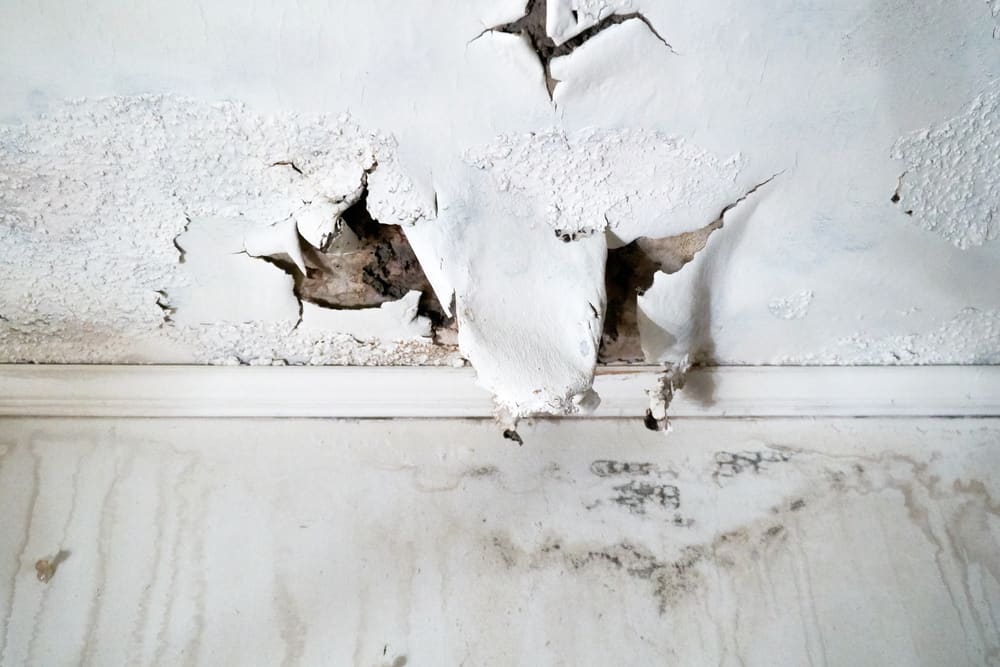
Hear from Our Customers

Flood Restoration North Massapequa, NY
When water gets into a North Massapequa home, the damage rarely stays on the surface. These are 1950s Cape Cods and ranch homes wall cavities packed with original insulation, slab foundations sitting on Nassau County’s characteristically high water table, and plumbing systems that were already aging when the neighborhood was considered new. Water doesn’t just sit on the floor here. It wicks into framing, seeps under finished basement flooring, and hides behind drywall long after the visible puddle is gone.
What you get when the job is done right is a home that’s actually dry not just dry where you can see. We use industrial moisture meters to confirm what’s inside the walls, not just what’s on them. Commercial-grade air movers and dehumidifiers pull moisture from structural cavities that a box fan will never reach. The result is a home where mold doesn’t show up three months later because we missed what was behind the baseboard.
For North Massapequa homeowners with finished basements and there are a lot of them, given the incomes and the investment people put into these homes that thoroughness isn’t a bonus. It’s the whole point. A surface cleanup on a renovated basement is just a delayed problem.
Residential Water Damage Repair Nassau County
We’re based in West Babylon and have been serving Nassau and Suffolk County homeowners for close to three decades. That’s not a corporate talking point it means our technicians have worked inside hundreds of the same post-war Cape Cods and ranch homes that line North Massapequa’s streets. We know how these houses are built, how water moves through them, and what it actually takes to dry one out properly.
North Massapequa sits in the Town of Oyster Bay, and restoration work here has to meet Nassau County licensing requirements and Town of Oyster Bay building codes. We’re fully licensed, bonded, and insured and our IICRC-certified technicians follow the S500 standard that Nassau County insurance adjusters recognize and expect. That matters when you’re filing a claim on a home worth well over half a million dollars.
Our dedicated Nassau County line a 516 number, not an 800 number reflects how we actually operate. Local people, local coverage, local accountability.
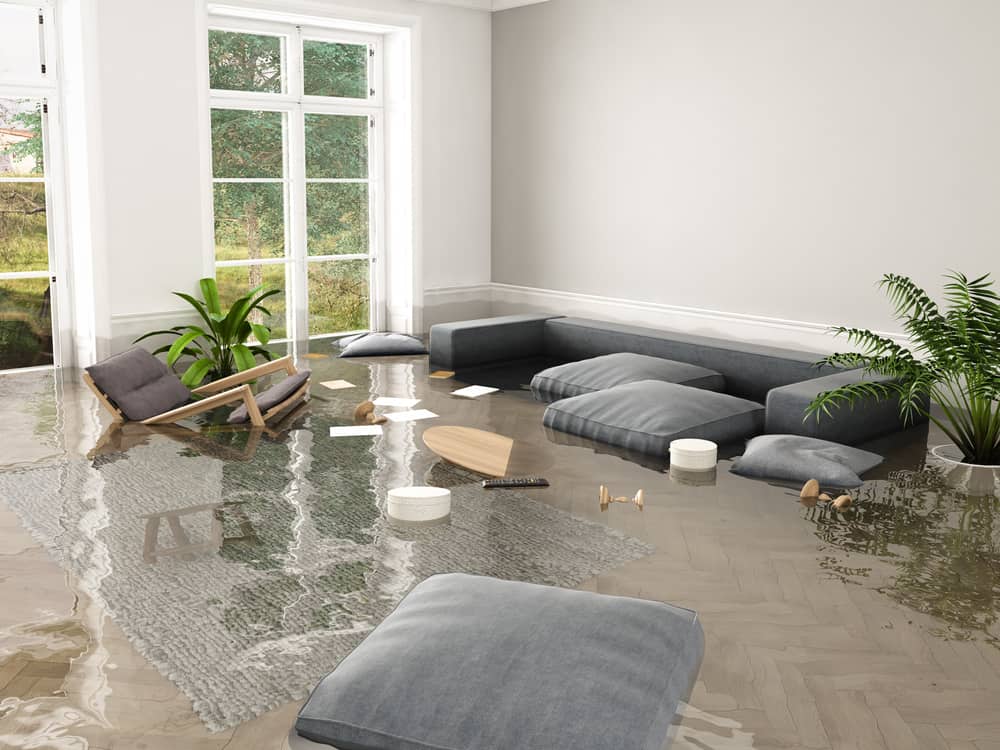
24/7 Water Damage Restoration North Massapequa, NY
The first call gets a response not a voicemail, not a callback window. We operate around the clock because water damage in North Massapequa doesn’t follow business hours. Sump pump failures during a nor’easter happen at 2 a.m. Burst pipes in an uninsulated wall cavity on a January night don’t wait until Monday. When you call, someone answers and a crew gets moving.
When our team arrives, the first thing we do is assess the full scope not just what’s visible. Moisture meters go to work on walls, floors, and structural cavities to map where the water has traveled. In a 1956 home with original framing and insulation, water can wick surprisingly far from the source before it shows up as a stain or a soft spot. That assessment also creates the documentation your insurance company needs, which is why it matters that it’s done by IICRC-certified technicians from the start.
Extraction and structural drying come next industrial equipment, not consumer-grade gear. The drying phase typically runs three to five days for most homes, with moisture readings taken throughout to confirm progress. Once the structure is confirmed dry, any necessary repairs drywall, subfloor, framing are handled by our team. You’re not handed off to a separate contractor mid-job. From water extraction through full rebuild, it’s one team, one point of contact, and one company responsible for the outcome.

Ready to get started?
Basement Water Extraction North Massapequa, NY
The water damage calls that come out of North Massapequa follow a recognizable pattern. Sump pump failure during a power outage because every basement in this community depends on one, and Long Island loses power during storms. Storm drain backups pushing Category 2 or Category 3 water through basement floor drains during a heavy rain event. Burst pipes in the aging plumbing of a home built in the 1950s. Ice damming on a Cape Cod roofline after a nor’easter forces meltwater into a wall cavity. These aren’t edge cases. They’re the calls that come in regularly from homes in this ZIP code.
We handle all of it. Water removal and extraction, structural drying, dehumidification, antimicrobial treatment to prevent mold growth, full moisture documentation for your insurance claim, and reconstruction when the damage requires it. For flooded basement cleanup in North Massapequa, that often means addressing finished spaces recreation rooms, home offices, laundry areas where the water damage is both a structural problem and a significant financial loss.
Because North Massapequa is governed by the Town of Oyster Bay, any structural repair work requires permits through the Town’s building department. We navigate that process as part of the job you’re not left to figure out the permit side on your own while also dealing with an insurance claim and a disrupted household.

Does homeowners insurance cover basement flooding in North Massapequa, NY?
It depends on what caused the flooding and that distinction matters a great deal in Nassau County. Standard homeowners insurance covers sudden, accidental water damage from internal sources: a burst pipe, a failed water heater, a washing machine supply line that gives out. In North Massapequa, where most homes were built in the 1950s and carry aging plumbing systems, these are very real and very common scenarios and they’re typically covered.
What standard homeowners insurance does not cover is flooding from external sources groundwater rising through your foundation, storm surge, or overland water flow. For that, you’d need a separate flood insurance policy through the National Flood Insurance Program. The confusion between the two is one of the most common issues homeowners face after a basement water event, and it’s exactly why having a restoration company that works directly with your insurance company from day one makes a difference. We handle the documentation and adjuster communication so the claim is built correctly from the start not reconstructed after the fact.
How fast does mold start growing after water damage in a North Massapequa home?
According to the EPA, mold can begin developing within 24 to 48 hours of a water damage event and in a North Massapequa home built in the 1950s, that timeline is especially relevant. Original insulation, wood framing, and the wall cavities in Cape Cod and ranch-style construction hold moisture longer than newer building materials. Mold spores don’t need much just moisture, organic material, and time. All three are present in an unaddressed water damage situation in these homes.
The practical takeaway is that waiting to see how things dry out on their own is a risk. Consumer fans can move surface air, but they can’t pull moisture from inside a wall or under a subfloor which is exactly where mold takes hold before it’s visible. By the time you see discoloration or smell something off, the growth is already established. Getting professional equipment on the job within the first 24 hours is the most effective way to prevent a water damage event from turning into a mold remediation project.
What should I do immediately after my sump pump fails and my basement floods in North Massapequa?
Sump pump failure is the most common water damage trigger in south shore Nassau County basements, and North Massapequa is no exception. The community sits adjacent to the Massapequa Creek watershed, and the water table beneath these neighborhoods is elevated year-round not just during storms. When the power goes out during a nor’easter and the sump pump stops, groundwater starts rising through the pit and seeping through foundation seams.
The first thing to do is make sure the space is safe to enter if there’s any chance the water has reached electrical outlets or the panel, don’t go in. Once it’s safe, stop the water source if you can and move valuables out of the affected area. Then call for professional extraction before the water sits long enough to wick into finished walls or flooring. Do not run a standard shop vac and assume the job is done the water you can see is rarely all the water that’s there. A moisture assessment after extraction is what confirms the structure is actually dry, not just surface-dry.
How long does water damage restoration typically take for a house in North Massapequa?
For most residential water damage situations a burst pipe, a sump pump failure, a storm drain backup the drying phase alone typically runs three to five days using commercial-grade equipment. The full restoration process, from initial extraction through any necessary repairs, averages around two weeks for moderate damage. More extensive situations, particularly those involving structural damage or significant mold growth, can run longer.
In North Massapequa’s post-war housing stock, the timeline can be affected by how the home is built. Wall cavities in 1950s Cape Cods and ranch homes are often deeper and more insulated than newer construction, which means moisture takes longer to fully evacuate. Finished basements add complexity drywall, flooring, and built-in cabinetry all have to be assessed and sometimes removed to allow proper drying of the structure underneath. The honest answer is that the timeline depends on the scope, and the scope becomes clear after a proper moisture assessment which is why that first step matters more than most homeowners realize.
Can water damage from ice dams on my roof be covered by insurance in Nassau County?
Ice dam damage is one of the more nuanced insurance situations, and it comes up regularly in North Massapequa because the community’s Cape Cod and ranch-style rooflines are particularly prone to ice dam formation. When a nor’easter drops heavy snow and temperatures cycle above and below freezing which is a normal Long Island winter pattern meltwater backs up under shingles and forces its way into wall cavities and ceilings. The interior water damage that results is typically covered under standard homeowners insurance as sudden, accidental water intrusion.
What’s usually not covered is the ice dam itself or the underlying roof damage insurance companies draw a line between the resulting interior water damage (covered) and the condition that caused it (not covered). The key is documenting the interior damage thoroughly and quickly, which is why having an IICRC-certified team on site matters. Proper documentation from the start gives your adjuster what they need to process the claim correctly, and it prevents disputes over whether the damage was pre-existing or storm-related.
Does First Response Restoration and Cleaning Inc. serve North Massapequa, and how quickly can you respond?
Yes North Massapequa falls within our Nassau County service area, covered by our dedicated 516 line. Our headquarters in West Babylon connects directly to North Massapequa via the Southern State Parkway, with Exit 30 at North Broadway and Exit 31 at the Bethpage State Parkway interchange both serving the community. Under normal conditions, that’s a short drive well within the response window that matters when water is actively spreading through a basement or wall cavity.
We operate 24 hours a day, seven days a week, because the situations that require us don’t follow a schedule. A sump pump that fails during a winter storm, a pipe that bursts on a holiday weekend, a ceiling that starts dripping at midnight these are the calls we’re set up to handle. Our Nassau County coverage isn’t a service area on a map; it’s a team that knows the roads, knows the housing stock, and has been working in communities like North Massapequa for close to 30 years.
Useful Links
Other Services we provide in North Massapequa