
Water Damage Restoration in North Merrick, NY
When North Merrick's Water Table Wins, We Fix What's Left
Hear from Our Customers

Flood Restoration North Merrick NY
When the water is gone and the fans are off, what you actually need is confirmation not just that the floor feels dry, but that there’s no moisture hiding inside the walls, under the subfloor, or behind the baseboards of your home. That’s the difference between a job that looks done and a job that actually is.
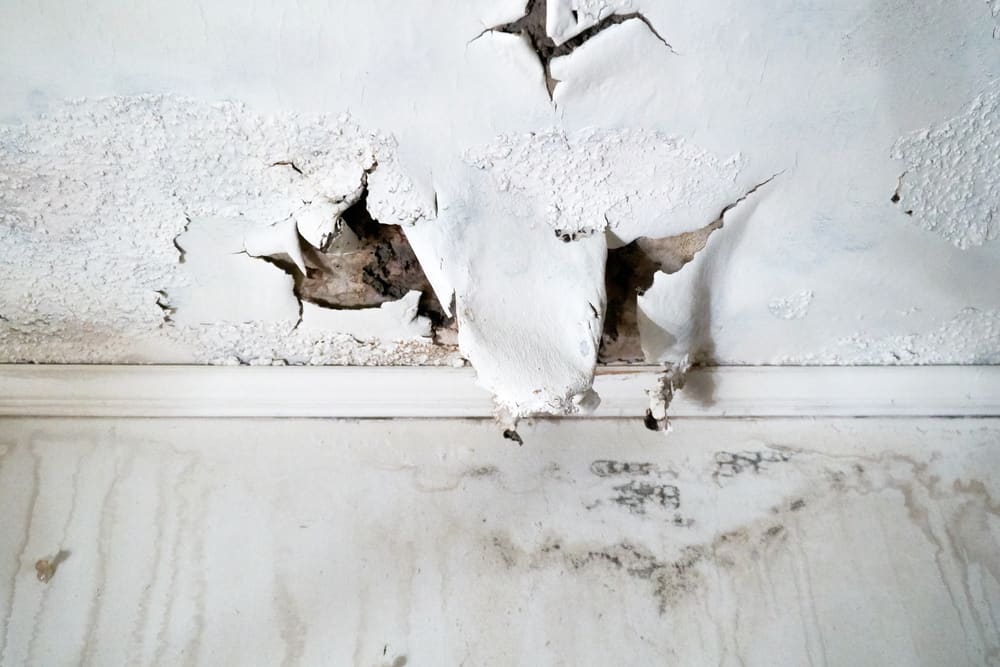
North Merrick’s housing stock is almost entirely post-war construction Cape Cods, split-levels, and ranch homes built in the 1950s and 1960s, now 60 to 75 years old. Those homes have plaster walls, original subfloor systems, and structural cavities that hold moisture long after the surface appears dry. Consumer-grade fans don’t reach those spaces. Industrial drying equipment does, and that’s what we use here.
The other reality of living on Long Island’s South Shore is that the water table is shallow year-round. It doesn’t take a named storm to raise it enough to overwhelm a sump pump or push water through a foundation crack. When that happens especially during a power outage in the middle of a nor’easter what you need is someone who can get there fast, assess the actual scope of the damage, and start the process before the 24-to-48-hour mold window closes. That’s what our emergency response looks like.
Residential Water Damage Repair North Merrick
We’ve been serving Nassau and Suffolk County homeowners for close to three decades. That’s not a number pulled from a brochure it means we’ve worked through post-Sandy recovery in Nassau County, handled sump pump failure floods in South Shore communities during nor’easters, and restored homes in neighborhoods exactly like North Merrick: dense, owner-occupied, built decades ago, and carrying real equity that homeowners can’t afford to lose to a botched cleanup job.
We’re based in West Babylon, right on the Nassau-Suffolk line, with dedicated Nassau County coverage. Our technicians are IICRC-certified, and we’re licensed, bonded, and insured which matters both for the quality of the work and for how your insurance claim gets handled. We work directly with insurance companies, managing the documentation and adjuster coordination so you’re not stuck in the middle during one of the most stressful situations a homeowner faces.
Basement Water Extraction North Merrick NY
The process starts the moment you call. We’re available around the clock because water damage in North Merrick doesn’t wait for business hours, and neither does mold. When you reach out, you’ll speak with someone who can assess your situation, give you a clear picture of what comes next, and dispatch a crew without delay.
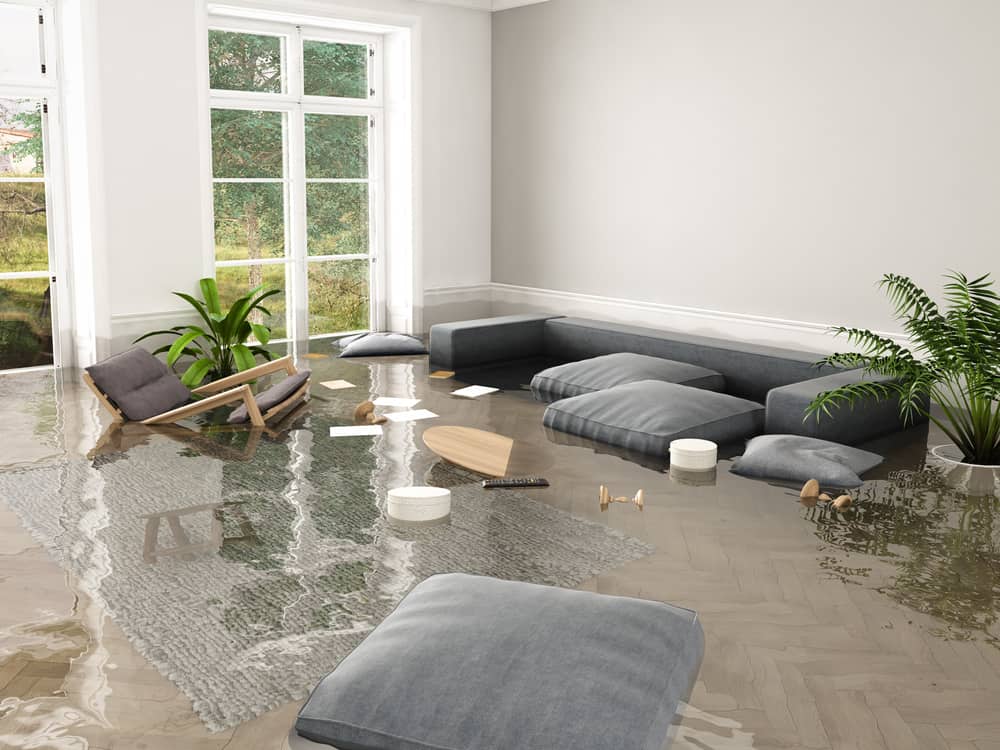
On arrival, our first priority is stopping any ongoing water intrusion and beginning extraction. Industrial-grade equipment pulls water from flooring, subfloor systems, and structural cavities the places a wet-vac simply can’t reach in a 1950s or 1960s split-level or Cape Cod. Moisture meters map the full extent of the saturation, including areas that look fine to the naked eye but are still holding water inside the wall or beneath the surface.
From there, the drying phase begins high-capacity dehumidifiers and air movers calibrated for the specific conditions of older Long Island construction. This phase typically runs three to five days, with daily monitoring to confirm the drying is progressing correctly. Once structural dryness is verified, we apply antimicrobial treatment where needed, and any necessary reconstruction work begins.
Throughout the entire process, we document damage in a format that holds up with insurance adjusters because in Nassau County’s high-stakes insurance market, documentation quality directly affects what gets covered. If your restoration requires permits through the Town of Hempstead Building Department, we factor that in from the start.

Ready to get started?
24/7 Water Damage Restoration North Merrick
Whether it’s a sump pump that gave out during a storm, a burst pipe in a finished basement, or water wicking through a foundation wall after a heavy nor’easter soaked the ground along the Meadowbrook State Parkway corridor we handle the full range of water damage situations that North Merrick homeowners actually face.
Flooded basement cleanup covers extraction, structural drying, dehumidification, antimicrobial treatment, and moisture verification before the job is closed. Storm damage restoration addresses the combination of events that South Shore storms produce: rising groundwater, overwhelmed drainage, and wind-driven rain entering through compromised rooflines or window wells simultaneously.
Burst pipe water damage response is built for speed because in a home with aging galvanized or cast-iron plumbing, every hour between the failure and the call matters. We also handle mold remediation when water damage has gone undetected or was previously cleaned up with inadequate equipment, which is a more common scenario in North Merrick’s older homes than most homeowners realize.
Commercial properties in North Merrick are covered as well, though the community is predominantly residential. For homeowners, our service runs from initial water removal through full reconstruction one company, one call, no coordinating between multiple contractors while your home is still wet.

Does homeowners insurance cover basement flooding in North Merrick, NY?
It depends on what caused the flooding, and that distinction matters more than most homeowners realize. Standard homeowners insurance typically covers sudden, accidental water damage from internal sources a burst pipe, a failed water heater, or an appliance overflow. What it does not cover is flooding caused by groundwater entering from outside, which is classified as flood damage and requires a separate flood insurance policy through the National Flood Insurance Program.
For North Merrick homeowners, this is a real and recurring issue. The South Shore water table is shallow, and when it rises during a major rain event or nor’easter, water can push through foundation cracks, floor seams, and sump pits and that type of intrusion is typically not covered under a standard policy. Sump pump failure coverage is sometimes available as a rider on a homeowners policy, but it varies by carrier and is not automatic.
The clearest path forward is to call us before you call your insurance company. Proper documentation of the damage captured before anything is moved or cleaned gives your adjuster the clearest possible picture of what happened and how. We work directly with insurance carriers and handle that documentation process as part of the job.
How fast does mold start growing after a basement flood?
The EPA’s guidance is clear: mold can begin developing within 24 to 48 hours of a water event under the right conditions. In practice, mold spores are always present in the air they just need moisture and a surface to colonize. Once a basement floods and water saturates drywall, subfloor material, or insulation, that clock starts immediately.
In North Merrick’s post-war homes, the risk is compounded by the construction. Plaster walls, original wood subfloor systems, and older insulation absorb and retain moisture longer than modern materials. A surface that feels dry to the touch 24 hours after a flood may still be holding significant moisture inside the wall cavity or beneath the flooring and that hidden moisture is where mold takes hold before you see or smell anything.
This is exactly why professional moisture detection matters. Industrial moisture meters identify saturation levels in structural materials that visual inspection misses entirely. If you’ve had a basement flood in North Merrick and you’re not sure whether the cleanup was thorough, a professional assessment is the only way to know for certain not a visual check, and not a smell test.
My sump pump failed during a storm what should I do first?
The first thing to do is stop the source if you can but with a sump pump failure, the source is groundwater, so there’s no valve to shut off. What you can do is move anything off the floor that’s salvageable, avoid walking through standing water if there’s any chance electrical circuits are involved, and call us immediately. The 24-to-48-hour mold window starts the moment water enters the space.
Sump pump failures during storms are the most common water damage trigger in South Shore Nassau County communities like North Merrick, and for a straightforward reason: the power goes out exactly when the water table is highest. If your home doesn’t have a battery backup sump pump system, a power outage during a nor’easter or tropical storm means your primary pump is offline at the worst possible moment.
Once we extract the water and dry the space professionally, it’s worth having a conversation with a waterproofing contractor about a battery backup system but that comes after the immediate damage is addressed. The priority right now is getting the water out before the damage compounds. We respond to these calls around the clock and can assess the full scope of the situation on arrival.
How long does water damage restoration take in a North Merrick home?
For a typical basement flood in a North Merrick home one room or one level, no structural damage, no pre-existing mold the process generally runs about two to three weeks from start to finish. The extraction phase takes one to three days. The structural drying phase typically runs three to five days, with daily monitoring to confirm progress. After drying is verified, any reconstruction work replacing drywall, subfloor sections, or insulation adds additional time depending on scope.
The age of the home is a real factor here. North Merrick’s post-war construction Cape Cods and split-levels built in the 1950s and 1960s dries differently than modern construction. Plaster walls hold moisture longer. Original subfloor systems may require more drying time or partial replacement. These are not complications that slow down the job unnecessarily; they’re realities that need to be accounted for to make sure the job is actually done correctly.
If mold remediation is required either because the water sat for more than 48 hours before treatment began, or because a previous cleanup was incomplete that adds time to the process. The only way to get an accurate timeline is an on-site assessment, which we provide at no charge.
Can I stay in my house during water damage restoration?
In most cases, yes but it depends on the extent of the damage and where in the home it occurred. If the water damage is contained to a basement or a single room and the rest of the home is structurally sound and free of air quality concerns, most families can remain in the house during the drying and restoration process. The equipment runs continuously, which means noise and some disruption, but it’s generally livable.
Where it becomes more complicated is when mold remediation is involved, or when the damage has affected HVAC systems and is circulating air through the rest of the house. In those situations, temporary relocation may be the safer and more practical option, particularly for households with children or anyone with respiratory sensitivities.
For North Merrick families who chose this community specifically for its school districts the North Merrick Union Free School District for younger kids, the Bellmore-Merrick Central High School District for grades seven through twelve disrupting the household routine is a real concern. That’s a conversation worth having during the initial assessment, so you have a clear picture of what the restoration timeline looks like and whether staying in the home is realistic for your situation.
What's the difference between water damage restoration and just drying things out?
Drying things out is one step in a multi-phase process it’s not the process itself. Professional water damage restoration starts with extraction, moves through structural drying, includes moisture verification using calibrated equipment, applies antimicrobial treatment where needed, and ends with reconstruction of any materials that couldn’t be saved. Each phase has to be completed correctly before the next one begins, and the whole thing needs to be documented in a way that satisfies an insurance adjuster.
The gap between “dried out” and “properly restored” is where most DIY water damage cleanup falls short. A box fan and a consumer dehumidifier will dry the surface of a floor. They won’t pull moisture out of the subfloor system, the wall cavity, or the insulation behind the drywall and in a North Merrick home built in the 1950s or 1960s, those are exactly the places where moisture hides and mold develops over the following weeks.
The other piece that matters in Nassau County’s insurance market is documentation. A restoration job that isn’t properly documented with moisture readings, drying logs, and a written scope of work can create problems when you file a claim. Insurance carriers expect to see evidence that the work was performed to IICRC standards. That’s not something you get from a rental dehumidifier and a weekend of effort; it’s what a certified restoration company produces as a standard part of the job.
Useful Links
Other Services we provide in North Merrick