
Water Damage Restoration in Plandome, NY
When a 1930s Tudor Hides More Than Character
Hear from Our Customers

Flood Restoration Services in Plandome, NY
The goal isn’t just to get the water out it’s to make sure nothing is left behind that causes a bigger problem six months from now. Hidden moisture inside plaster walls, under original hardwood floors, or in a stone foundation is what turns a water event into a mold remediation job. When the work is done right, you get a home that’s genuinely dry, not just one that looks dry.
Plandome homeowners face specific challenges. These are custom-built estates Dutch Colonials, English Tudors, Arts and Crafts Colonials many constructed in the 1920s through the 1950s. The same architectural features that make them extraordinary also make them harder to dry properly. Thick walls, deep basements, and complex rooflines require equipment and experience that goes well beyond what a general contractor brings to the job.
Much of Plandome drains into the Manhasset Bay Watershed with some properties feeding directly to the bay and others through the Leeds Pond sub-watershed. Flooding here isn’t always from an obvious indoor source. A sustained nor’easter or a heavy summer storm can push water into a home from directions that aren’t immediately obvious. Knowing how water moves through this specific geography matters when we’re mapping moisture and planning a drying strategy.
Nassau County Water Damage Restoration Experts
First Response Restoration & Cleaning Inc. is based in West Babylon and has been serving Nassau County homeowners for close to three decades. That’s not a marketing number it means we’ve worked through every kind of water emergency this area produces, from post-storm basement flooding in bay-adjacent neighborhoods like Plandome to burst pipe disasters in the middle of a February cold snap.
We’re IICRC-certified, licensed, bonded, and insured. We work directly with your insurance company, handling the documentation and billing so you’re not stuck playing middleman between your adjuster and your contractor. For Plandome residents protecting homes worth well over two million dollars, that level of accountability isn’t optional it’s the baseline.
When you call the Nassau County line 516-698-1776 you’re reaching a local team that knows North Shore properties, not a national call center routing your job to whoever’s available.
Emergency Water Removal Process in Plandome
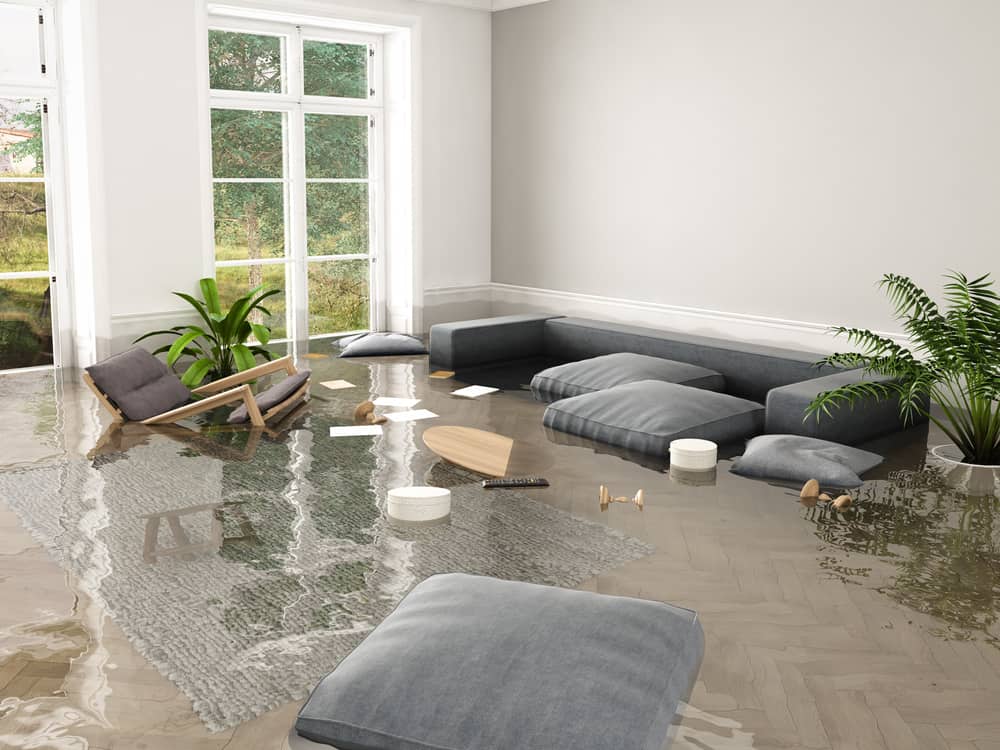
When you call, the first priority is getting someone on-site fast. The EPA is clear that water-damaged areas need to be dried within 24 to 48 hours to prevent mold growth so the clock matters from the moment water enters the structure. A technician arrives, assesses the full scope of the damage, and begins water extraction immediately. This isn’t a consultation it’s the start of the work.
Once the standing water is out, the real work begins. Industrial-grade dehumidifiers, air movers, and moisture meters go to work finding and eliminating moisture in the places you can’t see: inside walls, under floors, behind baseboards, in structural cavities. For the older homes common throughout Plandome with their plaster walls and original hardwood floors this step is where corners tend to get cut by less experienced crews. It’s also where the long-term outcome is decided.
Throughout the process, everything is documented for your insurance claim. Because Plandome is an incorporated village with its own building permit authority, any structural restoration work that follows will be permitted through the Village of Plandome directly not the Town of North Hempstead. We understand how that process works and can guide you through it. From extraction and drying through mold prevention treatment and full reconstruction, the job doesn’t end until your home is genuinely restored.

Ready to get started?
Residential Water Damage Repair in Plandome, NY
Water damage restoration in a Plandome home isn’t the same job it is in a post-war tract neighborhood. These properties are larger, older, and architecturally more complex which means the restoration has to account for materials and construction methods that most modern crews rarely encounter. Plaster walls behave differently than drywall. Stone foundations hold moisture differently than poured concrete. Original hardwood floors require a different drying approach than engineered flooring. We’ve spent nearly 30 years working on exactly these kinds of Long Island homes.
The full scope of our service covers emergency water extraction, structural drying, basement water extraction, dehumidification, moisture mapping, antimicrobial treatment for mold prevention, and complete reconstruction of any damaged areas. Whether the source is a burst pipe in a basement utility room, storm-driven flooding from the Manhasset Bay watershed during a nor’easter, or a failed appliance connection discovered after a long commute home from the city the response and the process are the same. Get there fast, dry it completely, document everything, and rebuild to the standard your home deserves.
Because New York State requires licensed contractors for mold assessment and remediation under Labor Law Article 32, you want to confirm that whoever you call is properly licensed for that work. We meet that requirement, and our IICRC certification means the remediation follows documented protocols that hold up when your insurance company reviews the claim.

Does homeowners insurance cover water damage in Plandome, NY?
Standard homeowners insurance typically covers sudden, accidental water damage things like a burst pipe, a failed water heater, or an appliance that overflows. What it does not cover is flooding. If water enters your Plandome home from outside storm surge off Manhasset Bay during a nor’easter, surface flooding from the Leeds Pond drainage area during a heavy rain event that falls under flood insurance, which is a separate policy entirely. Many homeowners in this area discover that distinction for the first time after a storm, which is a difficult moment.
The other common coverage gap is gradual damage. If a pipe has been slowly leaking for months and the insurer can show the damage was ongoing and unaddressed, the claim may be denied on maintenance grounds. This is one reason prompt response matters calling us quickly, getting the damage properly documented before an adjuster arrives, and having an IICRC-certified crew on record actually strengthens your claim. We handle direct insurance billing and coordinate with adjusters on your behalf, so you’re not navigating that process alone.
How fast does mold start growing after water damage occurs?
Mold spores can begin germinating within 24 hours under the right conditions, and visible growth typically appears within 48 to 72 hours. In Plandome’s humid subtropical climate hot, humid summers with elevated ambient moisture levels that window can feel even tighter during the warmer months. A flooding event in July or August creates conditions where mold establishes itself faster than it would in a dry, cool environment.
This is why the response timeline isn’t just about convenience it’s about the difference between a water damage job and a water damage plus mold remediation job. The longer water sits in a structure, the more the scope and cost of the work expands. If you’re commuting into the city and you come home to a flooded basement that’s been sitting since morning, the first call you make matters. Getting extraction started the same day is the single most effective thing you can do to keep the problem from compounding.
How long does water damage restoration typically take in a larger home?
For most homes, the drying phase alone takes three to five days using professional equipment industrial dehumidifiers and air movers running continuously, not consumer-grade fans. The full restoration process, from initial water extraction through repairs and reconstruction, averages around two weeks for moderate damage. For a larger estate home in Plandome where square footage often exceeds 4,000 square feet and construction involves plaster walls, stone foundations, and original hardwood floors the timeline can extend depending on how deeply moisture has penetrated the structure.
The honest answer is that the timeline is determined by what the moisture meters show, not by a calendar. A crew that pulls equipment too early because a surface looks dry is setting you up for a mold problem weeks later. Every day of the drying phase, readings are taken throughout the structure to confirm progress. When the numbers are where they need to be, the reconstruction phase begins. Rushing that process to meet an arbitrary deadline is one of the most common ways restoration jobs go wrong in older, complex homes.
What causes basement flooding in Plandome homes specifically?
The most common causes fall into two categories: internal system failures and external water intrusion. On the internal side, aging infrastructure is the primary driver. Plandome’s housing stock is predominantly custom-built estates from the 1920s through the 1950s, and many of these homes still have original or early-replacement plumbing systems galvanized pipes, older water heaters, aging appliance connections that are well past their design life. A pipe joint that has been under pressure for 60 or 70 years doesn’t fail on a schedule. It fails when it fails, often during a cold snap when freeze-thaw stress pushes it over the edge.
On the external side, Plandome’s position within the Manhasset Bay Watershed means that sustained rainfall or coastal storm events can overwhelm drainage and push water into basements through foundation walls or window wells. Properties in the Leeds Pond sub-watershed area are particularly susceptible during heavy rain because stormwater from higher terrain moves through that system before reaching the bay. Sump pump failures during power outages which are not uncommon during the nor’easters that hit this part of Nassau County are another frequent cause of basement flooding in Plandome.
Can I stay in my home during the water damage restoration process?
In most cases, yes particularly when the damage is contained to a basement or a single area of the home. The restoration equipment runs continuously, which creates some noise and airflow throughout the affected space, but it’s generally livable. The bigger consideration is the extent of the damage and whether any health concerns are present. Category 3 water sewage backup, groundwater intrusion, or heavily contaminated floodwater requires a higher level of caution, and depending on the scope, temporary relocation may be the safer choice.
For Plandome homeowners with larger homes, the containment of the affected area is usually manageable. If the flooding is isolated to a basement utility room or a single floor, the rest of the home remains functional. Our restoration team will give you a clear picture of what to expect during the assessment including whether the drying equipment placement will affect primary living areas. If your insurance policy includes additional living expense coverage, temporary relocation costs may be covered if the damage is severe enough to make the home uninhabitable.
How do I choose the right water damage restoration company in Plandome?
The most important thing to verify is IICRC certification. This is the industry’s recognized credential it means the technicians have been trained to documented standards, and the work will follow protocols that insurance companies accept. In a community like Plandome, where you’re protecting a home worth well over two million dollars, working with a non-certified company introduces real risk both to the quality of the restoration and to the integrity of your insurance claim.
Beyond certification, look for a company with genuine Long Island experience, not a national franchise that dispatches crews from a regional hub. The North Shore’s older housing stock, the Manhasset Bay watershed dynamics, and the specific permitting structure of an incorporated village like Plandome are things a local company knows and a franchise typically doesn’t. Ask whether they handle direct insurance billing that’s a practical indicator of how experienced they are with the claims process. And ask for a clear scope of work before anything starts, so you know exactly what’s included and there are no surprises when the invoice arrives.
Useful Links
Other Services we provide in Plandome