
Water Damage Restoration in Saddle Rock, NY
When 70-Year-Old Pipes Fail in a Saddle Rock Ranch Home, Every Minute Counts
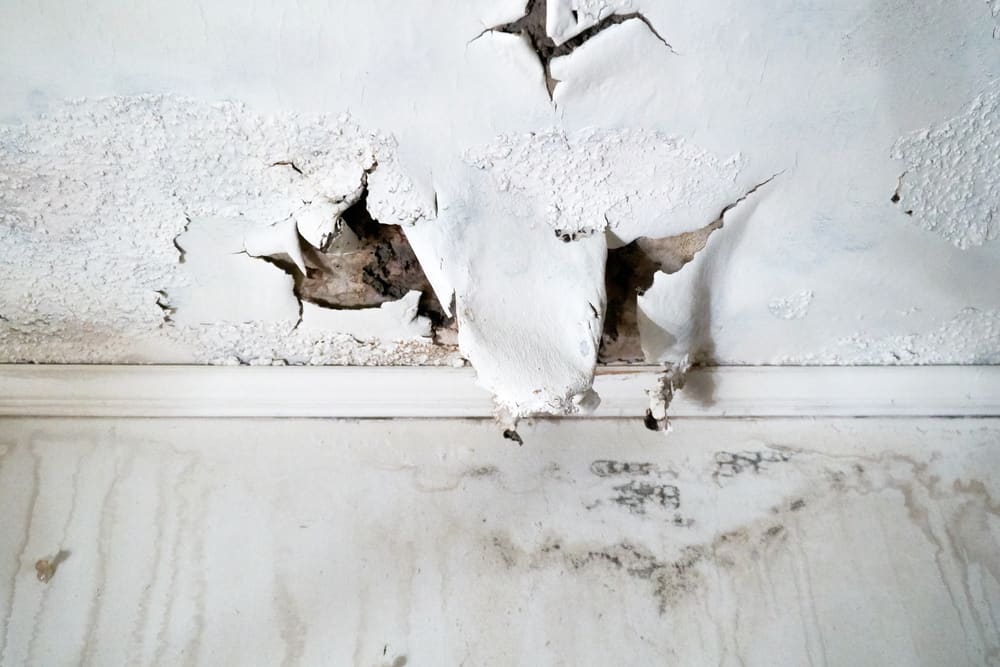
Hear from Our Customers

Flood Restoration Saddle Rock, NY
When water gets into a Saddle Rock home, the damage doesn’t stop at the surface. These 1950s ranch-style builds have original subfloor materials, aging plumbing, and single-story layouts that let water travel horizontally across the entire footprint of the house within minutes. What looks like a contained mess on the floor is often already inside the walls, under the hardwood, and working its way toward the slab.
The outcome you’re looking for isn’t just “dry” it’s confirmed dry, documented, and verified with professional moisture detection equipment that finds what you can’t see. That matters even more in Saddle Rock, where homes routinely sell for $1.5 million or more. Hidden moisture left behind after a surface cleanup becomes a mold problem in six to eight weeks, and a mold problem in a high-value home becomes a disclosure issue, an insurance dispute, and a hit to your property’s worth.
The EPA is clear: water-damaged areas need to be dried within 24 to 48 hours to prevent mold growth. Getting the right team in fast one that uses industrial-grade drying equipment, not consumer fans is what separates a clean resolution from a months-long remediation project down the road. We use moisture meters and thermal imaging to map the true scope of saturation before any equipment gets placed. That documentation becomes part of your insurance file.
Residential Water Damage Repair Nassau County
First Response Restoration and Cleaning Inc. has been serving Nassau County homeowners for close to three decades. That’s not a marketing number it means we’ve worked through nor’easters on the North Shore, responded to flooded basements in Great Neck Peninsula communities, and handled the specific challenges that come with aging mid-century homes in Saddle Rock and surrounding villages.
We’re based in West Babylon and operate with a dedicated Nassau County line, which means when you call, you reach a local team not a dispatcher routing a crew from out of state. Every technician on our team is IICRC-certified, and we’re licensed, bonded, and insured. That combination matters because it means the work follows documented, insurance-accepted protocols from the first hour on-site.
We work directly with your insurance company, handle the paperwork, and produce the kind of restoration records that hold up when an adjuster reviews the claim. For a Saddle Rock homeowner dealing with a high-value property, that paper trail from day one is not a minor detail it’s often the difference between a full settlement and a disputed one.
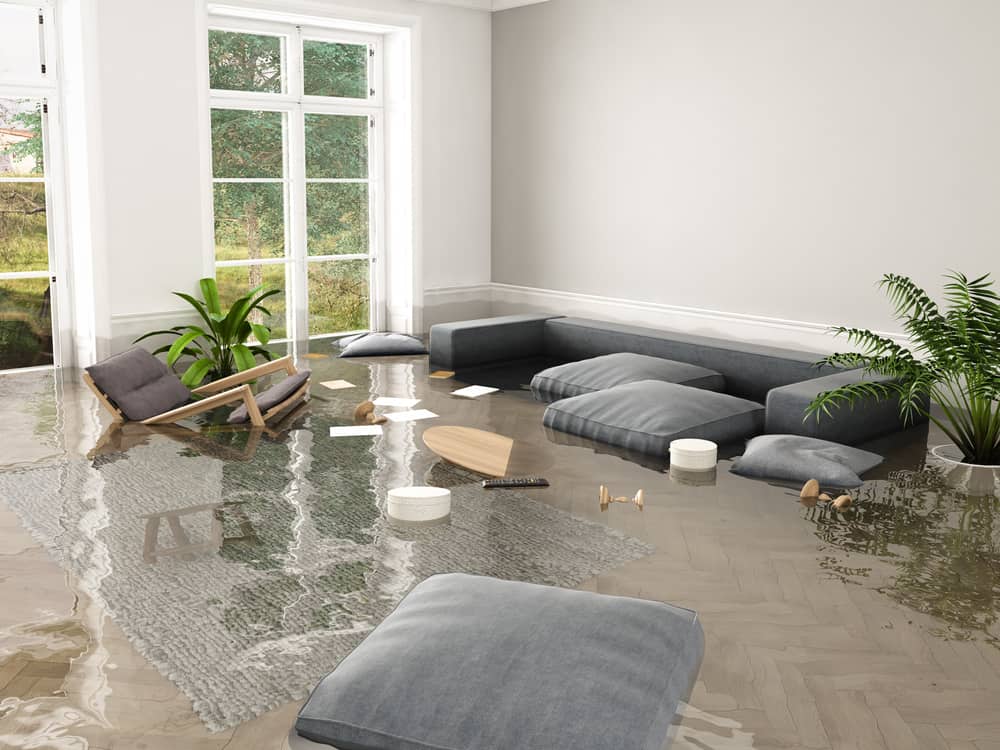
Burst Pipe Water Damage Saddle Rock, NY
The first call triggers an immediate response. We operate around the clock because water damage doesn’t schedule itself, and in a single-story ranch home where water can reach every room in minutes, the gap between calling at midnight and waiting until morning is the difference between a drying job and a full mold remediation.
When we arrive, the first priority is stopping the source and assessing the true scope of the damage. That means moisture meters and thermal imaging not a visual scan. In Saddle Rock’s older homes, water hides inside original wall cavities, beneath 1950s-era subfloor materials, and in spaces that look fine to the naked eye. We map all of it before any equipment gets placed.
From there, water extraction begins using industrial-grade equipment, followed by structural drying with commercial air movers and dehumidifiers positioned to pull moisture out of the building materials themselves not just the air. The drying phase is monitored daily and typically runs three to five days depending on the extent of saturation. Because Saddle Rock homes were built before 1978, any work that disturbs painted surfaces falls under EPA renovation rules, and we handle that compliance automatically.
Once the structure reads dry across all monitoring points, the documentation is compiled and submitted directly to your insurer. You get a final walkthrough with the same technician who started the job not a different crew member handing off paperwork.

Ready to get started?
24/7 Water Damage Restoration Saddle Rock, NY
Water damage restoration in Saddle Rock isn’t a one-size situation. The village sits between Little Neck Bay to the west and Udalls Pond to the south. During extended rainfall or a strong nor’easter, groundwater tables in this part of Nassau County can rise to within a few feet of basement floors, pushing water through foundation walls and floor drains even after the storm has passed. That’s a different problem than a burst pipe, and it requires a different approach.
We handle the full scope: emergency water removal, basement water extraction, structural drying, dehumidification, mold prevention treatment, and reconstruction back to pre-loss condition. There are no handoffs to separate contractors for different phases. One team, one point of contact, from the first call through the final inspection.
For Saddle Rock homeowners specifically, the insurance coordination piece carries extra weight. Many properties in the village sit in FEMA Zone X, which means flood insurance isn’t mandatory and some homeowners may not carry it. Standard homeowners insurance covers sudden, accidental water damage from internal sources like burst pipes, appliance failures, and supply line breaks. We help you understand what your policy covers, document the damage to the standard your insurer requires, and handle direct billing so the claim process doesn’t fall on you to navigate alone.

Does homeowners insurance cover water damage in Saddle Rock, NY?
Standard homeowners insurance covers sudden, accidental water damage things like a burst pipe, a water heater that fails, a washing machine hose that gives out, or an appliance overflow. What it does not cover is flooding, which is defined as water entering the home from an external source like storm surge, tidal overflow, or groundwater. These are two separate coverage categories, and the distinction matters a lot in Saddle Rock, which borders both Little Neck Bay and Udalls Pond.
Because Saddle Rock sits in FEMA Zone X, flood insurance isn’t required and many homeowners in the village don’t carry a separate flood policy. If a nor’easter pushes water toward the peninsula and it enters your home, that damage may not be covered under your standard policy. On the other hand, if your 1950s-era plumbing fails during the same storm, that portion of the damage likely is covered.
Getting the documentation right from the start separating what’s a covered internal source from what isn’t is where having an IICRC-certified restoration team on-site from the beginning makes a real difference in your claim outcome. We produce detailed moisture mapping and extraction records that adjusters expect to see, which protects your settlement.
How quickly does mold start growing after water damage in a home?
The EPA’s guidance is 24 to 48 hours that’s the window you have to get water-damaged materials dried before mold spores begin to colonize. In practice, mold spores can begin germinating within the first 24 hours under the right conditions, and visible growth typically appears within 48 to 72 hours. The clock starts the moment water makes contact with organic building materials like drywall, wood framing, and subfloor panels.
In a single-story ranch home which describes most of the housing stock in Saddle Rock this timeline is especially unforgiving. There’s no second floor to contain the spread. Water moves laterally across an open floor plan and soaks into original materials that in many cases have never been disturbed since the 1950s.
Consumer-grade fans and wet-vacs don’t extract moisture from inside wall cavities or beneath flooring. Industrial drying equipment does. The faster we get in with the right equipment, the smaller the remediation scope and the lower your overall cost.
What causes basement flooding in homes near Udalls Pond and Little Neck Bay?
The tidal proximity of Saddle Rock creates a water intrusion risk that’s different from what most homeowners think of when they picture a flooded basement. It’s not always a pipe or a storm drain sometimes it’s the water table itself. During extended rainfall or a nor’easter tracking up the East Coast, groundwater tables in Nassau County’s North Shore communities can rise to within a few feet of basement floor level. When that happens, water pushes through foundation walls, floor drains, and any gap in the slab not because of a single failure point, but because the ground around the house is saturated.
The adjacent Saddle Rock Estates hamlet has a documented history of basement flooding from Old Mill Pond Brook, serious enough that residents petitioned Nassau County to culvert the brook back in the 1940s. The underlying drainage conditions haven’t changed. For Saddle Rock homeowners, this means a flooded basement during a major storm may have multiple simultaneous entry points, and the water may keep infiltrating as long as the table stays elevated.
Sump pump failure during a power outage common during nor’easters accelerates the problem significantly. Addressing this kind of flooding requires extraction equipment and structural drying capable of handling ongoing infiltration, not just a standing water removal.
How long does water damage restoration typically take?
For most homes, the drying phase alone runs three to five days when industrial equipment is placed correctly and monitored daily. Water extraction typically takes one to three days depending on the volume involved. After the structure reads dry across all monitoring points, any necessary repairs drywall replacement, flooring, subfloor panels add additional time. A typical water damage restoration project from initial extraction through completed repairs runs about two to three weeks for moderate damage. Extensive flooding that reaches structural framing or leads to mold growth can extend that timeline significantly.
For Saddle Rock’s older ranch-style homes, the timeline can be influenced by what’s behind the original walls. Mid-century construction sometimes used materials that absorb moisture differently than modern drywall and engineered wood and some of those materials take longer to dry thoroughly. The monitoring process accounts for this. Equipment stays in place until readings confirm the structure is genuinely dry, not just surface-dry.
Should I call a restoration company before calling my insurance company?
Yes and for a practical reason. Your insurance company will send an adjuster to assess the damage, but adjusters work on their own schedule. In the meantime, your home is still wet, and the 24 to 48 hour mold window doesn’t pause for the claims process. Calling us first means the damage gets documented and mitigation begins before conditions deteriorate further.
Most policies actually require you to take reasonable steps to mitigate damage promptly waiting for an adjuster before acting could complicate your claim rather than protect it. We work directly with insurance companies and handle the documentation and billing coordination from the start. When the adjuster does arrive, our IICRC-certified process produces the kind of detailed moisture mapping, extraction records, and drying logs that adjusters expect to see.
For a Saddle Rock homeowner dealing with a high-value claim, having that paper trail in place from day one is not a minor detail it’s often the difference between a full settlement and a disputed one.
How do I know if my Saddle Rock home has hidden moisture after a water event?
The honest answer is that you usually can’t tell without professional detection equipment. A floor that looks dry to the touch can still have moisture inside the subfloor. A wall that shows no visible staining can have saturated insulation and wet framing behind it. In Saddle Rock’s 1950s ranch homes many of which have had minimal structural renovation since they were built original materials like plank subfloors, older insulation types, and original drywall compounds absorb and hold moisture differently than modern materials. What dries on the surface may stay wet inside for days.
Professional moisture meters and thermal imaging cameras detect temperature differentials that indicate moisture presence inside building assemblies. This is standard practice for IICRC-certified technicians and the reason why a proper assessment covers the full structure not just the visibly affected area.
If your home experienced any water intrusion and you dried it yourself with fans, it’s worth having us perform a professional moisture check done before you close walls or reinstall flooring. Finding hidden moisture at that stage is far less disruptive and far less expensive than finding mold six weeks later.
Useful Links
Other Services we provide in Saddle Rock