
Water Damage Restoration near Sands Point, NY
When Three Harbors Mean Water Can Come From Any Direction
Hear from Our Customers

Flood and Water Damage Restoration, Nassau County
The goal isn’t just to get the water out. It’s to make sure nothing is left behind not in the walls, not under the floors, not inside the structural cavities of a home that took years and significant investment to build. When water damage is handled correctly, you don’t spend the next six months wondering what’s growing behind the drywall.
For Sands Point homeowners, that standard matters more than most. The village’s housing stock runs the full range pre-war Gold Coast estates with original plaster walls and aging plumbing, mid-century homes built when insulation standards were different, and newer luxury construction on large lots. Every one of those building types responds differently to water intrusion, and surface-level cleanup doesn’t cut it when moisture has migrated into a wall cavity or subfloor assembly.
Sands Point’s geography adds another layer of complexity. With water on three sides, a nor’easter can push surge from the Sound while groundwater rises from below especially in lower-elevation areas where the Harbor Hill Moraine terrain concentrates drainage. Getting the outcome right means accounting for all of it, not just what’s visible on the floor. We use moisture meters and thermal imaging to find water that’s traveled into spaces you can’t see, because that’s where mold grows if it’s left behind.
Residential Water Damage Repair near Sands Point, NY
We’ve been serving Long Island homeowners since the mid-1990s. That’s nearly three decades of water damage calls, storm responses, and insurance claims across Nassau and Suffolk County including the kinds of high-value, complex properties that line the shores of Sands Point and the surrounding North Shore communities.
We’re fully IICRC-certified, which matters more than it might sound. IICRC certification is the standard that insurance adjusters including NFIP flood adjusters expect when they review a restoration claim. It means the work is documented and performed to a protocol that holds up, not just cleaned up and crossed off. We’re also licensed, bonded, and insured, and we handle direct billing with your insurance company so the claim process doesn’t fall on you.
For a village like Sands Point, where properties carry serious value and homeowners have high expectations, that combination of credentials and experience isn’t a bonus it’s the baseline.
24/7 Water Damage Restoration near Sands Point, NY
When you call, someone picks up day or night. The first step is getting a technician on-site quickly, because the EPA is clear that water-damaged areas need to be dried within 24 to 48 hours to prevent mold growth. That window doesn’t move, and it doesn’t care that it’s 2 a.m. during a nor’easter.
Once on-site, we do a full assessment not just of what’s visible, but of what the moisture meters and thermal imaging reveal inside walls, under flooring, and in any structural cavities where water may have traveled. In older Sands Point homes with plaster walls, multiple subfloor layers, or finished lower levels, that step is especially important. Water moves further and faster than most people expect, and the damage that shows up weeks later is almost always the damage that wasn’t found on day one.
From there, extraction and structural drying begin using industrial-grade equipment not consumer fans, not shop-vacs. The drying phase typically runs three to five days depending on the scope, followed by any necessary mold prevention treatment, documentation for your insurance claim, and then the repair and rebuild phase. Because Sands Point is an incorporated village with its own building authority, any structural work requiring permits goes through the Village of Sands Point’s building department directly not Nassau County, not the Town of North Hempstead. We know that process and handle it accordingly.
Ready to get started?
Burst Pipe and Flood Damage Repair near Sands Point
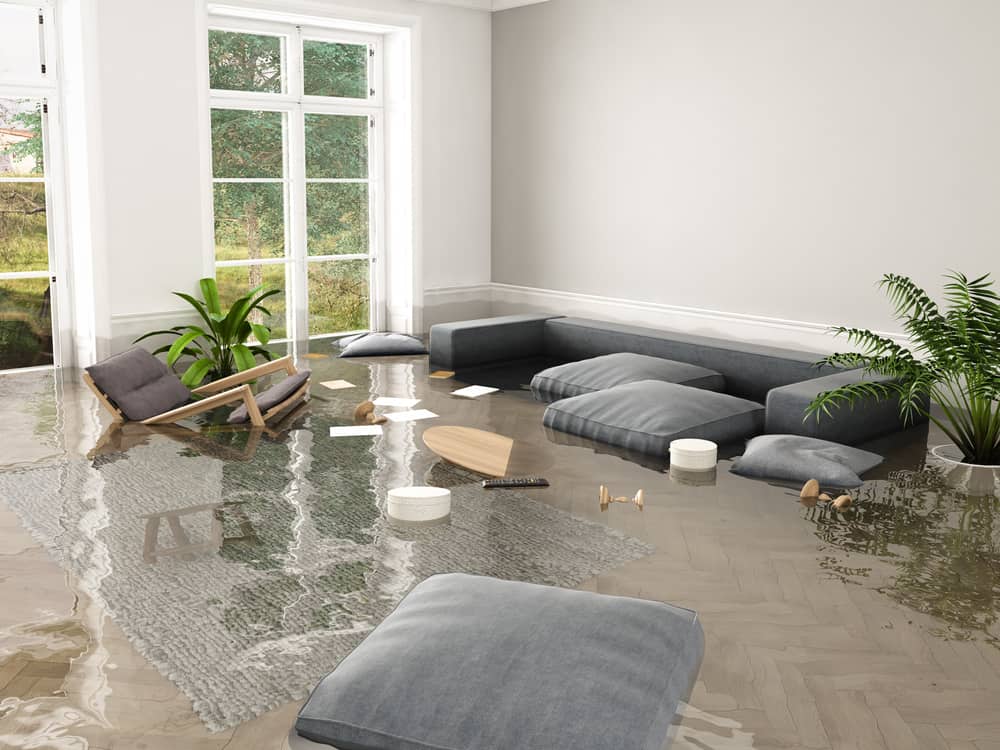
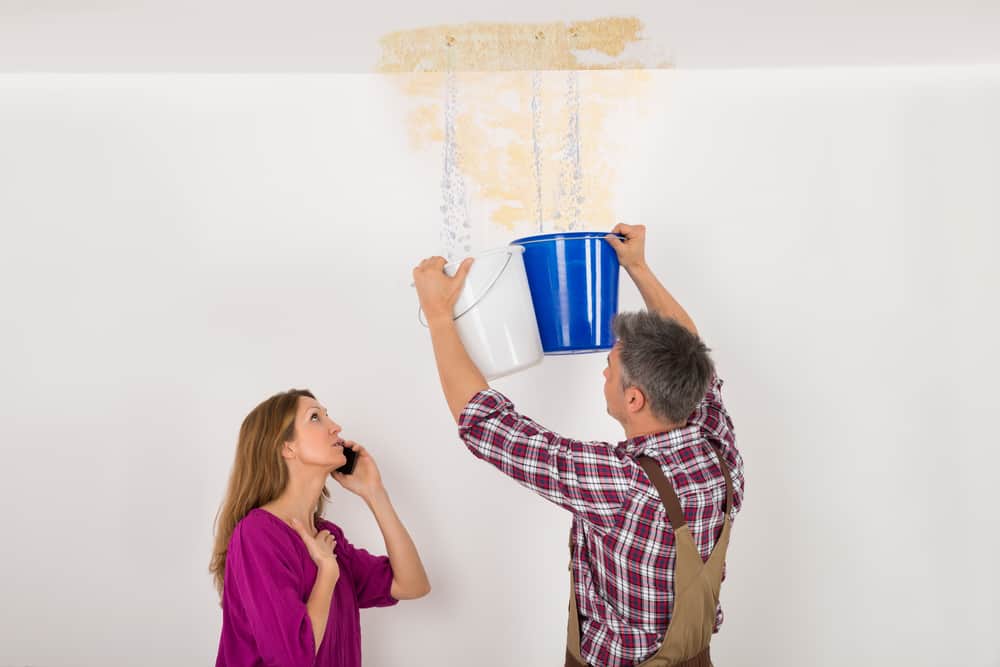
Water damage restoration in Sands Point covers a wide range of scenarios a burst pipe in an older estate home with original galvanized supply lines, storm surge pushing through a lower level during a coastal nor’easter, a flooded basement after groundwater rises through the moraine terrain, or a washing machine line that let go while you were away. The cause changes the category, and the category changes how the job gets done.
We handle the complete scope: emergency water extraction, structural drying and dehumidification, moisture mapping, antimicrobial treatment, mold prevention, contents handling, and full reconstruction. There are no named service tiers the scope is built around what your specific property actually needs, assessed on-site by a certified technician.
One thing worth understanding in Sands Point specifically: many homeowners carry both a standard homeowners policy and a separate NFIP or private flood insurance policy. Those two policies cover different causes of damage your homeowners policy typically covers sudden internal events like a burst pipe, while flood insurance covers storm surge and groundwater intrusion. We work directly with both, handle the documentation for each, and coordinate with adjusters so you’re not stuck managing two separate claims processes while also living in a disrupted home. The goal is to make one call and have the rest handled.

Does homeowners insurance cover water damage from a burst pipe in Sands Point?
In most cases, yes standard homeowners insurance covers sudden, accidental water damage from internal sources like burst pipes, appliance failures, or an overflowing fixture. The key word is “sudden.” If the pipe failed because of a slow, unaddressed leak over time, your insurer may push back on the claim on the basis of inadequate maintenance. That’s a common denial reason, and it’s worth knowing before you file.
What homeowners insurance does not cover is flooding meaning water that enters your home from outside, including storm surge from Long Island Sound or groundwater rising through your foundation. For that, you need a separate flood policy through the NFIP or a private carrier. In Sands Point, where parts of the village carry a FEMA VE flood zone designation, many homeowners carry both. If your water damage event involves both an internal source and storm-related intrusion which can happen during a major nor’easter you may be filing under two policies simultaneously. We handle direct billing and documentation for both, and can help you understand what falls under which claim.
How fast does mold actually grow after water damage, and why does it matter?
Mold spores can begin germinating within 24 hours under the right conditions. Visible growth typically appears within 48 to 72 hours, but by then, microscopic colonization is already underway in any area that stayed wet. The EPA recommends drying water-damaged areas within 24 to 48 hours specifically to cut off that window before it becomes a remediation problem on top of a restoration problem.
In a large Sands Point home particularly one with finished lower levels, multiple subfloor layers, or plaster walls over wood lath moisture migrates into spaces that aren’t immediately visible. A surface that feels dry to the touch can still be holding moisture inside a wall cavity. That’s why professional moisture mapping with meters and thermal imaging matters: it finds what you can’t see. If mold does develop, New York State’s Mold Law (Labor Law Article 32) requires a licensed mold assessor to write a remediation work plan and a separate licensed mold remediation contractor to execute it, with post-remediation clearance testing required. Getting ahead of that process by drying properly the first time is always the better outcome.
What's the difference between flood damage and water damage for insurance purposes?
This distinction trips up a lot of homeowners, and it has real financial consequences. Standard homeowners insurance covers water damage from internal sources pipes, appliances, fixtures when the damage is sudden and accidental. It does not cover flooding, which the insurance industry defines as water entering your home from an external source: storm surge, overflowing bodies of water, or surface water runoff.
For Sands Point residents, this matters because the village’s Long Island Sound shoreline carries a FEMA VE flood zone designation, and the inner harbor sides of the village carry AE or moderate flood zone designations. If a nor’easter pushes surge up from Manhasset Bay or Hempstead Harbor and water enters your lower level, that’s a flood claim not a homeowners claim. You’d need a separate NFIP or private flood policy for that to be covered. If the same storm also causes a pipe to freeze and burst, that portion of the damage would fall under your homeowners policy. These can happen at the same time, and documenting them correctly from the start is critical to getting both claims processed without a fight.
How long does water damage restoration take for a home in Sands Point?
The honest answer is that it depends on the scope, but here’s a realistic range. For a localized event say, a burst pipe that affected one room the drying phase typically takes three to five days with professional equipment, followed by repairs that might add another week depending on what needs to be replaced. For a more extensive event involving multiple rooms, a flooded lower level, or structural damage, the full timeline from initial extraction through final reconstruction averages around two to three weeks, though larger scopes can run longer.
In Sands Point specifically, a few factors can affect the timeline. Older homes with plaster walls, original hardwood floors, or custom millwork take longer to dry safely because aggressive drying can cause additional damage to irreplaceable materials the pace has to be managed carefully. Additionally, any structural work requiring permits must go through the Village of Sands Point’s building authority, which operates independently from Nassau County and the Town of North Hempstead. We’re familiar with that process, but it’s a real step that affects scheduling and should be factored into your expectations from the beginning.
Can I stay in my home during water damage restoration in Sands Point?
It depends on where the damage is and how extensive it is. For a contained event a burst pipe in one room, a localized basement flooding cleanup most homeowners can remain in the home while the work is being done. The industrial drying equipment is loud and the dehumidifiers run continuously, but it’s generally livable.
For more significant events involving widespread water intrusion, sewage backup, or suspected mold growth, temporary displacement may be the safer and more practical option. Sewage-category water (what the industry calls Category 3) is a health hazard, and mold remediation under New York State’s Article 32 requirements involves containment procedures that make portions of the home inaccessible during the work. If your homeowners or flood insurance policy includes loss of use coverage, temporary housing costs may be covered during the restoration period something worth confirming with your adjuster early in the process. We can help document the scope in a way that supports that part of the claim as well.
What should I do immediately after basement flooding in Sands Point, NY?
The first thing to do is make sure it’s safe to enter the space. If there’s any chance the water has reached electrical outlets, panels, or appliances, don’t go in until the power to that area has been shut off. Standing water and live electricity is a serious hazard, and it’s not worth the risk.
Once it’s safe, call a restoration company before you call your insurance company. This might feel counterintuitive, but getting a professional on-site first means the damage is properly documented with photos, moisture readings, and a written scope before anything is disturbed. That documentation is what supports your insurance claim, whether it’s under your homeowners policy for a plumbing failure or your flood policy for storm surge intrusion from Manhasset Bay or Hempstead Harbor. Resist the urge to start mopping or running fans on your own consumer equipment can’t reach moisture inside walls or under floors, and moving water around without extracting it can spread contamination further. In Sands Point, where a flooding event can involve both internal and external water sources depending on the storm, getting the documentation right from the start protects your claim and your home.
Useful Links
Other Services we provide in Sands Point