
Water Damage Restoration near Seaford, NY
When Seaford's Water Table Rises, We Respond in Hours
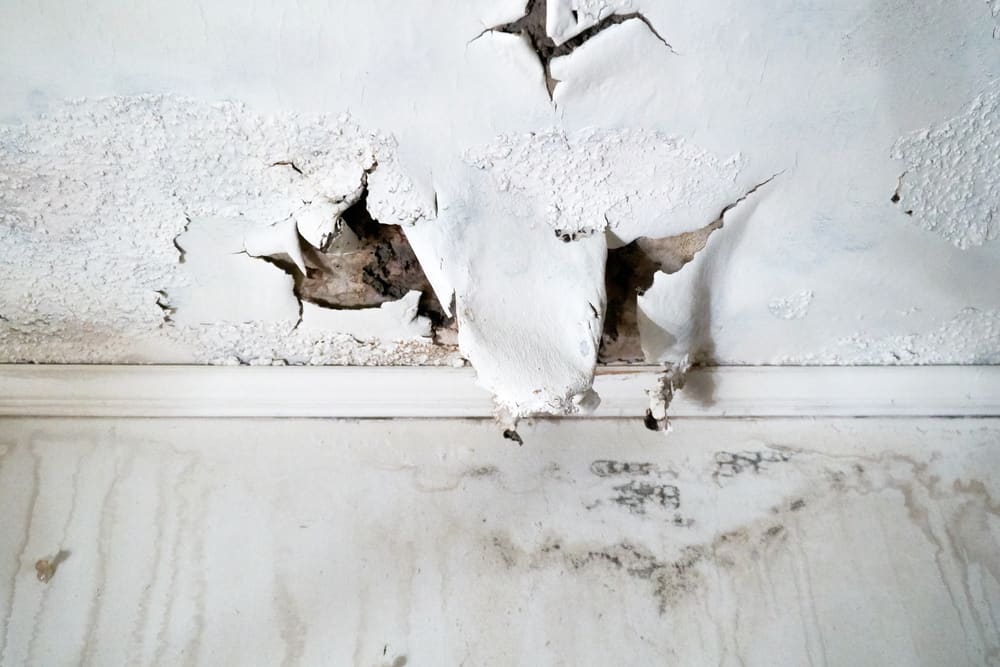
Hear from Our Customers

Flood Restoration near Seaford, NY
When the water is gone, you want to know it’s actually gone not sitting inside your walls, under your subfloor, or wicking into the framing of your finished basement. That’s the difference between real restoration and a surface-level cleanup that costs you again in six months when the mold shows up.
For Seaford homeowners, that distinction matters more than most. South of Sunrise Highway, the water table is never far from the surface. When a nor’easter knocks out power along the Wantagh State Parkway corridor and your sump pump goes with it, groundwater doesn’t wait. It finds the path of least resistance and in a Cape Cod or split-level built in the 1950s or 1960s, that path usually runs straight into your finished basement. We use industrial-grade extraction and structural drying equipment that reaches the moisture a shop vac and box fan simply cannot touch.
If you’re in one of Seaford’s canal-front neighborhoods near Seaford Harbor, the stakes are even higher. Storm surge pushing bay water through those canals brings contaminated water into your home the kind that requires a completely different remediation protocol than a burst pipe. Getting that right the first time protects your family’s health, not just your floors.
Residential Water Damage Repair near Seaford, NY
We’ve been serving Long Island homeowners for nearly three decades. That’s not a number pulled from a marketing sheet it’s the accumulation of thousands of jobs across Nassau and Suffolk County, including Seaford and the surrounding South Shore communities that share your exact flood exposure profile. We know what water does inside a 1960s split-level. We know what a finished Cape Cod basement looks like after a sump pump failure during a storm. That experience is specific, and it’s local.
We’re based in West Babylon and maintain a dedicated Nassau County line not because it sounds good, but because Seaford, Wantagh, Massapequa, and the surrounding communities are a primary part of what we do. Our technicians are IICRC-certified, and we’re licensed, bonded, and insured. We also work directly with your insurance company, handling documentation and billing so you’re not left managing that process while your home is still wet.
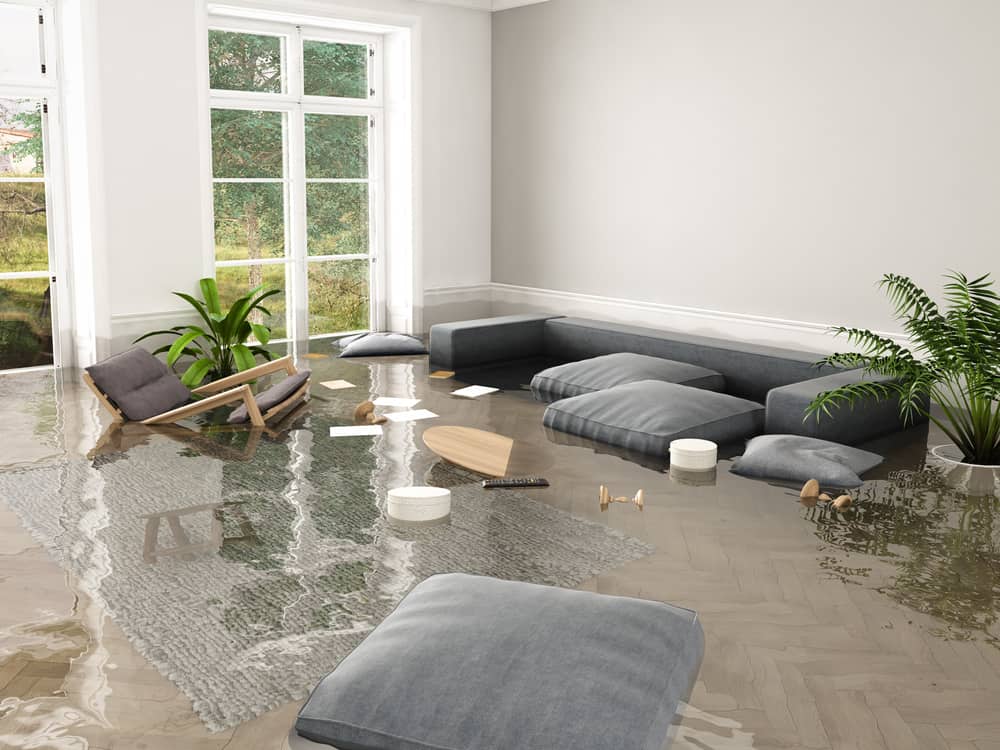
Basement Water Extraction near Seaford, NY
When you call, the first thing that happens is a real conversation not a form submission that goes into a queue. You describe what you’re dealing with, and we dispatch a team. For Seaford, that means a crew coming from West Babylon, familiar with the South Shore, not a franchisee being routed from somewhere out of state.
On arrival, we do a full assessment before touching anything. That includes moisture mapping using professional meters and thermal tools to find water that has traveled beyond what’s visible. In Seaford’s postwar housing stock, water from a burst pipe or a flooded basement rarely stays where you think it does. It moves into wall cavities, under tile, and into the structural framing behind finished drywall. You need to know the full picture before any drying begins.
From there, extraction comes first, then we position industrial drying equipment air movers, dehumidifiers, and in Category 3 situations like bay water intrusion, antimicrobial treatment as well. We monitor moisture levels daily until the structure reads dry. If the job requires reconstruction new drywall, flooring, or structural repairs that work is handled under the same roof. Because many Seaford homeowners in FEMA Zone AE carry both a homeowners policy and an NFIP flood policy, we document everything in a format that satisfies both adjusters. The Town of Hempstead requires permits for reconstruction work, and we coordinate that process as part of the job.

Ready to get started?
Storm Damage Restoration near Seaford, NY
Water damage restoration isn’t a single task it’s a sequence of them, and each one affects the next. We handle the full scope: emergency water removal, structural drying, moisture mapping, mold prevention, contents assessment, and reconstruction. You don’t need to coordinate multiple contractors or wonder whether the drywall crew knows what we found behind the walls.
For Seaford specifically, our service adapts to what this community actually deals with. Sump pump failures after storm-related power outages are the most common call on the South Shore and our response to that is different from a burst pipe in a Seaford North home or a storm surge event in Seaford Harbor. A pipe failure is typically Category 1 clean water, which carries the most straightforward remediation path. Bay water intrusion from the canal system is Category 3 contaminated, requiring full antimicrobial treatment and proper removal of porous materials that absorbed it. We know the difference and work accordingly.
We handle burst pipe water damage, flooded basement cleanup, storm damage restoration, and mold remediation following any water event. For homeowners along the Seaford-Oyster Bay Expressway corridor or near Cedar Creek Park who have older homes with original plumbing, we also provide the kind of thorough moisture mapping that catches slow leaks behind walls before they become a much larger problem.

Does homeowners insurance cover water damage from a sump pump failure in Seaford?
Standard homeowners insurance typically covers sudden and accidental water damage a burst pipe, for example but sump pump failure is a gray area that catches a lot of South Shore homeowners off guard. Most standard policies do not automatically cover sump pump overflow or backup. Coverage for that specific scenario usually requires a separate water backup endorsement, which is an add-on to your existing policy.
If your basement flooded because the sump pump was overwhelmed during a storm or lost power which is the most common scenario in Seaford during nor’easters and tropical storms you’ll want to review your policy carefully before assuming you’re covered. If the flooding came from outside the home, such as bay water or storm surge entering through the foundation or windows, that’s typically classified as flood damage and falls under a separate NFIP or private flood policy, not your homeowners insurance. Many Seaford homeowners in FEMA Zone AE are required to carry flood insurance as a condition of their mortgage, so that policy may be the one that applies. We can help you identify which policy covers which portion of the loss and document it correctly from the start.
How fast does mold start growing after a basement flood in Seaford, NY?
The EPA’s guidance is that water-damaged areas need to be dried within 24 to 48 hours to prevent mold growth. That window is real, and in Seaford’s humid South Shore climate especially during the warmer months it can close faster than homeowners expect. Mold spores are always present in the air. They don’t need to be introduced; they just need moisture and a surface to land on. Once those conditions exist, germination can begin within 24 hours, and visible growth typically follows within 48 to 72 hours.
The bigger risk in Seaford’s older housing stock isn’t the surface mold you can see it’s the moisture that stays hidden inside wall cavities, under subfloor material, and behind finished drywall in basement family rooms. Consumer fans and dehumidifiers don’t reach those spaces. If water sat in your basement for more than a few hours before extraction began, or if the drying process wasn’t monitored with actual moisture meters, there’s a real possibility that mold is developing somewhere you can’t see it yet. A professional assessment after any flooding event even one that looks like it dried up on its own is the only way to know for certain.
What is the difference between Category 1, 2, and 3 water damage?
These categories come from the IICRC S500 standard, which governs how professional water damage restoration should be performed. Category 1 is clean water a burst supply pipe, a leaking water heater, an overflowing sink. It’s the least hazardous and carries the most straightforward remediation process. Category 2, sometimes called gray water, involves water that may contain contaminants a washing machine overflow or a toilet backup without solid waste. Category 3, or black water, is significantly contaminated. This includes sewage backups, floodwater from outside the home, and storm surge.
This distinction matters a great deal for Seaford homeowners near the canals and bay. When storm surge pushes Great South Bay water through Seaford’s canal system and into homes, that water is Category 3 it carries marine pathogens, bacteria, and often sewage from overwhelmed drainage systems. Category 3 remediation requires personal protective equipment, antimicrobial treatment of all affected surfaces, and complete removal of porous materials like drywall, insulation, and carpet that absorbed the water. A company that treats Category 3 flooding the same way it treats a burst pipe is leaving your family in a home that isn’t actually safe. IICRC certification exists specifically to ensure these distinctions are understood and followed correctly.
How long does water damage restoration typically take for a Seaford home?
The honest answer is that it depends on what you’re dealing with. A minor pipe failure caught quickly where water didn’t travel far and extraction started within a few hours might be fully dried and documented within three to five days. A flooded basement where water sat overnight, moved into wall cavities, and soaked into the subfloor is a different situation. The drying phase alone typically takes three to five days with industrial equipment running continuously, and that’s before any reconstruction begins.
For a more significant loss the kind that involves structural repairs, new drywall, flooring replacement, or mold remediation in addition to drying the full process from initial extraction to finished reconstruction is generally two to three weeks for a standard basement situation. If the damage is extensive, or if you’re in a FEMA Zone AE property in southern Seaford and the loss triggers a substantial damage review by the Town of Hempstead, the permitting and reconstruction phase can extend that timeline further. Every hour of delay after a flooding event increases the scope of what needs to be done and the time it takes to do it.
Can I stay in my house during water damage restoration in Seaford?
In most cases, yes but it depends on the type and extent of the damage. If the flooding was contained to a basement and the rest of the home is structurally sound and has functioning utilities, most homeowners stay in place during the drying phase. Industrial drying equipment is loud and runs continuously, which is disruptive, but it doesn’t make the home uninhabitable on its own.
The situation changes when Category 3 water is involved. If your home took on bay water or sewage-contaminated floodwater which is a realistic scenario for canal-front properties in Seaford Harbor the affected areas should not be occupied until antimicrobial treatment is complete and air quality testing confirms the space is safe. The same applies if mold has already begun developing. For upper-floor living areas that weren’t directly affected by basement flooding, staying in the home is generally fine. We’ll walk you through what’s safe and what isn’t based on the actual conditions in your specific home not a blanket policy.
How does First Response Restoration & Cleaning handle the insurance process for Seaford homeowners?
The insurance process is where a lot of homeowners get stuck especially in Seaford, where many properties carry both a standard homeowners policy and a separate NFIP flood policy. Knowing which policy covers which portion of a loss, and documenting the damage in a way that satisfies both adjusters, requires experience with exactly this kind of dual-claim situation.
We work directly with your insurance company from the start. That means the damage is documented thoroughly moisture readings, photographs, scope of work in a format that adjusters recognize and accept. We communicate with your insurer on your behalf, which removes the back-and-forth that slows claims down and creates gaps in coverage. You’re not left trying to describe damage you can’t see to an adjuster who hasn’t been to your home yet. For Seaford homeowners dealing with storm-related losses where FEMA flood zone designations affect coverage, having a restoration company that understands how to navigate that process isn’t a luxury it’s what determines whether your claim gets paid correctly and completely.
Useful Links
Other Services we provide in Seaford