
Water Damage Restoration in Stewart Manor, NY
When a Century-Old Home Floods, Every Hour Counts
Hear from Our Customers

Flood Restoration Stewart Manor, NY
When the water is gone and the equipment is packed up, what you actually want is confidence confidence that the moisture is out of the walls, the floors aren’t going to buckle in three months, and your insurance claim was handled correctly from the start. That’s the outcome that matters, and it’s what drives how we work.
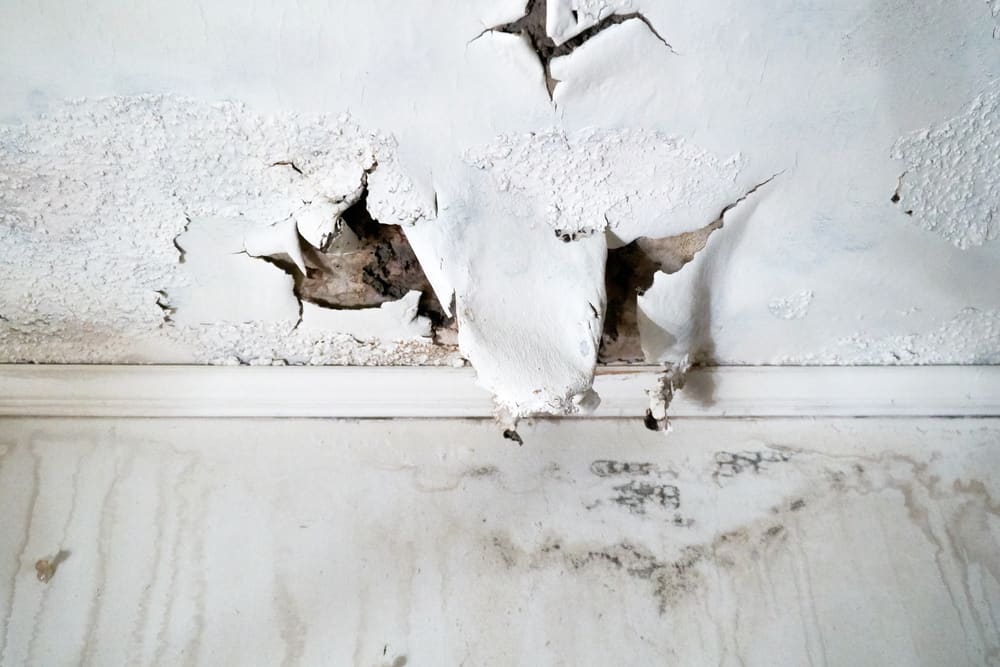
Stewart Manor’s housing stock makes this more important than it sounds. Most homes here were built in the 1920s and 1930s original plaster walls, hardwood subfloors, and construction methods that allow moisture to travel in ways modern drywall simply doesn’t. A surface-level cleanup that misses what’s inside the wall cavity isn’t a cleanup. It’s a mold problem with a delayed start.
The commuter dynamic here adds another layer. If a pipe lets go at 8 a.m. when the house is empty, it can run unchecked until someone gets home from the city that evening. That’s potentially ten hours of water migration into structural cavities before anyone even knows it happened. Getting a certified crew in quickly and drying thoroughly, not just visibly is the difference between a manageable claim and a months-long ordeal.
Residential Water Damage Repair Stewart Manor, NY
We’ve been restoring Nassau and Suffolk County homes for close to three decades. That means our team has worked throughout western Nassau County, in the same Tudor, Colonial, and Cape Cod homes that line the streets of Stewart Manor, Floral Park, Garden City, and New Hyde Park. We know what aging infrastructure looks like in this part of Long Island, and we know how it fails.
Every technician is IICRC-certified, which matters more than most homeowners realize. Insurance adjusters expect that certification. It means the work follows documented industry standards, and your claim is backed by a paper trail that holds up. We’re also fully licensed, bonded, and insured not because it’s required marketing language, but because on a home worth close to a million dollars in Stewart Manor, there’s no acceptable alternative.
24/7 Water Damage Restoration Stewart Manor, NY
The first call triggers a response, not a scheduling conversation. We operate around the clock because water damage in a commuter household doesn’t wait for business hours. When you call, a crew gets dispatched and the assessment begins the moment we arrive.
On-site, our team does a full moisture evaluation before anything else. That means moisture meters, not just a visual scan. In a Stewart Manor home built in the 1920s, water doesn’t stay where you can see it. It wicks into plaster, travels under hardwood, and pools in structural cavities that look completely dry from the surface. The assessment maps where the moisture actually is not just where the water visibly was.
From there, extraction and structural drying begins. Industrial-grade equipment air movers, dehumidifiers, and drying systems runs until the readings confirm the structure is genuinely dry, not just dry to the touch. Throughout this process, everything is documented for your insurance claim. We work directly with your insurance company, handling the paperwork and billing on your behalf. Any structural repairs that follow drywall, flooring, baseboards fall under the same roof, so you’re not coordinating three separate contractors after an already stressful event. If the scope of repairs requires a building permit through the Village of Stewart Manor, that’s part of the conversation upfront, not a surprise at the end.

Ready to get started?
Burst Pipe Water Damage Stewart Manor, NY
The most common water damage scenario in Stewart Manor isn’t a coastal flood it’s a plumbing system that has quietly outlived its design life. Galvanized steel pipes have a lifespan of roughly 40 to 70 years. Many homes here were built in 1925, 1928, 1932. The math isn’t complicated. Burst pipe water damage, sump pump failures during a heavy spring rain, and water heater failures are the everyday realities of owning a century-old home in Nassau County and they’re what we handle most in communities like Stewart Manor.
Beyond burst pipes, basement water extraction is a recurring need throughout western Nassau. The combination of older foundation walls, aging drain tile systems, and the kind of heavy rain that overwhelms mid-century storm drainage infrastructure means that a finished basement in Stewart Manor can take on water from multiple directions at once. We’re equipped to handle all of it water removal, structural drying, antimicrobial treatment to prevent mold growth, and full reconstruction of any damaged materials.
New York State’s mold law (Article 32 of the Labor Law) requires licensed contractors for any mold remediation project covering more than 10 square feet. We meet that requirement. If water damage in your home has led to mold or if you’re concerned it might the assessment will identify it, and the remediation will be done by a team that’s legally qualified to do it in the state of New York.

Does homeowners insurance cover water damage from a burst pipe in Stewart Manor?
In most cases, yes standard homeowners insurance covers sudden, accidental water damage from internal sources like burst pipes, water heater failures, and appliance overflows. The key word is “sudden.” If the damage resulted from a pipe that burst unexpectedly, your policy will typically cover water extraction, structural drying, and repairs. What policies generally don’t cover is gradual damage a slow leak that went unaddressed for months, or water intrusion from groundwater or flooding, which requires a separate flood insurance policy.
This distinction matters a lot in Stewart Manor, where many homes have original or near-original plumbing. If a galvanized pipe that’s been in place since 1930 finally gives out, that’s a sudden event and it’s typically covered. The documentation that supports your claim, however, matters enormously. We work directly with your insurance company, provide the moisture mapping and drying logs that adjusters require, and handle the billing directly. That process protects your claim from the start rather than leaving gaps that insurers can use to reduce a payout.
How fast does mold start growing after water damage in a Nassau County home?
The EPA’s guidance is clear: mold can begin developing within 24 to 48 hours of water exposure under the right conditions. In practice, mold spores start germinating within the first 24 hours, and visible growth typically appears within 48 to 72 hours. That window is tight, and it closes faster in older homes where materials like plaster, wood framing, and original subfloors hold moisture differently than modern construction.
For a Stewart Manor homeowner who commutes to the city, that window is especially unforgiving. A pipe that bursts in the morning can sit for eight to ten hours before anyone comes home. By the time it’s discovered, the 24-hour clock may already be partially expired. That’s why response time matters and why a thorough drying process that reaches inside wall cavities and under floors is the only thing that actually stops mold before it starts. Getting the moisture out quickly and completely is not optional. It’s what determines whether this is a one-week restoration or a months-long mold remediation project.
What's the difference between flood damage and water damage for insurance purposes?
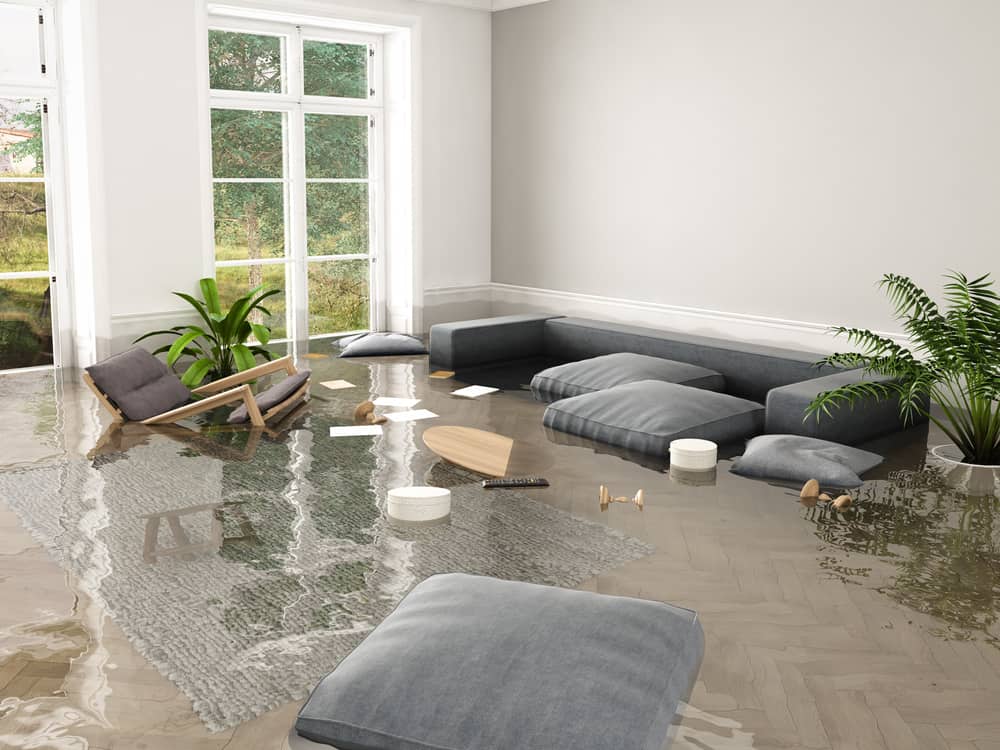
This is one of the most common points of confusion homeowners run into, and it has real financial consequences. Standard homeowners insurance covers water damage from internal sources pipes, appliances, plumbing systems. It does not cover flooding, which the insurance industry defines as water entering the home from an external source, including overflowing bodies of water, storm surge, and surface water runoff. Flooding requires a separate policy, typically through the National Flood Insurance Program.
For most Stewart Manor homeowners, the relevant coverage is the standard policy, because the most common water damage scenarios here burst pipes, sump pump failures, water heater leaks are internal events covered under a standard policy. If you’re in a low-lying area near Covert Avenue or close to the LIRR right-of-way where drainage patterns can concentrate runoff, it’s worth reviewing whether your current coverage includes any flood protection. When we arrive for an assessment, we can help you understand what category of damage you’re dealing with, which directly affects how the claim gets filed and what gets covered.
How long does water damage restoration take in a 1920s Stewart Manor home?
The honest answer is that it depends on the scope, but most residential water damage projects follow a general timeline. Water extraction typically takes one to three days. Structural drying the phase where industrial dehumidifiers and air movers run continuously to pull moisture out of the building materials usually takes three to five days. For a moderate event, like a burst pipe affecting one or two rooms, you’re generally looking at a total restoration timeline of about two to three weeks from initial dry-out through final repairs.
In a Stewart Manor home built in the 1920s, that timeline can extend slightly depending on what’s inside the walls. Plaster walls and original hardwood subfloors hold moisture longer than modern materials, and the drying equipment needs more time to reach equilibrium in those materials. The process isn’t rushed the moisture readings have to confirm the structure is genuinely dry before reconstruction begins. Starting repairs over wet materials is how you get mold six months later, and it’s not something we cut corners on regardless of how eager a homeowner is to get their home back to normal.
Can I stay in my home during water damage restoration in Stewart Manor?
It depends on which part of the home is affected and how extensive the damage is. If the water damage is contained to a basement or a single room, most families can remain in the home while drying equipment runs. The equipment is loud and the dehumidifiers run continuously, but it’s manageable. If the damage affects living areas, HVAC systems, or has produced significant mold, temporary relocation is often the safer and more practical choice.
For Stewart Manor families with children in the Elmont or Sewanhaka school districts, the disruption question is real especially during the school year. We can walk you through what to expect in terms of noise, access limitations, and timeline so you can make an informed decision about whether to stay or make temporary arrangements. If your insurance policy includes additional living expense coverage (many do), that coverage can help offset the cost of temporary housing while restoration is underway. It’s worth asking your adjuster about that coverage as early as possible in the claims process.
Why should I call a restoration company before calling my insurance company?
You don’t have to wait for your insurer before making a call. In fact, calling a restoration company first often works in your favor. When we arrive before an adjuster does, we can document the damage thoroughly moisture readings, photographs, scope notes while the evidence is fresh and the full extent of the damage is visible. That documentation becomes the foundation of your claim. Without it, you’re relying on an adjuster’s single visit to capture everything, which doesn’t always result in a complete picture.
This matters especially in older homes like those in Stewart Manor, where damage can be less obvious on the surface. A water event that looks minor in a 1920s home a little water on the basement floor, some staining on a wall can involve significant moisture inside structural cavities that an adjuster without specialized equipment simply won’t detect. We work directly with insurance companies after the assessment, so calling us first doesn’t create a conflict with your insurer. It just means your claim is backed by better documentation from the start, which protects your payout and avoids the back-and-forth that delays settlement.
Useful Links
Other Services we provide in Stewart Manor