
Water Damage Restoration in University Gardens, NY
When a 1920s Tudor Meets a Burst Pipe, Every Hour Counts
Hear from Our Customers

Flood Restoration, University Gardens, NY
Water damage in University Gardens isn’t just a repair problem it’s a property value problem. With median home values approaching $975,000 and property taxes running over $10,000 a year, what happens inside your walls directly affects what you’ve spent decades building. Getting the response right the first time isn’t optional.
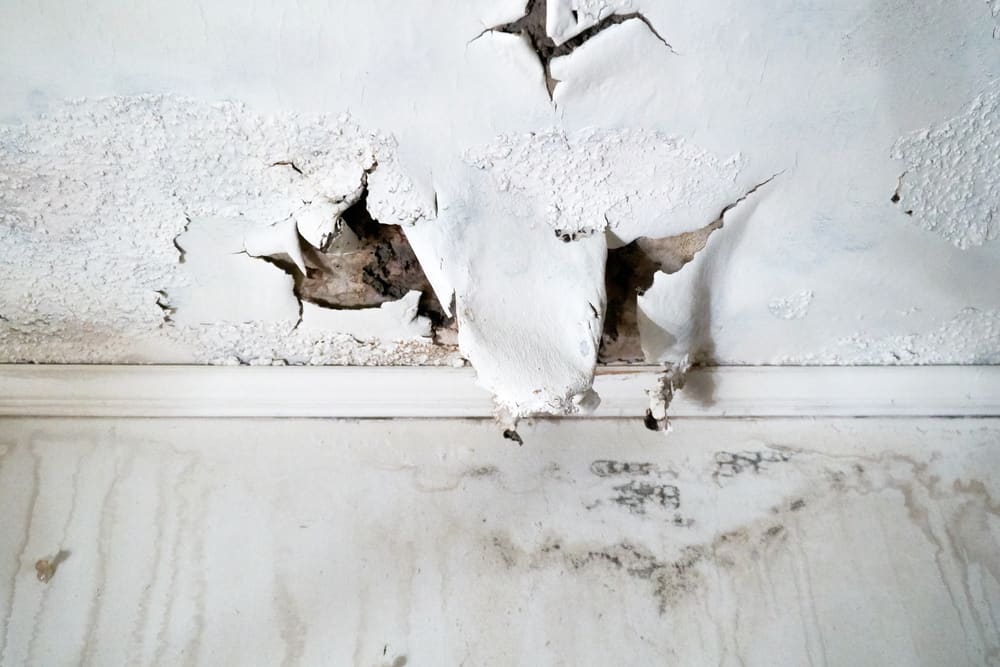
The housing stock here is part of what makes this neighborhood worth protecting. Many of the Tudor and colonial homes along these tree-lined streets were built in the 1920s and 1930s beautiful, distinctive, and full of original plaster walls, wood lath, and hardwood floors that absorb moisture differently than modern construction. When water gets into those materials, it doesn’t just sit there. It wicks, it spreads, and it creates conditions for mold long before you can see any sign of it.
The EPA recommends drying water-damaged areas within 24 to 48 hours to prevent mold growth and in a home with century-old walls, that window matters more than most. What you get on the other side of professional restoration is a home that’s genuinely dry not surface-dry, but structurally dry. No hidden moisture behind plaster. No mold developing six months from now. No insurance headaches because the documentation wasn’t done right. Just your home, back to where it was, with the paperwork to prove it.
Residential Water Damage Repair, Nassau County
We’ve been working on Long Island homes for nearly three decades. That’s not a marketing number it’s the difference between a crew that’s seen every type of water damage scenario Nassau County can produce and one that’s still figuring it out on your property.
University Gardens sits in the Town of North Hempstead, and the homes here many approaching 80 to 100 years old require a different level of care than newer construction. Original plaster walls behave differently under moisture. Pre-war foundations respond differently to hydrostatic pressure. The Great Neck peninsula’s exposure to Long Island Sound surge during nor’easters creates flooding patterns that aren’t always obvious until you’ve worked through them repeatedly. We have.
Every technician is IICRC-certified, and we’re licensed, bonded, and insured meeting the specific requirements the Nassau County Fire Marshal and the Town of North Hempstead Building Department expect from restoration contractors working in this area. You’re not getting a franchise crew dispatched from out of state. You’re getting a local team with a 516 number and real roots in Nassau County.
24/7 Water Damage Restoration, University Gardens, NY
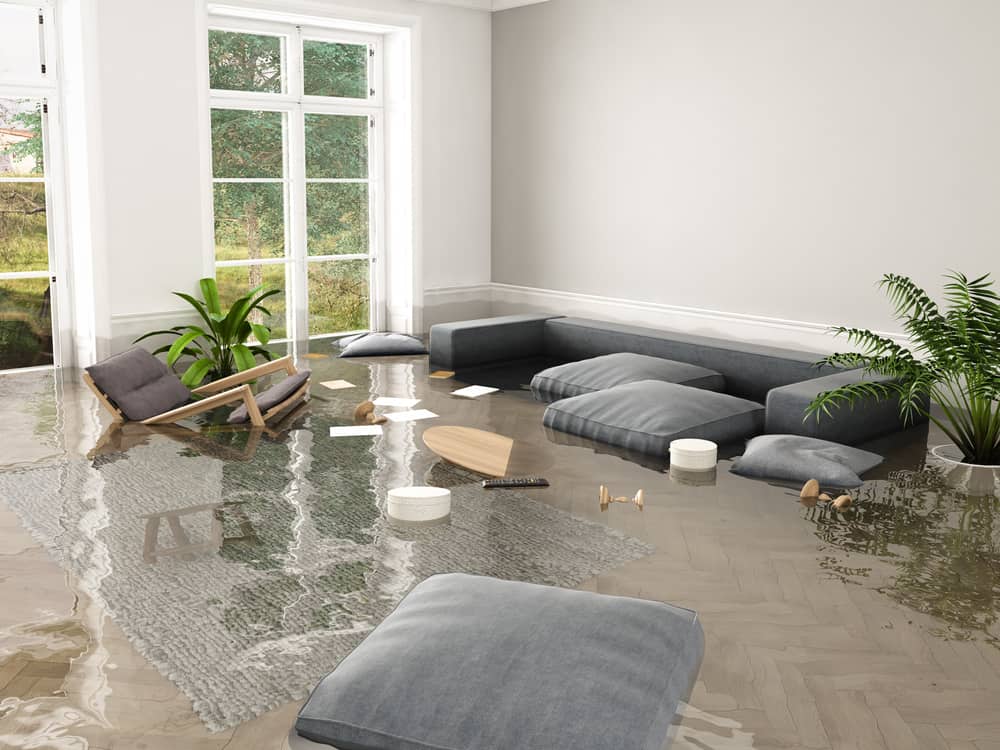
The process starts the moment you call. We respond 24 hours a day, seven days a week because a burst pipe at 11 p.m. in January doesn’t wait for business hours, and neither should you. The first step on-site is a thorough assessment: where the water came from, how far it’s traveled, and what category of damage you’re dealing with.
That last part matters more than most people realize. Water from a burst supply pipe is handled very differently than water from a sewer backup, and in University Gardens where the Great Neck Water Pollution Control District operates aging sewer infrastructure with 10 pump stations across 72 miles of sanitary lines sewage backup events during heavy rain are a real risk that requires Category 3 contamination protocols.
Once the scope is documented, extraction begins. We use industrial-grade equipment to remove standing water, and then the drying phase starts air movers, dehumidifiers, and moisture meters that track what’s happening inside walls, under floors, and in the structural cavities that consumer-grade fans simply can’t reach. For University Gardens’ historic homes, this phase requires patience and precision. Original plaster and wood lath dry on their own timeline.
Throughout the process, everything is documented for your insurance claim. We work directly with your insurance company, handling the paperwork and adjuster coordination so you don’t have to manage that on top of everything else. If structural repairs are needed after drying is complete, we handle the rebuild one company, start to finish, with permits pulled through the Town of North Hempstead Building Department where required.
Ready to get started?
Burst Pipe and Basement Water Extraction, University Gardens, NY
Water damage restoration covers a lot of ground, and what’s included in a given job depends on what you’re actually dealing with. For University Gardens homeowners, the most common scenarios are burst pipes in aging plumbing systems, basement flooding from groundwater intrusion during the wet season, storm-driven water intrusion during nor’easters, and sewer backup events during heavy rain. Each one requires a different approach, and we handle all of them.
On every job, you get water extraction, structural drying with industrial dehumidifiers and air movers, moisture mapping to locate hidden moisture inside walls and subfloors, and mold prevention treatment. Documentation is produced throughout moisture readings, photographs, and written records that your insurance adjuster will need and that satisfy the documentation standards Nassau County insurers expect.
If mold remediation is required, that work is performed under New York State Department of Labor licensing, which is a state requirement for any mold remediation work regardless of where you are in Nassau County. For University Gardens homeowners specifically, the UGPOA’s covenant structure means any exterior-visible work board-up, exterior structural repairs may require submission to the UGPOA board in addition to Town of North Hempstead building permits. We’re familiar with this layered regulatory environment. The goal is always to get your home restored correctly, with every permit and approval in place, so there are no compliance issues waiting for you on the other side of the repair.

Does homeowners insurance cover water damage in University Gardens, NY?
It depends on the source of the water, and that distinction matters a lot. Standard homeowners insurance typically covers sudden, accidental water damage a burst pipe, a washing machine hose that fails, an appliance overflow. What it does not cover is flooding. If water enters your home from outside during a storm through the ground, through storm drains, or via the kind of Long Island Sound surge that affects the Great Neck peninsula during nor’easters that’s flood damage, and it requires a separate flood insurance policy through the National Flood Insurance Program.
For University Gardens homeowners, this is a distinction worth understanding before a claim, not after. The Great Neck peninsula’s geography means that major storms can produce both types of water intrusion simultaneously a burst pipe from a cold snap and storm-driven water from the same weather event. We document each source separately and work directly with your insurer to make sure the claim reflects what actually happened, which protects you from a denial based on misclassification.
How quickly does mold start growing after water damage in an older University Gardens home?
Mold spores can begin germinating within 24 hours under the right conditions, and visible growth typically appears within 48 to 72 hours. In a newer home with modern drywall, that timeline is concerning. In a University Gardens home with original plaster walls and wood lath construction materials that absorb and hold moisture more deeply than modern materials the risk is compounded.
Moisture can penetrate further into historic building materials and stay there longer, giving mold more time and more surface area to establish itself before it’s ever visible. This is exactly why the 24 to 48 hour window the EPA cites is not a loose guideline it’s a hard target. The longer water sits in the walls of a 1930s Tudor, the more expensive and invasive the remediation becomes. Getting a professional team on-site quickly, with the equipment to actually measure what’s happening inside those walls, is the difference between a drying job and a full mold remediation project. We’re available 24/7 specifically to meet that window, regardless of when the damage happens.
What happens if my basement floods during a nor'easter on the Great Neck peninsula?
The Great Neck peninsula sits on the north shore of Nassau County, directly exposed to Long Island Sound. When a nor’easter tracks up the coast with northeast winds, it pushes Sound water into the narrow harbors and creek valleys around the peninsula, and that surge can back up into low-lying areas including basements. At the same time, heavy rainfall overwhelms storm drains and raises the water table, which pushes groundwater through foundation walls and floor cracks. Both things can happen in the same storm, and they require different responses.
If the water entering your basement is groundwater or storm surge, it’s likely Category 1 or Category 2 water unpleasant, but manageable with proper extraction and drying. If the sewer system is overwhelmed and sewage backs up through floor drains, that’s Category 3 black water, which requires full contamination protocols including protective equipment, antimicrobial treatment, and disposal of affected porous materials. The Great Neck Water Pollution Control District operates aging infrastructure that can be stressed during major rain events, so sewer backup is a real possibility during significant storms. We assess the water category on arrival and respond accordingly.
How long does water damage restoration take for a home in University Gardens?
For most water damage jobs, the drying phase alone takes three to five days using professional-grade dehumidifiers and air movers. After drying is complete, any necessary structural repairs replacing damaged drywall, subfloor sections, or other affected materials add additional time depending on scope. A typical water damage project from initial extraction through final repairs takes around two to three weeks for moderate damage. More extensive flooding or situations where mold has already developed can extend that timeline significantly.
For University Gardens homes specifically, the age of the construction adds a variable. Original plaster walls and wood lath dry more slowly than modern drywall, and they require careful monitoring to avoid over-drying, which can cause cracking and additional damage. We use moisture meters throughout the drying process to track progress inside the walls rather than guessing based on surface conditions. If repairs after drying require building permits through the Town of North Hempstead Building Department, that permitting process adds time to the schedule something we account for and manage on your behalf.
Can I stay in my home during water damage restoration in University Gardens?
In many cases, yes but it depends on the extent of the damage and the category of water involved. If the affected area is limited to one part of the home, the rest of the house is typically livable during the drying phase. The equipment runs continuously and creates some noise and airflow, but most families manage it without needing to relocate. If the damage is more widespread, or if Category 3 sewage contamination is involved, temporary relocation may be the safer and more practical choice while remediation is underway.
For University Gardens homeowners with children or elderly family members, the air quality during mold remediation if that phase becomes necessary is a real consideration. Containment barriers are set up to isolate the work area, but in a home with the floor plans common to 1920s and 1930s construction, airflow patterns can be unpredictable. We’ll give you an honest assessment of what’s practical for your specific situation during the initial walkthrough, so you can make an informed decision rather than guessing.
Does the UGPOA need to approve restoration work done on my University Gardens home?
For interior restoration work water extraction, drying, mold remediation, interior drywall or flooring replacement the UGPOA’s covenant review process is generally not triggered. The Declaration of Restrictions that governs the University Gardens subdivision focuses on exterior alterations, subdivisions, and changes that affect the visible character of the property. Interior work stays interior.
Where it gets more nuanced is if your restoration requires exterior-visible work: board-up services after storm damage, exterior structural repairs, or any modification that changes the appearance of the home from the street. In those situations, the UGPOA board may require plan submission before work proceeds, in addition to any permits required by the Town of North Hempstead Building Department. This is a layer of process that most restoration companies working outside the Great Neck area aren’t familiar with. We’re licensed and operate within Nassau County’s regulatory environment, and we can help you understand what approvals apply to your specific situation before work begins so there are no surprises from the board after the fact.
Useful Links
Other Services we provide in University Gardens