
Water Damage Restoration in Williston Park, NY
Williston Park's Aging Homes Deserve More Than a Fan and a Prayer
Hear from Our Customers

Flood Restoration Williston Park NY
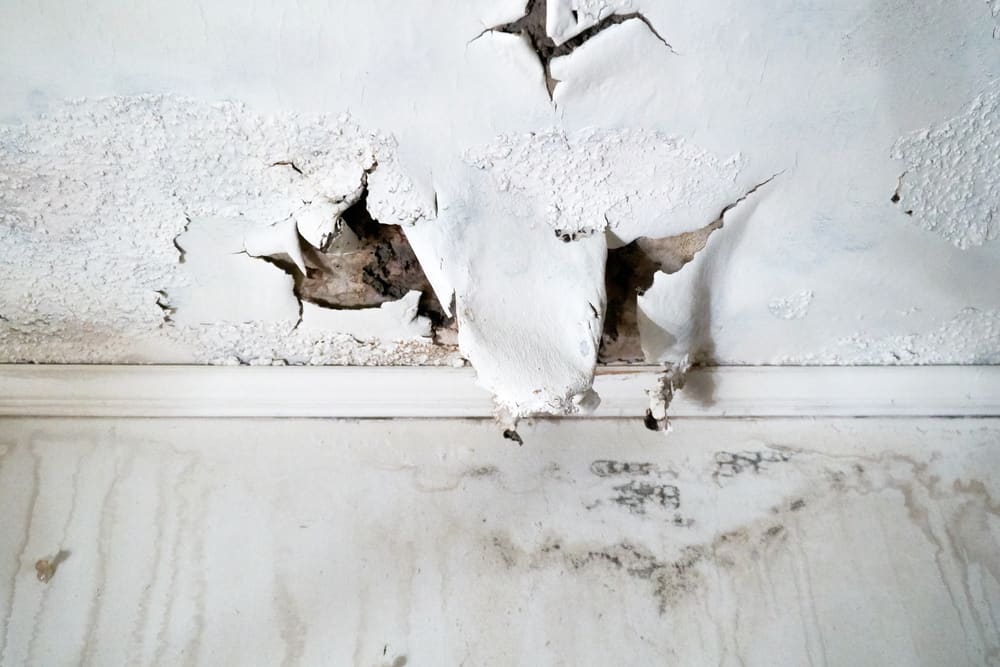
The moment water enters your home, the clock starts. The EPA is clear: mold can begin forming within 24 to 48 hours of a water event. In Williston Park, where most homes were built between the 1920s and late 1940s, that window matters even more. Original plaster walls, aged wood framing, and century-old foundation waterproofing absorb moisture faster and hold it longer than modern construction materials.
A surface-dry floor doesn’t mean the problem is solved it often means it’s just moved somewhere you can’t see yet. What you get when the job is done right is actual peace of mind. Not just a dry-looking floor, but moisture readings that confirm the walls, subfloor, and framing are genuinely clear. No hidden pockets of dampness waiting to become a mold problem six months from now.
Nassau County’s groundwater table adds another layer that most homeowners don’t think about until it’s too late. Williston Park doesn’t need a named storm to flood a basement a week of sustained spring rain can raise the water table enough to push through aging foundation walls and floors through hydrostatic pressure alone. Getting the right equipment in fast, and getting the moisture out completely, is what separates a manageable cleanup from a major structural drying and mold remediation project.
Residential Water Damage Repair Williston Park
We’ve been handling water damage on Long Island for close to three decades that’s not a marketing number, it’s the actual length of time we’ve been responding to Nassau and Suffolk County homeowners dealing with burst pipes, flooded basements, storm damage, and everything in between. We’ve worked in homes exactly like the ones throughout Williston Park: pre-war Dutch Colonials with cast iron plumbing, original hardwood floors, and foundations that were never designed for today’s rainfall events.
We’re IICRC-certified, which matters more than most people realize. It means our technicians follow the industry’s established protocols for water damage restoration the same standards insurance adjusters look for when reviewing a claim. It also means the documentation of your damage is done correctly from the start, which protects your claim and your home.
We’re licensed, bonded, and insured, and we work directly with your insurance company handling the billing and communication with adjusters so you’re not caught in the middle. For Williston Park homeowners, that’s a real 516 phone number and a team that knows this market, not a dispatch from somewhere else.
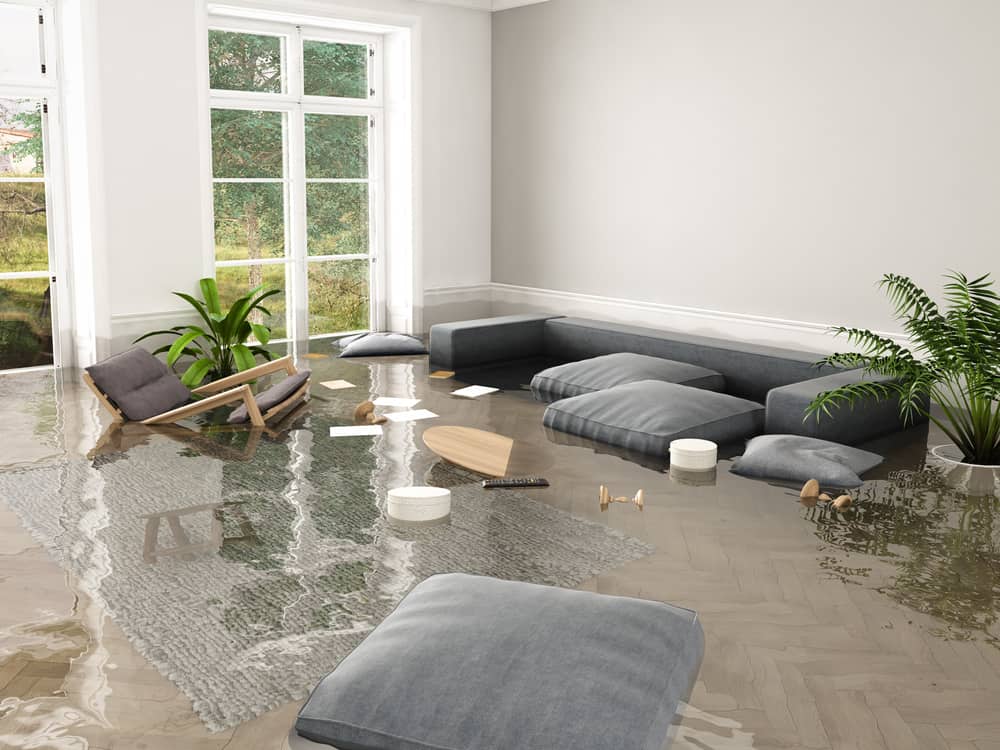
Basement Water Extraction Williston Park NY
When you call, our first priority is getting someone to your home quickly. Water damage restoration in Williston Park’s older housing stock requires fast action not because it’s a sales pitch, but because moisture moves quickly through the original materials these homes are built with. Plaster wicks water. Old-growth wood framing holds it. The longer it sits, the deeper it goes.
The first step on-site is a full assessment using professional moisture-detection equipment meters and thermal imaging that find what you can’t see with your eyes. This tells us exactly where the moisture has traveled, including inside walls, under floors, and along the framing. That assessment also becomes the documentation your insurance company needs to process your claim accurately.
From there, the extraction and structural drying process begins. We use industrial-grade equipment not consumer fans positioned to pull moisture out of the structure itself, not just the surface. In Williston Park’s pre-WWII homes, this phase often takes longer than it would in newer construction because of how the original materials hold moisture. We monitor readings throughout the drying process and don’t close the job until the numbers confirm the structure is genuinely dry.
If the damage extends to materials that need to be removed and replaced original plaster, flooring, insulation we handle that too, through to full reconstruction. Because Williston Park is an incorporated village with its own building department, any reconstruction work that requires permits is navigated as part of the process, not left for you to figure out separately.
Ready to get started?
24/7 Water Damage Restoration Williston Park NY
Water damage restoration in Williston Park covers the full range of what can go wrong in a home that averages 85 years old. Burst pipes in aging cast iron plumbing. Basement flooding from hydrostatic pressure during heavy spring rain on Hillside Avenue or Willis Avenue. Storm-related water intrusion after a severe winter event like the State of Emergency the village itself declared in January 2026.
Whatever the source, our service covers water removal, structural drying, moisture mapping, antimicrobial treatment to prevent mold growth, and full reconstruction when materials need to be replaced. We’re available 24/7, which means you’re not waiting until business hours to get help when a water event happens.
The work isn’t limited to emergencies you can see coming. Williston Park’s compact lots and dense settlement mean stormwater concentrates quickly when the drainage system is overwhelmed. The village operates a formal stormwater management program precisely because this is a documented challenge and when that system is pushed past its limit, basements in this neighborhood absorb the difference.
For homeowners with finished basements, the stakes are higher flooring, drywall, contents, and mechanicals are all at risk. We handle the documentation of all of it for your insurance claim, work directly with your adjuster, and keep you informed throughout. From a burst pipe in a 1930s Dutch Colonial to a flooded finished basement after a Nassau County flash flood warning, our scope of service is built to match what these specific homes actually need.

Why does my Williston Park basement flood even when there's no major storm?
This is one of the most common questions from homeowners in Williston Park, and the answer comes down to geology. Nassau County sits on a substrate with a relatively high groundwater table, meaning during sustained periods of heavy rain, the water table can rise to within just a few feet of your basement floor. When that happens, water pushes through the foundation walls and floor slab through hydrostatic pressure not through a crack in your roof or a burst pipe, but through the foundation itself.
In Williston Park specifically, this problem is compounded by two things: the age of the homes and the density of the village. Most homes here were built in the 1920s through the 1940s, and the original waterproofing on those foundations has long since degraded. There’s simply nothing left between the water table and your basement. Add to that the fact that Williston Park packs nearly 12,000 people into one square mile, with minimal open land to absorb rainfall, and stormwater concentrates fast. The village’s own stormwater management program exists because this is a known, documented challenge. If your basement is wet after a week of rain and you didn’t have a pipe burst or a roof leak, hydrostatic pressure is almost certainly the reason.
Does homeowners insurance cover water damage from a burst pipe or basement flooding?
It depends on the source of the water, and the distinction matters a great deal. Standard homeowners insurance typically covers sudden, accidental water damage from internal sources a burst pipe, a washing machine overflow, a water heater failure. If a pipe lets go in your basement and water spreads across the floor, that’s generally a covered event. What standard homeowners insurance does not cover is flooding meaning water that enters your home from outside, whether from a storm, groundwater rise, or overland flow. For that, you’d need a separate flood insurance policy through the National Flood Insurance Program.
The tricky part in Williston Park is that basement flooding from hydrostatic pressure the groundwater pushing through the foundation often falls into a gray area. Whether it’s covered depends on your specific policy language and how the damage is documented. This is exactly why working with a restoration company that handles insurance coordination directly matters. We document the damage, communicate with your adjuster, and make sure the claim reflects the actual scope of the work so you’re not navigating that conversation alone while also dealing with a flooded home.
How long does water damage restoration take in an older Long Island home?
The honest answer is that it depends on the extent of the damage and the materials involved and in Williston Park’s pre-WWII housing stock, the materials matter more than most people expect. For a straightforward water event with limited spread, the drying phase typically takes three to five days using professional equipment. Full restoration from initial extraction through final repairs generally runs about two to three weeks for moderate damage.
Where older homes complicate the timeline is in how the original materials hold moisture. Plaster walls absorb and retain water differently than modern drywall. Original hardwood subfloors and old-growth framing hold moisture longer and require more careful drying to avoid warping or secondary damage. If materials need to be removed and replaced which is common in more significant water events that adds time to the reconstruction phase. Because Williston Park is an incorporated village with its own building department, reconstruction work that requires permits goes through the village, which we manage as part of the process. The short version: minor events can be resolved in days; significant flooding with structural involvement takes longer, and rushing the drying phase to save time almost always creates bigger problems down the road.
What should I do immediately after discovering water damage in my home?
The most important thing is to stop the source if you can shut off the water supply if it’s a burst pipe or appliance failure and then call us before you do anything else. A lot of homeowners instinctively grab towels, a mop, or a shop vac and try to get ahead of it themselves. That’s understandable, but consumer-grade equipment can’t remove moisture from inside walls, under floors, or within the structural framing. You can dry the surface and still have a serious hidden moisture problem that becomes mold within 48 hours.
Don’t wait to see how bad it gets. Don’t wait to call your insurance company first, either you can call us before you file a claim, and doing so actually helps your claim because the damage gets documented professionally before anything is disturbed. Take photos of everything you can see before any cleanup begins. If the water source is unclear if your basement is wet but you didn’t have a pipe burst don’t assume it’s minor. In Williston Park’s older homes, water travels along original framing and through aged materials in ways that aren’t obvious until the moisture mapping equipment tells the full story.
Can mold really start growing that fast after water damage?
Yes, and it’s not an exaggeration. The EPA states that mold can begin forming within 24 to 48 hours in water-damaged areas. Mold spores are always present in the air they’re not waiting to be introduced from outside. They just need moisture and a surface to land on, and the original materials in Williston Park’s older homes give them plenty of both. Plaster, wood framing, old insulation, and the paper facing on any drywall that was added in later renovations are all highly hospitable to mold once they’re wet.
The 48-hour window is real, but it’s also a best-case scenario under good conditions. In a finished basement where airflow is limited, or in a wall cavity where moisture has no way to evaporate on its own, mold can establish itself faster. The reason professional drying equipment matters beyond just moving more air is that it actively pulls moisture out of materials rather than waiting for evaporation. If you dried your basement with fans and it looked fine after a few days, that’s not confirmation the problem is solved. Hidden moisture inside the structure is the most common reason homeowners call for mold remediation months after what seemed like a successful cleanup.
How do I know if a water damage restoration company is actually qualified to work in my home?
The two things that matter most are IICRC certification and whether the company is licensed, bonded, and insured. IICRC certification means the technicians have been trained to the industry’s established standard the IICRC S500 for water damage restoration and that they follow a documented process that insurance companies and adjusters recognize. It’s not a minor credential. Working with a non-certified company can create real problems when your claim is reviewed, because the documentation may not meet the standard adjusters expect.
Beyond certification, look at whether the company has an actual local presence or is essentially a lead-generation service with a local-looking phone number. Several companies that show up in search results for Williston Park have area codes from Arizona, the Hudson Valley, or New York City they’re not Long Island companies. We’re based in West Babylon with dedicated Nassau County coverage and a 516 number, and we’ve been working in Williston Park and the surrounding area for close to 30 years. That kind of local history in a specific market especially one with the housing stock and groundwater conditions that Williston Park has is genuinely different from a company that covers the entire Northeast from a call center. Ask any company you’re considering whether they’re IICRC-certified, licensed, bonded, and insured, and whether they handle insurance billing directly. Those three questions will tell you most of what you need to know.
Useful Links
Other Services we provide in Williston Park