
Water Damage Restoration in Woodsburgh, NY
When Tidal Flooding Hits Woodsburgh, Every Hour Counts
Hear from Our Customers

Flood Restoration Woodsburgh, NY
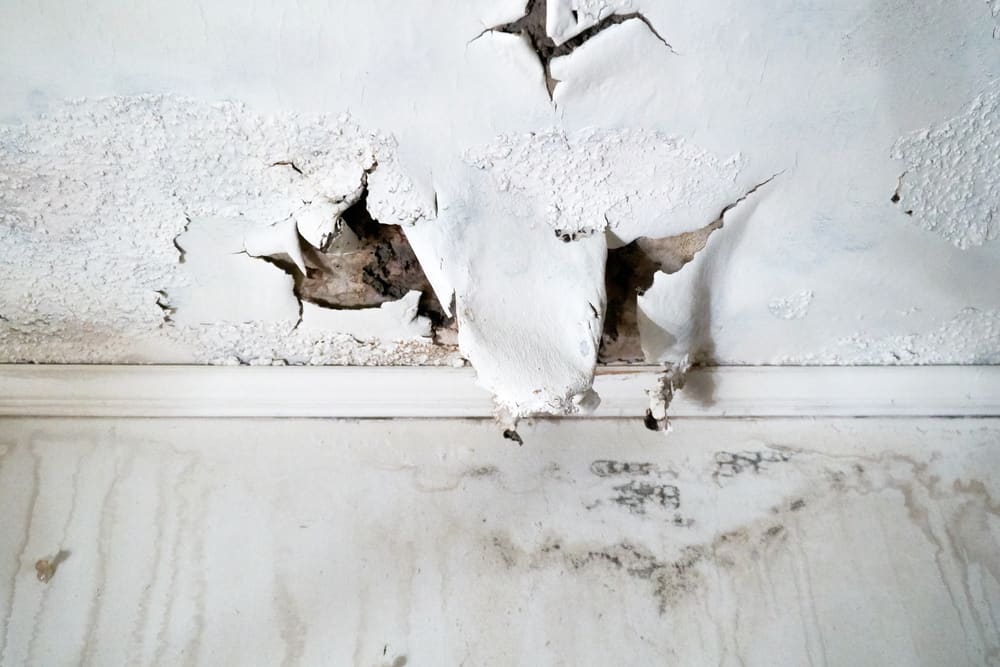
Water damage doesn’t stay where it lands. It moves into walls, under floors, and into structural cavities and if it’s not pulled out completely within the first 24 to 48 hours, the EPA is clear about what happens next: mold. In a village like Woodsburgh, where homes routinely carry values between $1 million and $4 million, the cost of an incomplete cleanup isn’t just a repair bill. It’s a mold remediation project, a complicated insurance claim, and potentially irreversible damage to finished spaces that took years to build out.
What you get from a proper restoration isn’t just dry floors. It’s documented moisture readings that hold up with your insurance adjuster. It’s industrial-grade drying equipment reaching the places a shop vac never touches. It’s the confidence that six months from now, you won’t be tearing out a wall because something was left behind.
Woodsburgh sits on the South Shore of Nassau County, in low-lying terrain with a characteristically high water table. Railroad Avenue which connects the village to Lawrence through the Woodmere Club property has been publicly identified as prone to flooding when storm water drainage outflows are submerged during high tide. The tidal gate mechanisms along that corridor are aging. For homeowners in Woodsburgh, water intrusion isn’t always a once-in-a-decade hurricane event. Sometimes it’s a high-tide night combined with a heavy rain.
Water Damage Repair Woodsburgh, Nassau County
We’ve been serving Nassau and Suffolk County homeowners for nearly three decades. That’s accumulated, ground-level knowledge that comes from working through post-Sandy recovery in communities like Lawrence and Woodmere, handling burst pipe calls in the middle of February, and knowing exactly what aging South Shore housing stock looks like when water gets into it.
We’re headquartered in West Babylon and operate with a dedicated Nassau County team reachable at a local 516 number, not a national call center. Every technician is IICRC-certified, which matters both for the quality of the work and for the integrity of your insurance claim. We’re also licensed, bonded, and insured, and we work directly with your insurance company so you’re not stuck managing that process on top of everything else.
Woodsburgh is a small, tightly knit village. When something goes wrong with your home here, you want someone who knows this area not a franchise crew dispatched from three counties away.
Emergency Water Removal Process Woodsburgh, NY
When you call, the first priority is getting a certified technician to your property as quickly as possible. We operate 24 hours a day, seven days a week because water damage doesn’t schedule itself around business hours, and in a coastal village like Woodsburgh, a tidal surge or a pipe failure at midnight is a real scenario, not a hypothetical.
Once on site, we assess the full scope of the damage using professional moisture meters and thermal imaging not just a visual check of what’s visibly wet. This matters in Woodsburgh’s older housing stock, where water can travel through wall cavities and subfloor systems in ways that aren’t obvious from the surface. Every reading is documented, which becomes part of the record your insurance adjuster will review.
From there, water extraction begins using industrial-grade equipment, followed by structural drying with commercial air movers and dehumidifiers. The drying phase typically runs three to five days depending on the severity and the materials involved. Throughout the process, moisture levels are monitored and logged. If your property falls within one of Woodsburgh’s FEMA-designated flood hazard zones, any structural restoration work is completed in compliance with the village’s Chapter 77 Flood Damage Prevention ordinance which requires permits and adherence to specific standards for properties in those areas. We handle the full scope, from extraction through rebuild, so you’re not coordinating multiple contractors while your home is mid-restoration.

Ready to get started?
Residential Water Damage Restoration Woodsburgh, NY
We provide complete restoration services in Woodsburgh from the moment water enters your home to the point where it’s structurally sound, dry, and ready for any necessary finishing work. That includes emergency water extraction, structural drying, dehumidification, moisture mapping, mold prevention treatment, and full reconstruction where needed. One company handles all of it.
Woodsburgh’s housing stock presents specific challenges. Many homes in this village were built during the post-war decades, which means original plumbing systems, drainage lines, and water heaters in some properties are 60 to 80 years old. These are among the top drivers of non-weather-related water damage claims in New York and they tend to fail without warning. Burst pipe water damage in a home with finished basement spaces, custom flooring, or built-in cabinetry requires a level of care and documentation that goes beyond basic extraction. Our restoration process accounts for both the structural materials and the high-value finishes that characterize homes in Woodsburgh.
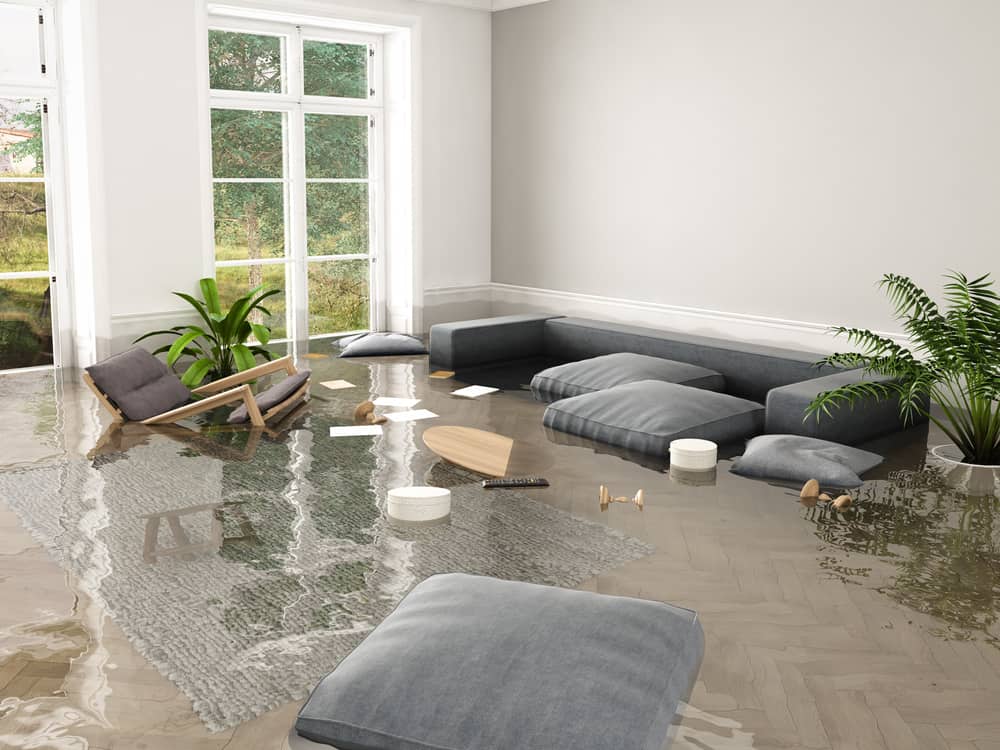
For properties near the Woodmere Club corridor or in areas with documented tidal flooding exposure, we’re also prepared for storm damage restoration scenarios where water intrusion comes from outside the structure rather than from internal plumbing. Our approach adapts to the source and the category of water involved because a tidal flooding event carries different contamination considerations than a burst supply line, and the remediation process reflects that difference.

Does homeowners insurance cover water damage from tidal flooding in Woodsburgh?
This is one of the most important distinctions to understand before you file a claim. Standard homeowners insurance covers sudden, accidental water damage from internal sources a burst pipe, a failed water heater, an appliance overflow. It does not cover flooding. If water enters your home from outside through tidal surge, storm runoff, or groundwater that falls under flood insurance, which is a separate policy typically issued through the National Flood Insurance Program.
Woodsburgh has FEMA-designated flood hazard zones within the village, and portions of the community have documented tidal flooding exposure along the Railroad Avenue drainage corridor. If you’re in or near one of those areas and you don’t carry a separate flood policy, a tidal flooding event may not be covered under your standard homeowners policy. It’s worth reviewing your coverage before something happens, not after. We work directly with insurance companies and can help document the damage accurately which matters whether you’re filing under a homeowners policy or a flood policy, and especially if the source of the water is disputed.
How quickly does mold start growing after water damage in my home?
The EPA’s guidance is 24 to 48 hours. That’s the window between water intrusion and the point where mold spores which are always present in the air begin to colonize wet surfaces. Visible growth typically appears within 48 to 72 hours, but the process starts earlier than that at the microscopic level.
In practical terms, waiting a day or two to see how things dry out on their own is a real risk. Consumer-grade fans and wet-vacs can remove surface moisture, but they don’t reach the water that’s migrated into wall cavities, under flooring, or into insulation and that’s exactly where mold establishes itself. In Woodsburgh’s older homes, where original wall construction and subfloor materials are more porous than modern builds, hidden moisture is a particular concern. Professional extraction and structural drying equipment is designed to reach those areas. The sooner it’s deployed, the smaller the remediation scope and the lower the overall cost.
What should I do immediately after a basement floods in Woodsburgh?
The first thing is safety don’t enter a flooded basement if there’s any possibility of electrical contact with standing water. If you’re not certain the power to that area is off, don’t go in. Call your utility provider or shut off the main breaker from a dry location first.
Once it’s safe, call a restoration company before you call your insurance company. Getting a certified technician on site to document the damage with moisture readings, photos, and a written assessment before anything is moved or dried out strengthens your claim significantly. Insurance adjusters rely on that documentation. After that initial call, avoid using household fans or dehumidifiers as a substitute for professional drying equipment; they can move air around but won’t extract moisture from structural materials. In Woodsburgh, where basements often contain finished spaces and high-value contents, the priority is containing the damage quickly and getting it documented correctly both for the restoration and for the insurance process.
How long does water damage restoration typically take in a Woodsburgh home?
The honest answer is that it depends on the scope. A straightforward water intrusion event a single room, clean water from a burst pipe, caught within the first few hours can be fully dried and cleared in three to five days. A more significant event involving multiple rooms, finished basement spaces, or water that sat for an extended period before it was discovered can take two to three weeks from extraction through reconstruction.
For Woodsburgh specifically, a few factors tend to extend timelines. Older homes with original plaster walls or hardwood subfloors take longer to dry than modern drywall and concrete construction. Finished basement spaces with custom flooring, built-in cabinetry, or insulated walls require more careful drying to avoid secondary damage during the process. And if the restoration work affects areas that fall under Woodsburgh’s Chapter 77 Flood Damage Prevention ordinance which applies to properties in designated flood hazard zones permit processing adds time to the structural repair phase. We’ll give you a realistic timeline assessment during the initial on-site evaluation, not a number pulled from a general estimate.
Will my insurance company accept the restoration work done by First Response Restoration & Cleaning Inc.?
IICRC certification is the standard that insurance companies, adjusters, and professional organizations use to evaluate restoration work. It means the technicians performing the work are trained to established protocols the IICRC S500 Standard for Professional Water Damage Restoration and that the process is documented in a way that holds up during claims review. Our technicians are fully IICRC-certified, and we work directly with insurance carriers on billing and documentation.
In practical terms, this means you’re not caught between your restoration company and your adjuster trying to reconcile different accounts of what was done. The moisture readings, drying logs, and scope documentation that we produce are the same records your insurance company expects to receive. We’ve been doing this for nearly 30 years across Nassau and Suffolk County, which means we’ve navigated the claims process with Long Island-area insurers many times over. That experience directly benefits you when it matters most.
Is burst pipe water damage covered differently than storm flooding in Woodsburgh?
Yes, and the distinction is significant for how your claim gets handled. A burst pipe is considered a sudden, accidental internal event the kind that standard homeowners insurance is designed to cover. Storm flooding, on the other hand, involves water entering from outside the structure, which falls under flood insurance rather than homeowners coverage.
Where it gets complicated in Woodsburgh is when the source of water is ambiguous. If water entered your basement during a storm event but the entry point was a failed sump pump or a backed-up drain rather than direct surface flooding, the coverage determination can depend on how the damage is documented and described. This is exactly the kind of situation where having an IICRC-certified company document the source, the water category, and the affected materials from the beginning makes a real difference. We’ve handled both burst pipe water damage and storm damage restoration across the Five Towns area and understand how to document each scenario in a way that gives your claim the best possible foundation. Getting that documentation right from the start is far easier than trying to reconstruct it after the fact.
Useful Links
Other Services we provide in Woodsburgh