
Water Damage Restoration in Amityville, NY
When the Bay and the Canals Win, We Come In
Hear from Our Customers

Flood Damage Restoration in Amityville
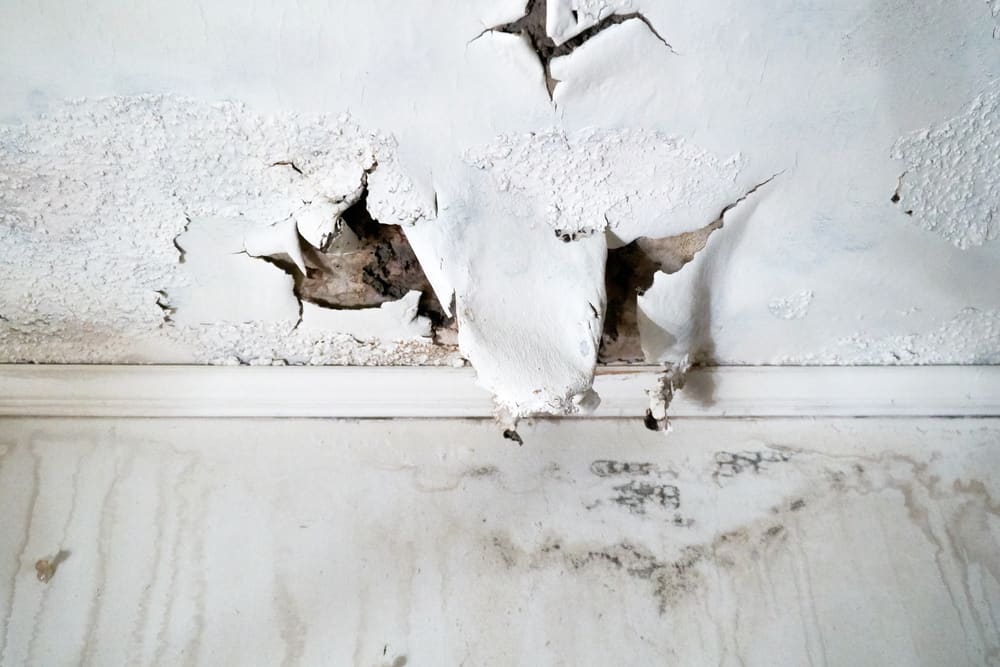
When water gets into your home whether it came through the basement floor, pushed in from the canal, or burst out of a pipe that finally gave up the clock starts immediately. Mold can begin developing within 24 to 48 hours of water exposure. That’s not a scare tactic. That’s just what happens when moisture sits inside walls, under floors, and in the structural cavities of older homes.
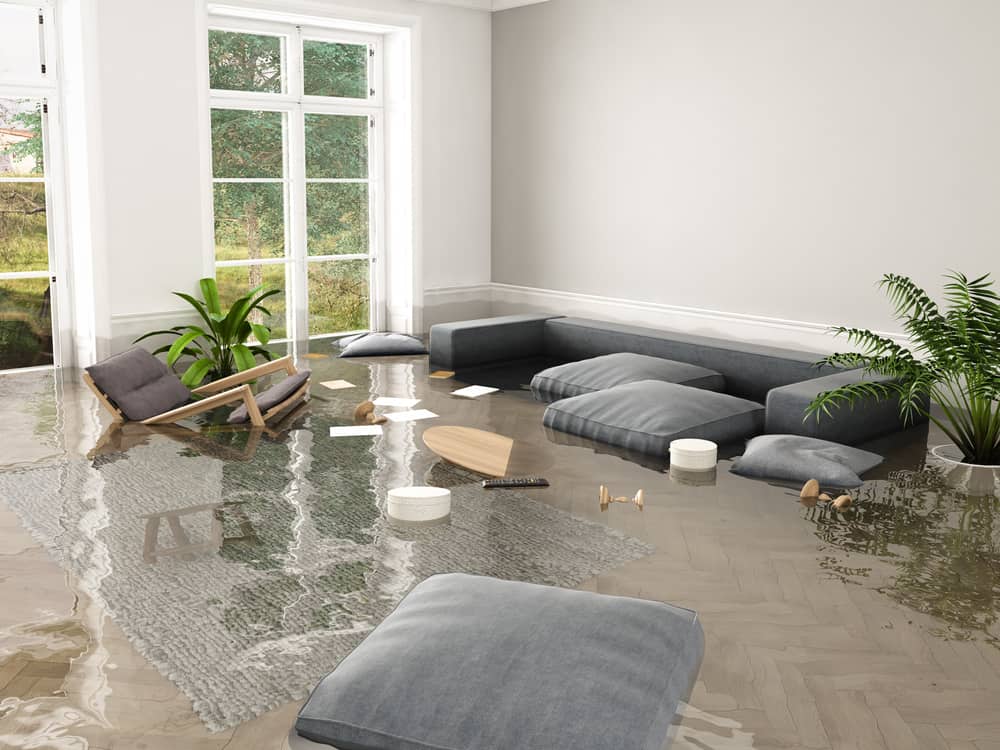
For Amityville homeowners, the stakes are higher than most. The village’s southern necks sit on two peninsulas threaded with navigable canals that feed directly into South Oyster Bay. When a nor’easter rolls through or a storm pushes water up from the Great South Bay, it doesn’t just rain on your roof it rises from the ground, overflows the canals, and saturates the soil around your foundation simultaneously. That’s a different kind of water intrusion than a burst pipe in an inland suburb, and it requires a restoration team that actually understands the difference.
What you get when this is handled correctly: dry walls, dry floors, dry structural cavities confirmed with moisture meters, not just a visual check. You get documentation that holds up with your insurance adjuster. You get a home that doesn’t develop a mold problem six weeks after you thought everything was fine. And you get back to your normal life without spending months chasing contractors or fighting a claim on your own.
Residential Water Damage Repair Amityville, NY
We’ve been operating on Long Island since the mid-1990s, headquartered in West Babylon directly adjacent to the Town of Babylon, which includes the Village of Amityville. That proximity isn’t a coincidence. The South Shore is our home territory, and we’ve responded to water damage in Amityville and surrounding communities through every major storm event of the past three decades, including Hurricane Sandy, which damaged or destroyed tens of thousands of structures across Nassau and Suffolk counties.
Our technicians are IICRC-certified, and we’re licensed, bonded, and insured in New York State. That matters in a post-Sandy market where storm chasers and unlicensed contractors have repeatedly targeted South Shore homeowners in moments of vulnerability. When you call First Response Restoration & Cleaning Inc., you’re calling a company that was already here before the storm, knows the neighborhoods along Broadway and the canals south of Sunrise Highway, and will still be here long after the job is done.
24/7 Water Damage Restoration Amityville, NY
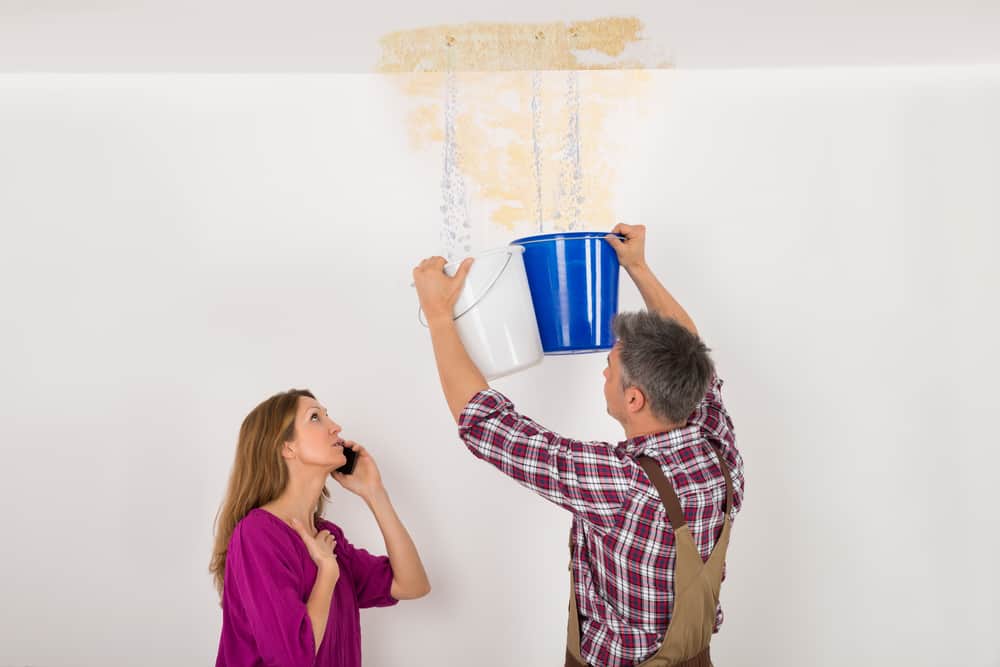
The first step is getting someone on-site fast. When you call, a technician is dispatched immediately day or night. The initial assessment covers the full scope of the damage: where the water came from, how far it has traveled, and what’s already happening inside your walls and under your floors.
For Amityville homes, especially those on the canal-side streets south of Sunrise Highway (NY-27) or along Montauk Highway (NY-27A), that assessment often reveals moisture in places that aren’t visible hydrostatic pressure through the basement slab, wicking into drywall from below, or water trapped in crawl spaces under post-WWII slab-on-grade construction.
Once the scope is clear, water extraction begins using industrial-grade equipment not shop vacs and box fans. Truck-mounted extractors pull standing water fast, and then the structural drying phase begins with high-velocity air movers and commercial dehumidifiers positioned to pull moisture out of the building materials themselves. Moisture readings are taken throughout and tracked until the affected areas reach acceptable drywall moisture levels. Nothing gets closed up until the numbers confirm it’s dry.
Through all of it, we handle the insurance side directly. The damage is documented in a format that adjusters recognize, and we communicate with your insurance carrier whether that’s a standard homeowners policy, an NFIP flood policy, or both so you’re not caught in the middle. Restoration and reconstruction follow once the structure is confirmed dry and the claim is in motion.
Ready to get started?
Basement Water Extraction Amityville, NY
Water damage restoration in Amityville isn’t one-size-fits-all. The village’s housing stock is predominantly post-WWII construction homes built during the Town of Babylon’s population boom of the 1950s and 1960s that are now 50 to 70 years old. These homes have aging plumbing, original or near-original galvanized pipes, older sump pump systems, and foundation waterproofing that wasn’t designed for the hydrostatic pressure that a high water table and canal-adjacent soil conditions generate year after year.
When these systems fail or when a storm overwhelms them the water intrusion is often more extensive than it looks on the surface. The full scope of service we provide covers emergency water extraction, structural drying, dehumidification, antimicrobial treatment to address mold risk, moisture mapping to confirm complete dryness, and full reconstruction of affected areas including drywall, flooring, and any structural components that need replacement.
For canal-front and bayfront properties in Amityville’s southern necks, the assessment also accounts for multi-vector intrusion storm surge from the bay, canal overflow, and groundwater pressure acting at the same time. It’s also worth knowing that the Village of Amityville has its own Flood Damage Prevention ordinance (Chapter 88) as part of its NFIP participation. If restoration work reaches the threshold of a “substantial improvement” under that ordinance, permitting considerations may apply. Our experience with Long Island municipal requirements means that’s handled as part of the process, not something that catches you off guard after the work begins.

Does homeowners insurance cover water damage from canal flooding in Amityville?
This is one of the most important questions Amityville homeowners face, and the answer depends entirely on the source of the water. Standard homeowners insurance covers sudden, accidental water damage from internal sources a burst pipe, a failed water heater, an appliance overflow. It does not cover flooding, which is legally defined as water that enters from an external natural source, including storm surge from the Great South Bay or canal overflow during a storm event.
If your property is in a FEMA-designated Special Flood Hazard Area which includes much of Amityville’s waterfront and canal-adjacent properties flooding is covered only by a separate National Flood Insurance Program policy, if you have one. Many Amityville homeowners carry both policies, which creates a documentation challenge: the damage source has to be clearly established to determine which policy responds. This is exactly why working with a restoration company that understands how to document storm surge versus plumbing failure versus groundwater intrusion matters so much. We handle the documentation and communicate directly with both adjusters, so the coverage question doesn’t fall on you to sort out alone.
How quickly can mold develop after a basement flood in Amityville?
Mold can begin developing within 24 to 48 hours of water exposure. In Amityville’s older housing stock, that window is particularly unforgiving. Post-WWII homes built in the 1950s and 1960s have plaster walls over wood lath, subfloor assemblies without vapor barriers, and crawl spaces with minimal ventilation. These materials absorb and hold moisture in ways that modern construction does not, and they create ideal conditions for mold to take hold quickly.
Visible mold growth typically appears within 48 to 72 hours, but microscopic growth begins earlier. By the time you can see it, it has already been growing. The more critical issue is hidden moisture inside wall cavities, under flooring, and in structural framing that consumer-grade fans cannot reach or dry. Industrial drying equipment and calibrated moisture meters are what actually confirm whether a structure is dry enough to prevent mold. If you’re dealing with a flooded basement in Amityville after a storm or a plumbing failure, the timeline to call is measured in hours, not days.
What should I do immediately after my basement floods in Amityville?
The first priority is safety. If there’s any possibility that floodwater has reached electrical panels, outlets, or appliances, don’t enter the space until the power is confirmed off. Canal water and bay water that enters during a storm is considered Category 3 water under the IICRC classification system meaning it’s highly contaminated and should not be contacted without protective equipment. Even if the flooding looks like it came from a clean source, you can’t always tell by looking.
Once it’s safe to enter, document everything with photos and video before anything is moved or touched. This documentation is critical for your insurance claim both your homeowners policy and your NFIP flood policy if you carry one. Then call a restoration company immediately. Do not wait to see if it dries on its own. In Amityville’s high-humidity South Shore environment, standing water in a basement with limited airflow will not evaporate fast enough to prevent mold. The longer water sits in the walls and under the floor, the more extensive and expensive the remediation becomes.
How long does water damage restoration typically take for a flooded home?
For most residential water damage jobs, the drying phase alone takes three to five days with proper industrial equipment running continuously. The full restoration process from initial water extraction through structural drying, any necessary demolition of unsalvageable materials, and final reconstruction typically runs two to three weeks for moderate damage affecting one or two rooms. More extensive damage, particularly in older homes where water has wicked deeply into structural materials, can extend the timeline.
For Amityville homes that experienced flooding from a storm surge event or a combined sump pump failure and groundwater intrusion, the drying timeline can be longer than average. Post-WWII construction absorbs moisture differently than newer builds, and the high water table in South Shore communities means the surrounding soil stays saturated longer after a storm, which slows the drying process inside the structure. The drying phase isn’t complete until moisture meter readings confirm acceptable levels throughout not just at the surface. Rushing that phase is the most common reason homeowners end up with a mold problem weeks after they thought the job was finished.
My Amityville home has a sump pump does that mean I'm protected from basement flooding?
A functioning sump pump is a meaningful line of defense, but it has real limits that South Shore homeowners should understand. Sump pumps depend on electricity, and during the nor’easters and tropical storms that regularly affect Amityville, power outages are common. A pump that loses power during peak storm surge is not pumping anything. Battery backup systems help, but they have finite capacity and can be overwhelmed by sustained high-volume water intrusion.
Beyond power dependency, the sump pump only manages water that reaches the pit. In Amityville’s canal-adjacent properties, groundwater can enter through wall cracks, through the basement floor under hydrostatic pressure, and through window wells none of which routes through the sump pit. Older sump systems in homes built in the 1950s and 1960s may also be undersized for the volume of water that modern storm events produce. The August 2024 flooding event that dropped over nine inches of rain across the South Shore overwhelmed drainage systems throughout the area, including in communities with functional sump pumps. A sump pump reduces risk; it doesn’t eliminate it.
Does First Response Restoration & Cleaning Inc. handle both the cleanup and the reconstruction after water damage?
Yes the full scope of service runs from initial water extraction through final reconstruction. That means we handle emergency water removal, structural drying, moisture mapping, antimicrobial treatment, removal of unsalvageable materials like wet drywall and saturated flooring, and then the rebuild: new drywall, flooring, trim, and any structural repairs needed to return the space to its pre-damage condition.
For Amityville homeowners, this matters practically because coordinating separate contractors for mitigation and reconstruction adds time and creates gaps in accountability. When the same company that dried your home also does the rebuild, there’s no finger-pointing between a mitigation crew and a general contractor about what was left wet or what was documented for the insurance claim. We handle the insurance coordination throughout the entire process both the mitigation phase and the reconstruction phase which means your adjuster is working with consistent documentation from start to finish rather than two separate sets of paperwork from two different companies.
Useful Links
Other Services we provide in Amityville